Come and See
"The boy who stared into the abyss."
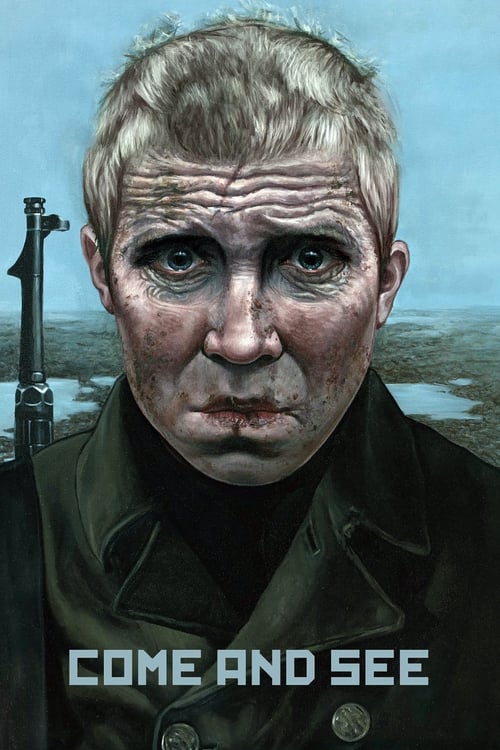
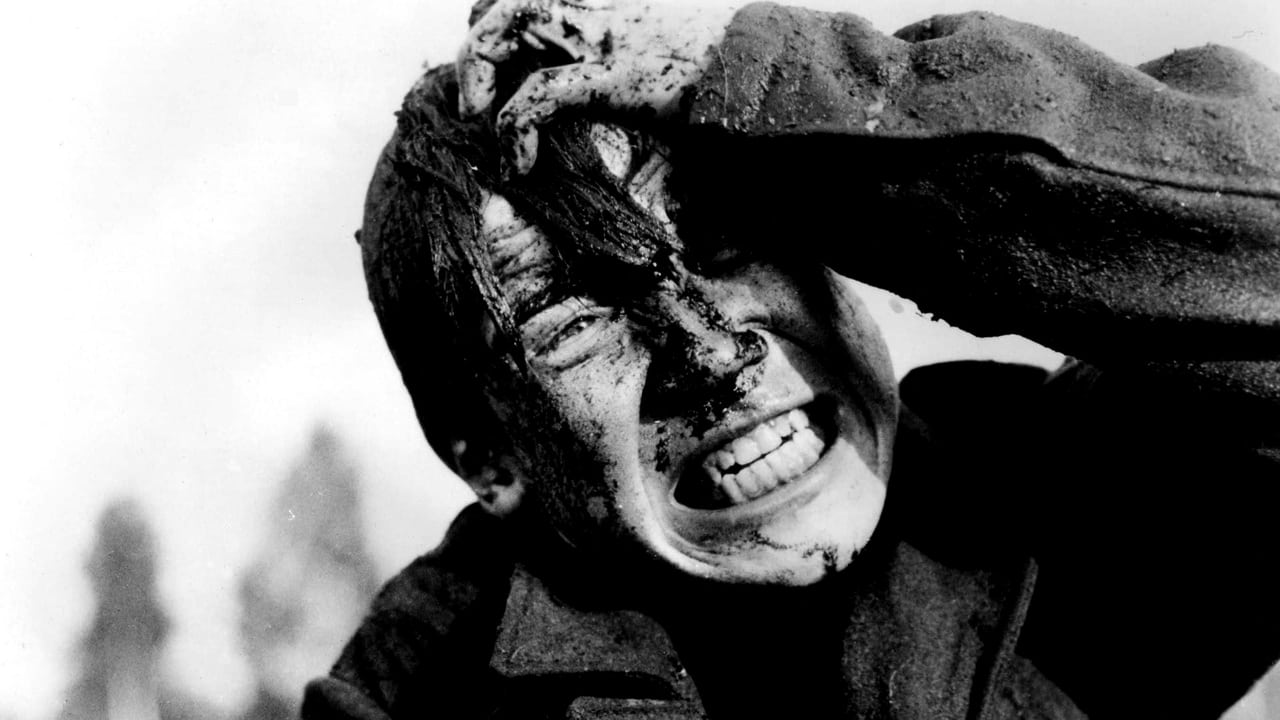
The first time I saw the face of Aleksei Kravchenko, I didn't see a child. I saw a topographical map of human suffering. I was sitting in my living room on a brand-new IKEA rug that I still hadn't vacuumed, nursing a lukewarm coffee, and by the end of the two-hour runtime, I felt like the rug had turned into Belarusian mud and my coffee had turned to ash. There are movies you watch, and then there are movies that happen to you. Elem Klimov’s Come and See is a physical event, a cinematic blunt-force trauma that makes every other war movie look like a choreographed playground scuffle.
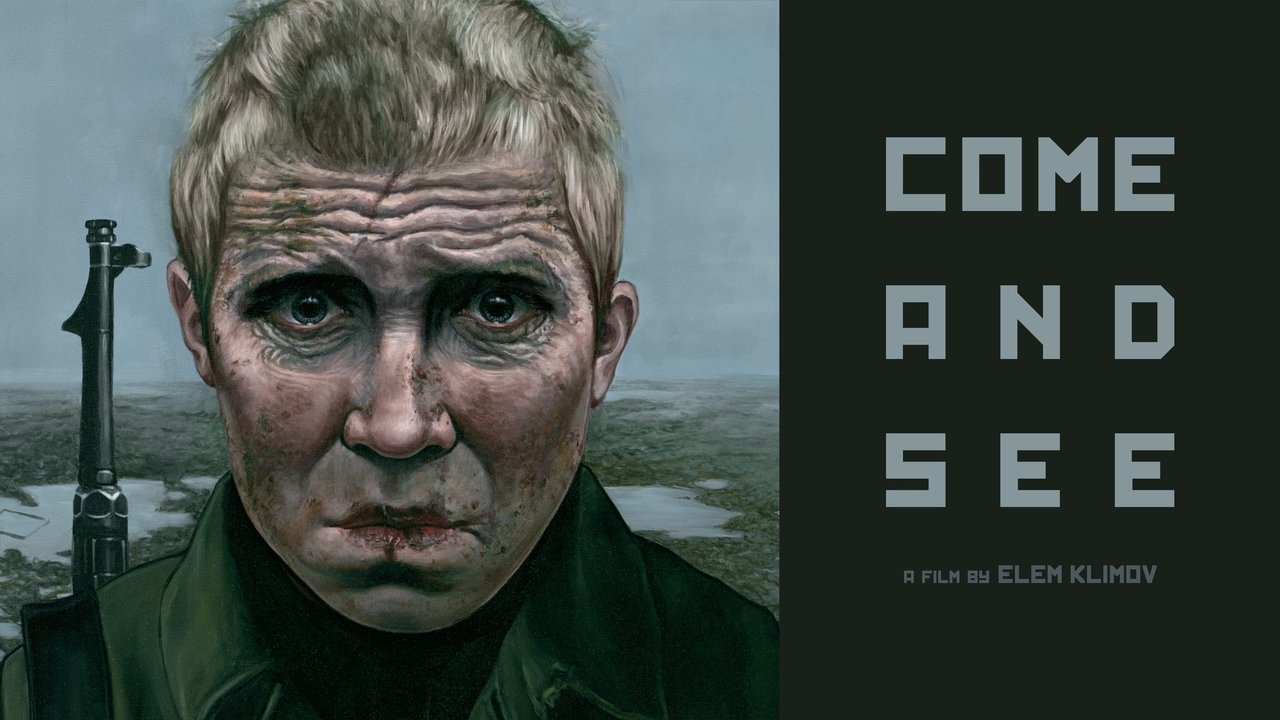
I remember seeing the box for this in the late 90s at a dusty independent rental shop. It was tucked away in the "Foreign" section, its cover dominated by a young boy’s face—eyes wide, skin wrinkled like parchment, a silent scream frozen in grain. It looked more like a horror movie than a historical drama. In a way, it is. While the 1980s in America were busy polishing the myth of the lone-wolf hero with Rambo, the Soviet Union was busy reminding the world that war doesn't build men; it erases them.
A Sensory Descent into the Mud
The plot is deceptively simple: a young boy named Flyora (Aleksei Kravchenko) digs up a discarded rifle to join the Soviet partisans in 1943. He thinks it’s an adventure. He thinks he’s becoming a man. What follows is a descent into a literal and figurative swamp. This isn't a film of "beats" or "acts"; it’s a series of escalating nightmares.
What struck me immediately was the sound design. Oleg Yanchenko’s score is less a musical composition and more a low-frequency hum of dread, punctuated by high-pitched ringing. After an early scene involving a bomb blast, the audio shifts into a muffled, distorted drone to mimic Flyora’s temporary deafness. I found myself checking my own speakers, feeling a strange sense of claustrophobia in my own ears. It traps you inside Flyora’s crumbling psyche. You don't just see the German planes overhead; you feel the vibration in your molars.
The cinematography by Alexey Rodionov is equally haunting. He uses the Steadicam—still a relatively fresh technology in 1985—not for smooth "cool" shots, but to create a ghostly, floating perspective. The camera often stares directly into the actors' eyes, breaking the fourth wall in a way that feels like a desperate plea for help. When Flyora and the young girl Glasha (Olga Mironova) wander through a forest that seems to be weeping, the camera lingers on their faces with an intensity that is frankly borderline illegal to film.
Practical Effects or Practical Torture?
There is a legendary, terrifying level of realism here that would never fly in a modern production. In the mid-80s, Soviet filmmaking wasn't exactly known for its strict adherence to health and safety protocols. Elem Klimov famously used live ammunition for many of the sequences. When you see tracers zipping over Flyora’s head as he cowers behind a dead cow, those are real bullets being fired by real soldiers.
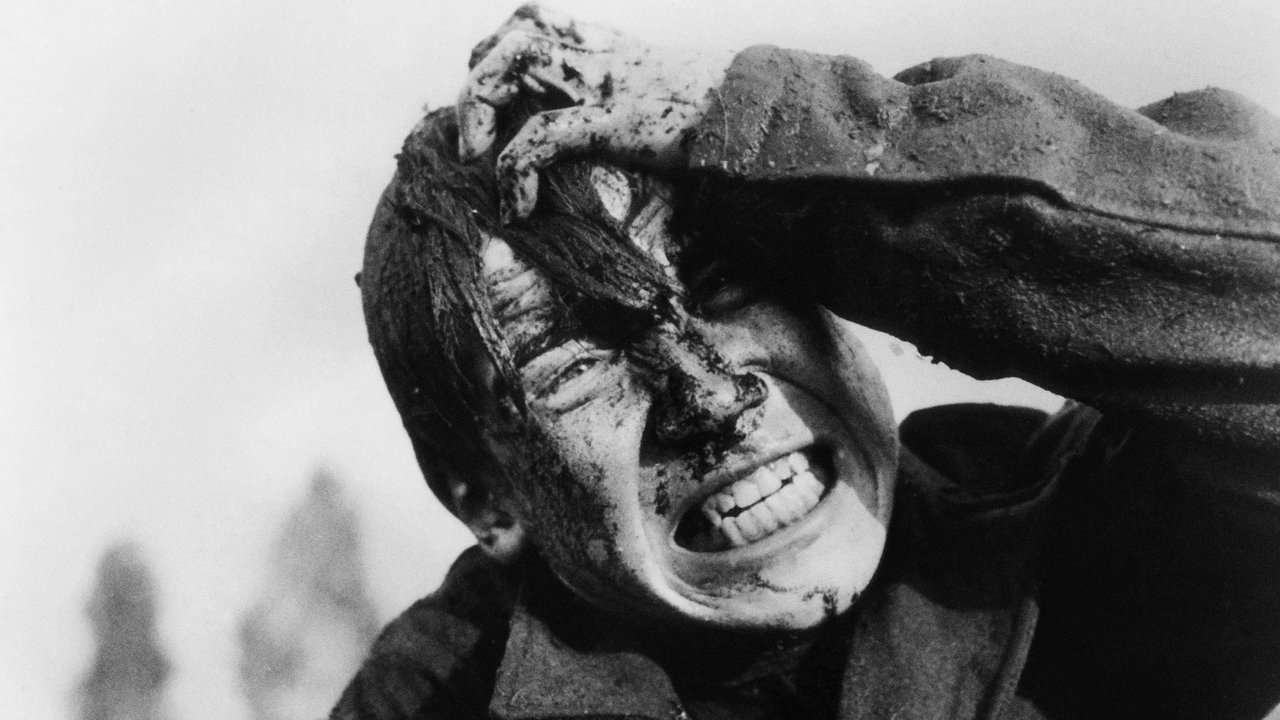
There’s a specific kind of tension that comes from knowing the actors are in genuine, physical peril. Aleksei Kravchenko was only fourteen during filming, and the rumors that his hair actually turned gray during the shoot—while likely a bit of promotional myth-making—feel entirely plausible when you look at his performance. He isn't "acting" scared; he is a child witnessing the end of the world. The production used actual hypnotic suggestion on the boy to help him handle the psychological weight of the scenes. It’s the kind of "Method" story that makes the stories of actors losing weight for roles feel like a vacation.
The Ghost in the Video Store

For those of us who grew up in the VHS era, Come and See was a "holy grail" of intensity. It was the movie you’d hear about in hushed tones from the guy behind the counter who wore a Dawn of the Dead t-shirt. It didn't have the glossy, high-contrast look of a Hollywood blockbuster; it had a muddy, tactile texture that felt like it had been unearthed from a mass grave. On a flickering CRT television, the film’s grainy aesthetic only added to its power. It felt like watching forbidden footage.
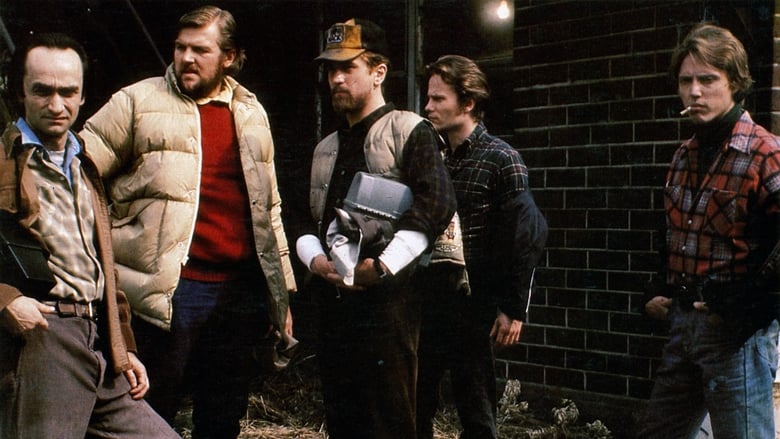
Unlike the 70s "New Hollywood" war films like Apocalypse Now (1979) or The Deer Hunter (1978), which often focused on the internal rot of the American soul, Come and See is about external annihilation. It doesn't care about the politics of the Reich; it cares about the flames and the mud. The climax, featuring a village being herded into a barn, is the single most grueling sequence ever committed to celluloid, and it succeeds because Klimov refuses to look away. He doesn't use quick cuts to hide the horror; he uses long, agonizing takes that force you to sit with the reality of what happened in Belarus.
I finished the movie and sat in silence for twenty minutes, still staring at my un-vacuumed rug. Come and See isn't a movie you "enjoy" in the traditional sense, but it is a movie that justifies the existence of the medium. It is the ultimate antidote to the "glamorization" of combat. It takes the tagline "the cruelest side of war" and treats it not as a marketing gimmick, but as a solemn promise. If you have the stomach for it, it’s a transformative experience. Just don't expect to feel like doing anything productive for at least twenty-four hours afterward.

Keep Exploring...
-
Sophie's Choice
1982
-
Glory
1989
-
The Longest Day
1962
-
Patton
1970
-
Das Boot
1981
-

Platoon
1986
-
Empire of the Sun
1987
-
Full Metal Jacket
1987
-

Good Morning, Vietnam
1987
-

Grave of the Fireflies
1988
-
Casualties of War
1989
-
Blood Simple
1985
-
Mississippi Burning
1988
-
Crimes and Misdemeanors
1989
-
The Killer
1989
-
Spartacus
1960
-
The Great Escape
1963
-
Doctor Zhivago
1965
-
Barry Lyndon
1975
-
The Deer Hunter
1978