Day of the Dead
"Where the sun never shines and the dead never sleep."
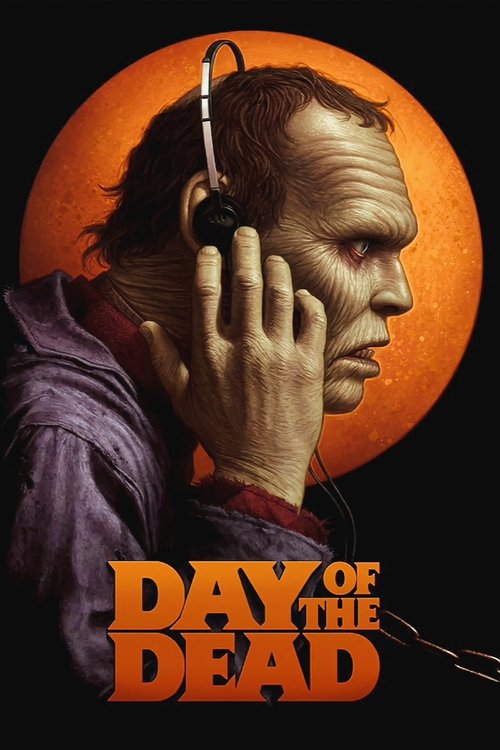
The silence of a dead world is a peculiar sound. It’s not the absence of noise, but the presence of something hollow—the rustle of a newspaper tumbling down a vacant street in Fort Myers, the rhythmic clicking of a cassette tape reaching its end, and the low, guttural moan of a creature that used to be a neighbor. When George A. Romero returned to his zombie cycle in 1985, he didn't give us the frantic mall-crawl of Dawn of the Dead. Instead, he handed us a claustrophobic, sweat-stained descent into a literal hole in the ground.
I watched this recently on a humid Tuesday night while sitting in a chair that has one leg shorter than the others, meaning I had to balance myself perfectly for 101 minutes or tip over. It felt strangely fitting; Day of the Dead is a film about a world that has lost its balance and is slowly tipping into the abyss.
The Underground Pressure Cooker
By 1985, the "New Hollywood" era of the 70s was being swallowed by the neon gloss of the Reagan years, but Romero remained stubbornly, beautifully grim. Day of the Dead takes place in a reinforced Florida bunker where the last vestiges of "civilization"—a handful of scientists and a squad of increasingly unhinged soldiers—are hiding from the millions of ghouls outside.
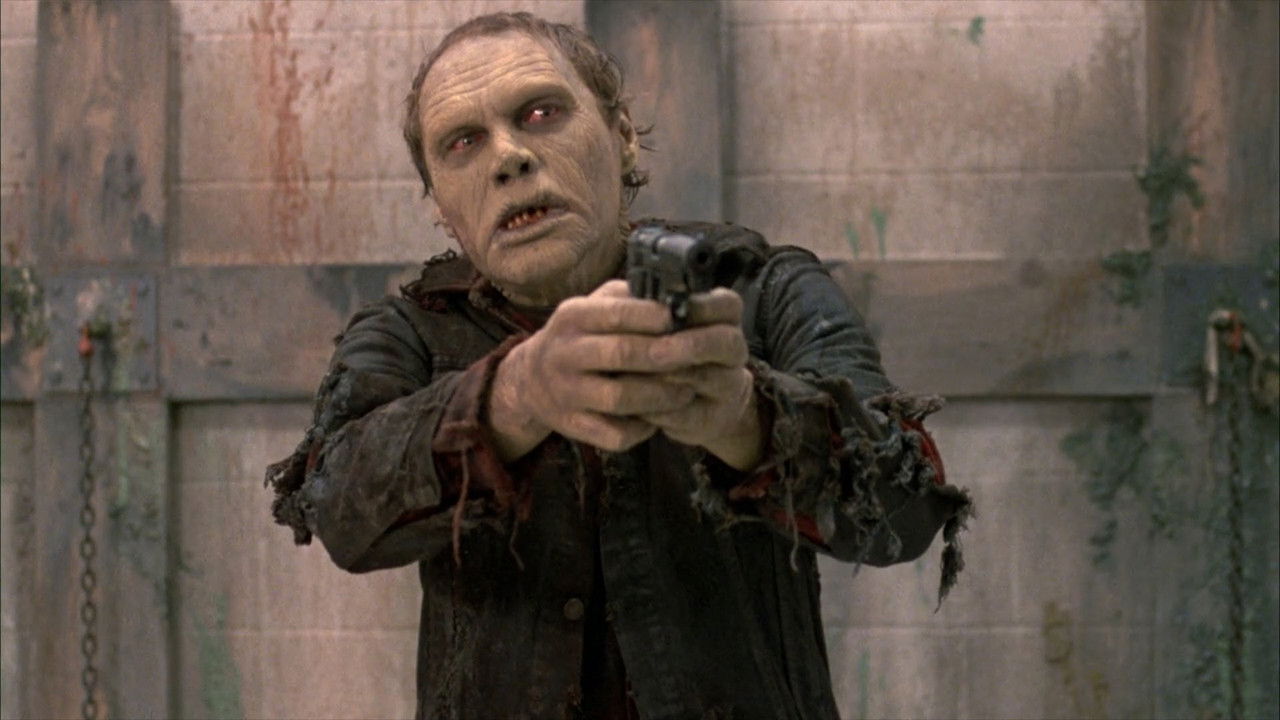
The tension here isn't just about the monsters at the door; it’s the friction between Sarah (Lori Cardille), a scientist trying to find a cure or at least a reason to keep breathing, and Rhodes (Joseph Pilato), a military commander who has traded his sanity for a megaphone and a sidearm. Rhodes isn't just a villain; he's the personification of a migraine with a sidearm. Watching him scream his way through the film is a masterclass in high-decibel hostility. Joseph Pilato plays the role with such vein-popping intensity that you half-expect him to explode before the zombies even get to him.
Savini’s Blood-Soaked Masterpiece

If you’re a fan of the Practical Effects Golden Age, this is the Holy Grail. This was an era where if you wanted a man to be torn in half, you didn't call a rendering farm; you called Tom Savini. Because Romero refused to trim the gore to secure an R-rating—a move that cost him half his budget and any chance of a wide theatrical release—Savini was given carte blanche to create some of the most stomach-churning, anatomically "accurate" effects ever put to celluloid.
There is a sequence involving a shovel and a head that remains, decades later, the gold standard for "how did they do that?" The secret, often whispered in horror circles, involved the use of actual pig intestines for some of the gut-munching scenes. The smell on set in that humid Florida mine was reportedly so foul that the actors didn't have to do much "acting" to look nauseated. It’s a level of tactile, wet, grimy realism that CGI simply cannot replicate. It’s the difference between seeing a car crash on the news and standing next to the twisted metal.
The Evolution of the Ghoul
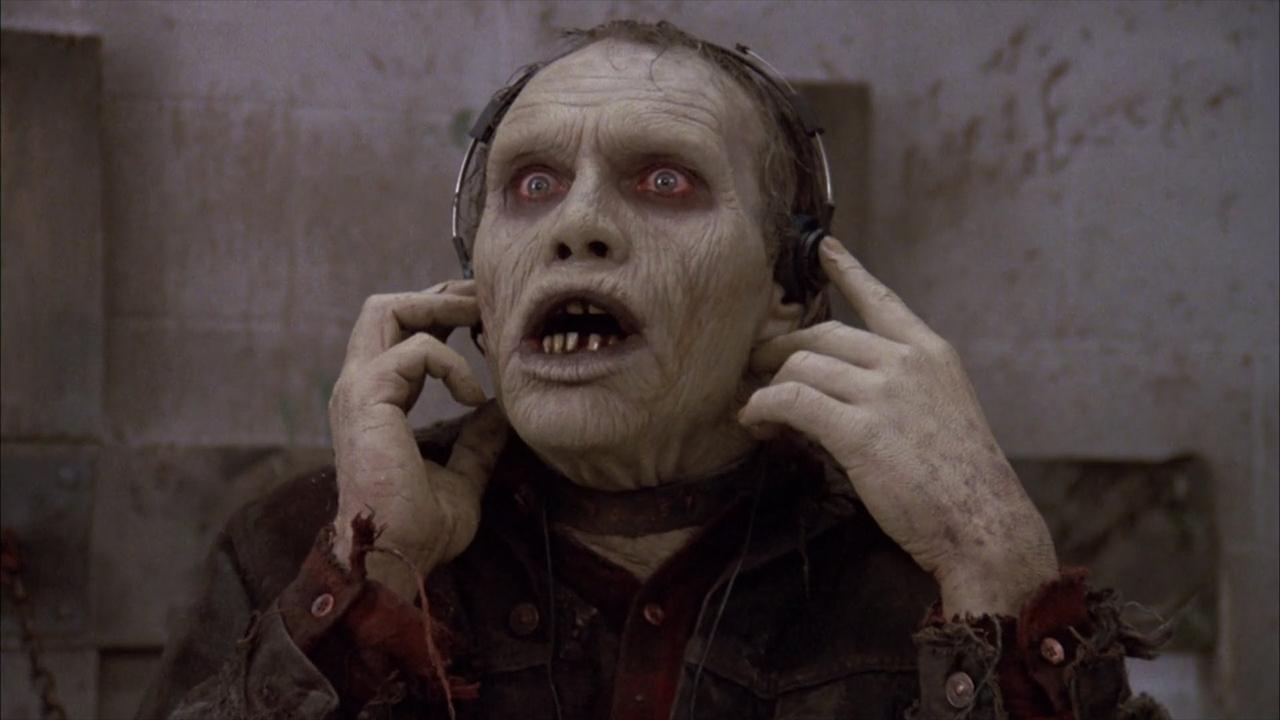
What elevates Day above a standard splatter-fest is Bub. Played by Howard Sherman (who deserves a posthumous Oscar for his physicality here), Bub is a zombie being "domesticated" by the eccentric Dr. Logan (Richard Liberty). Watching Bub listen to Beethoven or handle a razor is genuinely moving. It’s the first time in the series we’re forced to confront the idea that these things might still have a spark of us left inside.
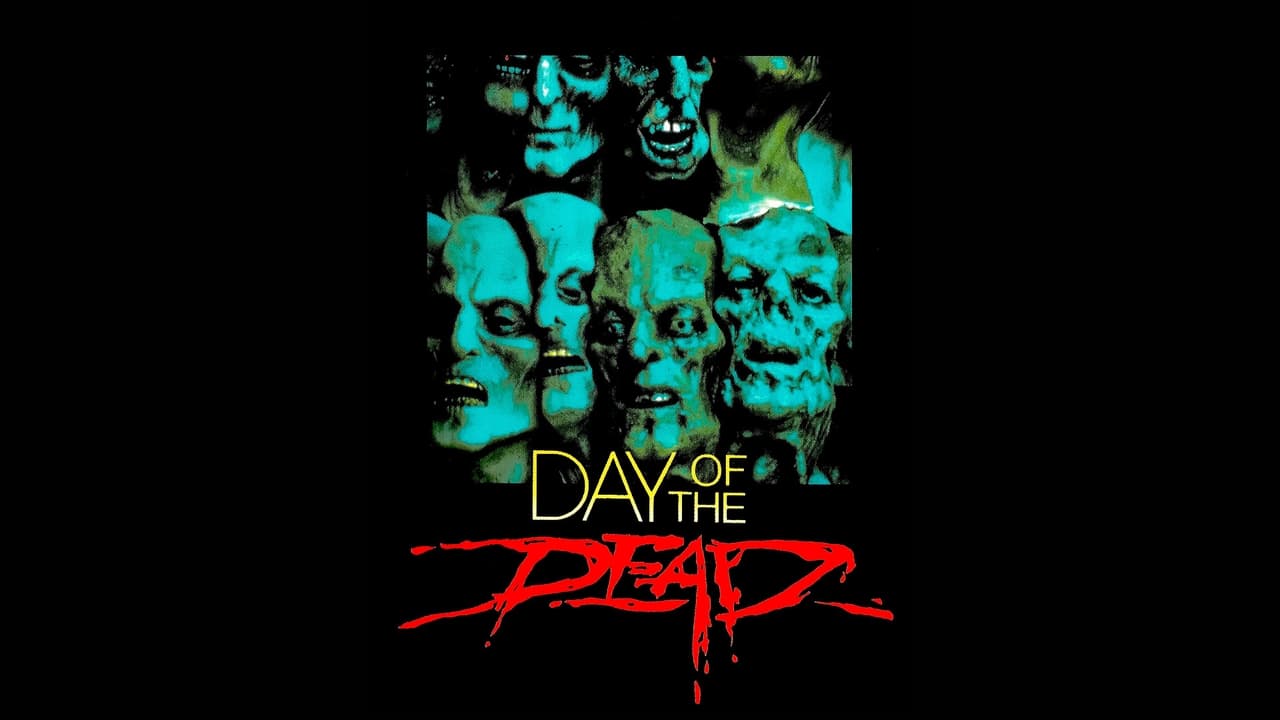
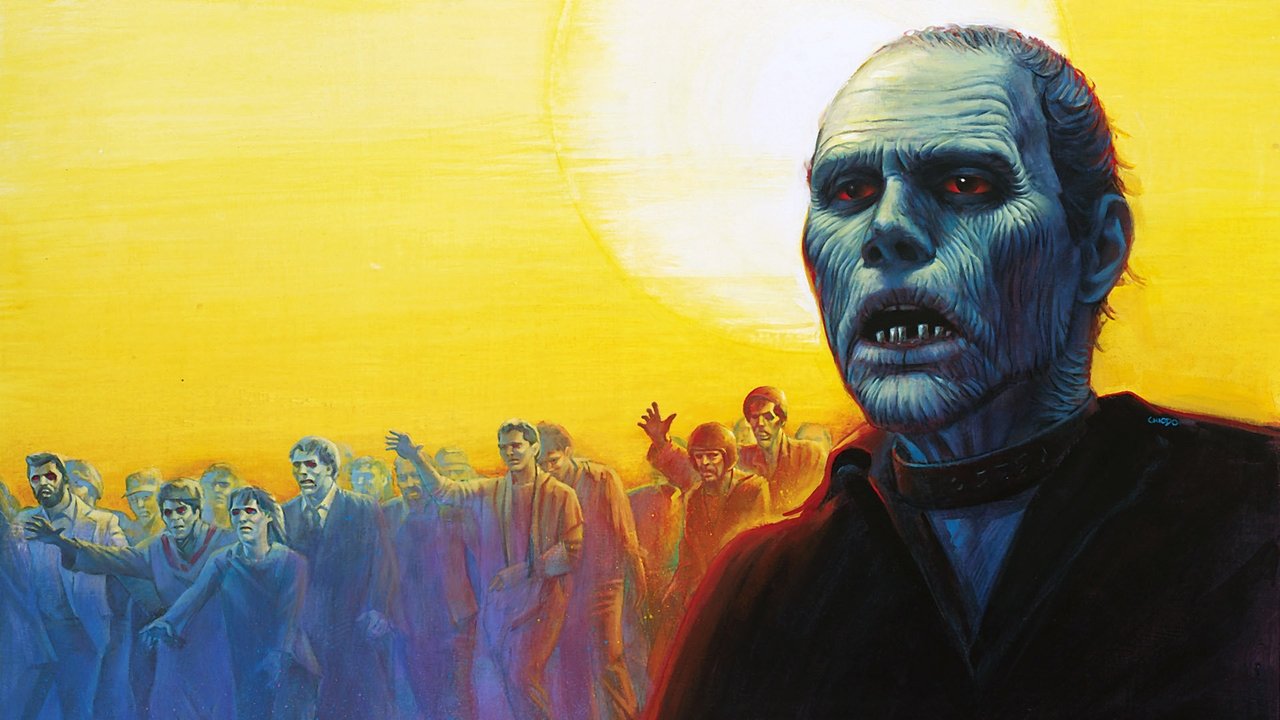
This film found its real life on the shelves of video stores. While it was a modest theatrical performer, the VHS box art—with that stark, blood-red sun and the haunting silhouette of hands reaching from the earth—became a fixture of the horror section. It was the kind of tape you’d rent on a Friday night, your parents unaware that you were about to witness the most nihilistic social commentary ever disguised as a monster movie. Romero used the "indie" freedom of his production to suggest that our inability to communicate is a far greater threat than any walking corpse.
Day of the Dead is the angriest movie in the Living Dead collection, and that’s why it works. It’s a screaming match held in a tomb, punctuated by some of the most incredible makeup effects in cinema history. While the pacing might feel deliberate compared to modern hyper-edited horror, the payoff is a finale that feels like a literal explosion of repressed rage. It’s dark, it’s loud, and it’s an essential piece of 80s counter-culture filmmaking.
Keep Exploring...
-
Night of the Living Dead
1968
-
Dawn of the Dead
1978
-
Land of the Dead
2005
-
What Ever Happened to Baby Jane?
1962
-
In the Heat of the Night
1967
-

The Conversation
1974
-
Eraserhead
1977
-
Peeping Tom
1960
-

Repulsion
1965
-
Blow-Up
1966
-
Murder on the Orient Express
1974
-
Nosferatu the Vampyre
1979
-
Angel Heart
1987
-
Mississippi Burning
1988
-

The Evil Dead
1981
-

A Nightmare on Elm Street
1984
-
After Hours
1985
-
Rosemary's Baby
1968
-
Creepshow
1982
-
Videodrome
1983