Ladyhawke
"Always together, eternally apart."
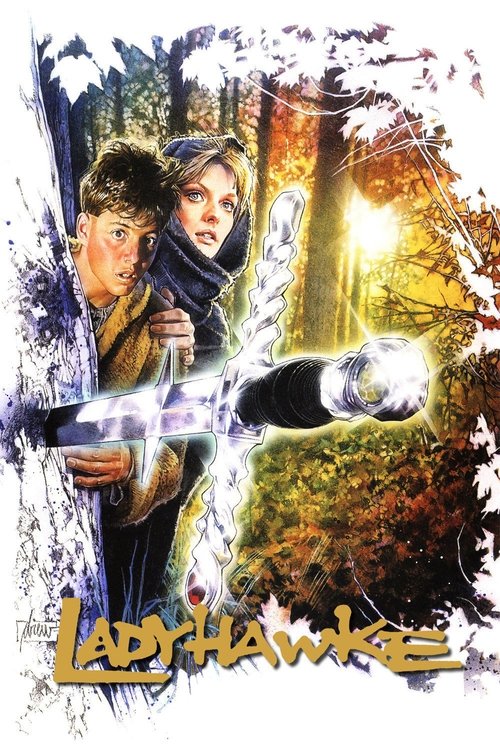
Imagine a medieval epic shot through the lens of a three-time Oscar winner, starring the coolest man in Dutch cinema and the most beautiful woman on the planet, all set to the funky, slap-bass rhythms of a cocaine-fueled 1980s discotheque. If that sounds like a fever dream, you haven’t experienced the tonal whiplash that is Ladyhawke. Released in the crowded summer of '85, this film is a fascinating specimen of the "High Fantasy" boom of the mid-eighties—an era where studios were throwing money at practical effects and European locations, trying to find the next Star Wars in the dirt of the Dark Ages.
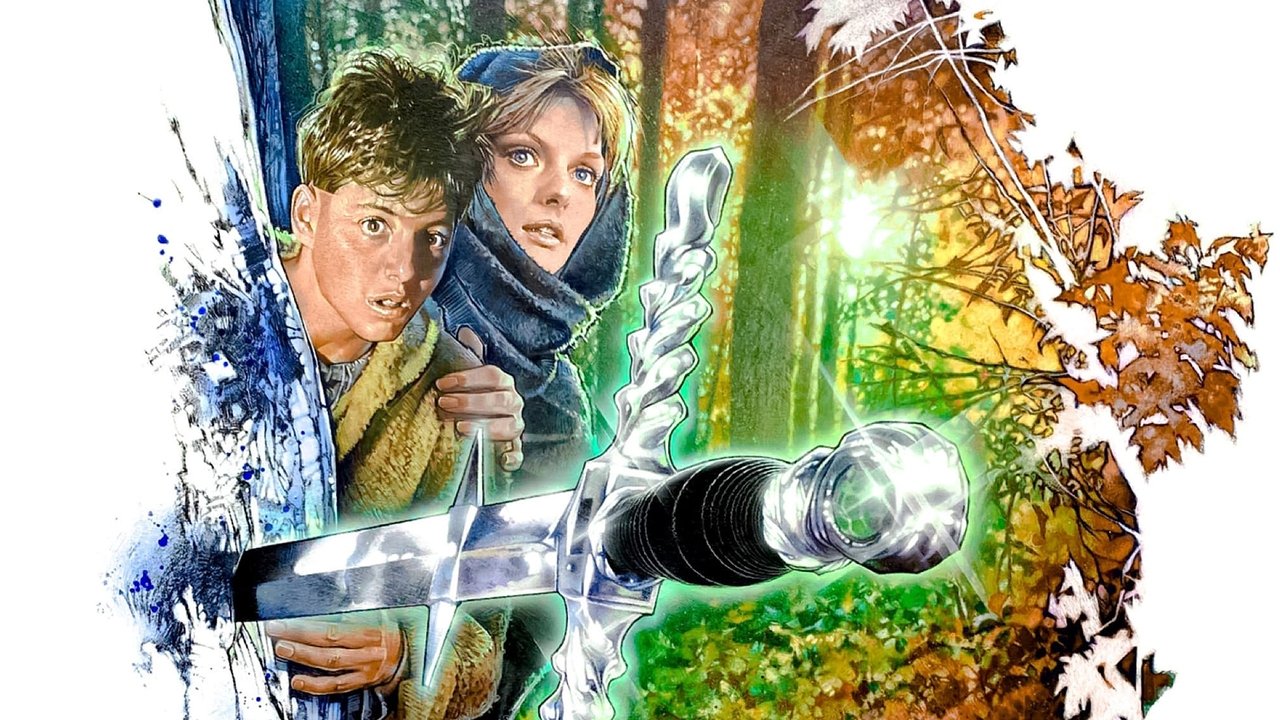
I watched this most recently on a lazy Sunday while my neighbor’s leaf blower provided a rhythmic drone that, strangely, synced up perfectly with the opening credits. It reminded me why I keep coming back to this oddity: it is a movie of staggering beauty and baffling creative choices that somehow, against all logic, manages to be deeply moving.
A Tale of Two Lovers (and one Mouse)
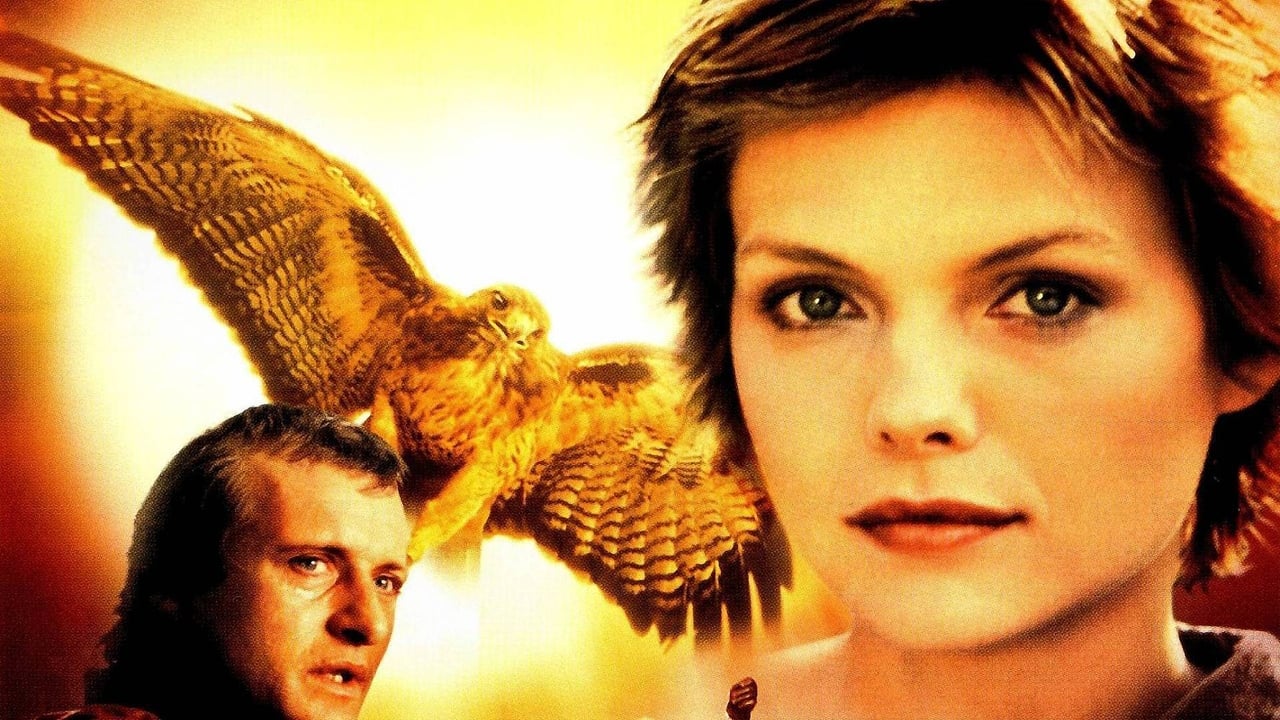
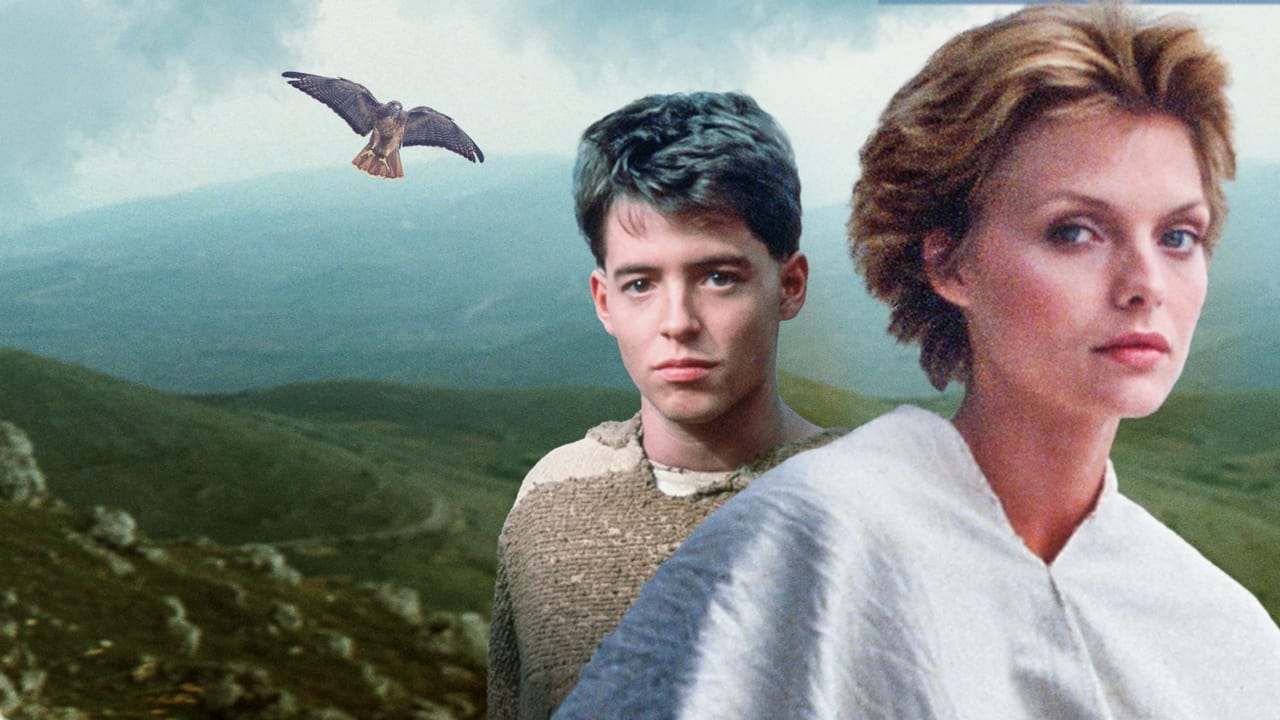
At its heart, Ladyhawke is a high-concept romance. Captain Etienne Navarre (Rutger Hauer, fresh off making us weep for replicants in Blade Runner) and the ethereal Isabeau d’Anjou (Michelle Pfeiffer) are cursed by a jealous Bishop. By day, she is a hawk; by night, he is a wolf. They are "always together, eternally apart," sharing only a few seconds of human contact at dawn and dusk. It’s a premise so poetic it feels like a lost 12th-century lay, but the film grounds this melodrama with its third wheel: Philippe "The Mouse" Gaston, played by a young, motormouthed Matthew Broderick.
Matthew Broderick is essentially playing a medieval version of Ferris Bueller if Ferris spent more time in dungeons and less time on parade floats. He talks to God, cracks wise, and provides the "Comedy" part of the "Adventure, Comedy, Fantasy" genre tags. While his 1980s quips can occasionally pull you out of the period setting, his chemistry with Rutger Hauer is the secret sauce. Hauer plays Navarre with a grim, stolid intensity—he’s a man who looks like he’s made of granite and sorrow—which makes Broderick’s frantic energy feel necessary. Without the Mouse, the movie might have suffocated under its own gloom.
The Storaro Glow and the Synth Problem
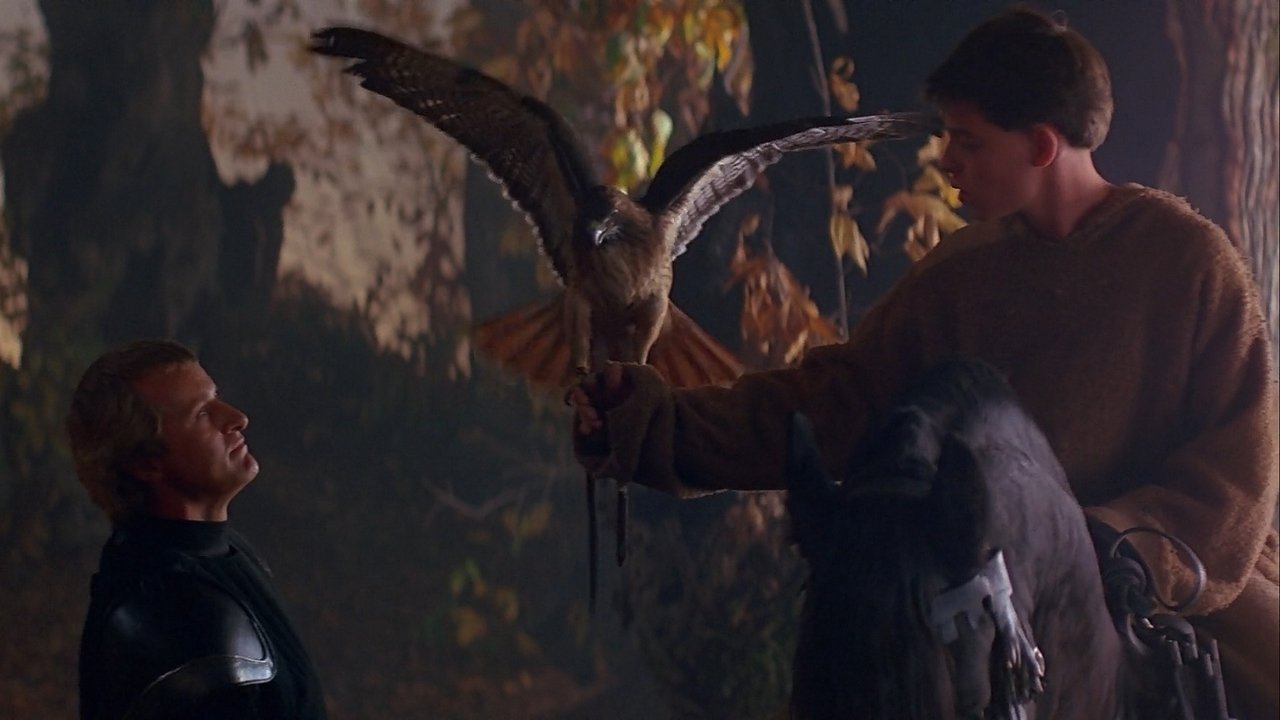
The real MVP here, however, is behind the camera. Director Richard Donner (who gave us the definitive Superman and would soon launch Lethal Weapon) had the genius to hire Vittorio Storaro. Yes, the man who shot Apocalypse Now and The Last Emperor turned his eye toward the Italian countryside for this film, and it shows. Every frame of Ladyhawke looks like an oil painting. The way the light catches the feathers of the hawk or the glint of Navarre's massive sword is breathtaking.
But we have to talk about the elephant in the room: the score by Andrew Powell. Produced by Alan Parsons, it is a pure, unadulterated 1985 synth-pop explosion. When a knight in full plate armor charges across a bridge, you expect a sweeping orchestral swell; instead, you get a drum machine and a Moog synthesizer. The soundtrack is essentially a knight fighting a Roland synthesizer in a parking lot, and I love it, even if it’s objectively "wrong" for the genre. It gives the film a weird, temporal friction. It’s a movie that doesn't know if it wants to be a classic legend or a music video, and that identity crisis is exactly what makes it a Popcornizer favorite.
The Practical Magic of the Pre-CGI Era
One of the reasons Ladyhawke has aged with such dignity (soundtrack aside) is the reliance on practical stunts and real animals. There are no digital wolves or "weightless" CGI birds here. When you see a hawk soaring through the rafters of a cathedral, it’s a real raptor, and the handlers did a magnificent job. The fight choreography is also delightfully "clunky" in that authentic, heavy-armor way. The climactic showdown in the cathedral—featuring a very young, very menacing Alfred Molina as the tracker Cezar—feels dangerous because you can see the sweat and the weight of the steel.
The film was a bit of a "box office hawk" (it didn't quite soar, earning less than its $20 million budget), but it found a massive second life on VHS. I remember the big, silver-boxed Warner Home Video tapes at the local rental shop; the cover art promised a gritty action flick, but the movie delivered a soulful, romantic adventure that caught people off guard. It’s a film that demands you meet it halfway. You have to accept the 80s pop beats to get to the 13th-century heart.
Ultimately, Ladyhawke survives its own quirks because of the sheer sincerity of its leads. Michelle Pfeiffer has never looked more radiant, and the tragedy of her and Rutger Hauer’s predicament feels genuine. It’s a reminder of a time when "fantasy" didn't mean a twenty-year cinematic universe, but just a single, well-told story about a man, a woman, and the thief who helped them find the sun. If you can handle the disco-medieval vibes, it's a journey well worth taking.

Keep Exploring...
-
Scrooged
1988
-
The Goonies
1985
-
Lethal Weapon 2
1989
-
Time Bandits
1981
-
The Adventures of Baron Munchausen
1988
-

Bedknobs and Broomsticks
1971
-
The Purple Rose of Cairo
1985
-
Big Trouble in Little China
1986
-
The Princess Bride
1987
-
Maverick
1994
-
Romancing the Stone
1984
-
National Lampoon's European Vacation
1985
-
The Jewel of the Nile
1985
-

An American Tail
1986
-
Lethal Weapon
1987
-

All Dogs Go to Heaven
1989
-

DuckTales: The Movie - Treasure of the Lost Lamp
1990
-

The Witches of Eastwick
1987
-
Monty Python and the Holy Grail
1975
-
The Castle of Cagliostro
1979