Legend
"Even the purest heart can be seduced by Darkness."
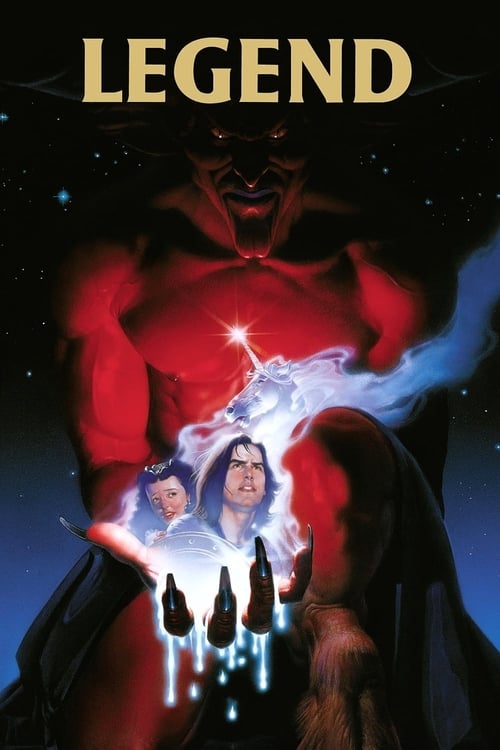
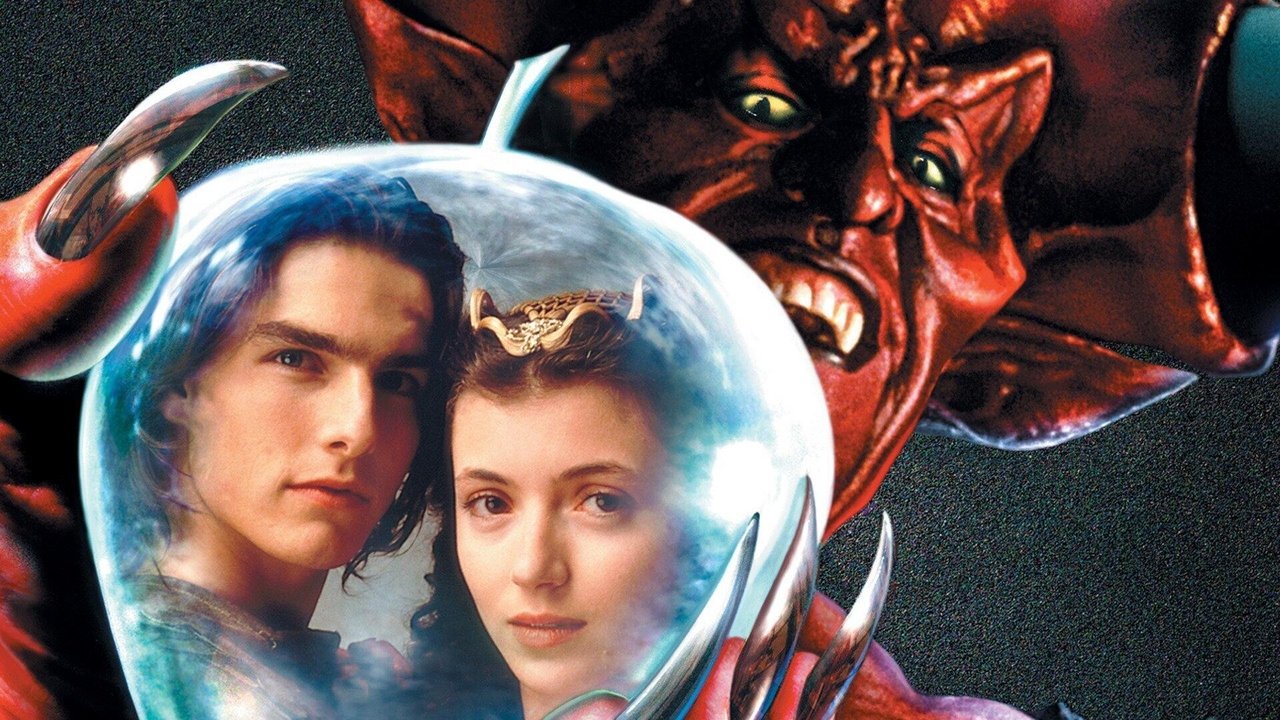
If you ever wondered what would happen if the director of Alien took a handful of hallucinogens and tried to out-Disney Disney, the answer is Legend. Released in 1985, this film feels like a fever dream captured on celluloid. It is a world of shimmering dust motes, perpetual snowfall, and unicorns that look like they stepped off a Trapper Keeper. Ridley Scott (fresh off Blade Runner) wasn't interested in making a "safe" family movie; he wanted to build a dark, textured Grimm-style nightmare that looked like a moving painting.
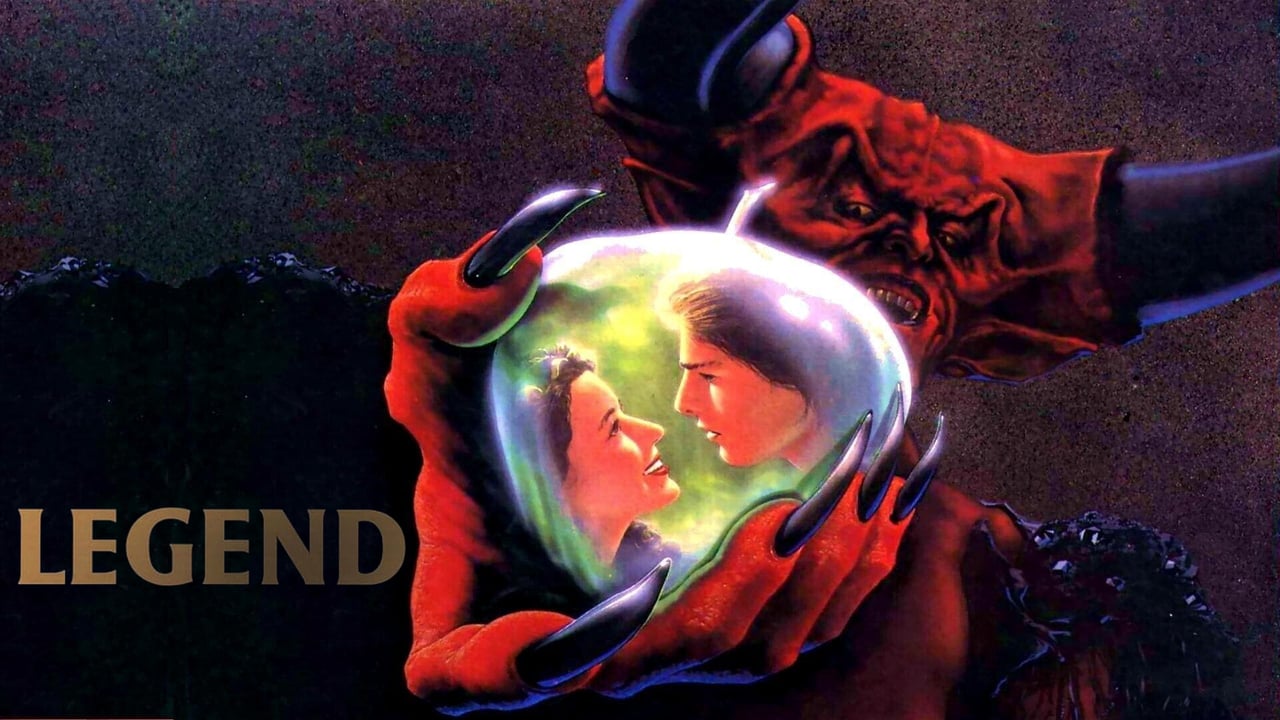
I watched this most recently on a Tuesday night while eating a bowl of cereal that had gone slightly soggy, which felt oddly appropriate for a movie that feels like a beautiful, damp dream. It’s a film that failed spectacularly at the box office, nearly bankrupted its production company, and then found a second life in the sanctuary of the 1980s video store.
The Forest of Practical Magic
The first thing you notice about Legend is that it feels physical. This wasn't shot on a green screen in a warehouse; it was shot on the massive 007 Stage at Pinewood Studios, where Ridley Scott built an entire forest. It’s an absolute marvel of production design, filled with real trees, thousands of dried leaves, and enough glitter to coat a small continent. Legend is the peak of the "Practical Effects Golden Age." When a character walks through the woods, you can practically smell the moss and the decay.
Of course, the production was cursed. The massive set burned to the ground toward the end of filming, which is a very "1980s auteur" problem to have. But what survived on screen is a testament to what artists like Assheton Gorton (Production Design) could do before computers made everything look too clean. The adventure feels earned because the environment feels oppressive. When the world is plunged into an eternal winter by the goblins, the shift from golden sunlight to blue-tinted frost is a masterstroke of Alex Thomson’s cinematography.
Darkness Steals the Show
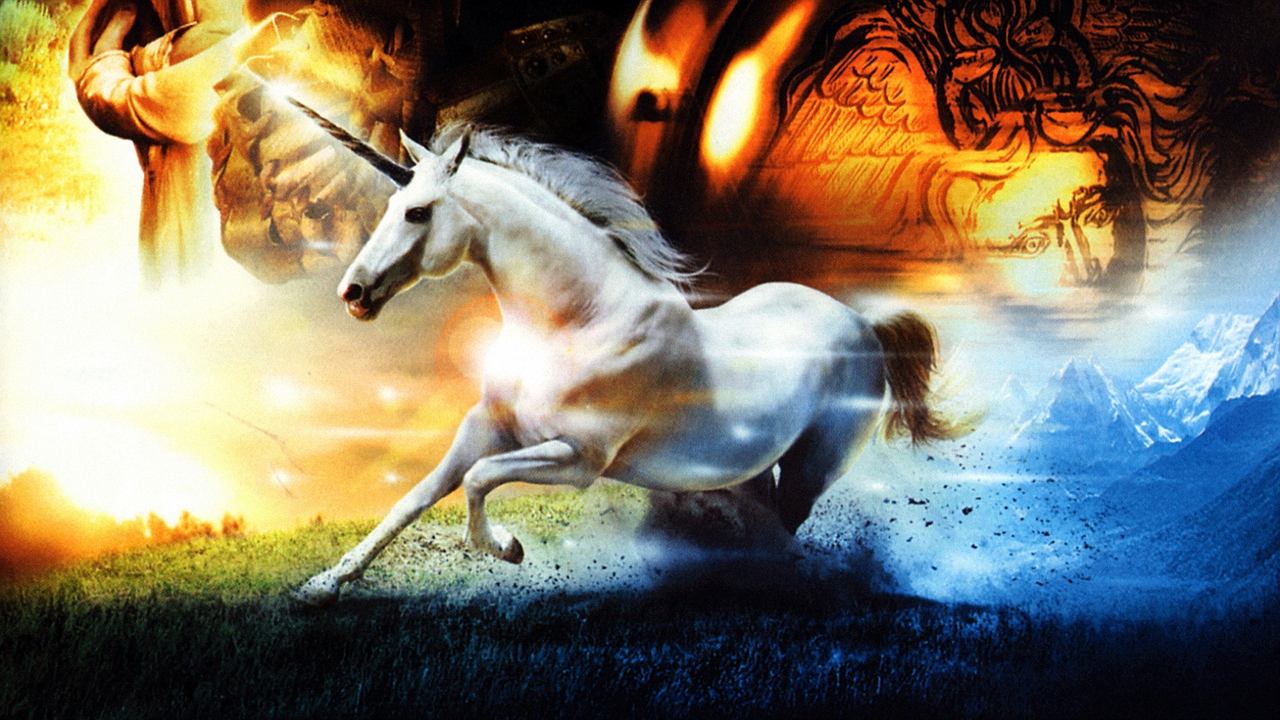
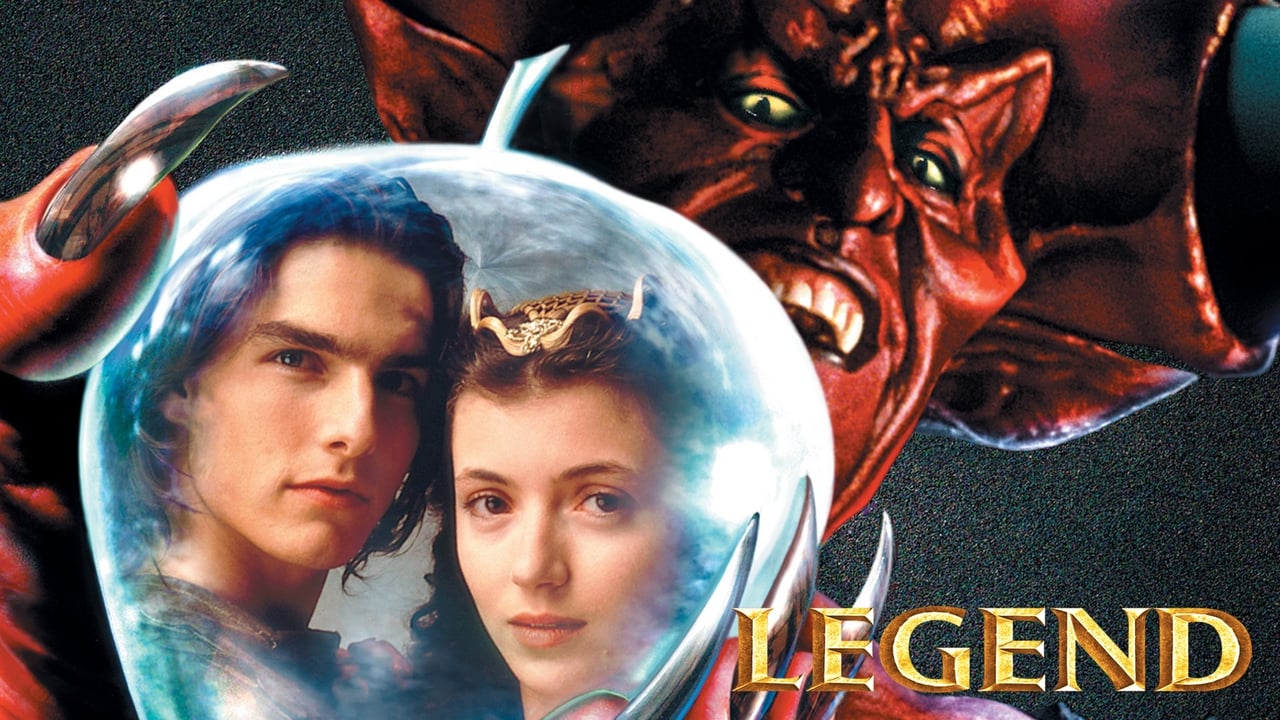
The plot is fairly standard: Jack, a forest dweller who talks to animals, has to rescue Princess Lili and save the last unicorn from the Lord of Darkness. Tom Cruise plays Jack, and it’s a trip to see him here. This is pre-Top Gun Cruise, looking impossibly young and slightly overwhelmed by the sheer scale of the production. To be honest, Jack is basically a sentient piece of driftwood compared to the rest of the cast. He’s the hero because the script says so, but the movie isn't really about him.
The real reason Legend is a cult icon is the Lord of Darkness, played by Tim Curry. Even under pounds of latex and giant prosthetic horns, Tim Curry delivers a performance that is seductive, terrifying, and weirdly charismatic. The makeup, designed by Rob Bottin (the genius behind the creatures in The Thing), is perhaps the greatest practical creature effect in cinema history. Darkness remains the absolute gold standard for practical creature design; he’s a towering, crimson demon that feels like he crawled straight out of a 15th-century woodcut.
Mia Sara, making her film debut as Princess Lili, also puts in more work than the role usually requires. Her "corruption" scene, where she dances in a gothic black gown, is the film's most memorable moment. It’s the kind of high-concept, weirdly adult imagery that characterized 80s fantasy—it wasn't just for kids; it was for anyone who appreciated the macabre.
The Great Soundtrack War

If you find a copy of Legend today, you might be confused by the music. There are two distinct versions, and they represent the classic 80s battle between artistic vision and studio marketing. The original European cut features a lush, orchestral score by Jerry Goldsmith (of The Omen fame). However, for the American release, the studio panicked. They thought the movie was too "European" and "slow," so they stripped Goldsmith’s music and replaced it with a pulsing, synth-heavy soundtrack by Tangerine Dream.
This changed the movie’s DNA. The Tangerine Dream version turns Legend into a dark synth-wave music video, which is how most of us discovered it on VHS. It’s the version I grew up with, and while Goldsmith’s score is objectively "better" film music, there is something undeniably cool about watching goblins plot their crimes to the hum of a Moog synthesizer. This was the era where studios were obsessed with "youth appeal," and Legend is a prime example of a film being remodeled to fit the MTV generation.
Legend is a masterpiece of art direction in search of a better script. It’s a simple quest narrative that occasionally drags, but every time you think about turning it off, something visually stunning happens. Whether it’s Alice Playten as the swamp-hag Blix or the sheer, terrifying presence of the Lord of Darkness, the film refuses to let you look away. It’s an adventure that prioritizes wonder over logic, and in the CGI-heavy landscape of today, its tactile, handmade world feels more precious than ever. Grab the director's cut if you want the "proper" fairy tale, but seek out the theatrical version if you want a heavy dose of 80s atmosphere.
Keep Exploring...
-

Masters of the Universe
1987
-
The Dark Crystal
1982
-

Conan the Destroyer
1984
-
Ladyhawke
1985
-

Return to Oz
1985
-
The Black Cauldron
1985
-
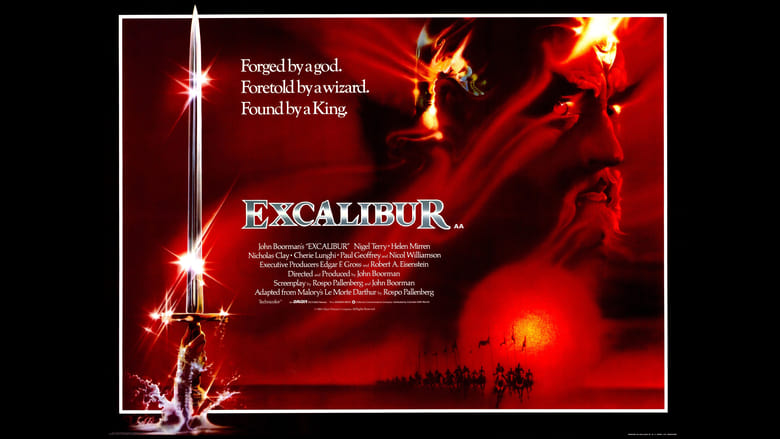
Excalibur
1981
-
Time Bandits
1981
-
The Adventures of Baron Munchausen
1988
-
Willow
1988
-

Bedknobs and Broomsticks
1971
-
King Kong
1976
-
Conan the Barbarian
1982
-
Highlander
1986
-
The Secret of NIMH
1982
-
The NeverEnding Story
1984
-
Flash Gordon
1980
-
National Lampoon's Vacation
1983
-
Superman III
1983
-
Romancing the Stone
1984