National Lampoon's European Vacation
"The Griswolds are taking Europe. May God have mercy on the Queen."
Imagine, for a second, the absolute indignity of standing on a soundstage in 1985, dressed head-to-toe in a foam pig suit, while a frantic game show host screams at you to oink for your dinner. This is how we find the Griswold family at the dawn of National Lampoon's European Vacation. They aren’t just tourists; they are "Pig in a Poke" champions, winning a Pan-Am flight to London and a whirlwind tour of the Continent that effectively serves as a ninety-minute wrecking ball aimed at every UNESCO World Heritage site in its path.
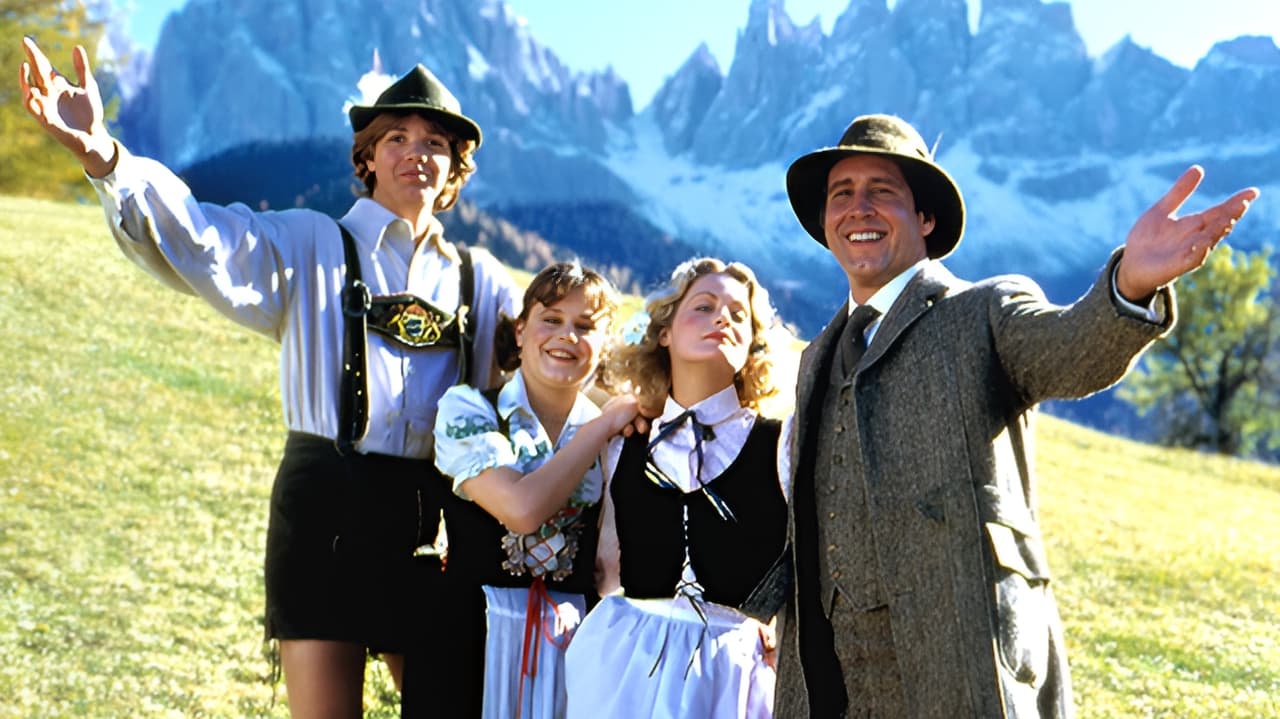
I watched this recently while nursing a mild case of the flu and eating a bowl of cold spaghetti, and I’m convinced the slightly hallucinogenic haze of a fever is actually the optimal way to experience this movie. It’s a sequel that feels less like a structured narrative and more like a collection of postcards sent by a relative who’s having a nervous breakdown in front of the Louvre.
The Curse of the Middle Child
Sandwiched between the genre-defining brilliance of the 1983 original and the perennial holiday warmth of Christmas Vacation, European Vacation is often dismissed as the "weird one." It’s the only film in the core trilogy not directed by Harold Ramis, with the reins handed instead to Amy Heckerling. Fresh off the success of Fast Times at Ridgemont High, Heckerling brings a scrappy, almost sketch-comedy energy to the proceedings.
The most jarring shift for any returning fan is, of course, the children. The franchise’s running gag of recasting the kids starts here, with Jason Lively (who later starred in the cult horror-comedy Night of the Creeps) taking over as Rusty and Dana Hill stepping in as Audrey. They don't quite have the sharp, cynical chemistry that Anthony Michael Hall and Juliette Lewis brought to their respective turns, but they perfectly embody the "I’d rather be anywhere else" vibe of mid-80s American teenagers. Jason Lively in particular spends most of the movie looking for a girl named "Claudia" while wearing clothes that look like they were stolen from the set of a John Hughes teen dramedy—which makes sense, given Hughes co-wrote the script.
Look, Kids, Big Ben
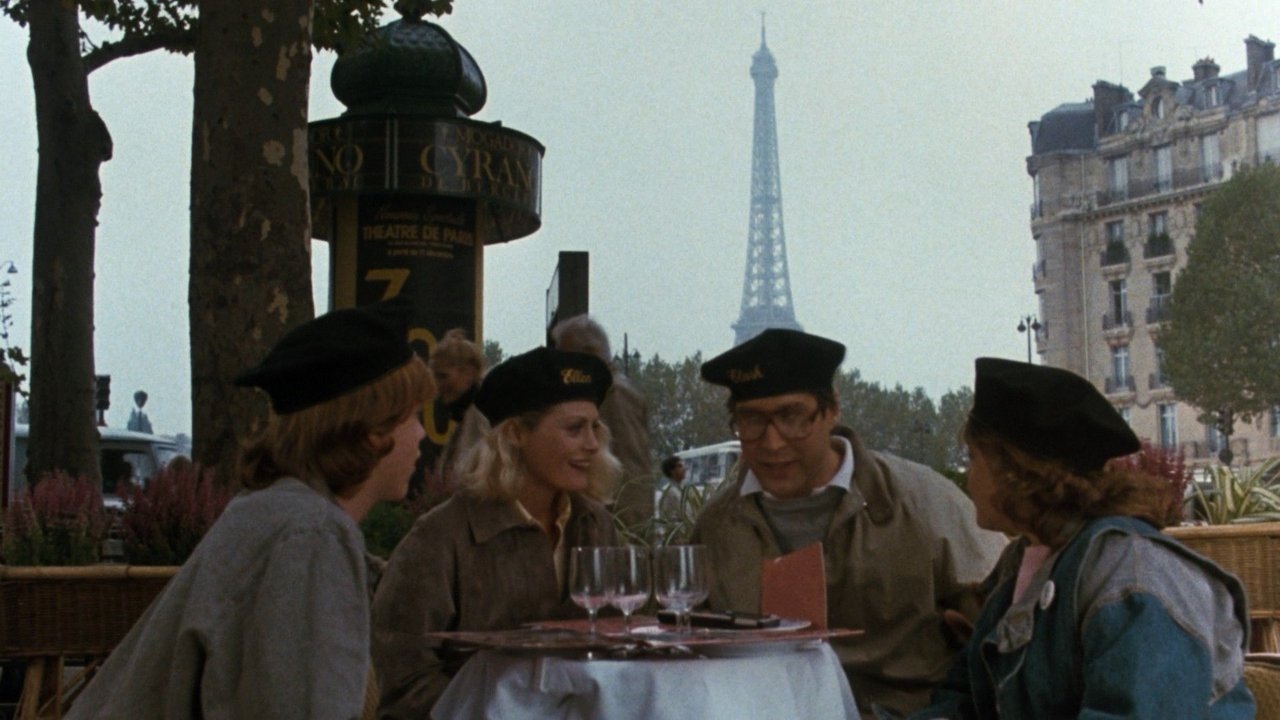
The film’s greatest strength—and the reason it was a staple of my local video store’s "Comedy" section for a decade—is its commitment to the "Ugly American" trope. Chevy Chase is at the absolute peak of his bumbling, arrogant powers here. His Clark Griswold is no longer just a dad trying to get to Walley World; he’s a man convinced that if he speaks English slowly and loudly enough, the entire French population will suddenly understand him.
The sequence in the London roundabout remains a high-water mark for the series. "Look, kids, Big Ben! Parliament!" Clark chirps as he remains trapped in a literal and metaphorical loop of his own making. It’s a perfect bit of physical and situational comedy that anyone who has ever tried to navigate a foreign city in a rental car will feel in their soul. It’s a chaotic travelogue where the plot is thinner than a piece of Parisian ham, but when the jokes land, they hit with the force of a Griswold family station wagon.
Then there’s the Stonehenge scene. For years, I genuinely wondered how they got permission to knock over the ancient monoliths. Turns out, the production built a life-sized replica out of styrofoam on a lot in England. Watching Chevy Chase accidentally trigger a Rube Goldberg-style collapse of one of the world's great mysteries is a masterclass in "accidental" destruction. It’s the kind of practical, large-scale stunt work that defined the era—messy, tangible, and wonderfully absurd.
The VHS Texture of the Continent
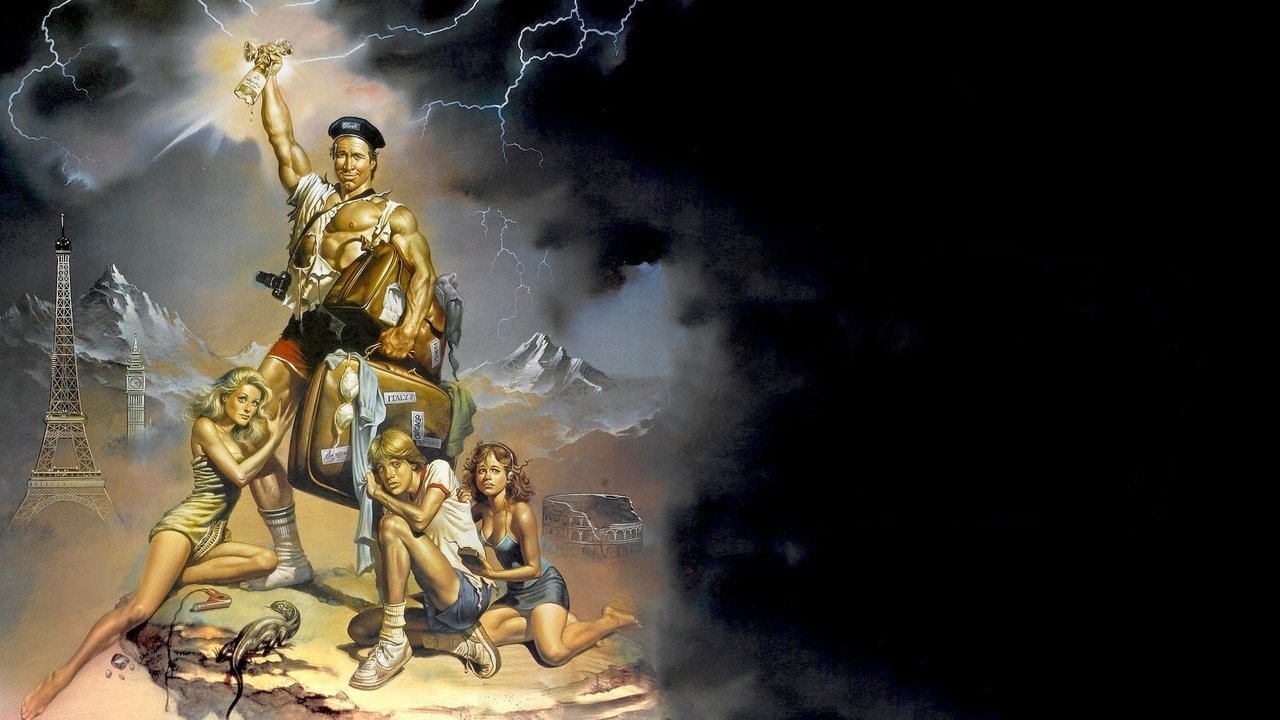
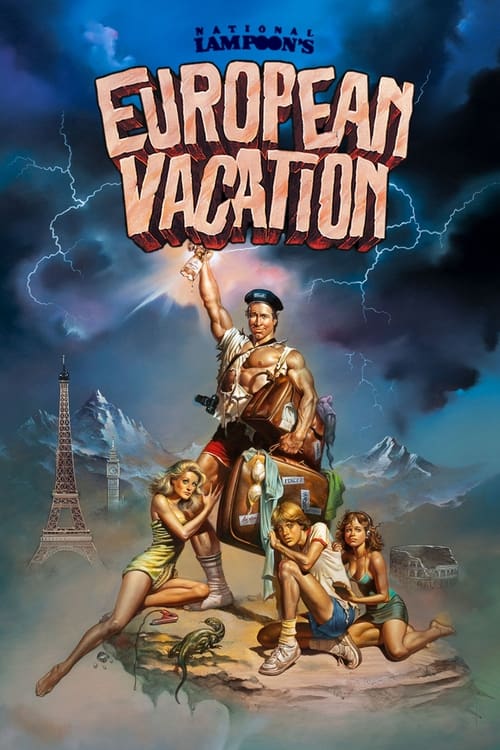
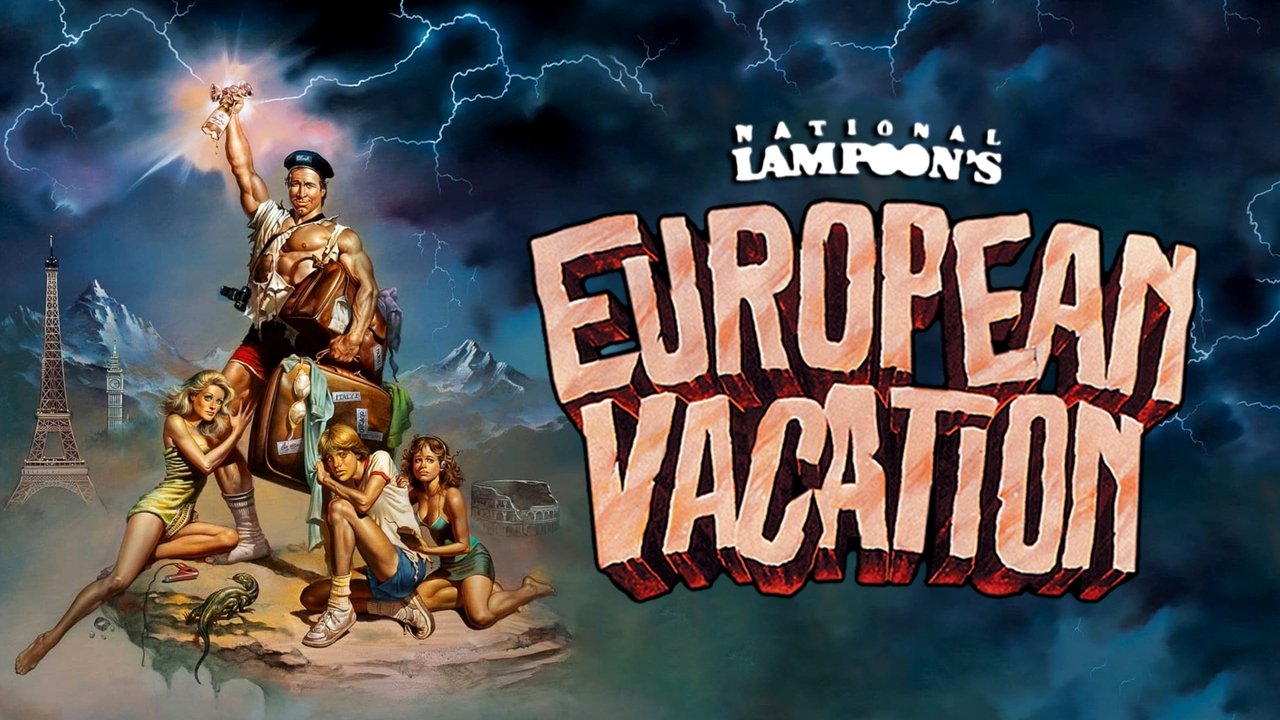
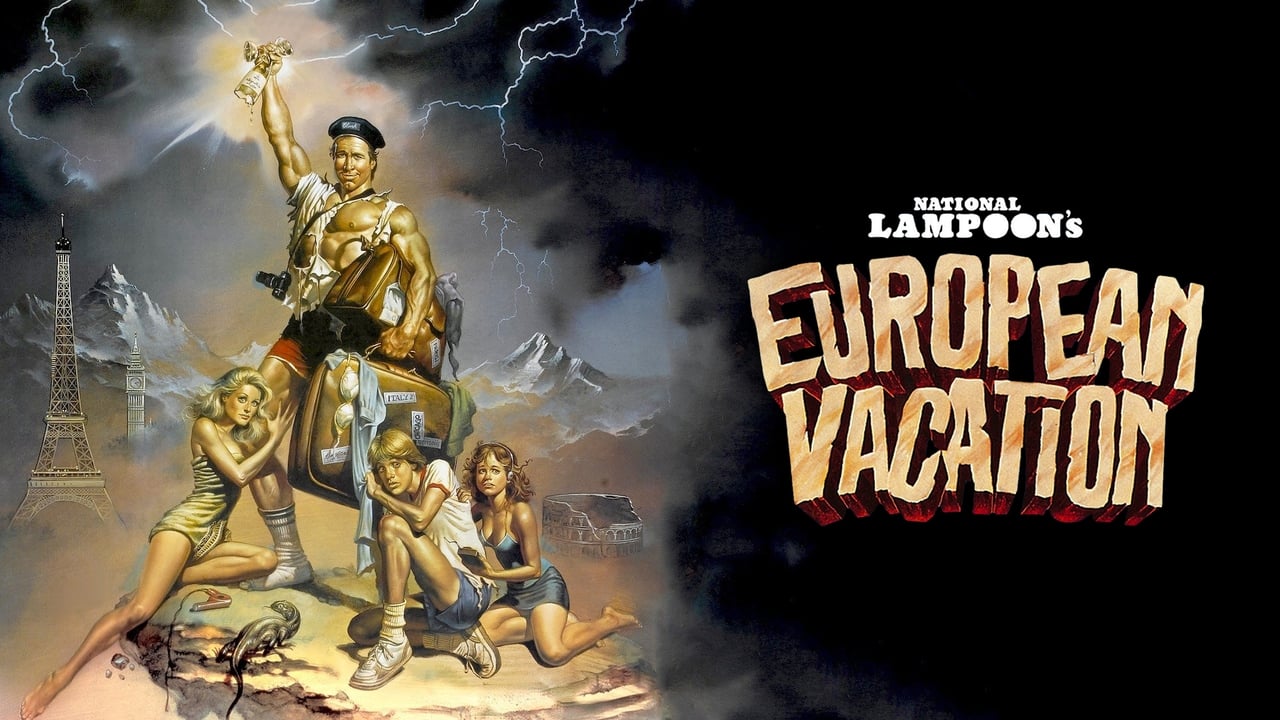
There is a specific way this movie looks that is inextricably tied to the 1980s home video revolution. On a crisp 4K stream, the grain and the matte paintings might look a little exposed, but on a slightly worn-out VHS tape, the film had a cozy, hazy glow. I remember the box art vividly: the family standing in front of the Eiffel Tower, Clark looking triumphant while the rest of the clan looks like they’ve just survived a war.
The movie also features a fantastic, blink-and-you’ll-miss-him performance by Eric Idle (of Monty Python fame) as the world’s most polite road-accident victim. He keeps showing up, getting pulverized by the Griswolds’ car, and apologizing for the inconvenience. It’s a bit of British absurdist humor that bridges the gap between the film’s American slapstick and its European setting.
While it lacks the emotional core of the first film—the "quest" for family unity feels a bit more cynical here—it compensates with pure, unadulterated silliness. From the slap-dance sequence in Bavaria to the chase through the streets of Rome involving Victor Lanoux as a thief, the movie never stops moving. It’s an adventure film that understands the greatest peril of international travel isn't a lack of money or a lost passport; it’s the person you’re traveling with.
National Lampoon's European Vacation isn't a masterpiece, and it’s certainly not the best the Griswolds have to offer. However, it’s a fascinating time capsule of 1985’s cultural anxieties and a playground for Chevy Chase’s unique brand of comedic arrogance. It’s the perfect film for a rainy Sunday when you want to feel better about your own disastrous family trips. If you can get past the recasting and the broad stereotypes, there’s a lot of fun to be had in the wreckage the Griswolds leave behind.
Keep Exploring...
-
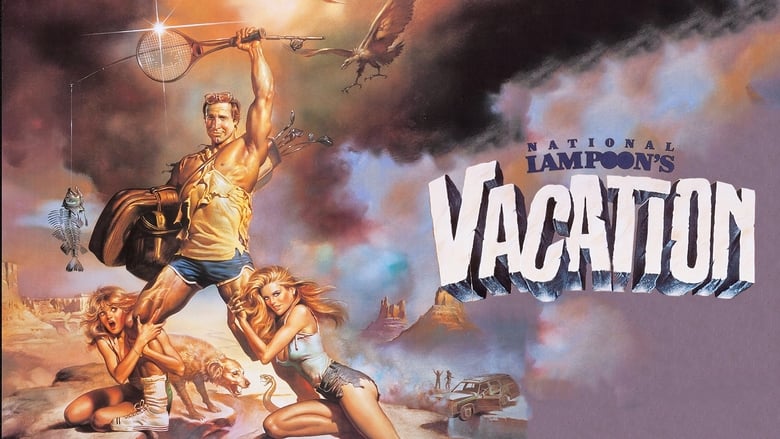
National Lampoon's Vacation
1983
-
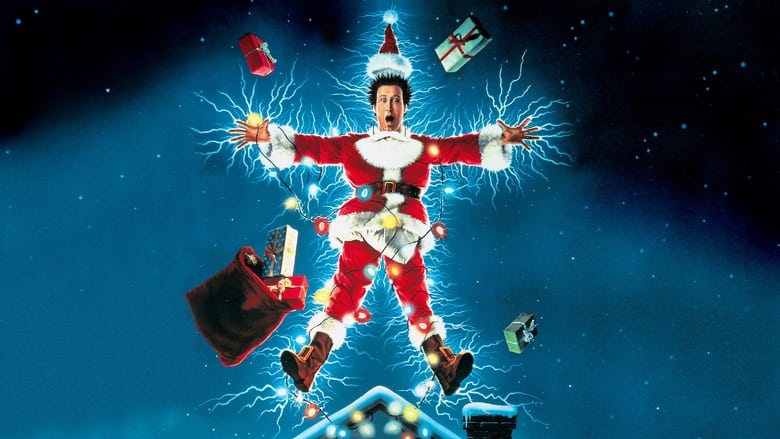
National Lampoon's Christmas Vacation
1989
-
The Jewel of the Nile
1985
-
Romancing the Stone
1984
-
Look Who's Talking
1989
-
Ladyhawke
1985
-

The Golden Child
1986
-
Fast Times at Ridgemont High
1982
-
Weird Science
1985
-

Bedknobs and Broomsticks
1971
-
The Party
1980
-
The Adventures of Baron Munchausen
1988
-

Risky Business
1983
-

An American Tail
1986
-
Cocktail
1988
-
Say Anything...
1989
-
Are We There Yet?
2005
-
Casanova
2005
-

Barely Lethal
2015
-
Superman III
1983