Out of Africa
"A sweeping romance where the landscape outshines the lovers."

"I had a farm in Africa, at the foot of the Ngong Hills."
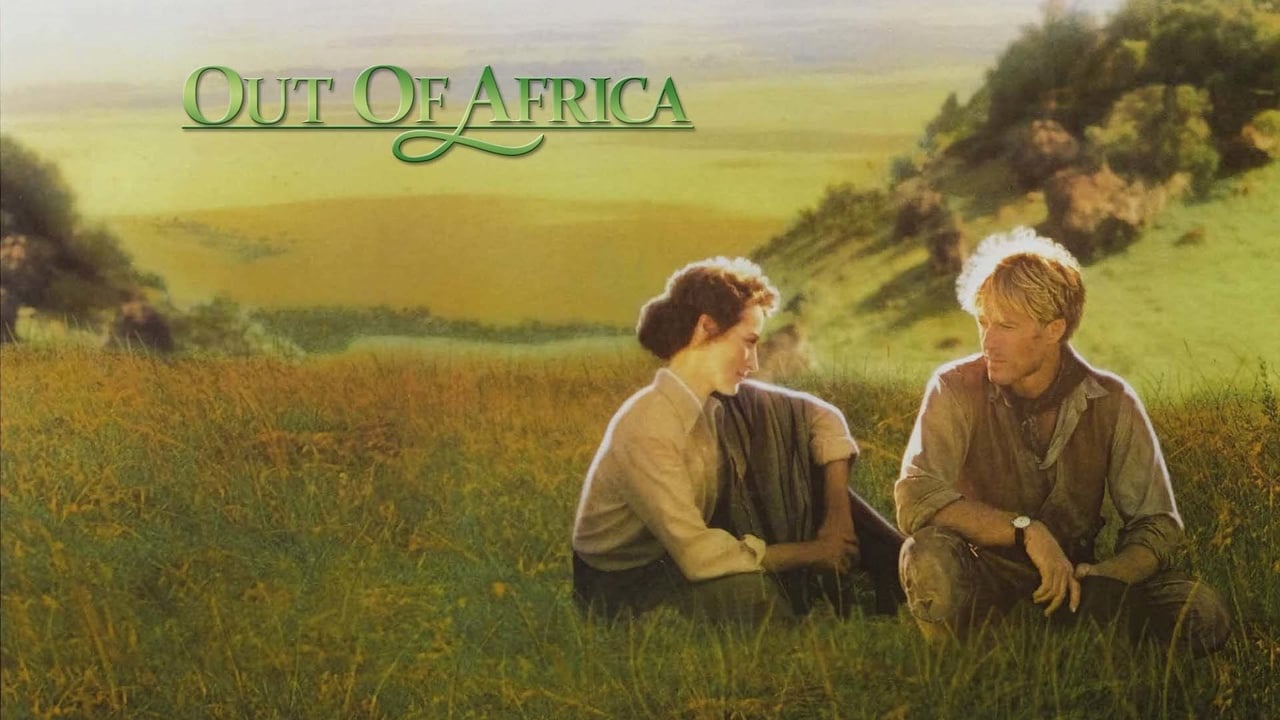
That opening line, delivered in Meryl Streep’s meticulously crafted Danish lilt, doesn’t just start a movie; it sets a mood that lasts for nearly three hours. I remember watching this for the first time on a humid Tuesday night while nursing a moderate sunburn, and the dry, dusty Kenyan vistas on screen made my skin feel ten times tighter. It’s that kind of movie—one where the atmosphere is so thick you can almost smell the woodsmoke and the gin.
Out of Africa arrived in 1985 as the ultimate "prestige" picture. It was the film that signaled Universal Pictures was playing for keeps at the Oscars, eventually walking away with seven of them. It’s a lush, sprawling adaptation of Karen Blixen’s memoirs, and while it’s ostensibly a romance, it’s really a film about the bittersweet agony of trying to own things that are inherently wild.
The Accent and the American Cowboy
The heart of the film is the collision between Meryl Streep as Karen Blixen and Robert Redford as the adventurer Denys Finch Hatton. Their chemistry is a fascinating, if occasionally lopsided, beast. Streep is doing "The Work" here—she’s transformative, rigid, and deeply soulful. She plays Karen as a woman who buys her way into a marriage of convenience with Baron Bror Blixen (a delightfully sleazy Klaus Maria Brandauer, fresh off Never Say Never Again) only to find herself falling in love with a continent that doesn’t particularly want to be tamed.
Then there’s Robert Redford. Let’s be honest: Redford’s refusal to even attempt a British accent is the ultimate "I’m too handsome for phonetics" power move. Director Sydney Pollack (who had already worked with Redford on Three Days of the Condor and The Way We Were) famously decided that a fake accent would distract from Redford’s natural charisma. The result is a character who feels less like a British aristocrat and more like a Wyoming rancher who took a very wrong turn at the Atlantic. Does it work? Strangely, yes. Redford represents the freedom Karen craves, and his rugged, quintessential "Redford-ness" makes him the perfect foil for her European stiffness.
A Sunset Captured on Magnetic Tape
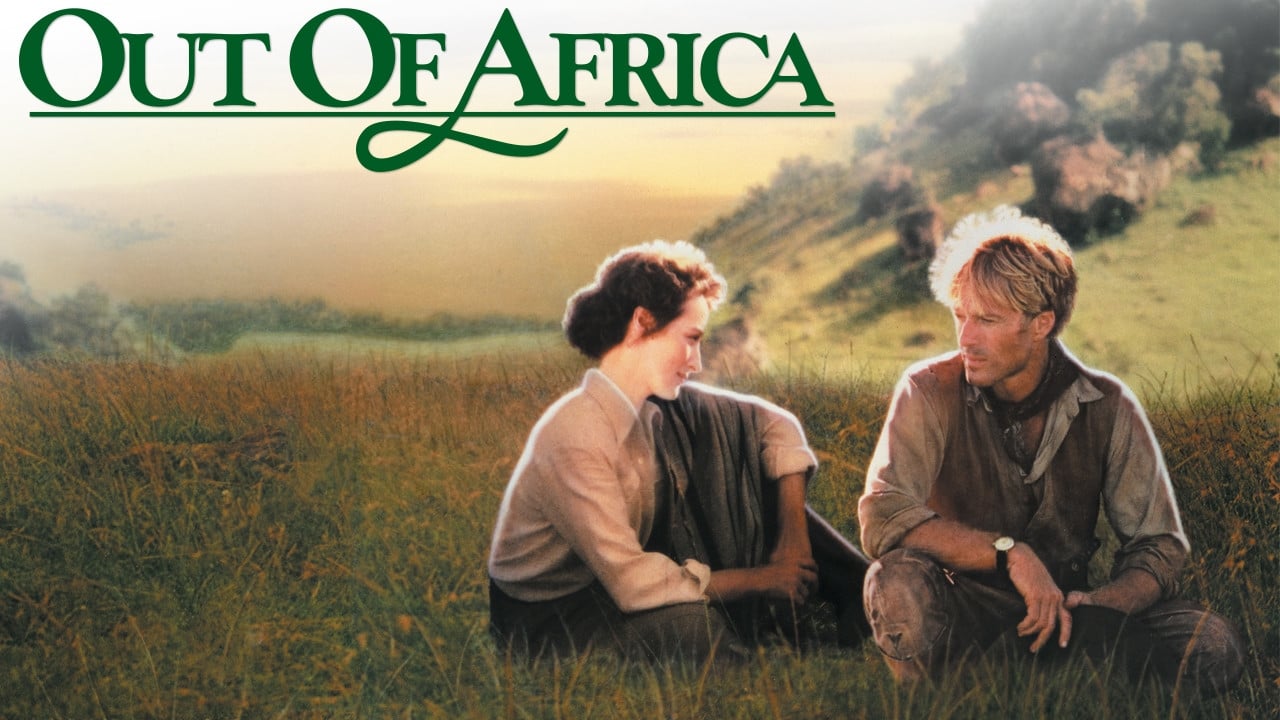
If you grew up in the late 80s or early 90s, your primary relationship with Out of Africa probably wasn’t in a theater; it was through the "Double-VHS" set. This was back when a movie was so "big" it couldn't fit on a single T-120 tape. Owning the two-tape set in that oversized, white plastic clamshell box was a suburban status symbol. It sat on the shelf like a literary classic, whispering that the person who owned it had taste.
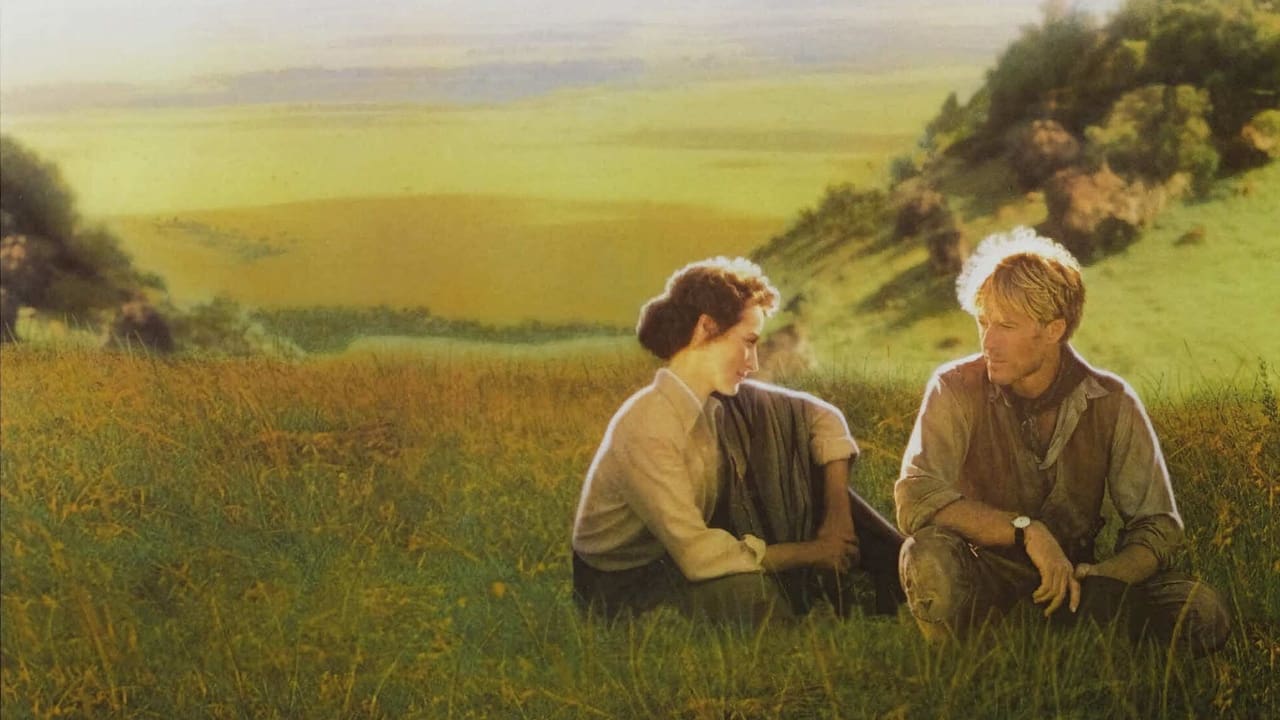
Watching it today, you realize how much we lost when we traded practical, location-based epics for green screens. Sydney Pollack took the crew to Kenya, and cinematographer David Watkin captured the landscape with a golden-hour reverence that feels almost spiritual. There’s a scene where Denys takes Karen up in his Gipsy Moth biplane, and as they fly over the flamingos and the jagged rift valley, John Barry’s soaring score kicks in. It’s one of the most transportive sequences in cinema history.
Interestingly, the production was a logistical nightmare. They had to import trained lions because the local Kenyan lions were too shy (or too smart) to hit their marks. There’s a famous moment where a lioness gets uncomfortably close to Streep during a scene; that look of terror on her face isn't "Method"—it's a woman realizing she might actually get eaten before she finishes her coffee plantation.
The Cost of the Colonial Dream
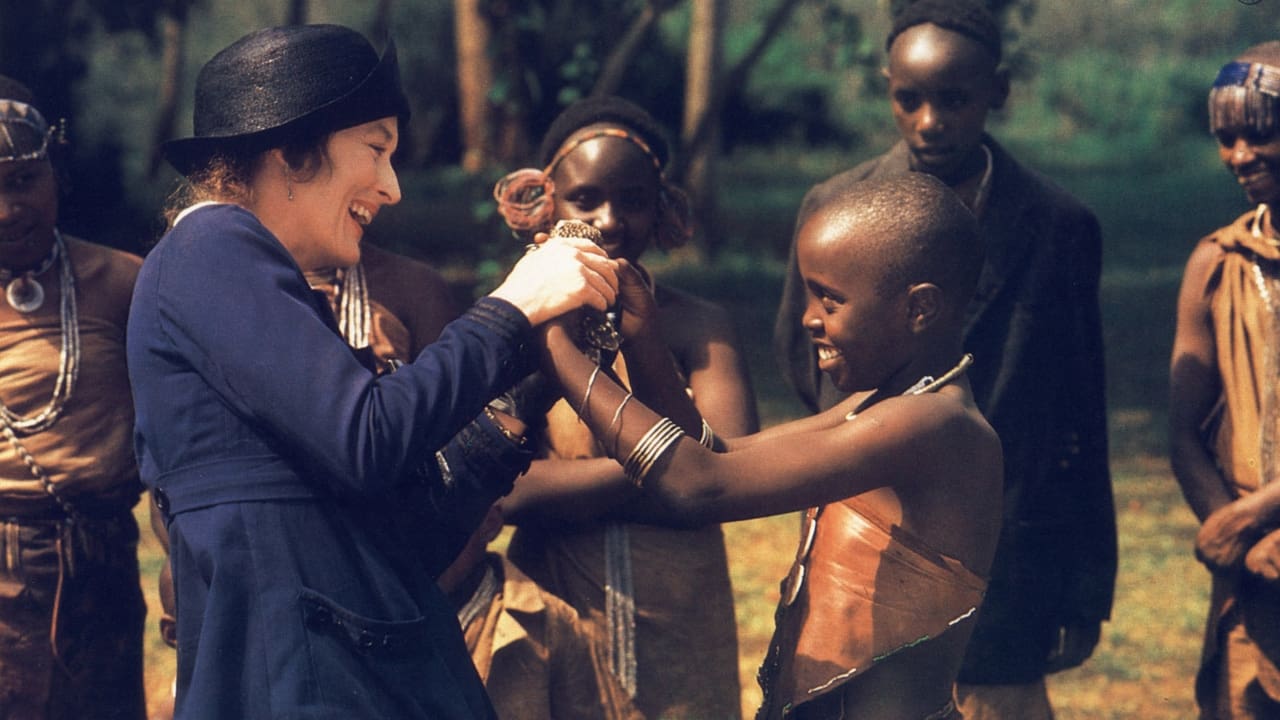
While the film is a masterclass in 80s craft, it’s also a product of its time. It views the colonial era through a very specific, romanticized lens. However, Pollack is smart enough to let some of the darkness seep in. We see the way the British "club" culture excludes Karen, and we see the quiet dignity of her houseman Farah, played with incredible restraint by Malick Bowens.

The film's true conflict isn't just about whether Karen and Denys will stay together; it's about the arrogance of possession. Karen wants to "have" the farm, "have" the Kikuyu people who live there, and "have" Denys. The landscape, the war, and Denys’s own nomadic soul eventually strip all of that away from her. It’s a drama that earns its tears not through cheap sentiment, but through the slow, agonizing realization that we are all just passing through.
If you’re looking for a fast-paced thriller, look elsewhere (perhaps Redford’s Sneakers). But if you have an evening to kill and a desire to be swept away by filmmaking that feels as vast as the Serengeti, put this on. Just make sure you have a drink nearby—that Kenyan sun is a killer.
Out of Africa is the kind of movie they truly don't make anymore—mostly because the insurance premiums for flying Robert Redford in a 1930s plane over actual lions would be astronomical today. It’s long, it’s slow, and it’s unashamedly beautiful. While the romance might occasionally feel as dry as the soil, the sheer craft of the production makes it an essential piece of 80s cinema history. It remains the gold standard for the "prestige epic," proving that sometimes, all you need to win an Oscar is a great accent, a better score, and the most beautiful sunset ever captured on film.
Keep Exploring...
-

Tootsie
1982
-
An Officer and a Gentleman
1982
-

Flashdance
1983
-
The Color Purple
1985
-
Witness
1985
-
The Karate Kid Part II
1986
-
Dirty Dancing
1987
-

Fatal Attraction
1987
-
Moonstruck
1987
-
Working Girl
1988
-
Barry Lyndon
1975
-
Empire of the Sun
1987
-

The Sound of Music
1965
-
Butch Cassidy and the Sundance Kid
1969
-

Three Days of the Condor
1975
-
Doctor Zhivago
1965
-

The Graduate
1967
-
The Elephant Man
1980
-
Gandhi
1982
-
Sophie's Choice
1982