Pale Rider
"Justice has a pale horse and a clerical collar."
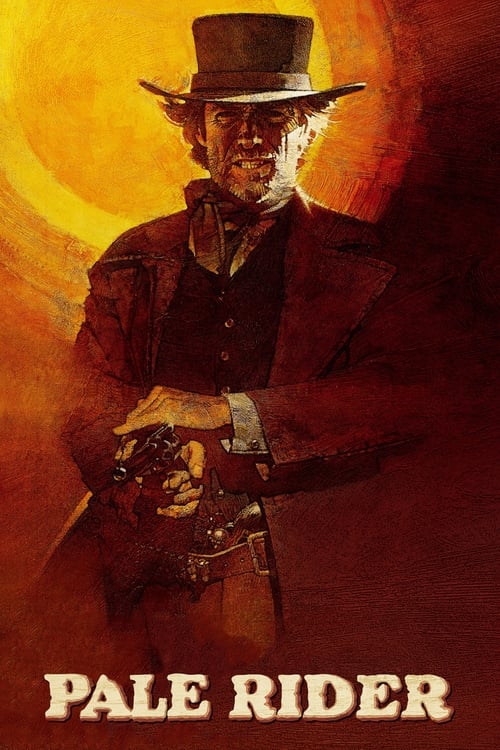
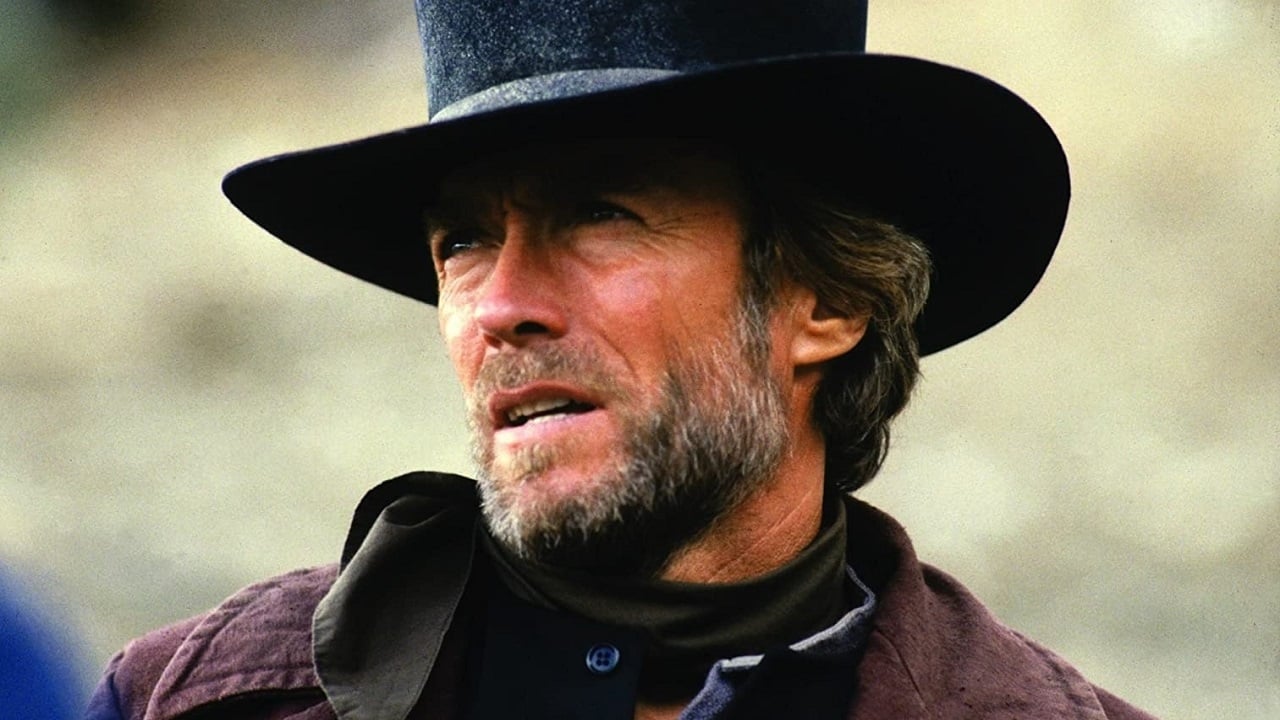
There is a moment early in Pale Rider where Clint Eastwood’s titular character removes his shirt to wash, and the camera lingers on a series of puckered scar tissue marks on his back—bullet wounds that would have killed any mortal man. It’s the kind of subtle, spooky detail that makes this film feel less like a traditional Western and more like a ghost story told around a dying campfire. I first saw this on a rental tape that had a tracking line stuttering across the bottom of the screen, and I once watched it while eating a bag of slightly stale beef jerky; honestly, the jaw-ache from the dried meat only enhanced the gritty, unyielding atmosphere of the prospector camp.
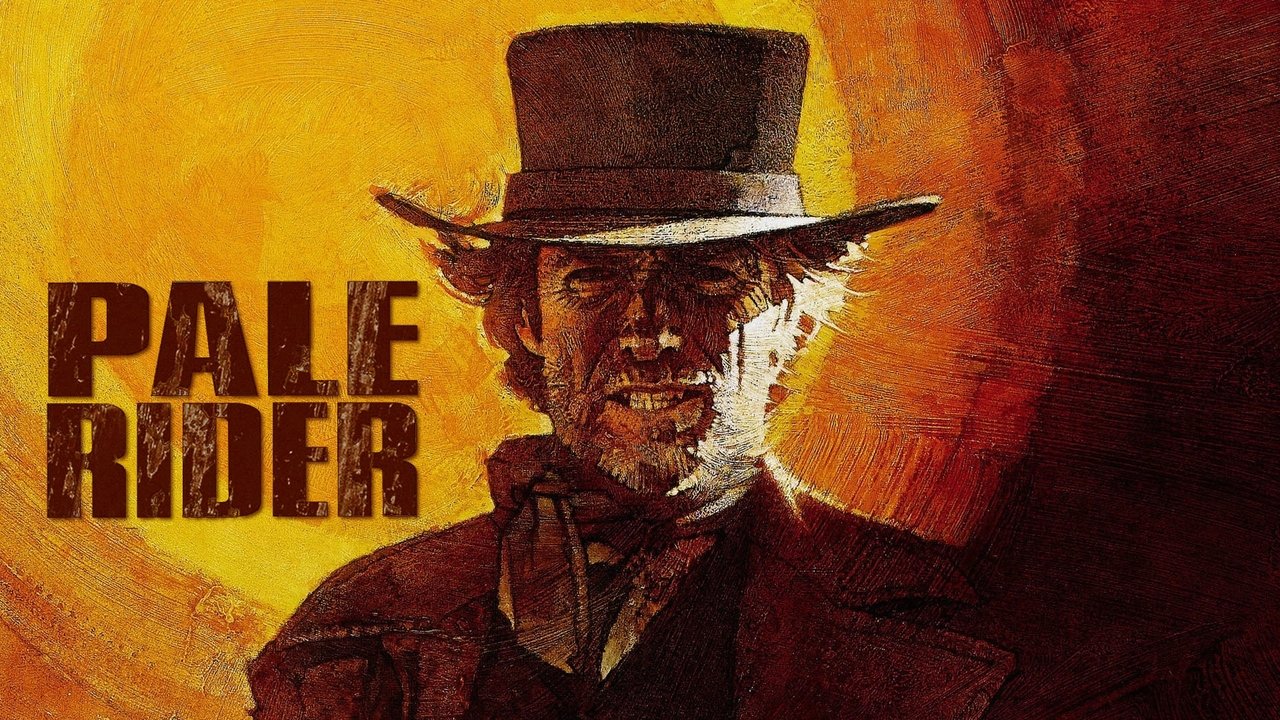
By 1985, the Western was supposed to be dead and buried, a relic of a Hollywood that no longer existed. But Clint, ever the iconoclast, decided to dig it up, dust it off, and give it a supernatural coat of paint.
The Prince of Darkness and the Pale Horse
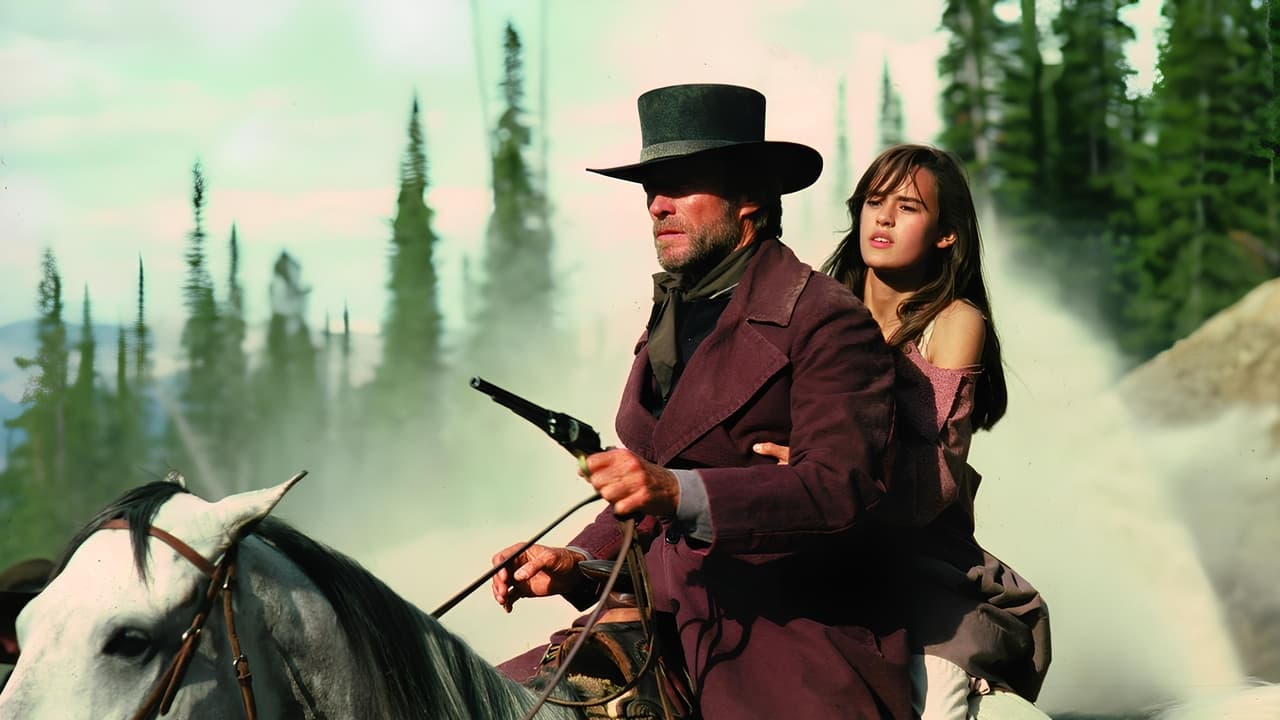
The first thing you notice about Pale Rider is how it looks. Clint Eastwood brought in his frequent collaborator, cinematographer Bruce Surtees, known in the industry as the "Prince of Darkness." In an era where 80s blockbusters were often brightly lit and neon-soaked, this movie is defiantly dim. Surtees uses natural light to an almost claustrophobic degree. Inside the prospectors' shacks, the faces are swallowed by shadows, illuminated only by the flicker of a hearth or a stray beam of mountain sun.
This visual choice isn't just for style; it reinforces the film’s central mystery. Is the Preacher a man, or is he a literal manifestation of the prayer whispered by young Megan Wheeler (Sydney Penny)? When he rides into the frame on that white horse—referencing the Book of Revelation—he feels like an elemental force. He doesn't just walk into a room; he materializes. Watching this on a CRT television back in the day was a workout for your eyes, as the deep blacks of Surtees’ photography often bled into the wood-grain plastic of the TV set itself, making the Preacher feel like he was stepping out of your living room wall.
A Masterclass in Quiet Tension
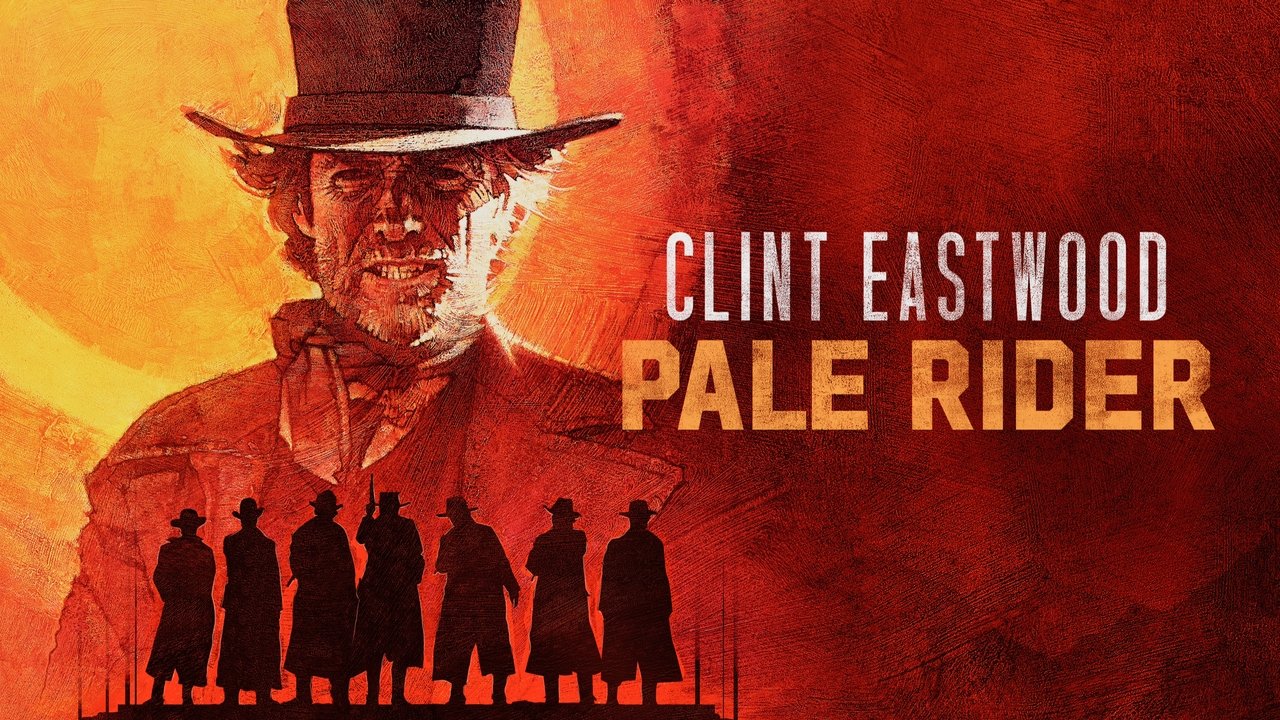
While Clint provides the mythic center, the heart of the film belongs to the prospectors. Michael Moriarty is spectacular as Hull Barret, a man whose backbone is made of decent intentions but lacks the iron needed to fight off a corporate mining conglomerate. His performance is a nervous, twitching contrast to Eastwood’s granite stillness. You truly feel the desperation of these "tin-panners" who are being literally washed away by the high-pressure water cannons of Coy LaHood (Richard Dysart).
The conflict here is a classic "David vs. Goliath" setup, but with a mid-80s corporate greed subtext that feels very much of its time. Richard Dysart plays LaHood not as a mustache-twirling villain, but as a businessman who views the destruction of the environment and human lives as a simple line item on a ledger. And then there’s Chris Penn, who brings a volatile, spoiled-brat energy to the role of LaHood’s son. His presence adds a layer of unpredictable danger that keeps the stakes feeling personal rather than just political. The villainous Marshal Stockburn looks like he’s cosplaying a lethal, high-collared version of Colonel Sanders, but he’s one of the most chilling "final bosses" in Western history.
The Gospel According to the Video Store
For those of us who grew up wandering the aisles of a local video store, the box art for Pale Rider was a permanent fixture. It promised a return to the "Man with No Name" era, but the film is actually much more interested in the emotional toll of violence. It’s an unashamed homage to Shane (1953), right down to the young child shouting after the hero as he rides away into the mountains. However, Pale Rider replaces the Technicolor idealism of the 50s with the cynical, mud-caked reality of the 80s.
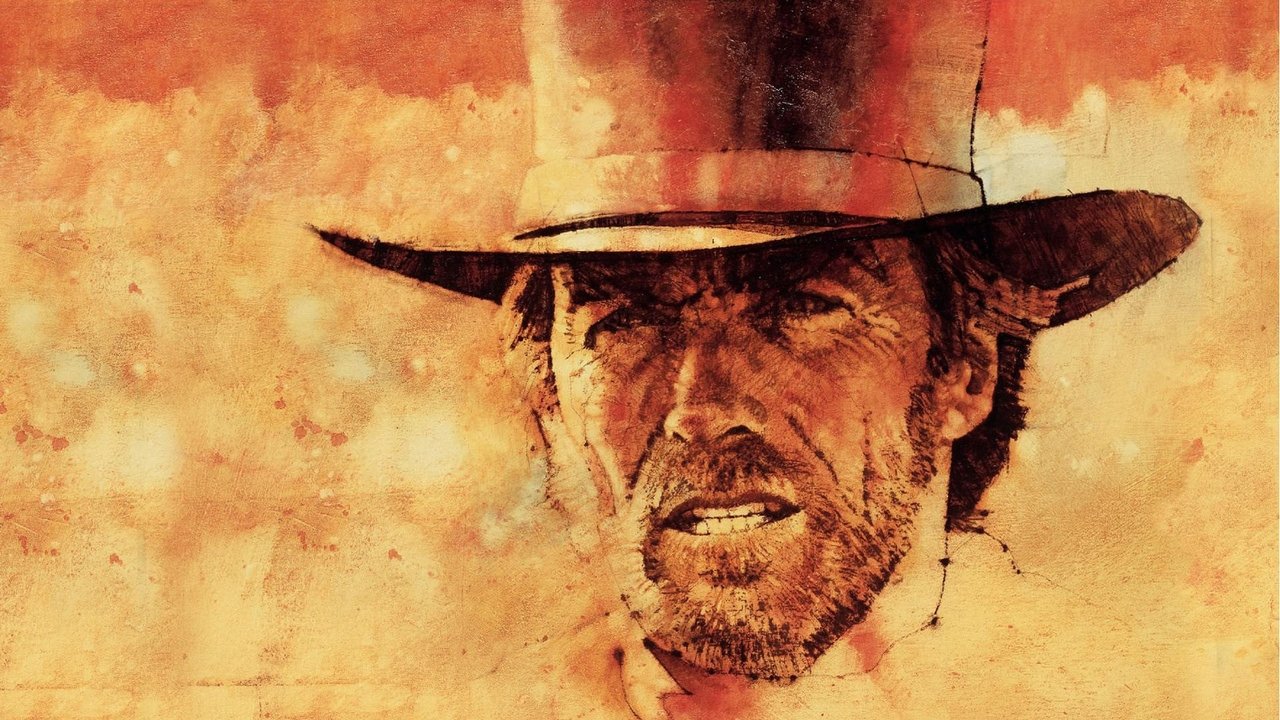
The trivia behind the scenes reflects Clint’s "no-nonsense" directorial style. He famously shot the film in the Boulder Mountains of Idaho, dealing with freezing temperatures and actual snowstorms to get the look he wanted. There’s a scene where the Preacher and Hull Barret work together to smash a massive boulder that’s been preventing them from mining; Eastwood and Moriarty actually spent days swinging those sledgehammers themselves. That’s the kind of practical, sweat-equity filmmaking that you just don't see anymore. They weren't just acting exhausted; they were genuinely trying to break a rock.
Pale Rider is a reminder that the Western didn't die; it just evolved into something more haunting. It’s a film that respects the silence of the wilderness and the weight of a heavy conscience. Whether you’re a die-hard fan of the genre or just someone looking for a moody, atmospheric drama about standing your ground, this one earns every bit of its runtime. It’s the kind of movie that stays with you long after the credits roll, like the faint echo of a horse’s hooves on a mountain trail. It’s Clint at his most mystical, reminding us that sometimes, the only thing more dangerous than a man with a gun is a man with a prayer.
Keep Exploring...
-
High Plains Drifter
1973
-
Heartbreak Ridge
1986
-
The Outlaw Josey Wales
1976
-
¡Three Amigos!
1986
-
Sudden Impact
1983
-
Absolute Power
1997
-

Cry Macho
2021
-

Magnum Force
1973
-
Unforgiven
1992
-
Million Dollar Baby
2004
-
Gran Torino
2008
-
Escape to Victory
1981
-
Sophie's Choice
1982
-

Risky Business
1983
-
The Outsiders
1983
-

The Right Stuff
1983
-
Red Dawn
1984
-
Starman
1984
-
Cocoon
1985
-

Enemy Mine
1985