Police Academy 2: Their First Assignment
"New badge. Same idiots. More chaos."
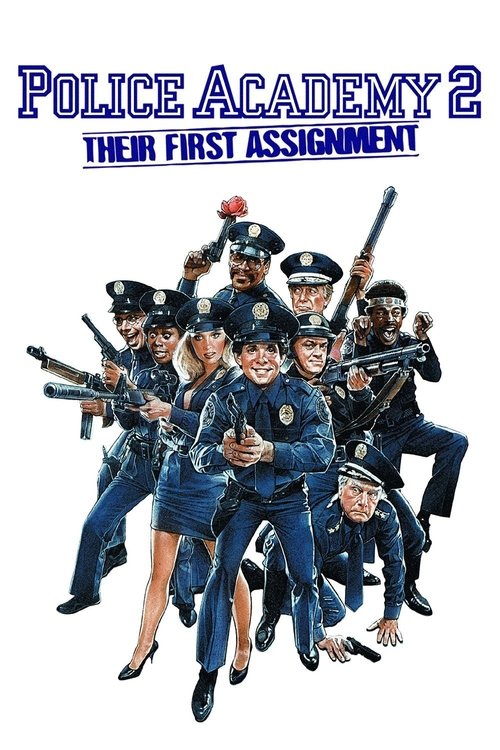
The 1980s had a very specific "texture." If you close your eyes and think of 1985, you probably smell popcorn, hear the hum of a CRT television, and see a vibrant blue police uniform that looks remarkably uncomfortable. Police Academy 2: Their First Assignment is the cinematic equivalent of a Big Mac—you know exactly what’s in it, it’s arguably not great for your intellectual health, and yet, I found myself devouring the whole thing with a grin on my face. I watched this most recent screening while nursing a slightly cold cup of peppermint tea that had a single, lonely biscuit floating in it, and honestly, the absurdity of my soggy snack felt right at home with the nonsense on screen.
From the Academy to the Asphalt
The first Police Academy was a surprise juggernaut, a R-rated romp that somehow morphed into a PG-rated family staple through the magic of edited television broadcasts and ubiquitous VHS rentals. By the time the sequel rolled around, the rough edges were being sanded down to make way for a franchise. We move from the sterile training grounds of the first film to the "gritty" streets of the 16th Precinct. I say "gritty" because 1980s cinematic urban decay always looks like a theatrical set designer went into an alleyway with three cans of spray paint and a pile of artfully arranged cardboard boxes.
Our hero, Steve Guttenberg as Carey Mahoney, is back, and let’s be honest: Mahoney is basically a sentient smirk in a windbreaker. He represents that specific 80s archetype of the "lovable jerk" who succeeds purely through charisma and a refusal to follow the rules. This time, he and his fellow graduates are tasked with taking down a gang of "graffiti terrorists" led by the legendary Zed.
The Bobcat Factor and Practical Pandemonium
If the first movie belonged to the ensemble, this movie is hijacked by Bobcat Goldthwait. As the antagonist Zed, Goldthwait delivers a performance that defies physics and perhaps several health and safety codes. He doesn't just speak; he gargles gravel while undergoing a mild electrical shock. Zed looks like he was raised by a pack of caffeinated hyenas, and his erratic energy is the only thing that keeps the middle act from sagging into a series of disconnected sketches.
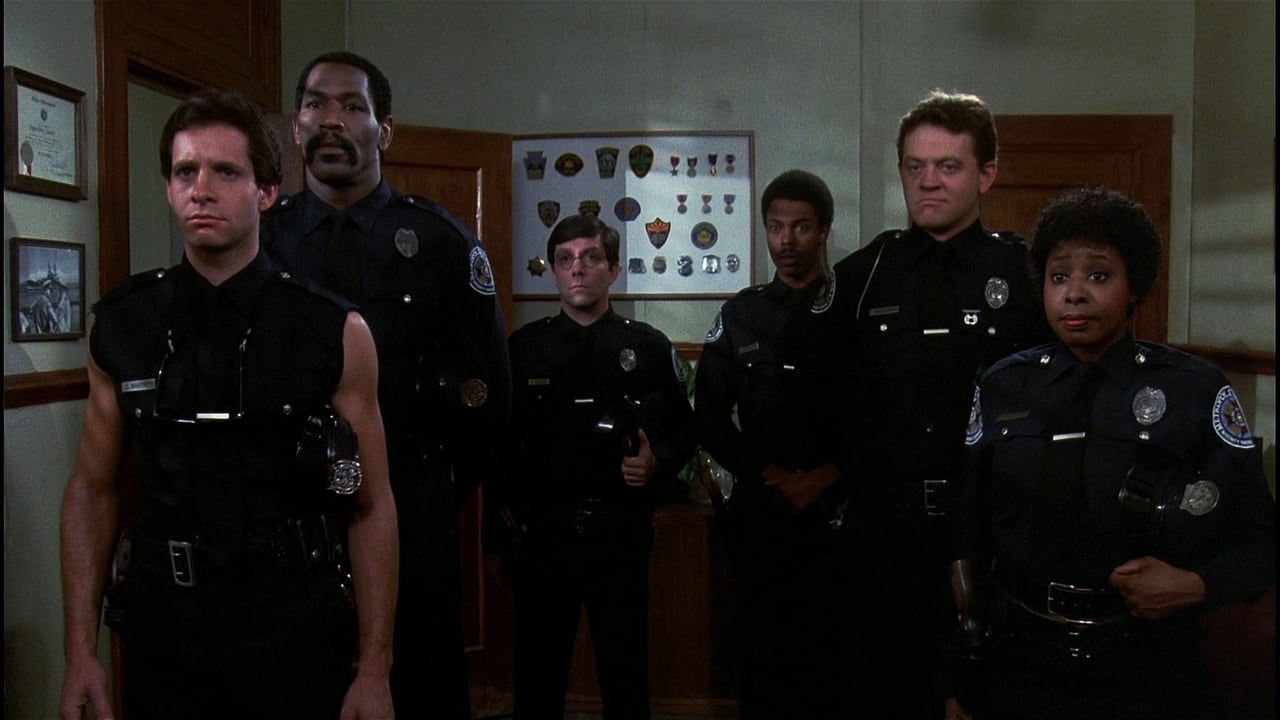
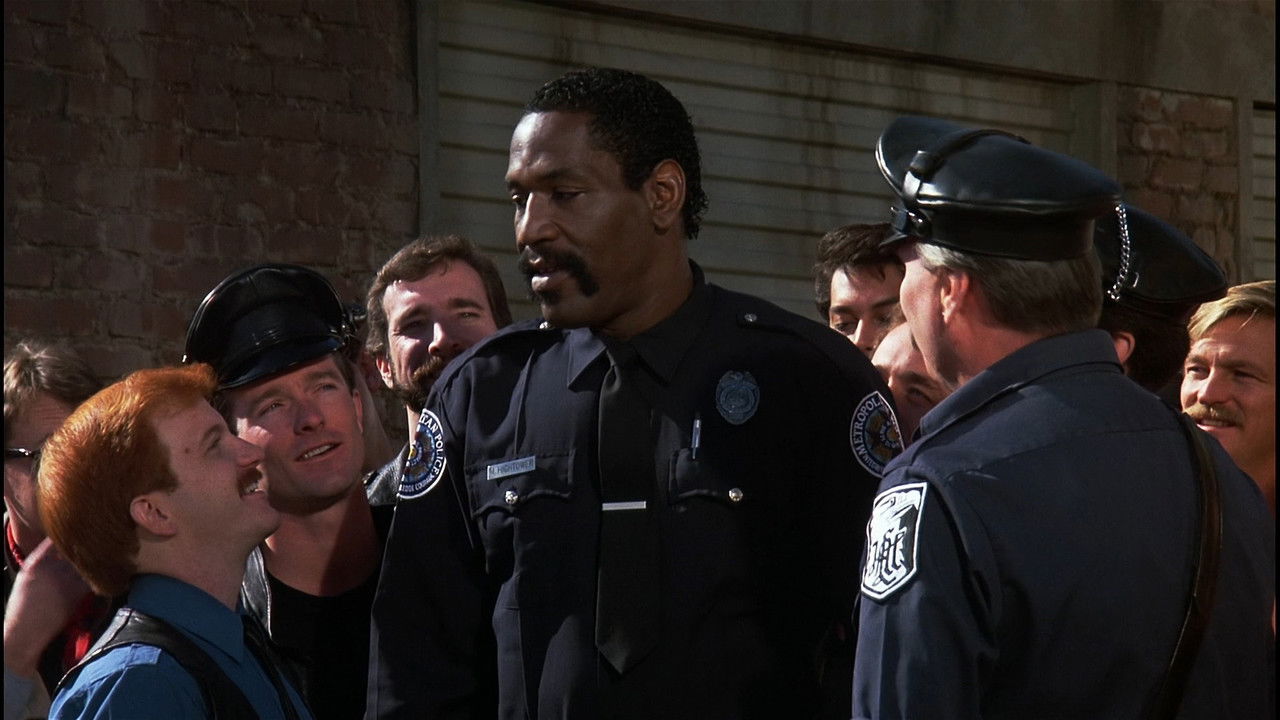
One of the things I miss most about this era of filmmaking is the sheer physicality of the stunts. Before CGI allowed directors to move the camera through solid walls, comedy relied on guys like David Graf (Tackleberry) actually crashing through things or Bubba Smith (Hightower) using his massive frame to physically impose his will on a scene. There’s a scene involving a stakeout in a grocery store that features a level of practical mess—flour exploding, shelves collapsing—that feels "heavy" in a way modern digital destruction never does.
The crew behind the scenes brought some serious pedigree too. Director Jerry Paris was a veteran of The Dick Van Dyke Show, and you can feel that sitcom DNA in the timing. Meanwhile, the screenplay was co-written by Barry W. Blaustein and David Sheffield, who would later write Coming to America (1988). It’s fascinating to see these creators honing their craft on a sequel about a guy who makes funny noises with his mouth.
The VHS Shelf Staple
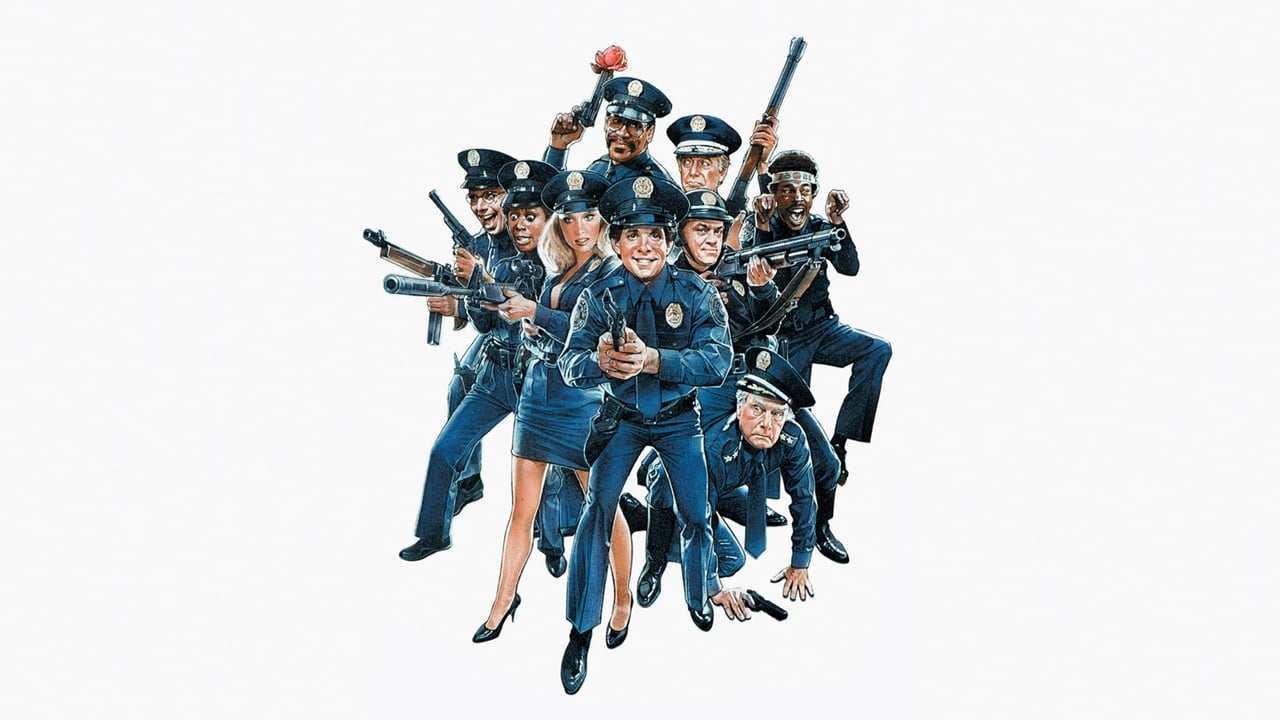
For a certain generation, the cover art for Police Academy 2—the gang leaning out of a squad car, looking like they’re having the time of their lives—is burned into the subconscious. It was a "safe" rental. If the video store was out of Ghostbusters or Back to the Future, you grabbed the red-and-blue box with the "2" on it.

Rewatching it now, the humor is undeniably dated. The movie treats police brutality like a game of Tag, and the gender politics are... well, they’re 1985. However, there’s an earnestness to the "misfit" narrative that still works. We love seeing the underdog win, even if that underdog is Michael Winslow (Larvell Jones) pretending to be a Bruce Lee movie come to life. Winslow remains a marvel; his vocal gymnastics are the closest thing this movie has to a special effect, and they are genuinely impressive.
Interestingly, the film was a massive financial success despite being trashed by critics at the time. It cost about $7.5 million to make and cleared over $55 million at the box office. It’s a reminder that the "critics vs. audience" divide isn't a new phenomenon. People wanted to see Bruce Mahler (Fackler) accidentally cause a massive traffic pile-up, and the film delivered exactly that.
Police Academy 2: Their First Assignment isn't going to win any awards for narrative depth, and the plot is thinner than a piece of single-ply precinct toilet paper. But as a time capsule of 80s slapstick and a showcase for a group of performers who clearly enjoyed each other's company, it’s a total blast. It’s the kind of movie that reminds me why I fell in love with cinema in the first place: sometimes, you just want to see a bunch of idiots save the day. If you can find a dusty copy on a shelf or stream it on a lazy Sunday, it’s well worth 87 minutes of your life.

Keep Exploring...
-

Police Academy 3: Back in Training
1986
-
Police Academy 4: Citizens on Patrol
1987
-
Police Academy
1984
-
48 Hrs.
1982
-
K-9
1989
-
See No Evil, Hear No Evil
1989
-
Turner & Hooch
1989
-
Weekend at Bernie's
1989
-
Cocoon
1985
-
The Pink Panther
1963
-
Batman
1966
-
Beverly Hills Cop II
1987
-
Tango & Cash
1989
-

History of the World: Part I
1981
-
Stripes
1981
-
Airplane II: The Sequel
1982
-
Creepshow
1982
-

Risky Business
1983
-
Superman III
1983
-
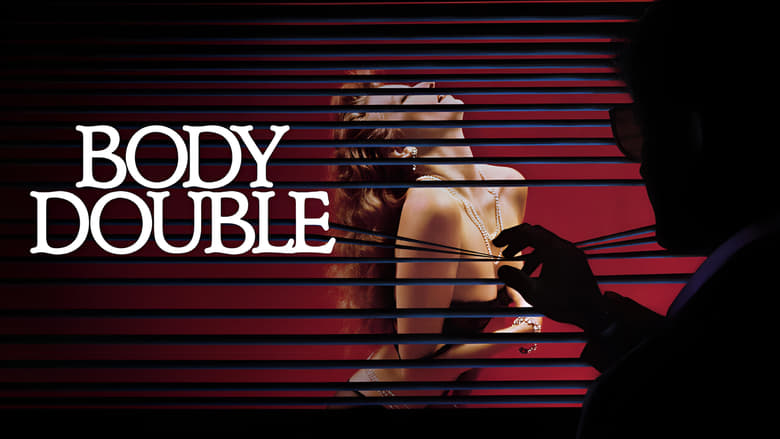
Body Double
1984