Police Story
"Gravity is a suggestion, glass is a lifestyle."
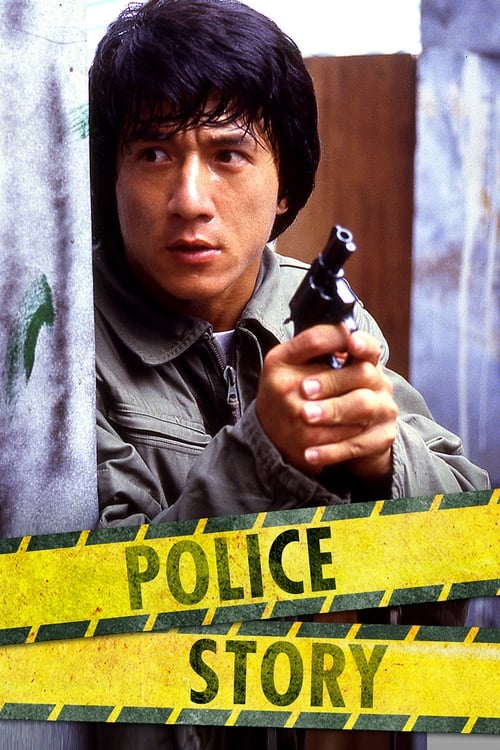
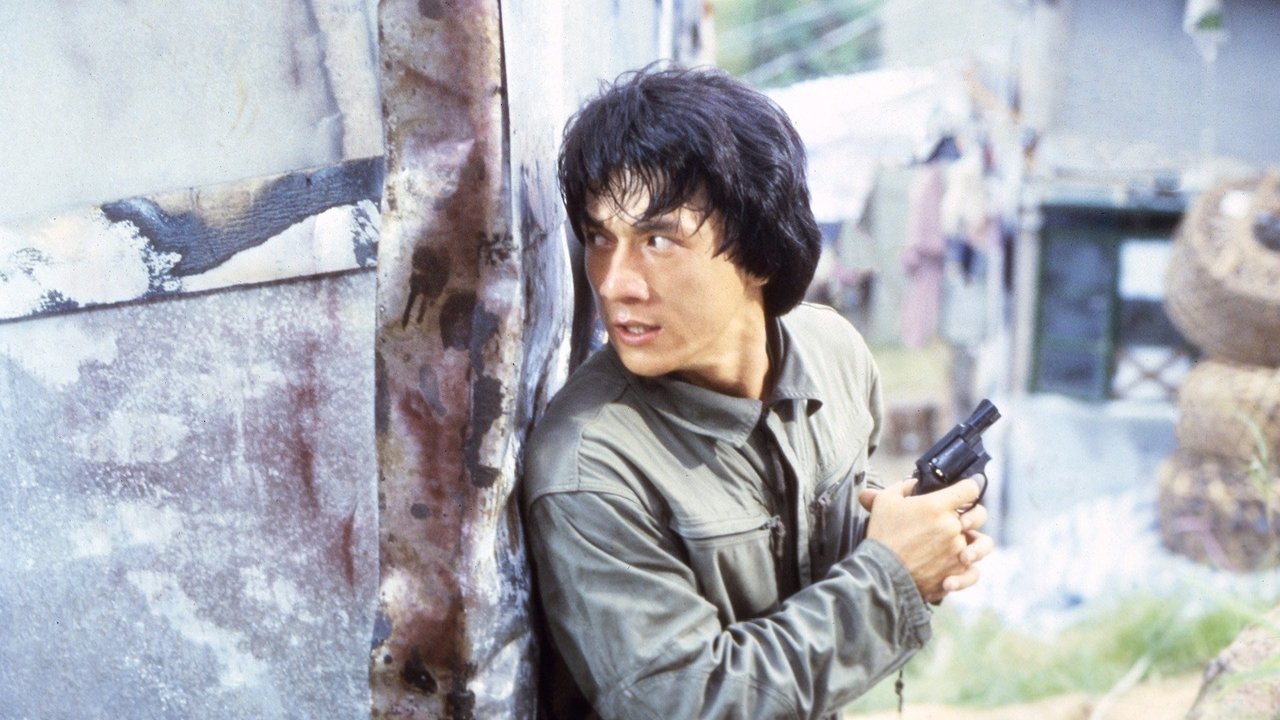
The opening ten minutes of Police Story don't just set the stage; they basically declare war on every action movie that came before 1985. We see a hillside shantytown in Hong Kong, a nest of corrugated metal and precarious wooden slats. Then, Jackie Chan—playing Sergeant 'Kevin' Chan Ka-Kui—decides the most efficient way to catch a fleeing drug lord is to drive a car directly through the middle of it. This isn't a Hollywood backlot with breakaway balsa wood; it’s a real, physical demolition derby that feels like watching a tectonic plate shift in fast forward. By the time Jackie is hanging off the back of a speeding double-decker bus by a literal umbrella handle, you realize you aren’t just watching a movie—you’re watching a man try to beat the concept of physics in a street fight.
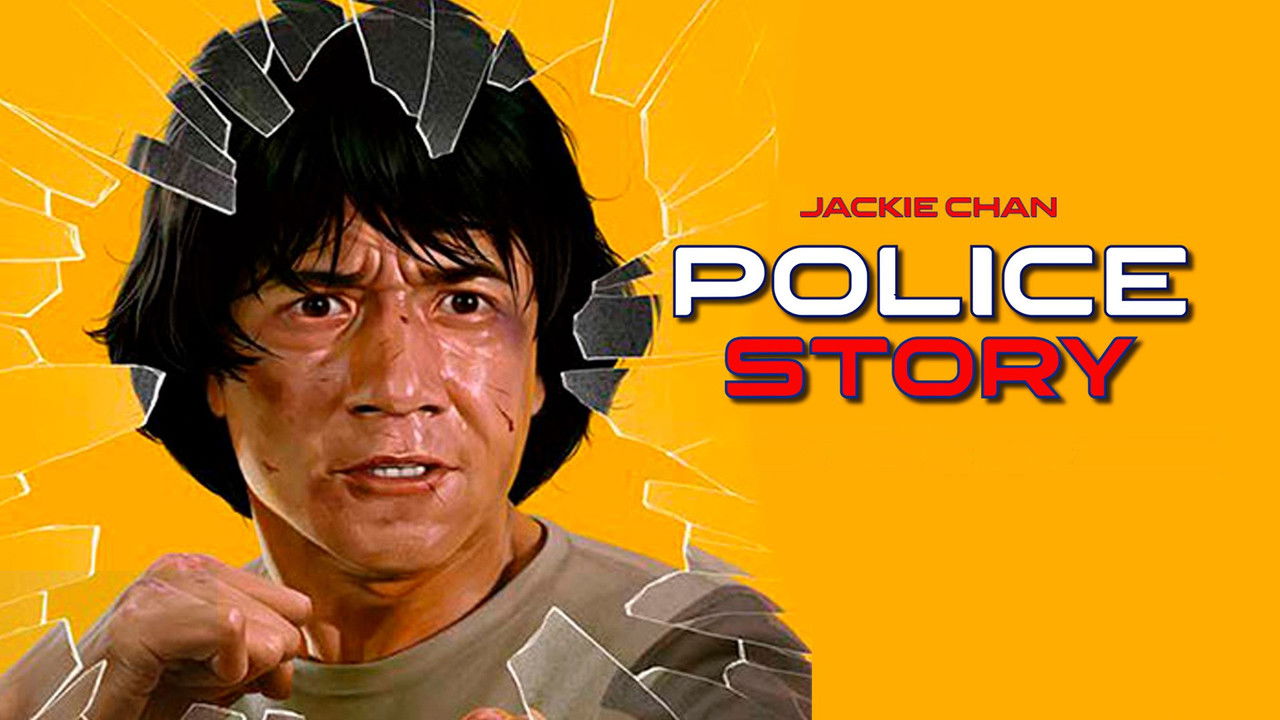
I actually watched this latest viewing on a laptop while sitting in a laundromat where one of the dryers was making a rhythmic thwack-thwack sound. Strangely enough, it perfectly matched the beat of the fight choreography during the courtroom-adjacent mayhem. It’s that kind of movie; it has a percussive energy that bleeds into the real world.
The Practical Magic of Bruised Ribs
In the mid-80s, while Hollywood was falling in love with blue screens and muscle-bound icons like Schwarzenegger, Jackie Chan was busy reinventing the wheel with a $500,000 budget and a stunt team that probably should have had a priest on permanent standby. This film represents the peak of the "Practical Effects Golden Age," but with a distinctly Eastern flavor. There is a weight to every fall and a sharpness to every punch that no CGI "super-suit" can replicate. The screenplay is basically a delivery system for property damage, and I mean that as the highest possible compliment.
The narrative follows Ka-Kui as he protects Salina (Brigitte Lin), a reluctant witness against a drug kingpin. While the plot is functional, the execution is where the genius lies. Jackie Chan (who also directed) and co-writer Edward Tang understood that the audience didn't just want fights; they wanted sequences. Every set piece is a self-contained story with a beginning, middle, and a climax that usually involves someone falling through something expensive.
Take the apartment scene where Ka-Kui has to juggle multiple ringing telephones while fending off attackers. It’s essentially a silent movie comedy routine performed at 200 mph. It highlights the era's transition—moving away from the stoic, invincible heroes of 70s kung fu and toward the vulnerable, frantic, and incredibly lucky protagonist that would define the 80s.
Sugar Glass and Shopping Malls
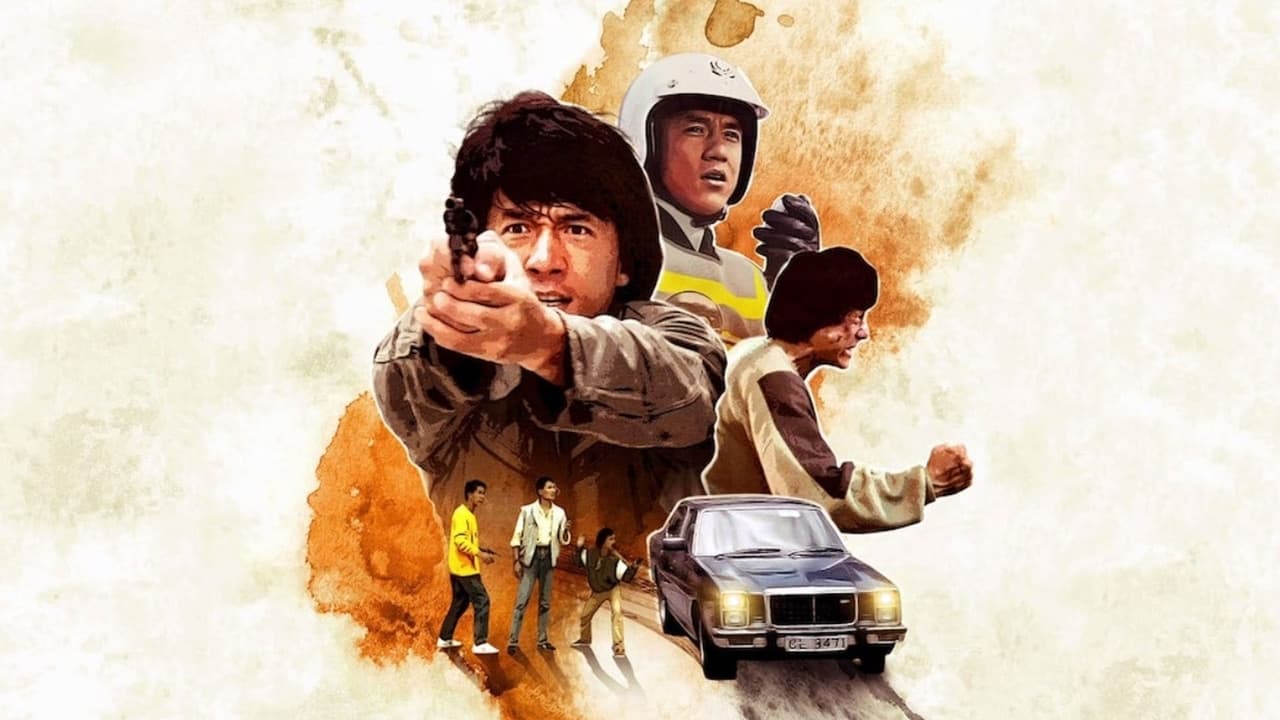
The "Independent Gem" status of Police Story comes from its resourcefulness. Jackie Chan founded Golden Way Films to have total control, and that freedom is visible in every frame. Without a massive studio breathing down his neck, he could spend days perfecting a single stunt. This led to the legendary finale in the Wing On department store—a sequence so dangerous that safety standards were clearly treated as optional suggestions.
I’ve seen the "Mall Fight" dozens of times, but it never loses its power. The crew reportedly used a specific type of "sugar glass" that was thicker than usual, causing legitimate injuries to the stuntmen. When you see Charlie Cho Cha-Lee get kicked through a glass display, that isn't a digital effect. That’s a human being experiencing a very bad Friday.
And then there's "The Pole." For the uninitiated, the climax involves Ka-Kui jumping onto a metal pole covered in decorative lights, sliding down several stories through strings of live electricity, and crashing through a glass roof. Jackie Chan suffered second-degree burns on his hands and a back injury from that single take. On my old VHS copy of this film, that specific scene was always a bit "snowy" because I’d rewound and replayed it so many times the magnetic tape was physically wearing out. Seeing it now in high definition almost feels like a betrayal of its gritty, rental-store roots, but it also allows you to see the sheer terror in the eyes of the performers.
The Women of the Storm
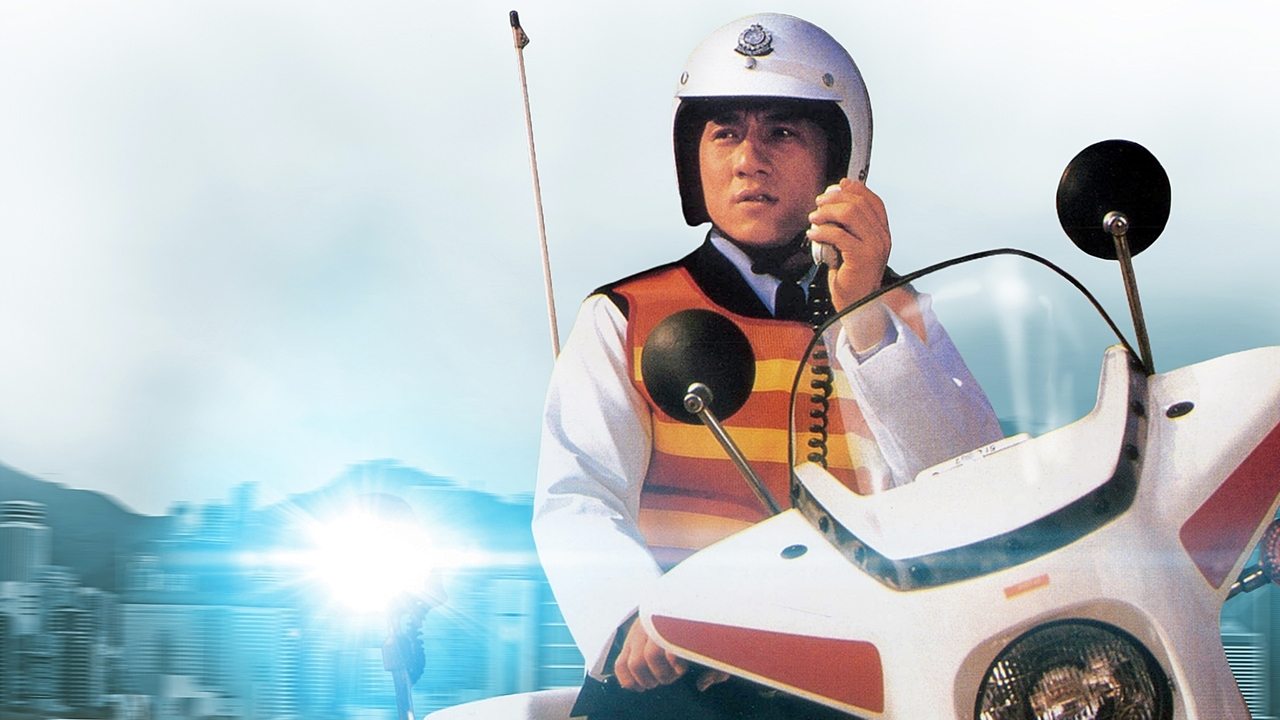
While Jackie Chan is the sun this movie orbits, the supporting cast deserves a massive shout-out. Brigitte Lin, usually known for her ethereal roles in wuxia films, is delightfully frantic here. Her chemistry with Jackie is built on a foundation of mutual annoyance, which is far more entertaining than a standard romance. Meanwhile, a young Maggie Cheung plays May, Ka-Kui’s long-suffering girlfriend. While her role is primarily comedic relief (often involving her getting hit with a cake or falling off a motorbike), her presence grounds the film.
Bill Tung (as "Uncle" Bill) and Chor Yuen (as the villainous Chu To) round out a cast that understands the assignment: play it straight so the stunts feel like they have stakes. Even Charlie Cho Cha-Lee, playing the sniveling John Ko, creates a character you desperately want to see kicked through a window—and the movie graciously obliges.
Police Story isn't just a masterpiece of its genre; it’s a document of human willpower. It represents a moment in the 80s where the "Home Video Revolution" allowed western audiences to discover that the most exciting filmmaker on the planet was working out of Hong Kong with a fraction of a Hollywood budget. It’s funny, it’s terrifyingly dangerous, and it’s the ultimate evidence that nothing beats a real person doing a real, ridiculous thing in front of a real camera. If you haven't seen it, clear your schedule and find the biggest screen possible. Just don't try the umbrella-on-the-bus trick at home.
Keep Exploring...
-
Who Am I?
1998
-
The Blues Brothers
1980
-
48 Hrs.
1982
-

Midnight Run
1988
-
Lethal Weapon 2
1989
-
Rumble in the Bronx
1995
-
Drunken Master
1978
-
Beverly Hills Cop
1984
-
Beverly Hills Cop II
1987
-
Rush Hour
1998
-
Rush Hour 2
2001
-
Bad Taste
1987
-

Heathers
1989
-
The Legend of Drunken Master
1994
-
Batman
1966
-

The Gods Must Be Crazy
1980
-
Stripes
1981
-
Romancing the Stone
1984
-
Big Trouble in Little China
1986
-
Innerspace
1987