Rambo: First Blood Part II
"One man. One bow. One hell of a rematch."
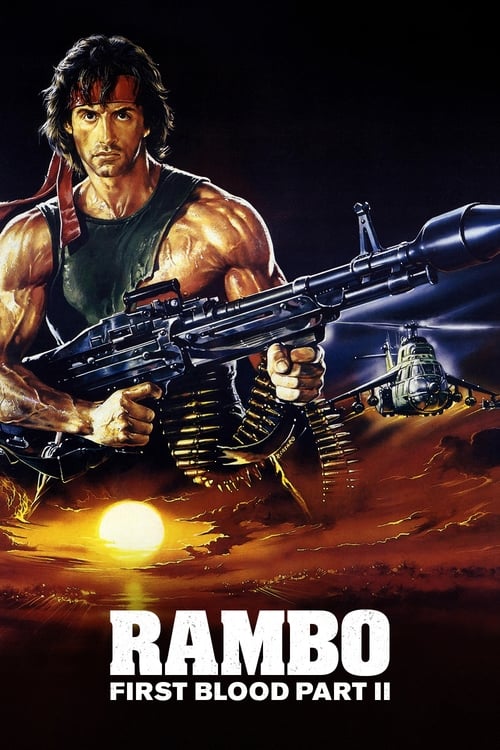
If you walked into a video store in 1986, you didn't need to read the back of the box to know what Rambo: First Blood Part II was about. You just had to look at Sylvester Stallone, glistening with more oil than a Greek salad, clutching a rocket launcher like it was a security blanket. It’s the definitive image of 80s excess, a far cry from the haunted, ragged survivalist we met in the first film. While the original First Blood (directed by Ted Kotcheff) was a somber, grounded look at a veteran's psychological collapse, this sequel is a screaming, exploding piece of revisionist history that decided the best way to heal the wounds of Vietnam was to simply go back and win.
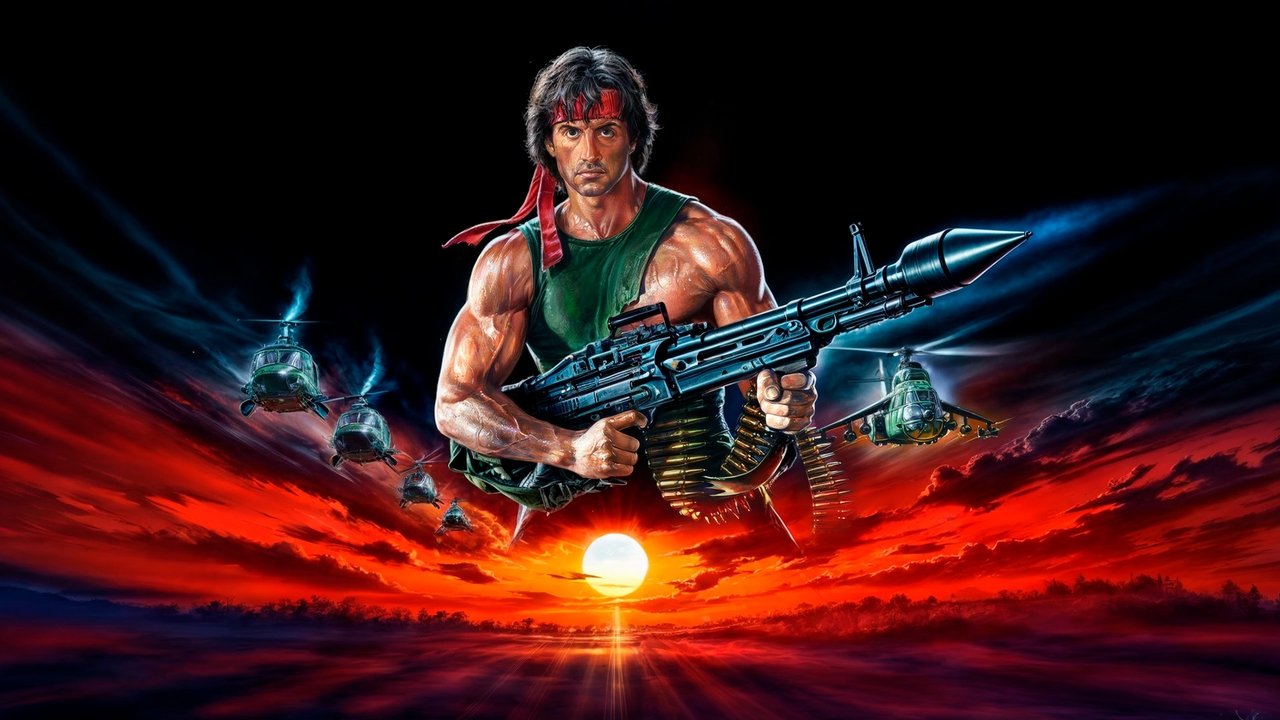
I recently rewatched this on a humid Tuesday afternoon while wearing a pair of itchy wool socks that made me feel roughly 10% as uncomfortable as Rambo in the jungle, and I realized something: this movie is essentially a high-budget cartoon that happens to have a body count higher than most small-town populations.
The Cameron-Stallone Pressure Cooker
The DNA of this movie is fascinating because it’s a collision of two massive egos before they were "The King of the World" and "The Italian Stallion" respectively. A young James Cameron (fresh off The Terminator) wrote the initial draft, and you can see his fingerprints in the hardware. He wanted more technical detail, more focus on the P.O.W. camps, and a more structured military feel. Then Sylvester Stallone took a pen to it. He stripped out the partner Cameron had written for Rambo and turned it into a solo crusade.
The result is a screenplay that feels like a political manifesto written in C4. When Rambo asks his mentor, Richard Crenna’s Col. Trautman, "Do we get to win this time?" he isn't just asking about the mission; he’s speaking for a specific segment of 1985 America that wanted to rewrite the ending of the 70s. It’s heavy-handed, sure, but in the context of a 96-minute action flick, it provides the perfect fuel for the fire. Charles Napier (the legendary character actor from The Blues Brothers) plays Marshall Murdock, the pencil-pushing bureaucrat who represents everything Rambo hates. Napier is the kind of guy who probably bills his own mother for long-distance phone calls, and his eventual confrontation with Rambo is deeply satisfying in that "80s catharsis" kind of way.
Practical Pyrotechnics and the Bow
Director George P. Cosmatos—who later brought us the sleek Cobra and the Western classic Tombstone—knew exactly what the audience wanted: scale. This wasn't the small-scale forest skirmish of the first film. This was a $44 million production (huge for 1985) filmed in the Mexican jungles near Acapulco, standing in for Vietnam.
The practical effects here are a dying art. When an explosion goes off in this movie, it’s not a bunch of pixels; it’s a terrifying amount of gasoline and debris actually lifting people off the ground. The stunt work is physical and dangerous. There’s a sequence involving a Bell UH-1 Huey helicopter that still puts modern CGI dogfights to shame because you can feel the weight of the machine and the humidity of the air.
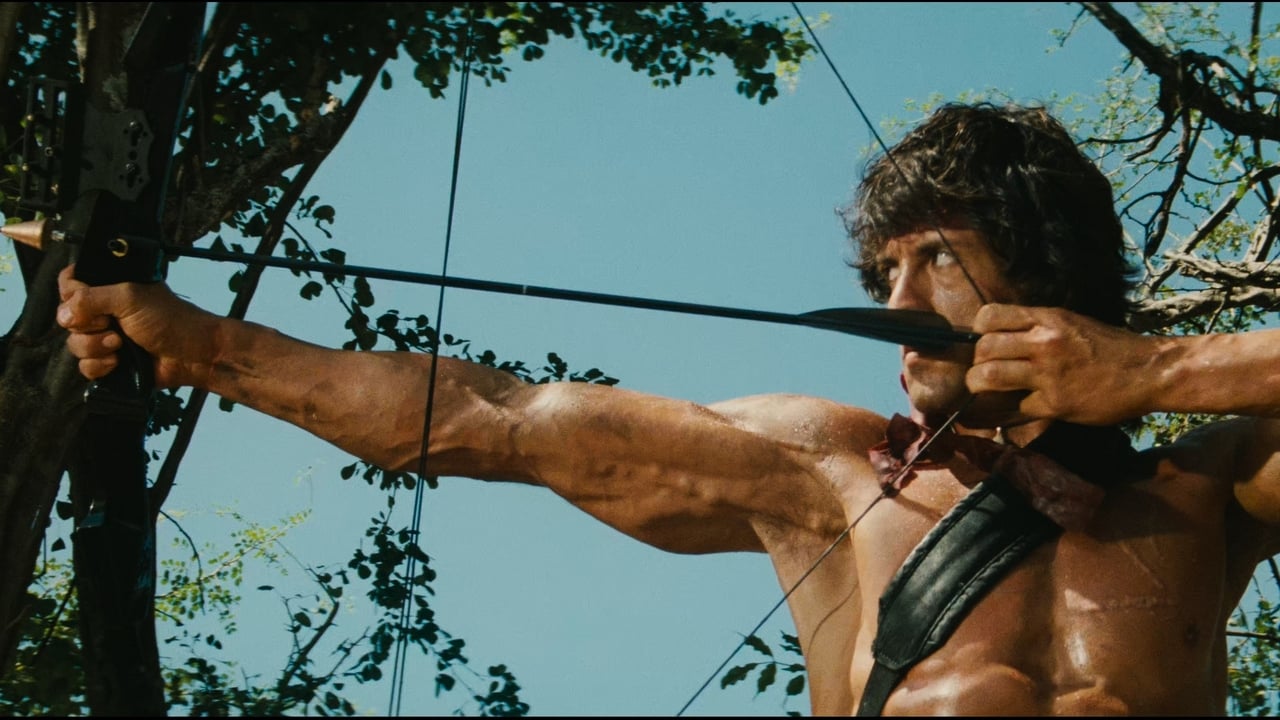
And then, there’s the bow. The custom compound bow with the explosive-tipped arrows became an instant icon. I remember the local toy store being sold out of plastic versions of that bow for months. Watching Rambo use a silent weapon to cause the loudest possible destruction is a masterpiece of action irony. The "mud-wall" sequence, where Rambo emerges from the earth like a vengeful golem to dispatch a soldier, is arguably the exact moment the 80s reached peak 80s.
The VHS Legacy and Cultural Shrapnel
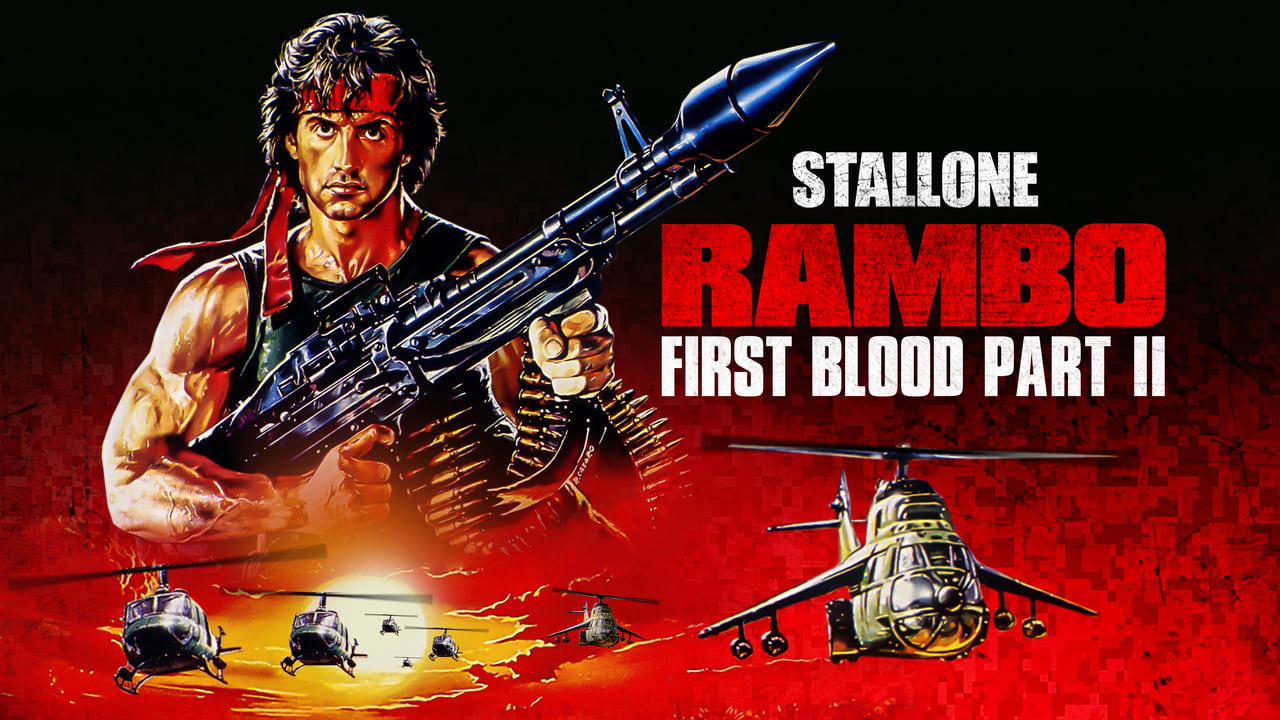
While critics at the time were busy clutching their pearls over the violence, the film was busy minting money. It pulled in over $300 million globally, but its real life began on the rental shelf. This was a "staple" tape—the kind that stayed in the "New Releases" section of your local Mom-and-Pop video store for three years straight because it was never not checked out.
The film also gave us Steven Berkoff as Lt. Col. Podovsky, the quintessential Soviet villain. Berkoff (who also chewed the scenery in Beverly Hills Cop) plays Podovsky with a cold, aristocratic sneer that makes you want to see him punched in the face from the first frame. It’s a performance that defined the "Red Menace" trope of the era, contrasting perfectly with Julia Nickson’s Co Bao, who provides the film’s only (and predictably tragic) emotional tether.
Does it have flaws? Plenty. The dialogue is often stilted, the politics are about as subtle as a sledgehammer to the shin, and Rambo’s invincibility eventually robs the film of real tension. But as a piece of pure cinematic momentum, it’s undeniable. It’s a movie that knows exactly what it is and doesn't apologize for it. It transformed a broken soldier into a superhero, and in doing so, it changed the landscape of action cinema for the next two decades.
Ultimately, Rambo: First Blood Part II is the ultimate Friday night movie. It’s loud, it’s proud, and it features a score by Jerry Goldsmith (who also scored Alien) that manages to make the carnage feel operatic. It’s a snapshot of a time when the biggest movie star in the world could win a war with a headband and a dream. If you can push aside the "ra-ra" politics and just appreciate the craft of the practical explosions, you’re in for a hell of a ride. Just make sure you have enough snacks, because once the arrows start flying, you won't want to get up.


Keep Exploring...
-
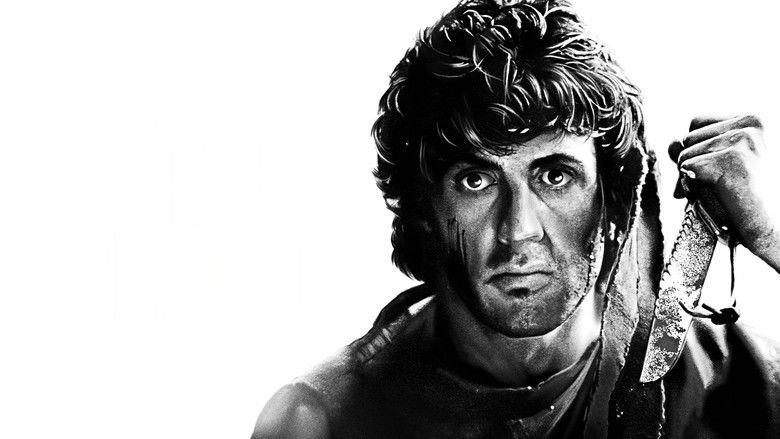
First Blood
1982
-
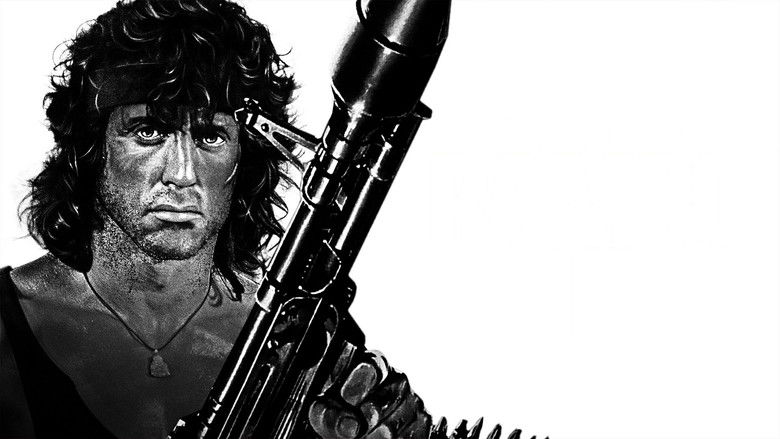
Rambo III
1988
-
Rambo
2008
-
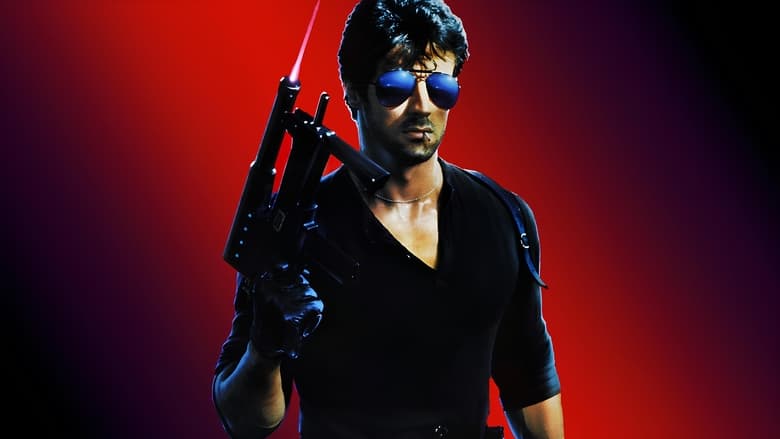
Cobra
1986
-
Rambo: Last Blood
2019
-
Octopussy
1983
-
Lethal Weapon 2
1989
-
For Your Eyes Only
1981
-
Never Say Never Again
1983
-
A View to a Kill
1985
-
The Living Daylights
1987
-
Licence to Kill
1989
-
Cliffhanger
1993
-
The Expendables
2010
-
The Expendables 2
2012
-
Thunderball
1965
-
You Only Live Twice
1967
-
Live and Let Die
1973
-
The Spy Who Loved Me
1977
-
Moonraker
1979