Ran
"Chaos has never looked this beautiful."

I remember standing in the back corner of "Video Vantage" in 1989, staring at a double-VHS set with a cover so vibrant it made the surrounding slasher flicks look like charcoal sketches. It was the Nippon Herald release of Ran. Even then, I knew Akira Kurosawa was a "name," but I wasn’t prepared for the way this movie would colonize my brain. I watched it that night while wearing an itchy wool sweater that was two sizes too small, and honestly, the physical discomfort of the wool matched the psychic disintegration on screen perfectly.
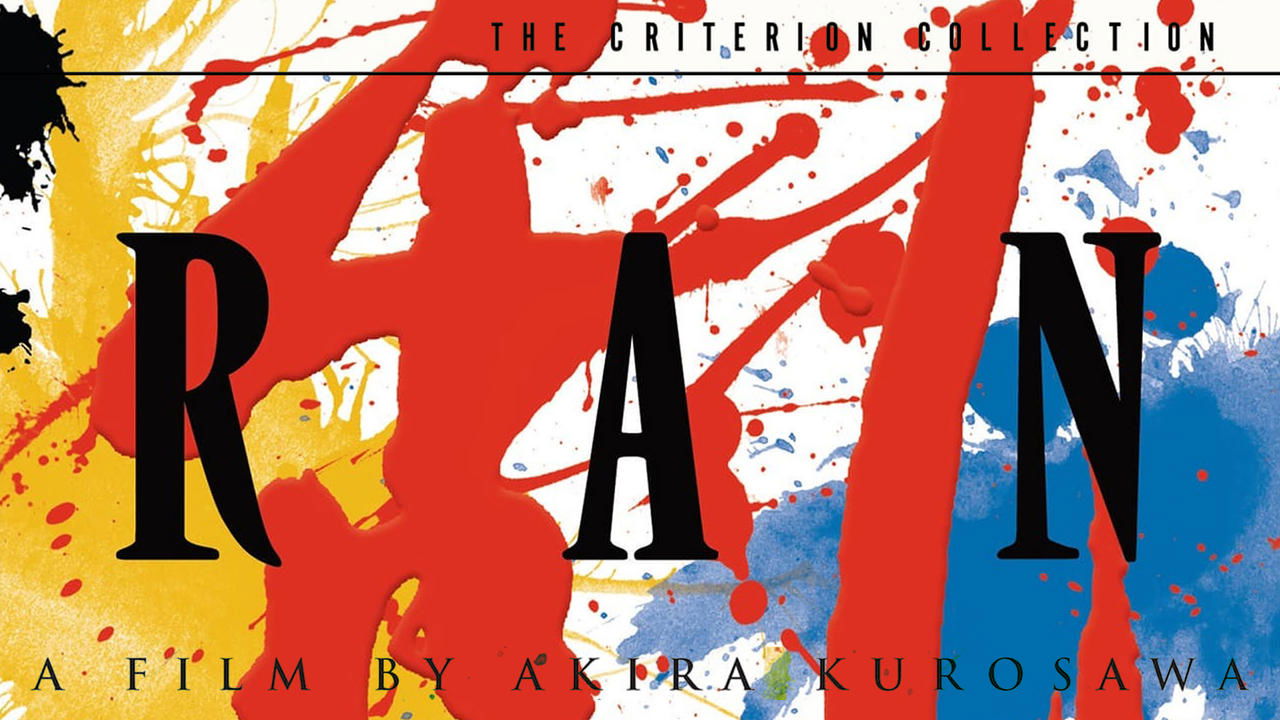
By 1985, the "New Hollywood" rebels like Spielberg and Lucas were the new establishment, but Kurosawa—the man who practically gave them their blueprints—was struggling to find yen in his own country. It took French producer Serge Silberman to help realize this $12 million fever dream. At 75 years old and nearly blind, Kurosawa didn't just adapt Shakespeare’s King Lear; he ground it into the volcanic soil of Sengoku-era Japan and set the whole thing on fire.
The Color of Nihilism
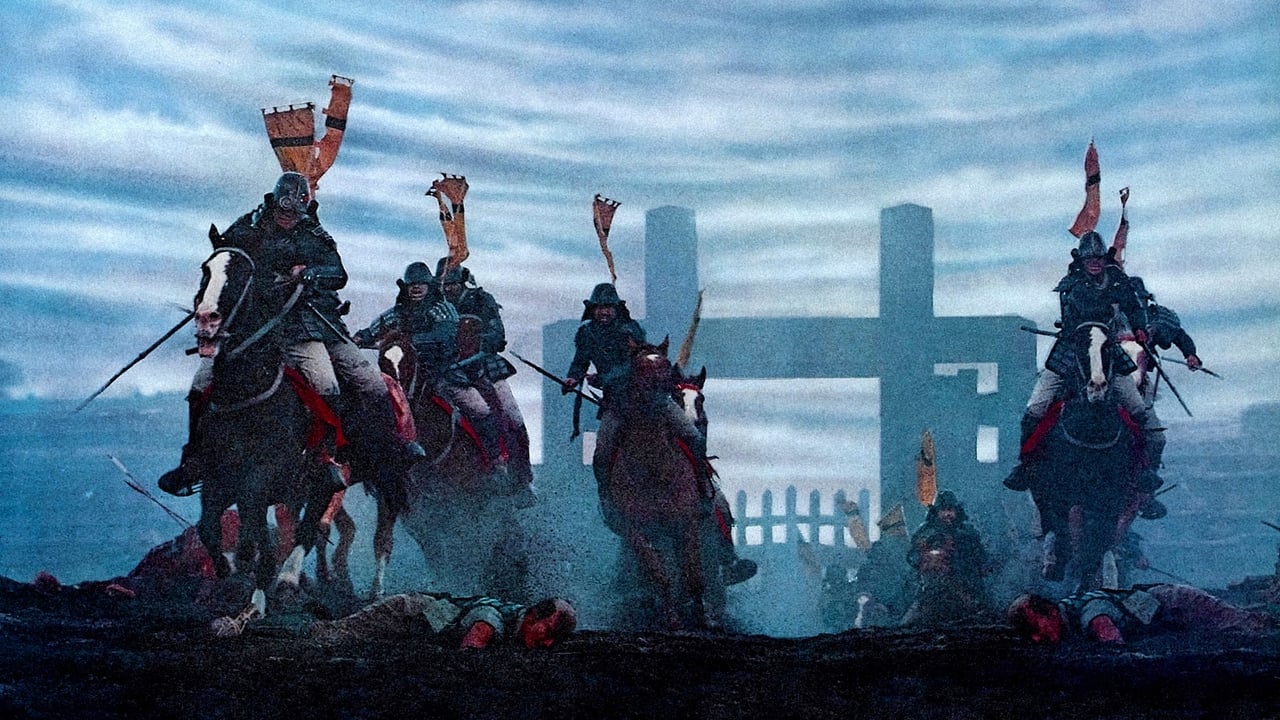
Most directors use color to set a mood; Kurosawa uses it like a blunt force weapon. The film follows the aging Great Lord Hidetora Ichimonji (Tatsuya Nakadai) as he abdicates his throne to his three sons, only to watch his legacy dissolve into a blood-soaked psychodrama. Each son’s army is color-coded: bright yellow, bold blue, and a terrifying, saturated red.
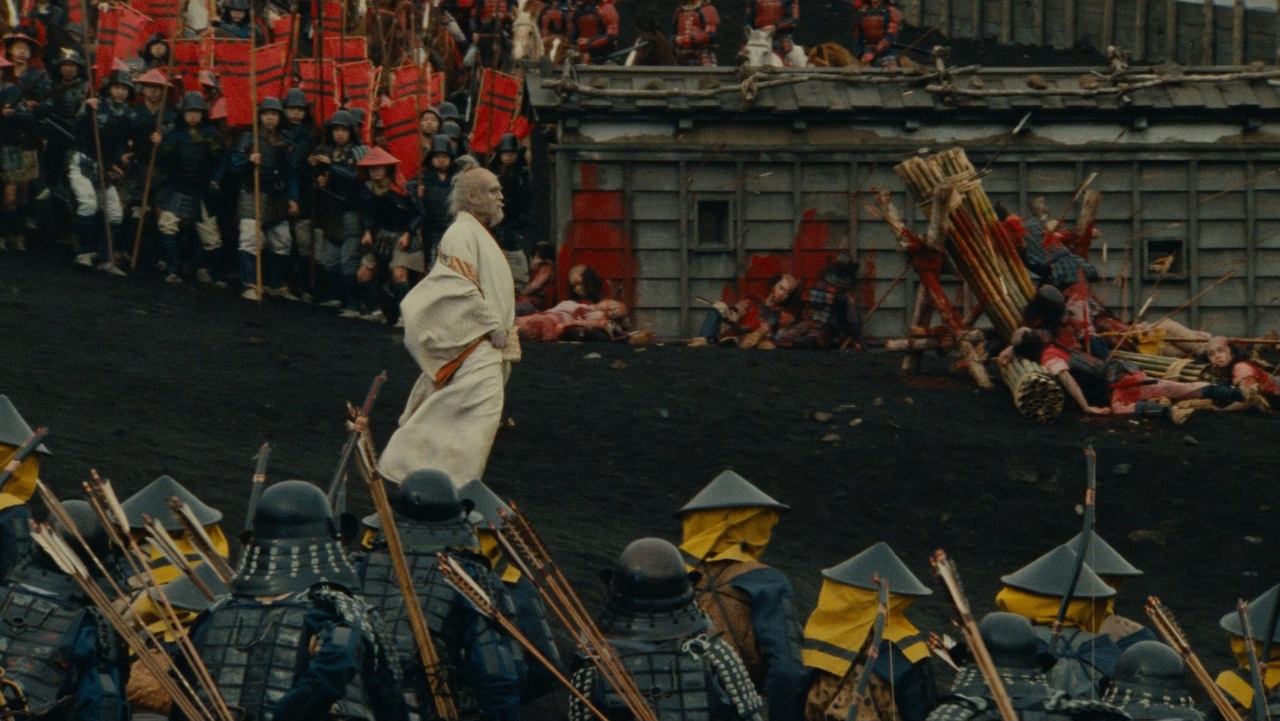
When these forces collide, it doesn't look like a standard Hollywood battle; it looks like a painting come to life and then being shredded. There is a specific sequence—the siege of the Third Castle—where the sound of the world simply vanishes. No clashing steel, no screams, just the haunting, mourning score by Toru Takemitsu. You watch men get riddled with arrows in a silence so heavy it feels like the gods themselves have muted the TV because they’re too bored or disgusted to listen to us anymore. It’s one of the most chilling uses of sound design I’ve ever experienced, and it highlights the "cerebral" nature of Kurosawa’s violence. It’s not meant to be "cool"; it’s meant to be a tragedy of errors.
Practical Magic and Scorched Earth

In our era of digital armies that look like blurry thumbprints, the scale of Ran is genuinely overwhelming. This was the peak of the practical effects golden age. When you see a castle burning in this movie, Akira Kurosawa actually built a castle on the slopes of Mt. Fuji just to burn it down. There are no miniatures here. There are no optical composites. It’s just 1,400 extras, hundreds of horses, and enough real fire to make a safety inspector faint.
The stunt work is equally harrowing. There’s a palpable weight to the armor and a terrifying reality to the way the horses fall. You can feel the heat radiating off the screen. Tatsuya Nakadai delivers a performance that borders on Kabuki theater; his face, caked in white makeup that cracks as his mind fails, is an image I’ll never forget. He wanders through the carnage with a thousand-yard stare that makes you realize Hidetora isn't just losing his kingdom—he's realizing that his entire life of "honor" was actually just a long, loud scream in the dark.
The Spider in the Palace
While the men are busy playing with their primary-colored armies, the real power of Ran sits in the shadows. Mieko Harada as Lady Kaede is, quite simply, the most terrifyingly effective villain in the history of cinema. She isn't just a "Lady Macbeth" riff; she is a vengeful ghost in a silk kimono.
There is a scene where she confronts her brother-in-law, Jiro (Jinpachi Nezu), that involves a hidden dagger and a literal thirst for blood. It’s played with such ferocious intensity that it makes the massive battle scenes feel like a playground scuffle. Harada steals the movie from a cast of legends, acting as the catalyst for the Ichimonji clan’s self-destruction. She represents the "forgotten" victims of Hidetora’s past wars coming back to claim their pound of flesh.
Ran is a film that demands you sit still and look at it. It’s the ultimate "Auteur" statement—a man at the end of his life looking at the history of human conflict and concluding that we are all just "frogs at the bottom of a well." It’s an action movie for the soul and a philosophical treatise for the eyes. If you’ve only ever seen it on a grainy old television, do yourself a favor and find the highest resolution possible. You need to see those primary colors bleed.
The 1980s gave us plenty of blockbusters, but Kurosawa gave us an eclipse. It’s a massive, heavy, gorgeous piece of art that reminds me why I fell in love with movies in the first place. It isn't just a "historical epic"—it’s a warning from 1985 that feels more relevant every single year. Just don’t wear a tight wool sweater while watching it; the movie provides enough tension on its own.
Keep Exploring...
-
Harakiri
1962
-
Throne of Blood
1957
-

The Mission
1986
-

Yojimbo
1961
-
Seven Samurai
1954
-
The Last Emperor
1987
-

Ikiru
1952
-
High and Low
1963
-
Andrei Rublev
1966
-
The Elephant Man
1980
-
Gandhi
1982
-
Amadeus
1984
-
The Color Purple
1985
-
A Taxi Driver
2017
-

The Right Stuff
1983
-
Casualties of War
1989
-
Glory
1989
-
Pink Floyd: The Wall
1982
-

Do the Right Thing
1989
-
Planet of the Apes
1968