Return to Oz
"Oz has changed. And so will you."
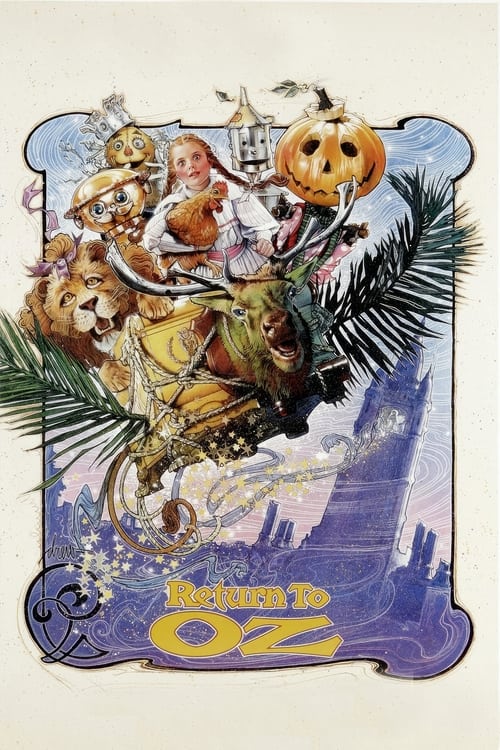
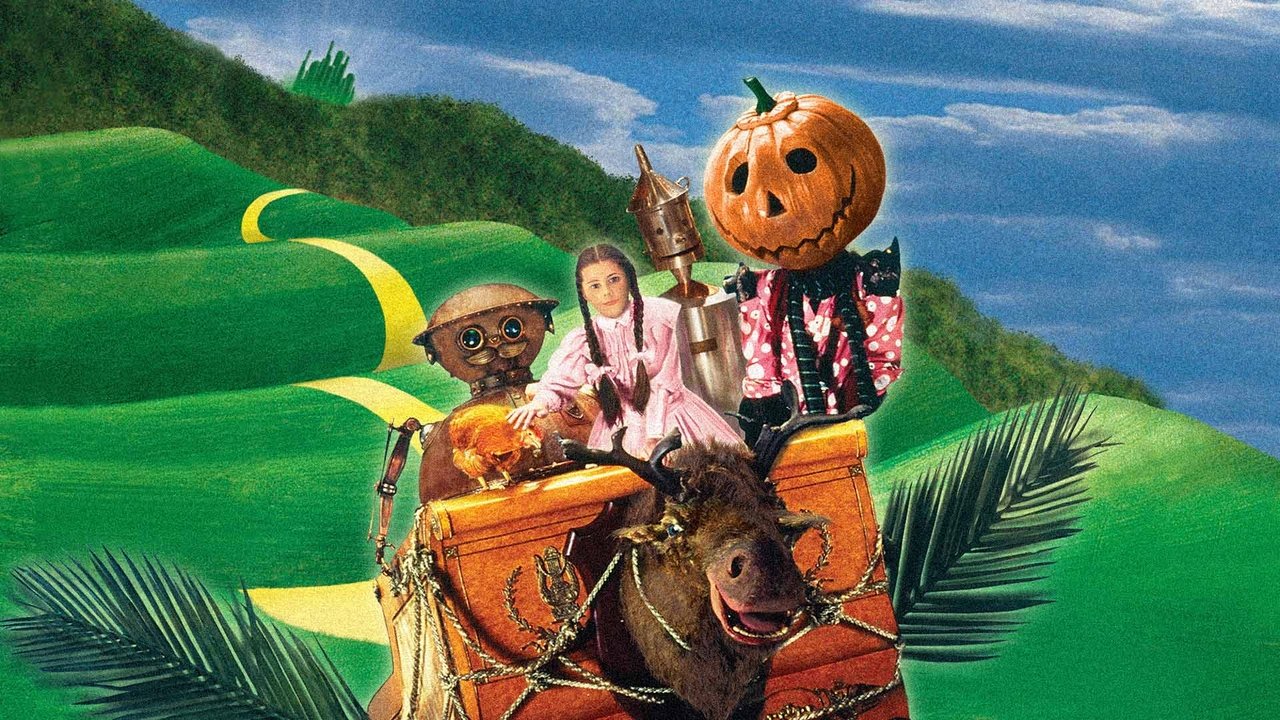
I remember the first time I encountered the Return to Oz VHS box at my local "Video Village" rental shop. The cover art promised a whimsical adventure—a bright-eyed girl, a clockwork man, and a funny-looking couch with an elk head. It looked like a cozy Saturday afternoon. I was so wrong. Ten minutes into the movie, Dorothy is being strapped to an electro-convulsive therapy machine while lightning crashes outside a Victorian sanitarium. I once dropped a piece of buttered toast face-down on my rug during the scene where the Wheelers first appear, and I just left it there; I was too paralyzed by the screen to even think about the carpet stain.
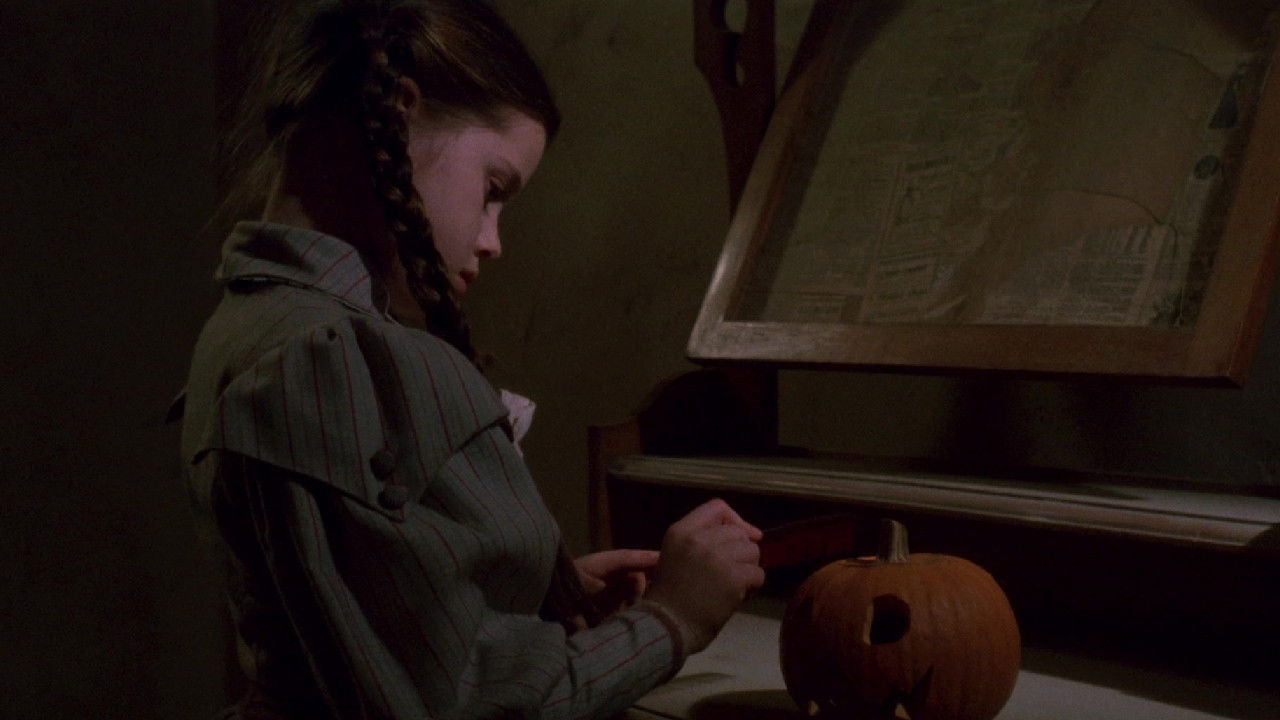
This isn't the Technicolor dream of 1939. This is Disney’s 1985 attempt to reconcile the "Over the Rainbow" saccharine sweetness with the actual, much weirder source material by L. Frank Baum. It’s a film that famously flopped, nearly ended a career, and yet somehow became the ultimate "did I dream that?" cult classic for an entire generation of kids who grew up with wood-paneled VCRs.
A Journey Through the Scrapyard of Dreams
The plot picks up with a melancholic Dorothy (Fairuza Balk, in her debut) who can’t stop talking about the Scarecrow and the Tin Man. Her Aunt Em (Piper Laurie) and Uncle Henry (Matt Clark) think she’s suffering from delusions, so they take her to a doctor who specializes in "electric healing." It’s a terrifyingly grounded start for a family film. After a daring escape into a river during a storm, Dorothy wakes up in an Oz that looks like a post-apocalyptic wasteland. The Yellow Brick Road has been ripped up, and the Emerald City is a roofless ruin filled with headless statues.
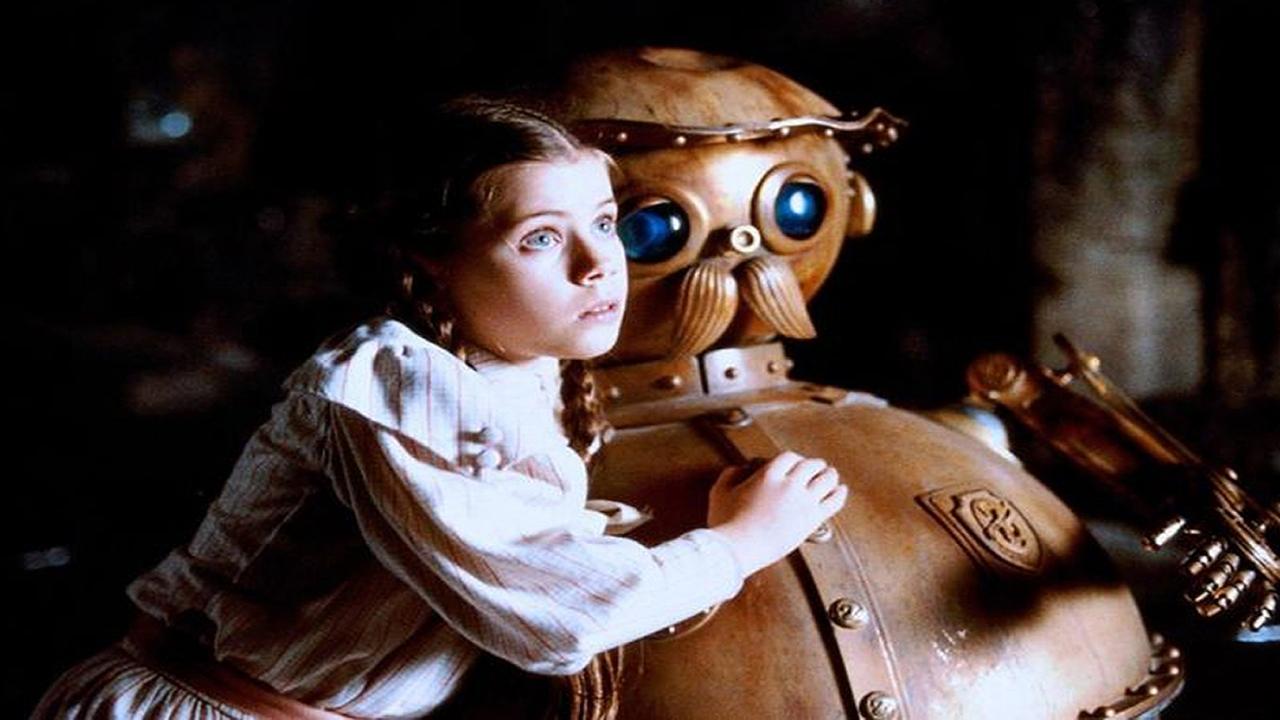
What follows is a quintessential adventure, but one fueled by grit rather than glitter. Dorothy has to assemble a new crew: Tik-Tok (performed by Michael Sundin), a round mechanical soldier with a wind-up personality; Jack Pumpkinhead, a spindly creature who calls Dorothy "Mom"; and the Gump, a makeshift flying machine held together by palm fronds and magic powder. Their mission to rescue the Scarecrow from the Nome King feels like a genuine quest into the unknown. Every step of the journey carries a sense of escalating peril that modern family adventures often swap for snarky one-liners.
The Practical Magic of Nightmares
Director Walter Murch was primarily known as a legendary editor (The Conversation, Apocalypse Now), and you can feel that meticulous, slightly clinical eye in every frame. Instead of the flat lighting of 80s TV, David Watkin’s cinematography gives Oz a textured, earthy reality. But the real stars are the practical effects. In an era before CGI could lazily fill the background, every creature here is a physical marvel.
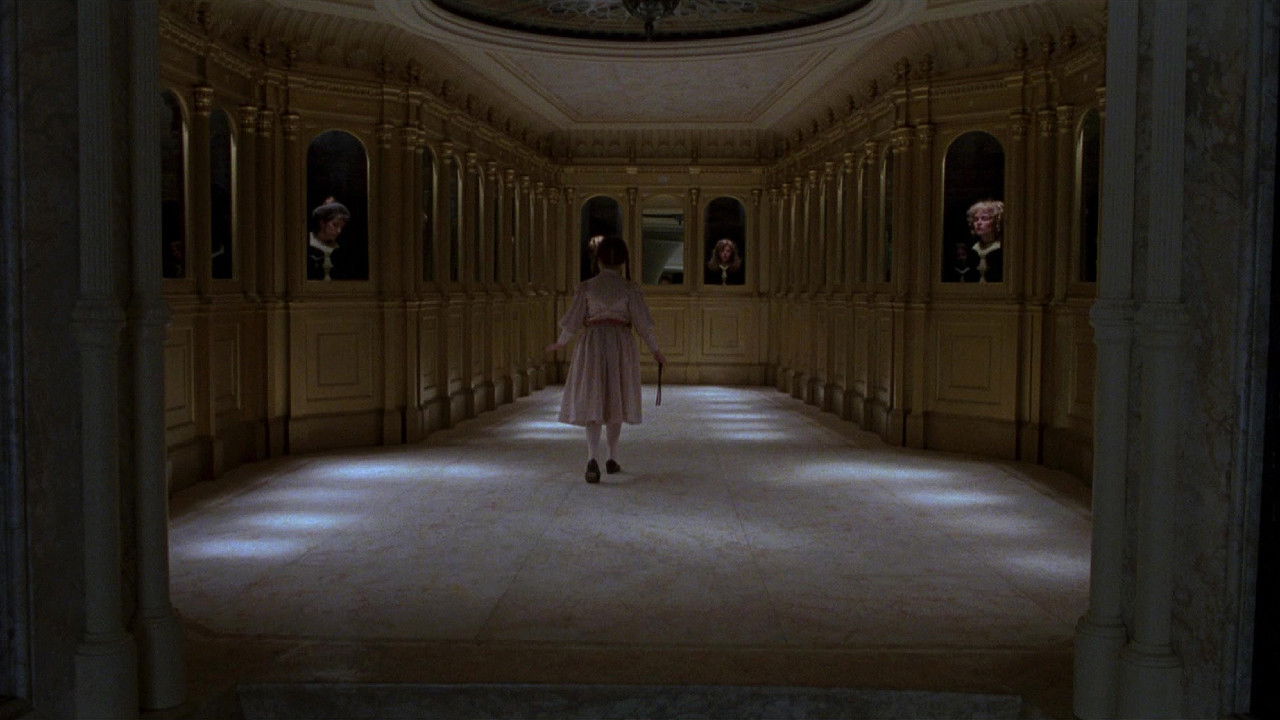
The Wheelers—men with wheels instead of hands and feet—are a triumph of practical stunt work and costume design. Their screeching, metallic "Hee-hee-hee!" as they roam the ruins of the city is purely haunting. Then there’s Mombi (Jean Marsh), a witch who swaps her heads like shoes. The scene in her "head gallery" is a masterstroke of animatronics and editing. Disney’s mid-80s "let’s traumatize the children" phase was actually their creative peak, and Return to Oz is the crown jewel of that era. It treats the audience with respect by acknowledging that children can handle—and often crave—a bit of the macabre.
The finale features Will Vinton’s "Claymation," and it’s some of the best ever put to film. The Nome King (Nicol Williamson) is a living rock face that evolves from a craggy wall into a towering, terrifying monarch. The way his face ripples through the stone is tactile and weighty; you can almost smell the dust and minerals. It’s a far cry from the weightless pixels we see today.
The VHS Resurrection
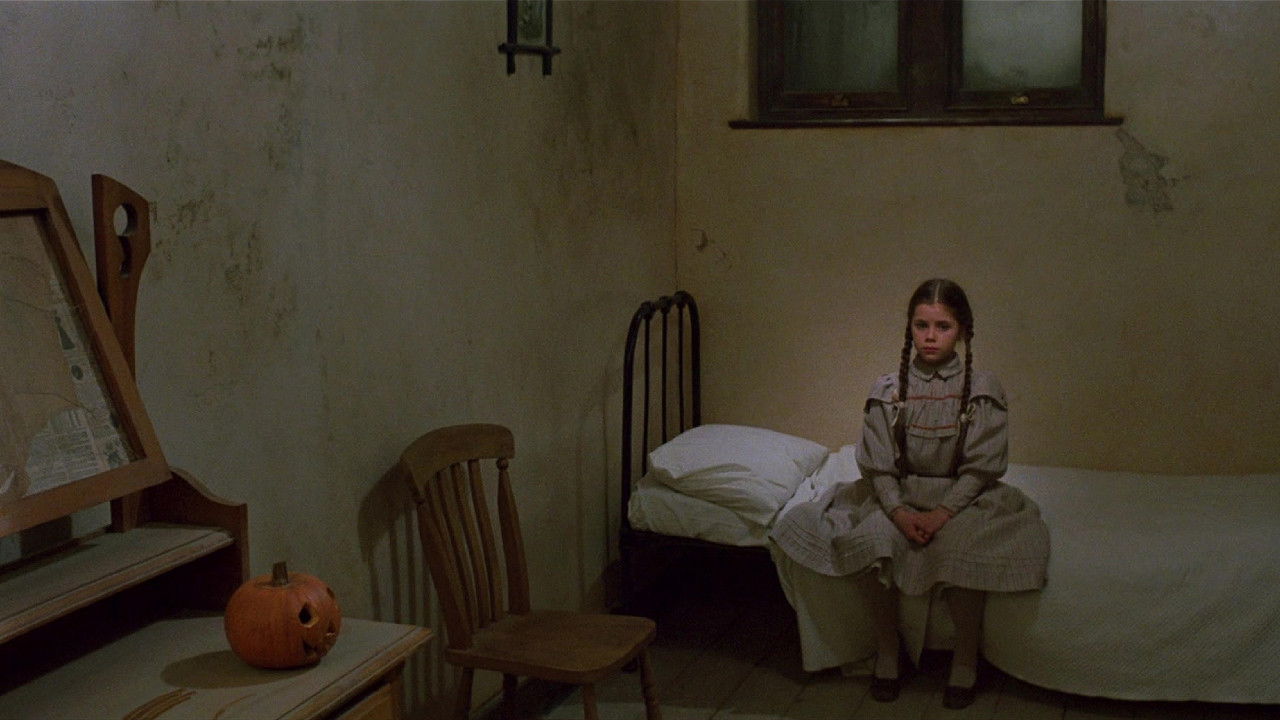
The film was a box office disaster, largely because it wasn't the "sequel" people expected. It was too dark for the Muppets crowd and too "Disney" for the art-house set. However, the home video revolution saved it. Because of the limited theatrical run, it became a discovery—a hidden gem that felt like a secret passed between friends. The rental stores were filled with copies that had been rewound a thousand times because this movie is a Rorschach test for how much weirdness a ten-year-old can take.
Watching it now, I’m struck by Fairuza Balk. Most child actors of the mid-80s were directed to be precocious or "cute," but she plays Dorothy with a quiet, soulful stoicism. She isn't skipping; she’s surviving. She anchors the high-concept madness of the Nome King’s mountain with a grounded performance that makes the stakes feel real. When she finally finds a way to save her friends, it isn't through a magic wand or a song, but through sheer cleverness and empathy.
Return to Oz is a beautiful anomaly. It’s a film that shouldn’t exist—a high-budget, dark-fantasy fever dream from a studio that usually played it safe. It’s a reminder that the best adventures aren't just about the destination, but about the strange, slightly scary things you encounter along the way. If you’ve only ever seen the 1939 version, clear your schedule, dim the lights, and get ready for a trip that’s much deeper than a walk down a yellow brick road. Just maybe keep your toast away from the rug.
Keep Exploring...
-
The Dark Crystal
1982
-
The Secret of NIMH
1982
-
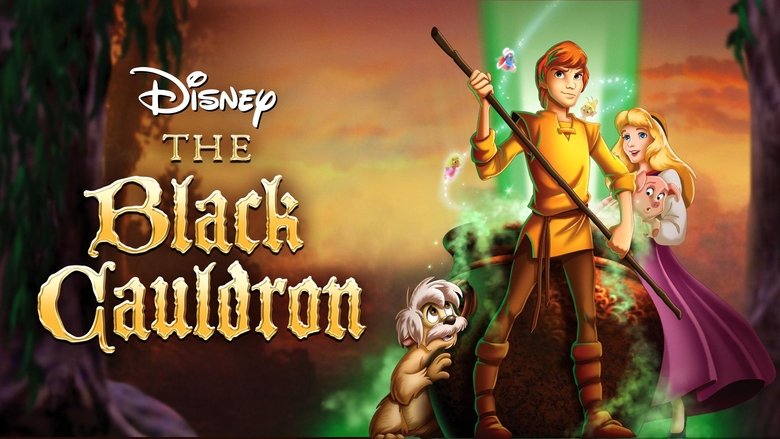
The Black Cauldron
1985
-
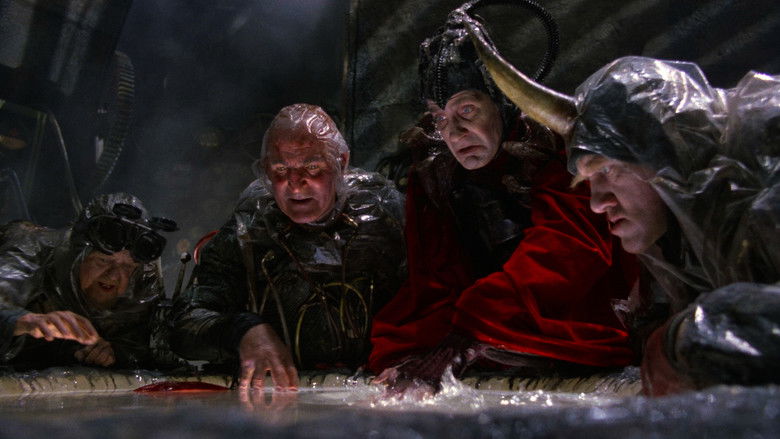
Time Bandits
1981
-

Bedknobs and Broomsticks
1971
-
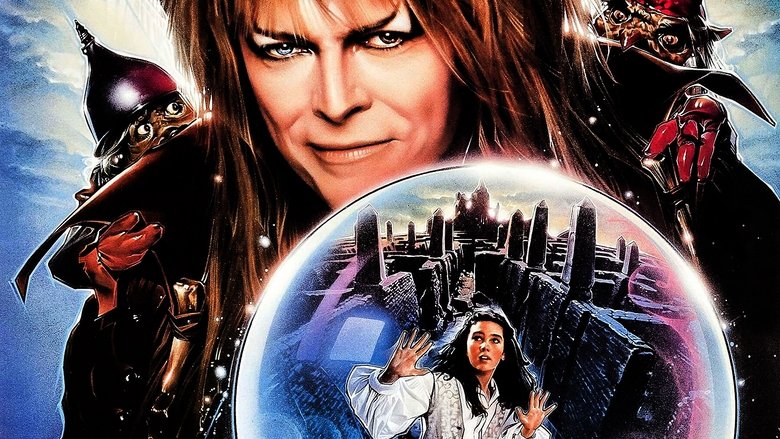
Labyrinth
1986
-
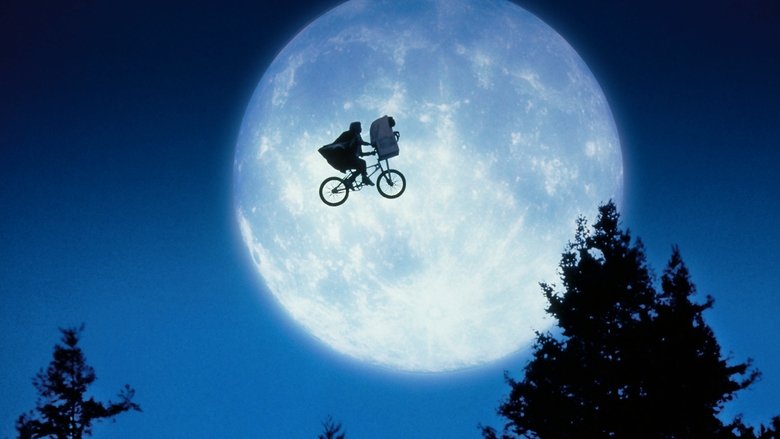
E.T. the Extra-Terrestrial
1982
-
The Princess Bride
1987
-
Excalibur
1981
-
The NeverEnding Story
1984
-
Conan the Destroyer
1984
-
Ladyhawke
1985
-
Legend
1985
-

An American Tail
1986
-
Flight of the Navigator
1986
-
The Great Mouse Detective
1986
-

Masters of the Universe
1987
-

All Dogs Go to Heaven
1989
-
The Rescuers
1977
-
The Adventures of Baron Munchausen
1988