Rocky IV
"The Cold War ends in a fifteen-round knockout."
I recently watched Rocky IV while sitting on a slightly damp patio chair because my living room was being painted, and honestly, the mild discomfort of the plastic digging into my back only added to the grit of the Siberian training montage. There is something fundamentally "1985" about this movie that defies traditional film criticism. It isn't just a movie; it’s a high-fructose, neon-soaked, geopolitical fever dream that somehow convinced an entire generation that you could end the nuclear arms race if you just had enough heart and a really good synthesizer backing track.
At a lean 91 minutes, Sylvester Stallone (who also wrote and directed) realized that the audience didn't come for the kitchen-sink realism of the 1976 original. They came for the spectacle. It is effectively a feature-length music video masquerading as a sports drama, and I mean that as the highest possible compliment. By the time we get to the third montage, you realize the plot is just a delivery system for Vince DiCola’s driving synth score—a bold departure from Bill Conti’s traditional horns that makes the whole film feel like it’s plugged directly into a wall outlet.
The Death of a Legend and the Birth of a Machine
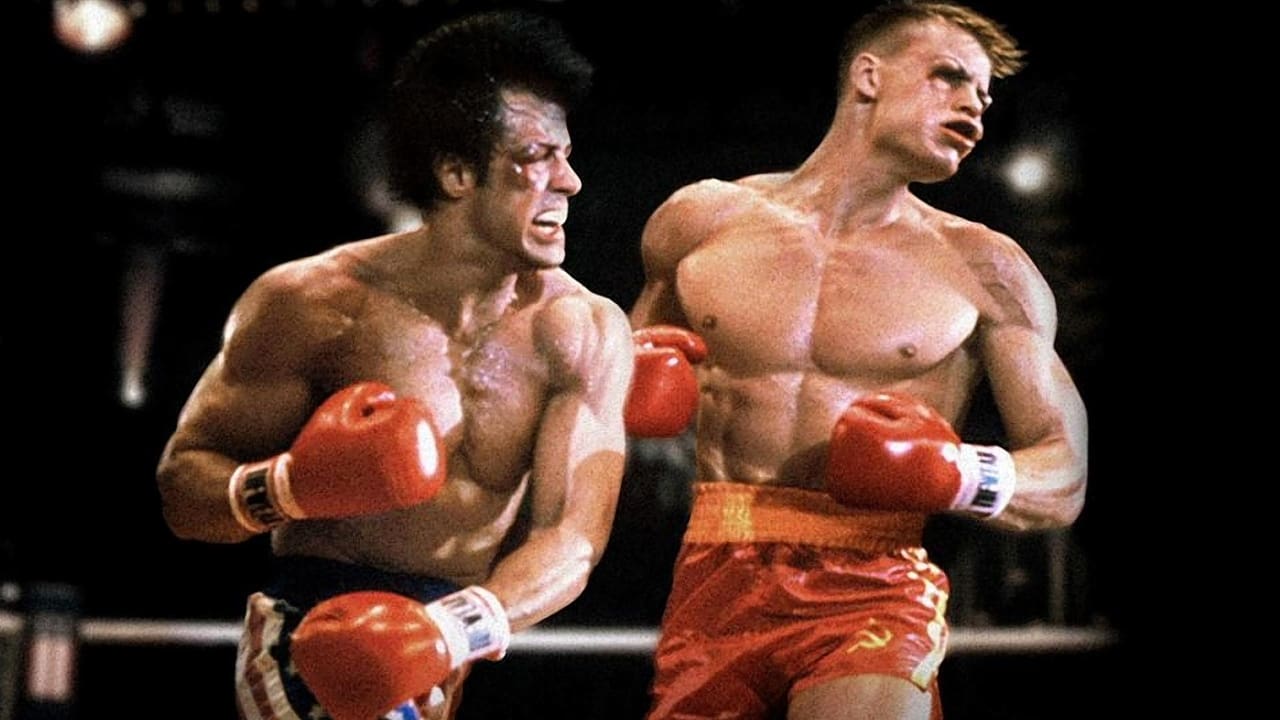
The emotional pivot of the film rests on the shoulders of Carl Weathers as Apollo Creed. Returning to the ring for an exhibition match against the Soviet titan Ivan Drago, Apollo enters the arena to James Brown’s "Living in America," surrounded by showgirls and enough red-white-and-blue glitter to cause a national shortage. It’s a tragic, hubristic moment. Weathers plays it with a perfect blend of aging ego and misplaced patriotism. When Drago—played by a terrifyingly stoic Dolph Lundgren—literally punches the life out of him, the movie shifts from a comedy of excess to a revenge thriller.
Dolph Lundgren is the ultimate 80s antagonist. With his flat-top hair and "I must break you" delivery, he wasn't just a boxer; he was the personification of Western anxieties regarding Soviet technology and state-sponsored perfection. Stallone leanly pits himself against this Goliath, abandoning the comforts of his mansion (and that weirdly sentient robot he bought for Paulie) to train in the frozen wilderness of the USSR. The contrast is the film’s thesis: Drago is high-tech, sterile, and monitored by computers; Rocky is chopping wood, lifting rocks, and outrunning KGB agents in the snow. It’s the "natural man" versus the "manufactured monster," and even if it’s subtle as a sledgehammer, it works every single time.
The VHS Iconography and Practical Pain
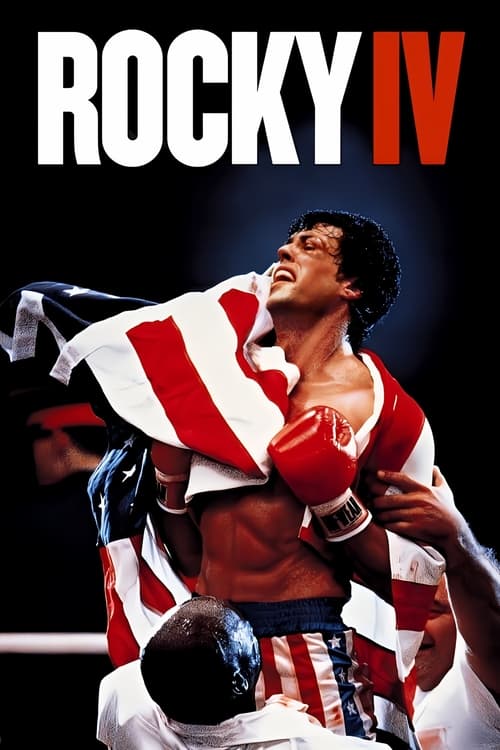
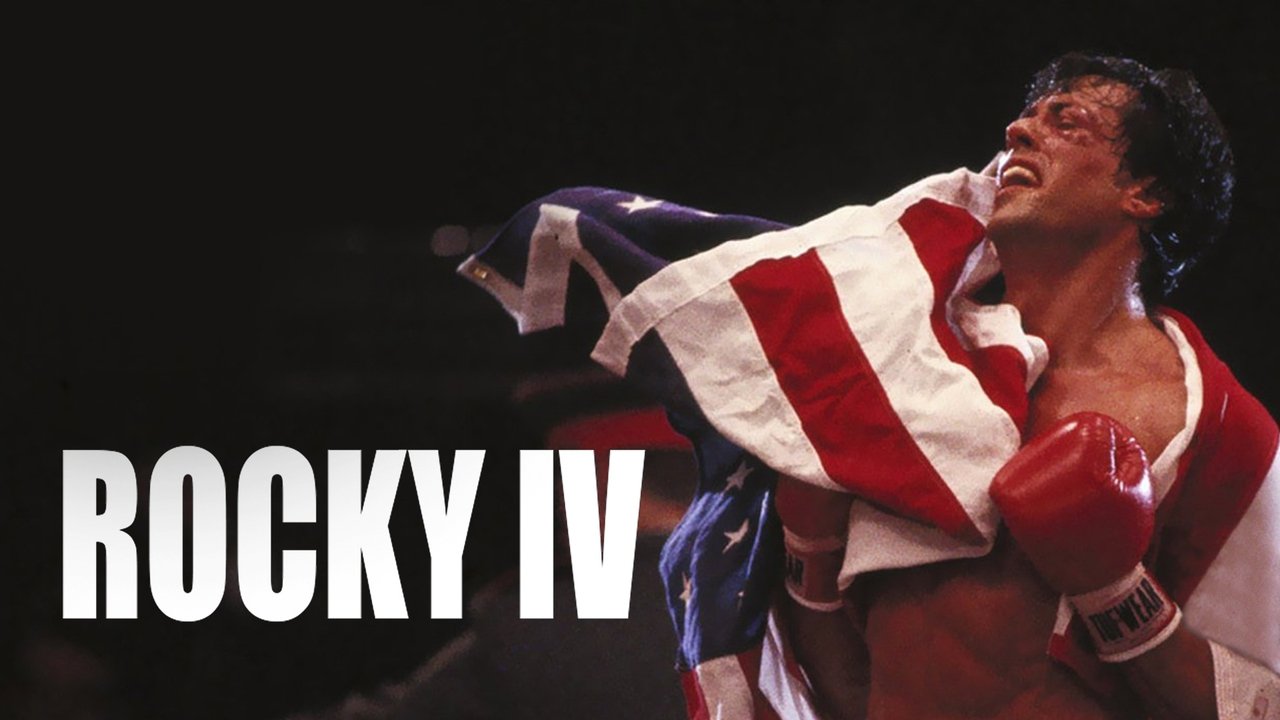
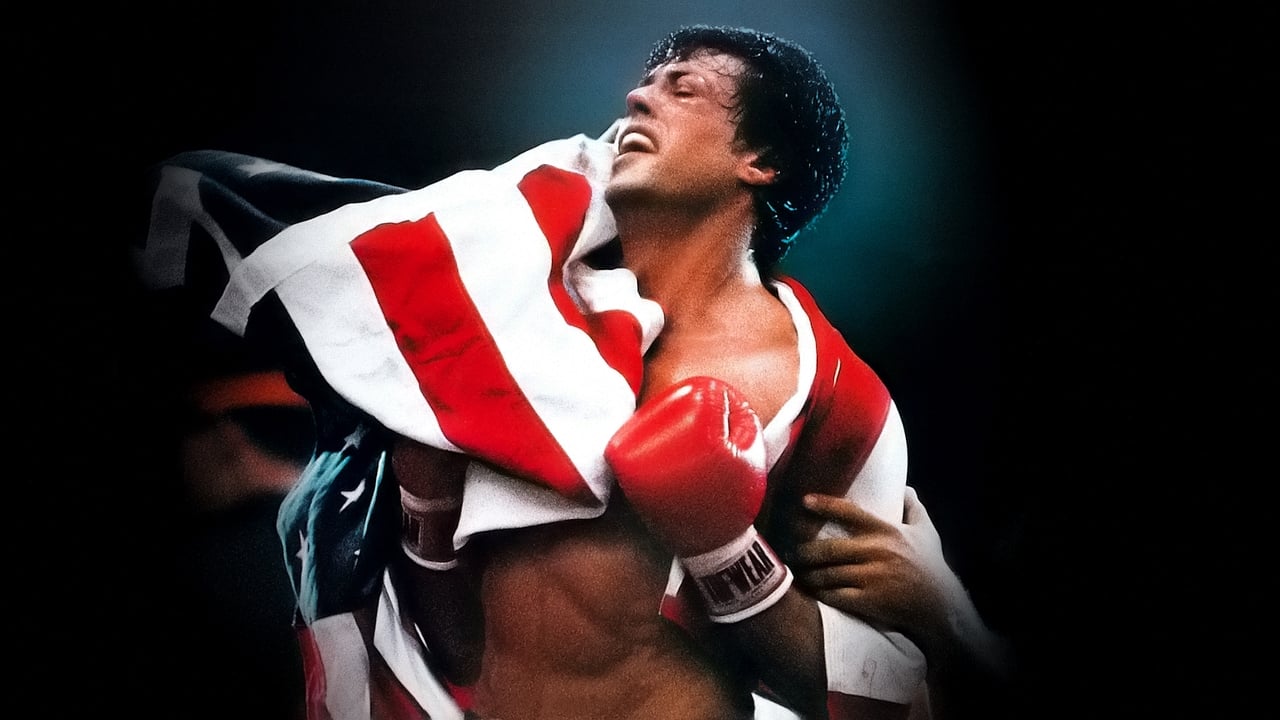
For those of us who grew up in the video store era, the Rocky IV tape was a staple. You could spot that box from three aisles away—Rocky draped in the American flag, looking like a battle-worn saint. It was the kind of movie you rented specifically to fast-forward to the training sequences when you needed motivation to finish a book report or, in my case, to try (and fail) to do a "dragon flag" off the end of my bed.
The behind-the-scenes reality was just as bruising as the on-screen action. Stallone, chasing total authenticity, told Lundgren to actually try to knock him out during the first few seconds of the fight. Dolph Lundgren—a literal karate champion—punched Stallone so hard in the chest that his heart slammed against his breastbone, causing it to swell and cut off oxygen. Stallone ended up in intensive care for eight days because he wanted the wide shots to look "real." That level of commitment to a sequel is why these films have such a lasting grip on us; even when the dialogue is cheesy, the physical stakes were terrifyingly high.
A Box Office Nuclear Strike
Commercially, Rocky IV was an absolute juggernaut. On a $31 million budget, it raked in over $300 million worldwide, becoming the highest-grossing sports movie for nearly a quarter of a century. It hit at the exact moment when American patriotism was at a fever pitch, fueled by the "Morning in America" Reagan era. It’s a film that captured the public imagination so thoroughly that it basically became the unofficial cultural blueprint for how the West viewed the closing years of the Cold War.
But beyond the politics and the $123 million domestic haul, there’s a genuine heart to the performances. Talia Shire as Adrian remains the anchor, the only person speaking sense while Rocky prepares for what looks like a suicide mission. And while Burt Young’s Paulie is mostly there for comic relief (and to complain about the cold), the ensemble feels like a family we’ve grown up with. When Rocky finally wins over the Moscow crowd with his "if I can change, and you can change" speech, it’s objectively ridiculous, yet I defy you not to feel a slight lump in your throat.
Rocky IV is the pinnacle of the 1980s blockbuster—a lean, mean, montage-heavy machine that prioritizes rhythm and emotion over logic. It’s the most rewatchable entry in the franchise precisely because it knows exactly what it is. It’s a celebration of the human spirit wrapped in a glossy, sweat-drenched package that still manages to get the blood pumping nearly forty years later. If you haven't seen it since the days of blurry magnetic tape, give it another spin; it’s still the ultimate cinematic adrenaline shot.
Keep Exploring...
-
Rocky III
1982
-
Rocky II
1979
-
Rocky Balboa
2006
-
Rocky
1976
-
Rocky V
1990
-
Over the Top
1987
-
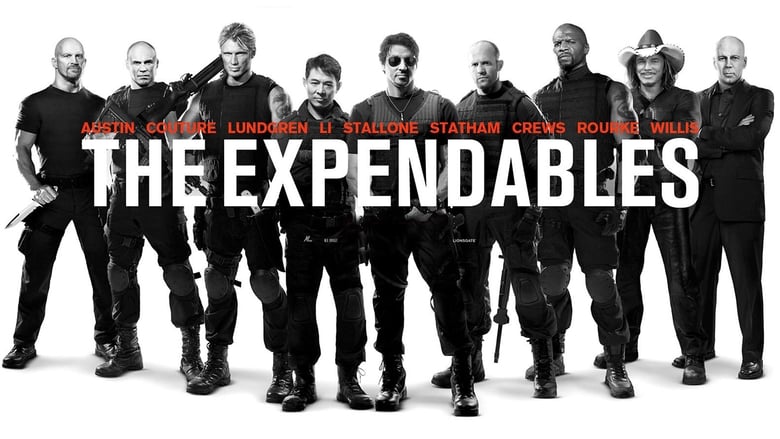
The Expendables
2010
-
First Blood
1982
-
Rambo: First Blood Part II
1985
-
Rambo III
1988
-
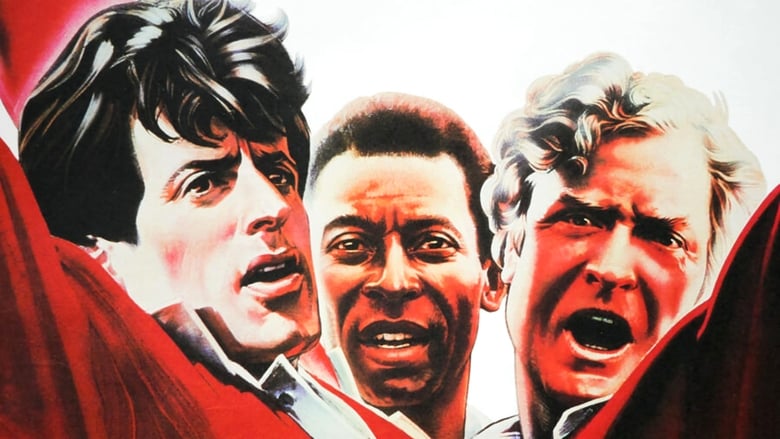
Escape to Victory
1981
-
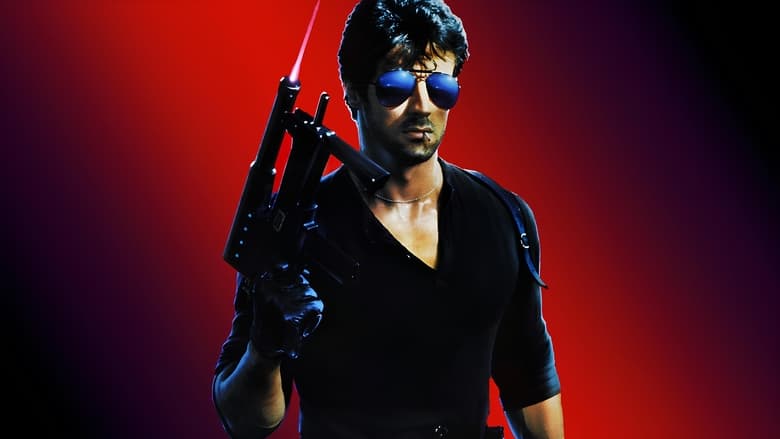
Cobra
1986
-
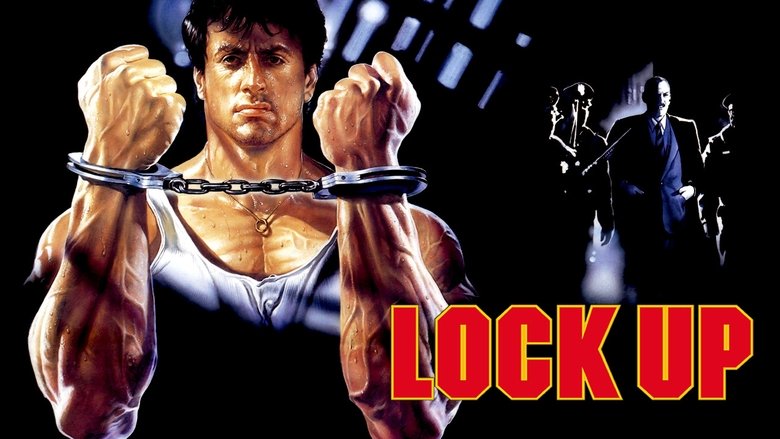
Lock Up
1989
-
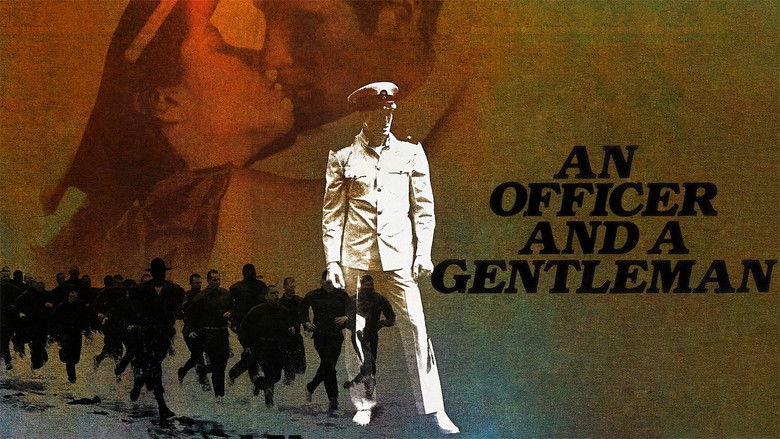
An Officer and a Gentleman
1982
-

Flashdance
1983
-
WarGames
1983
-
The Karate Kid
1984
-

Out of Africa
1985
-

The Color Purple
1985
-
Witness
1985