Teen Wolf
"Puberty is a beast, but varsity is worse."
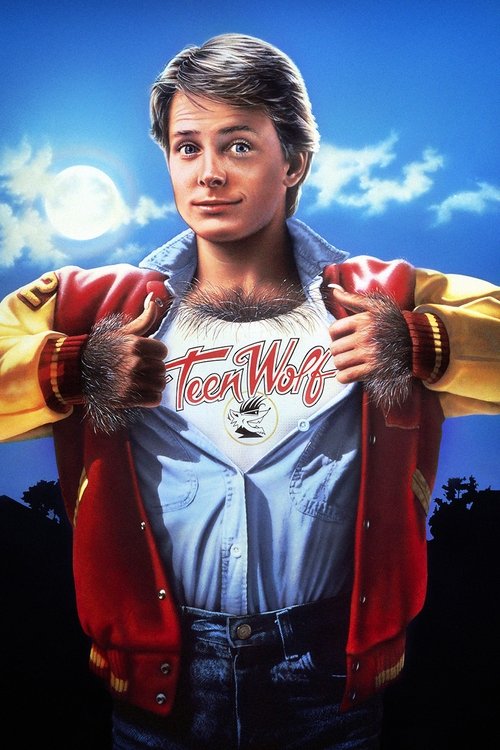
I was halfway through a bowl of slightly burnt stovetop popcorn, listening to my radiator clank like a ghost in a Victorian novel, when I realized that Teen Wolf is perhaps the most honest movie ever made about the 1980s. Not because of the hair or the synthesizers, but because it’s a film where a teenager transforms into a literal monster and his classmates' primary reaction is: "Cool, can he help us win the playoffs?" It is the peak of Reagan-era pragmatism wrapped in layers of yak hair and spirit gum.
The Fox Factor and the Summer of '85
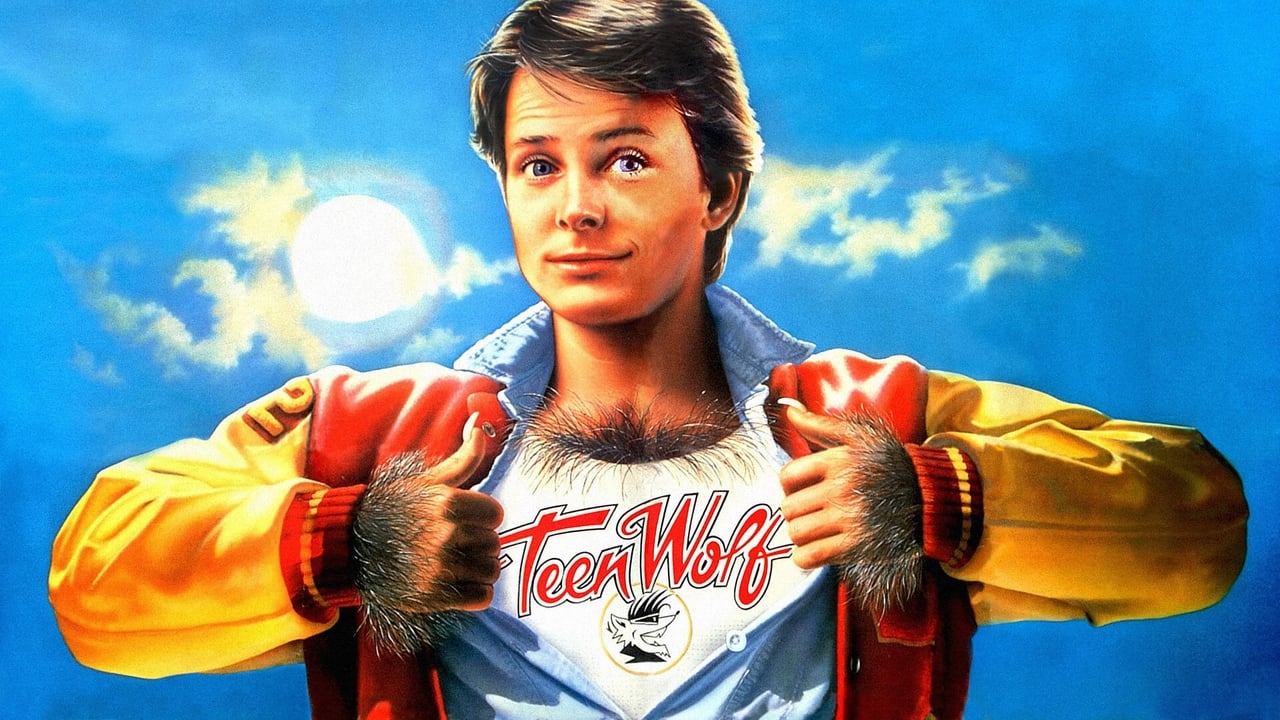
There is no world in which this movie works without Michael J. Fox. Shot before Back to the Future but released just after Marty McFly became a global phenomenon, Teen Wolf is the ultimate "lightning in a bottle" beneficiary. If any other actor played Scott Howard, the character would likely come across as a narcissistic jerk. After all, Scott spends the middle hour of the film being a total tool to his best friends while basking in the glow of werewolf-induced popularity.
But Fox has that innate, vibrating-at-a-higher-frequency charm that makes you forgive him. He plays the "human" Scott with a frantic, relatable insecurity, and even under the heavy makeup, his physical comedy—the double-takes, the frantic darting eyes—shines through. I’ve always felt that James Hampton, playing Scott’s father Harold, is the unsung hero here. Their "talk" about the family curse is played with such dry, suburban deadpan that it anchors the absurdity of the premise. It’s not a horror revelation; it’s a hereditary annoyance, like male-pattern baldness or a high cholesterol count.
Practical Fur and Gym Floor Physics
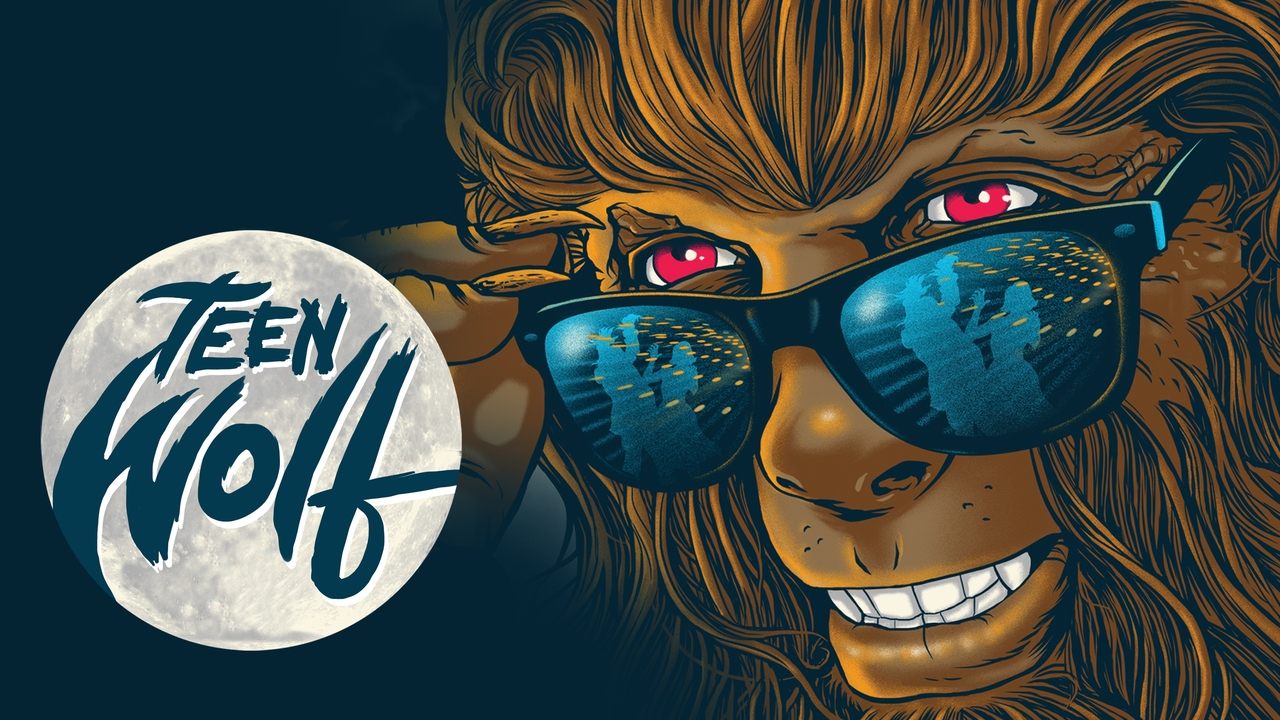
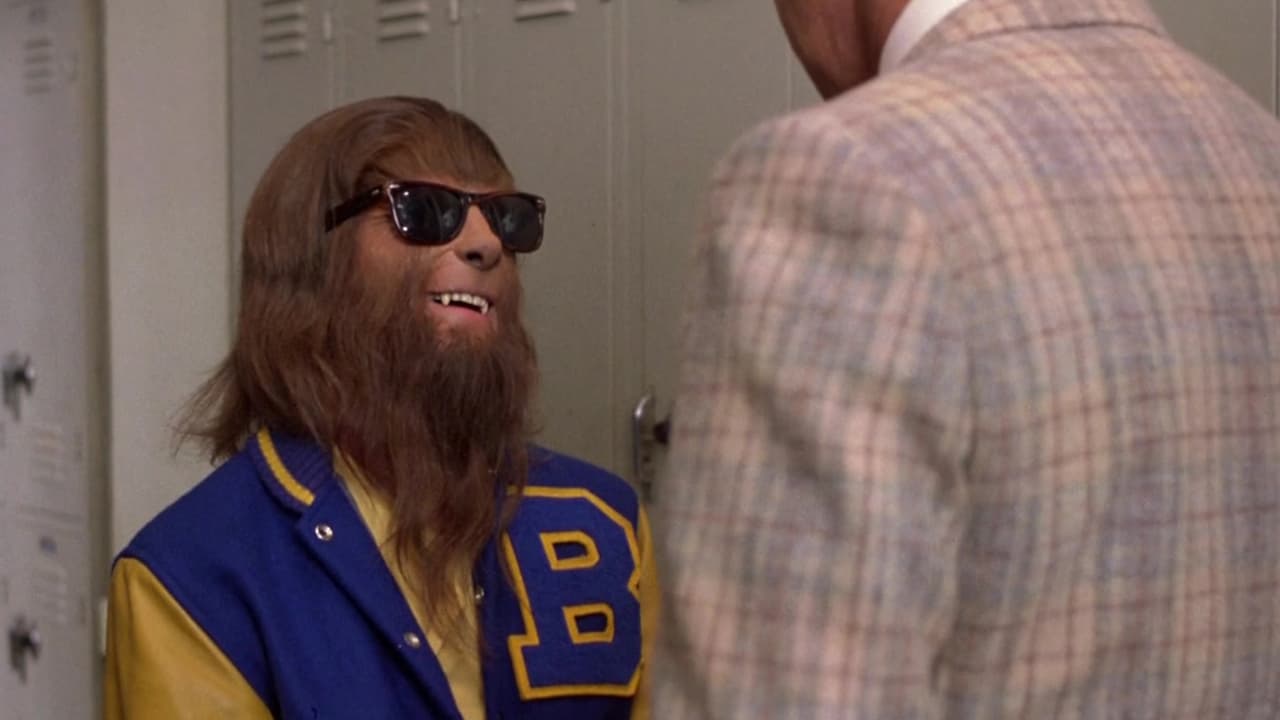
In an era of CGI where every transformation looks like liquid mercury, there is something deeply tactile and cozy about the practical effects in Teen Wolf. The makeup, handled by the Burman Studio, didn't aim for the visceral nightmare fuel of An American Werewolf in London. Instead, they created something that looked like a very athletic Pomeranian. It’s cheesy, yes, but it’s a masterpiece of "good enough" filmmaking. The wolf looks like he belongs in a high school hallway, which is the entire point.
The budget was a measly $1.2 million—roughly the catering budget for a modern Marvel flick—and you can see the hustle in every frame. Director Rod Daniel (who later gave us Beethoven) leans into the low-budget constraints by focusing on the comedy of the "Wolf" persona rather than the spectacle. The basketball scenes are particularly hilarious to watch as an adult because, let’s be honest, the basketball in this movie is technically a crime against the sport. The Wolf essentially just does a few layups and everyone acts like they’re watching Michael Jordan in his prime.
I remember the VHS box art at my local rental shop—the one with the yellow "Teen Wolf" font and Fox leaning against a locker. It always sat in the Comedy section, but the back of the box tried to sell it with a hint of "creature feature" mystery. In reality, the most "dangerous" thing in the movie is Jerry Levine as Stiles.
The Gospel According to Stiles
If you want to understand the 1980s, you don't look at the politicians; you look at Rupert "Stiles" Stilinski. Jerry Levine delivers one of the most quintessential "best friend" performances of the decade. Stiles is a walking lawsuit—selling "Teen Wolf" merchandise out of his locker, "van surfing" on a moving delivery truck, and wearing shirts that say "What Are You Looking At Dicknose."

The chemistry between Fox and Levine feels genuine, born of that specific high school brand of shared delusion. The film also benefits from a surprisingly solid supporting cast: Susan Ursitti as Boof (the girl next door with the most 80s name in history) and Matt Adler as Lewis. They provide the heart that prevents the movie from spinning off into a series of disconnected gags.
Interestingly, the screenplay was co-written by Jeph Loeb, who would eventually become a titan at Marvel Television. You can see his early knack for "hero's journey" tropes here, even if the "hero" is just a kid who wants to dunk and date the blonde girl. The movie’s cult status wasn't built in theaters—where it was a modest hit—but on home video. This was the ultimate "rewatch at a sleepover" movie. It’s short, punchy, and has a soundtrack by Miles Goodman that feels like a warm hug from a denim jacket.
Teen Wolf isn't high art, and it isn't even the best werewolf movie of 1985 (that's probably Silver Bullet for the scares or The Company of Wolves for the vibes). However, it is a perfectly preserved specimen of mid-80s optimism. It takes a classic horror trope and defangs it with a varsity jacket and a smile. It’s a movie about realizing that being "special" isn't as important as being yourself, even if "yourself" happens to have an incredible vertical leap and a lot of back hair. If you’re looking for a 92-minute escape back to a time when your biggest worry was the school bully and a full moon, you really can't go wrong here.
Keep Exploring...
-
Splash
1984
-
Weird Science
1985
-
K-9
1989
-
Fast Times at Ridgemont High
1982
-
Swiss Army Man
2016
-

Risky Business
1983
-
Romancing the Stone
1984
-
Sixteen Candles
1984
-
Ladyhawke
1985
-
National Lampoon's European Vacation
1985
-
Return
1985
-
The Jewel of the Nile
1985
-
The Money Pit
1986
-
Overboard
1987
-

The Witches of Eastwick
1987
-
Cocktail
1988
-
Scrooged
1988
-
Working Girl
1988
-

All Dogs Go to Heaven
1989
-

Ghostbusters II
1989