The Black Cauldron
"Before the Renaissance, there was the Darkness."

I remember seeing a grainy production still of the Horned King in a "Disney’s Scariest Moments" picture book long before I ever laid eyes on the actual film. He didn't look like a Disney villain; he looked like a heavy metal album cover that had crawled out of a crypt. For a kid raised on the bright, bouncy optimism of Cinderella, that image was a terrifying promise that the House of Mouse had a basement they didn’t want us to see.
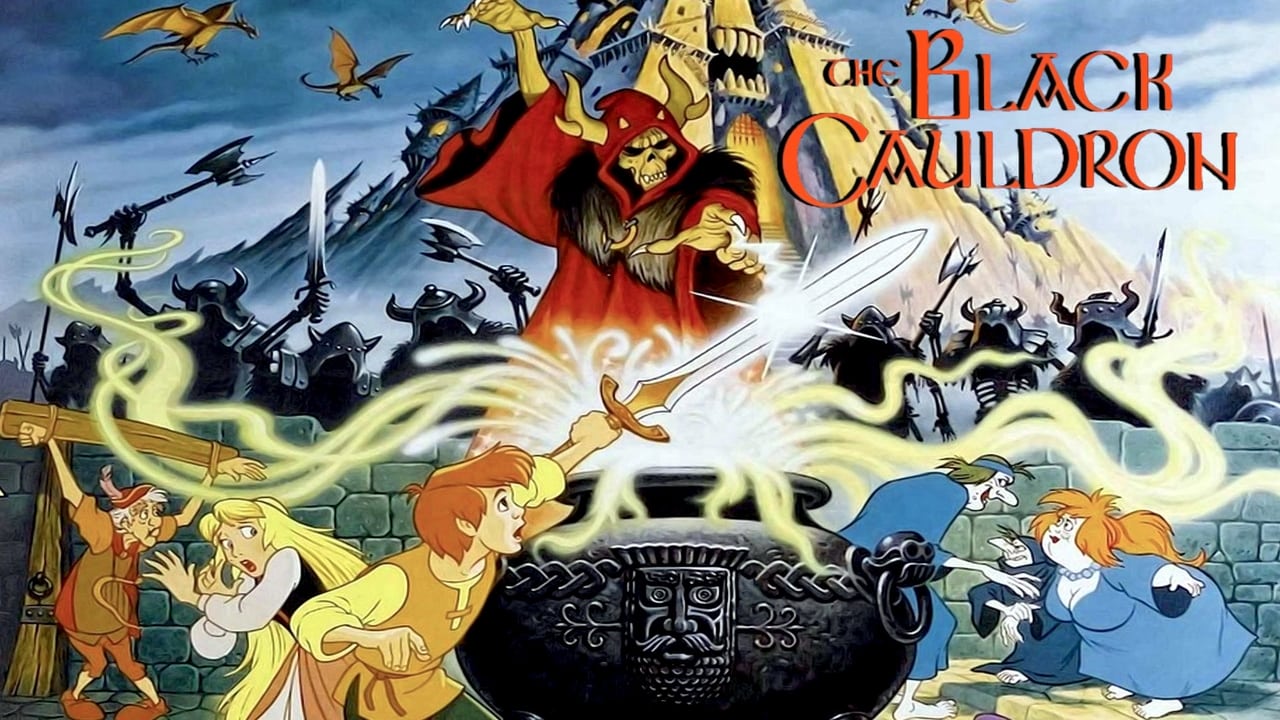
Watching it again today, I realized my childhood fear was well-placed. The Black Cauldron isn’t just a movie; it’s a fascinating, jagged scar on the history of animation. I watched this most recent viewing while eating a bowl of lukewarm oatmeal that had the exact same grey-brown consistency as the film’s color palette, and honestly, the vibes matched perfectly.
The House of Mouse Goes Metal
Released in 1985, The Black Cauldron arrived during Disney’s "wilderness years." The old guard was retiring, the new guard (including a young Tim Burton and John Lasseter) was itching to experiment, and the studio was hemorrhaging money. They decided to gamble $25 million—an astronomical sum at the time—on an adaptation of Lloyd Alexander's The Chronicles of Prydain.
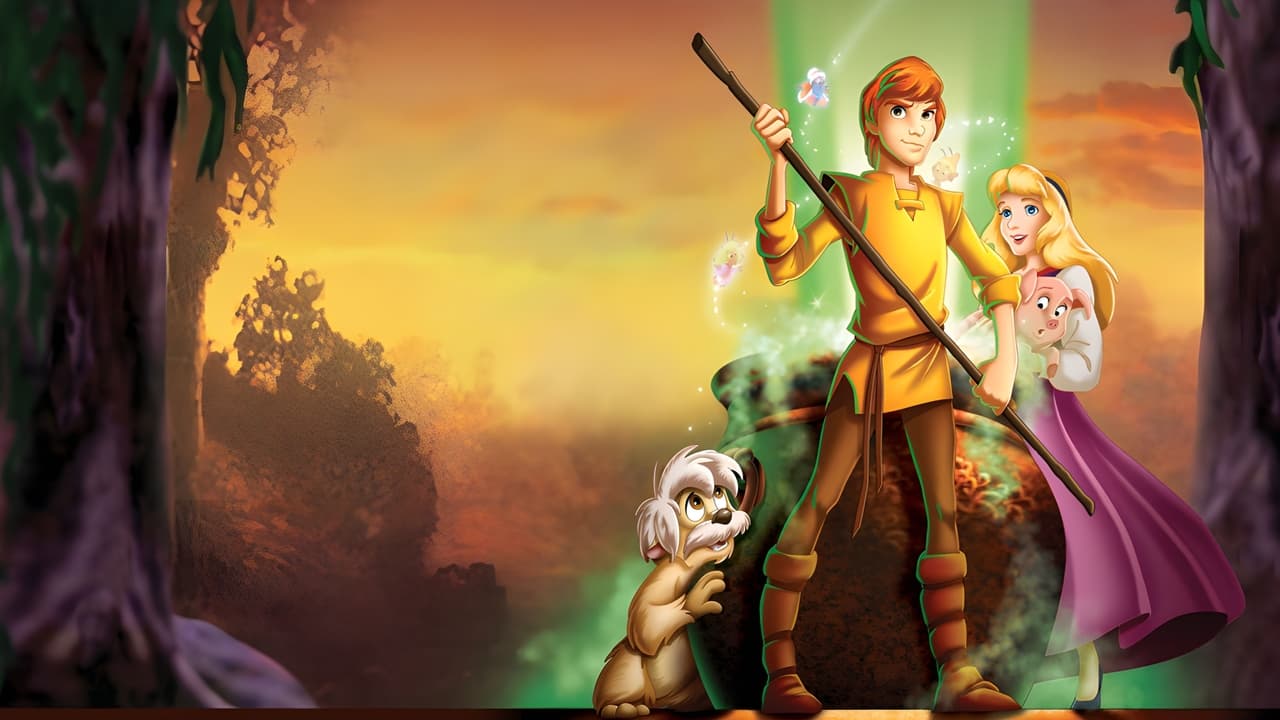
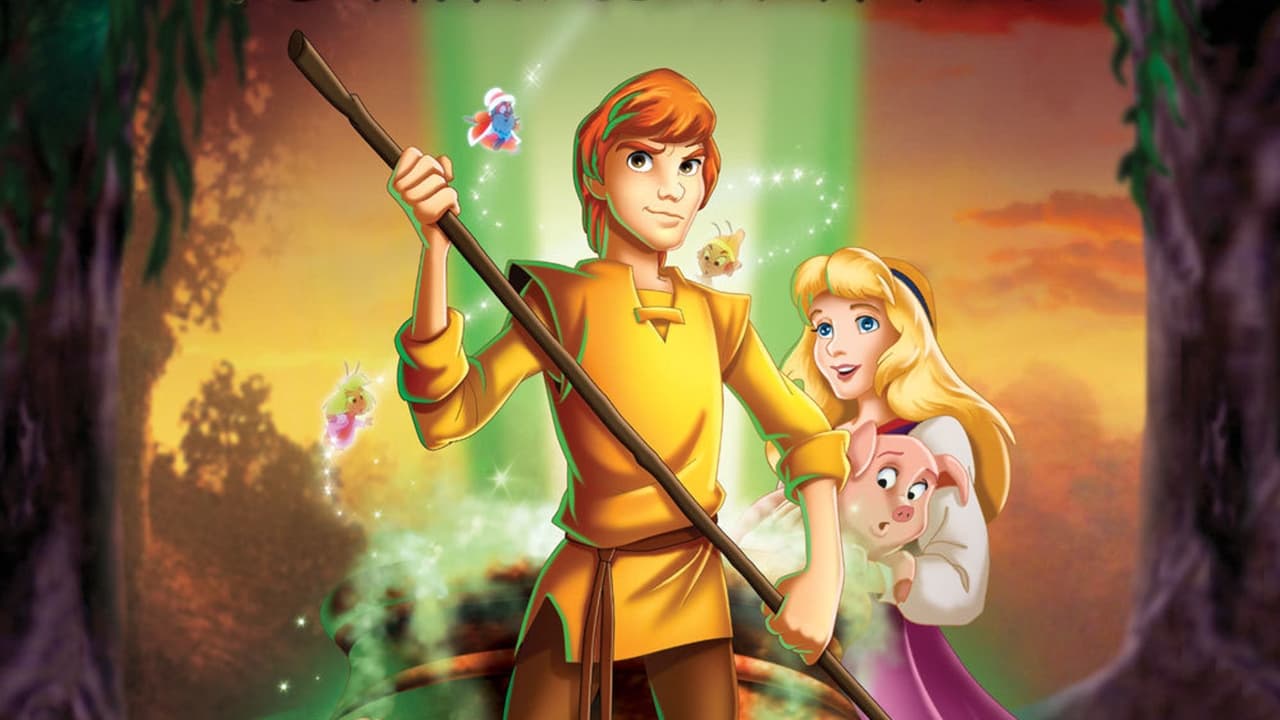
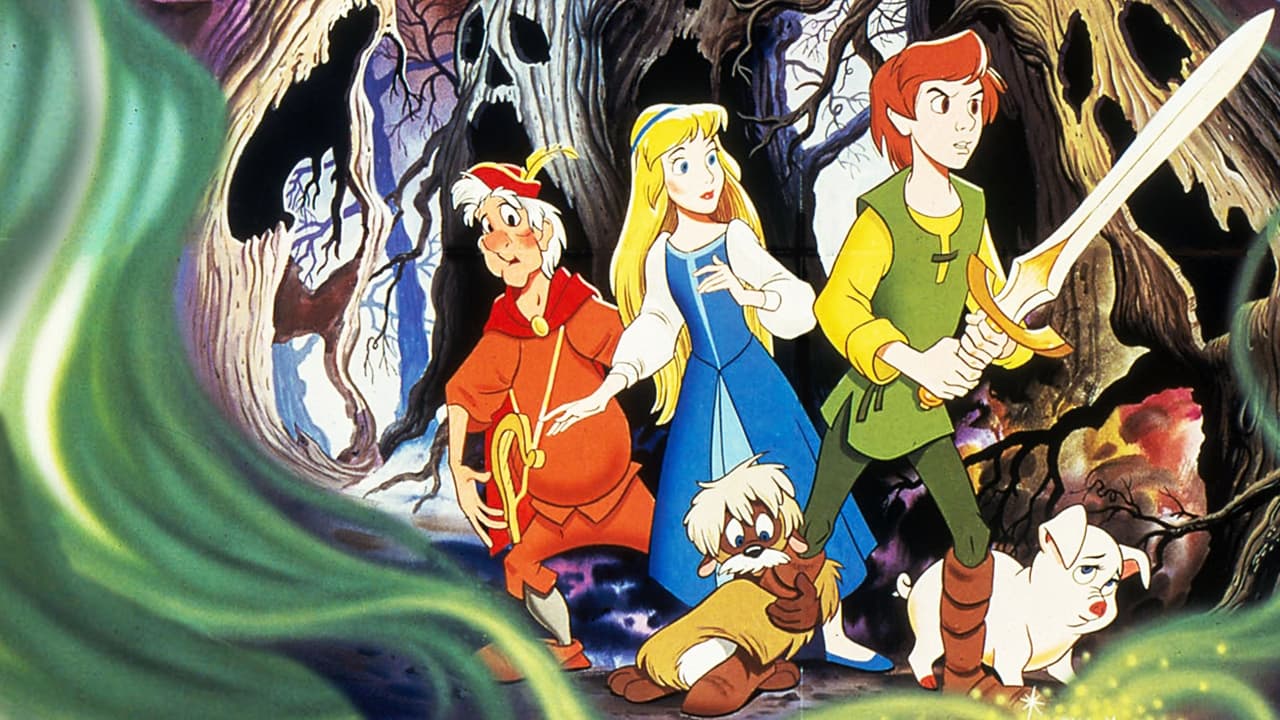
The result is a film that feels like it’s constantly fighting itself. On one hand, you have Taran (Grant Bardsley), an "assistant pig-keeper" who is effectively a knock-off Luke Skywalker with none of the charm. On the other, you have the Horned King, voiced with a chilling, Shakespearean gravel by the legendary John Hurt (Alien, The Elephant Man). Hurt delivers a performance that is way too good for this movie, turning a cartoon skeleton into a genuine avatar of nihilism.
The adventure kicks off when Taran’s oracular pig, Hen Wen, is kidnapped. What follows is a standard "gather the party" quest, introducing us to Princess Eilonwy (Susan Sheridan), a surprisingly proactive heroine for the era, and the bumbling bard Fflewddur Fflam (the great Nigel Hawthorne). Then there’s Gurgi (John Byner). Oh, Gurgi. Gurgi sounds like a clogged garbage disposal trying to apologize for itself, and whether you find him endearing or worthy of being punted into the nearest marsh is the ultimate litmus test for this movie.
The Cutting Room Floor of Doom
The real story of The Black Cauldron happened behind the scenes. This was the first Disney film to earn a PG rating, and it nearly earned an R. When the newly installed studio boss Jeffrey Katzenberg saw a test screening, he was so horrified by the graphic "Cauldron-Born" sequence—where undead soldiers melt and mutate—that he grabbed the physical film and started cutting it himself.
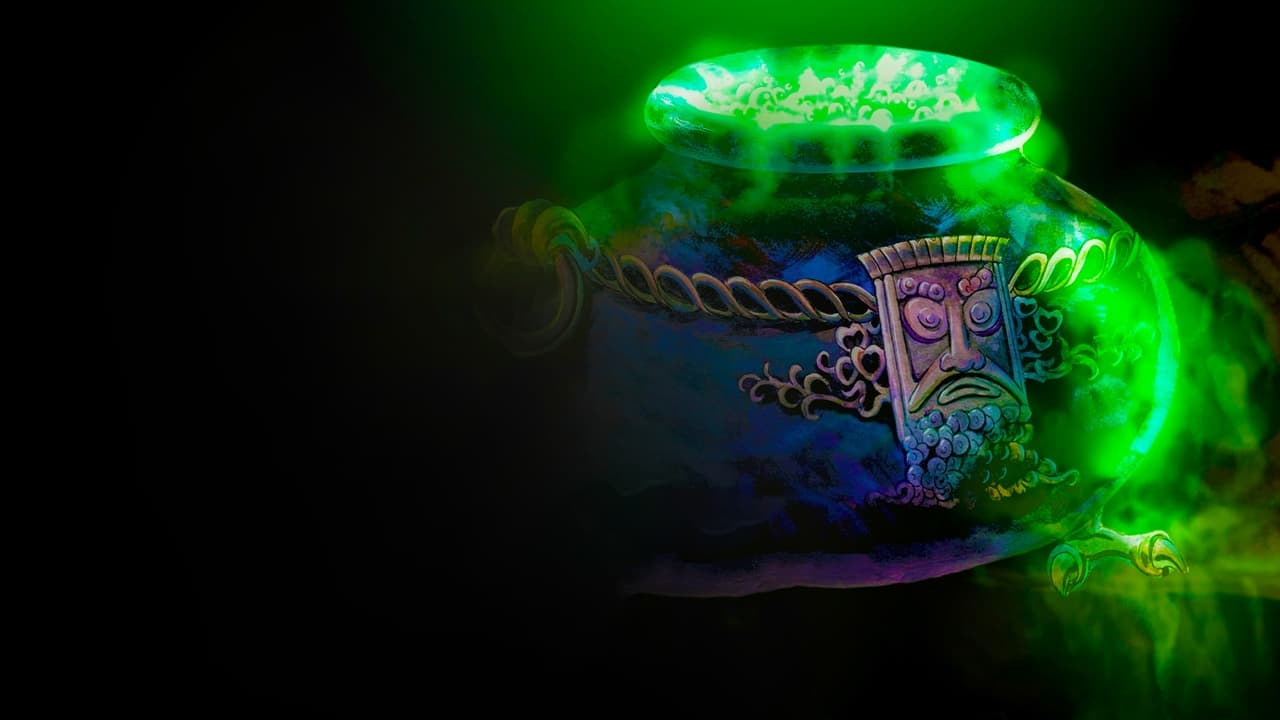
You can feel those frantic edits. The pacing is breathless in the wrong way, jumping from location to location with a frantic energy that never lets the world-building breathe. Yet, the practical artistry on display is staggering. This was the "Golden Age" of effects animation before CGI took over. They used holographic technology for the Fairfolk and early computer-generated imagery for the Cauldron itself. The scale of the Horned King’s castle, with its jagged spires and oppressive shadows, captures a sense of peril that modern, sanitized "family" films wouldn't dare touch.
The score by Elmer Bernstein (The Magnificent Seven, Ghostbusters) is another highlight. It’s heavy on the Ondes Martenot—an early electronic instrument that creates a woozy, ethereal whistle—giving the whole journey a trippy, psychedelic edge that feels more like an 80s synth-fantasy epic than a traditional fairy tale.
The Myth of the "Lost" Movie
What makes The Black Cauldron a true "Popcornizer" oddity is its journey through the VHS era. Because it was such a colossal box-office bomb—losing out to The Care Bears Movie, of all things—Disney effectively buried it. For thirteen years, it was the "forbidden" film. You couldn't rent it at Blockbuster. You couldn't buy it at the Disney Store.
This forced obscurity turned it into a playground legend. We heard rumors of the "deleted scenes" where people's skin melted off, and we traded stories about the movie Disney was too scared to show us. When it finally hit VHS in 1998, the reality couldn't possibly live up to the myth, but the film’s cult status was already cemented. It’s the ultimate "black sheep" of the family, a weird, clunky, beautiful disaster that proved Disney could do dark—even if they weren't entirely sure how to do it well.
The Black Cauldron is a fascinating failure. It lacks the cohesive storytelling of the films that would follow in the Disney Renaissance, and Taran is arguably the most bland protagonist to ever lead an epic adventure. However, if you have a soft spot for 80s dark fantasy like The Dark Crystal or Willow, this is required viewing. It’s a glimpse into an alternate timeline where Disney traded Broadway tunes for high-fantasy horror, and while it didn't quite work, the ambition alone is worth the price of admission. Seek it out for the Horned King, stay for the gorgeous background paintings, and try not to let Gurgi’s voice haunt your dreams.
Keep Exploring...
-
The Fox and the Hound
1981
-

The Swan Princess
1994
-
The Secret of NIMH
1982
-

Bedknobs and Broomsticks
1971
-

Return to Oz
1985
-

All Dogs Go to Heaven
1989
-
The Rescuers
1977
-

DuckTales: The Movie - Treasure of the Lost Lamp
1990
-
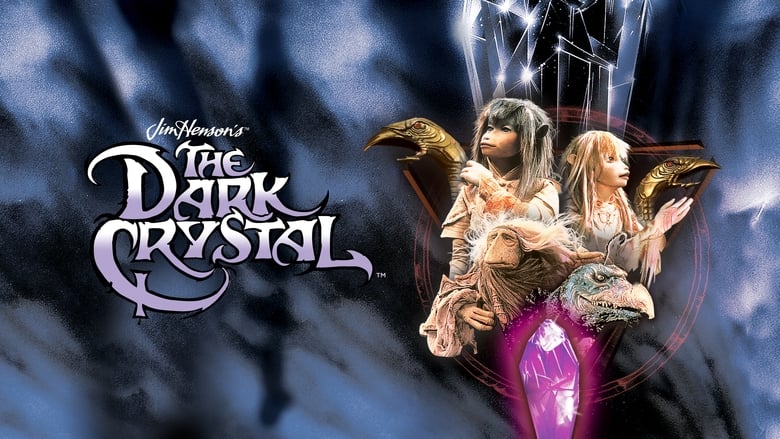
The Dark Crystal
1982
-

An American Tail
1986
-
The Great Mouse Detective
1986
-
Tinker Bell
2008
-
Asterix and Cleopatra
1968
-
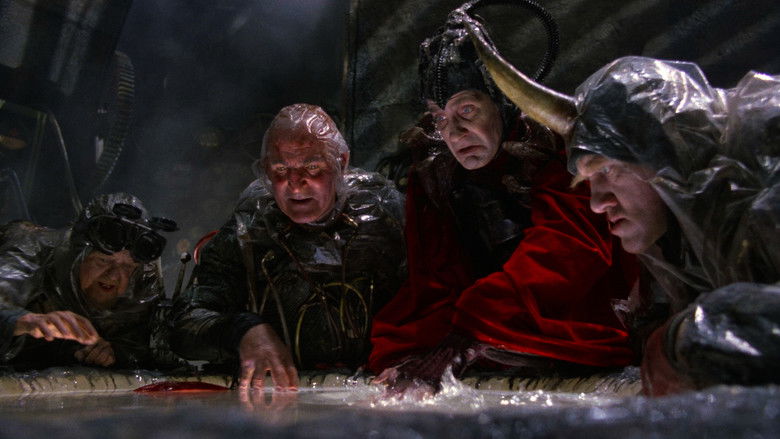
Time Bandits
1981
-
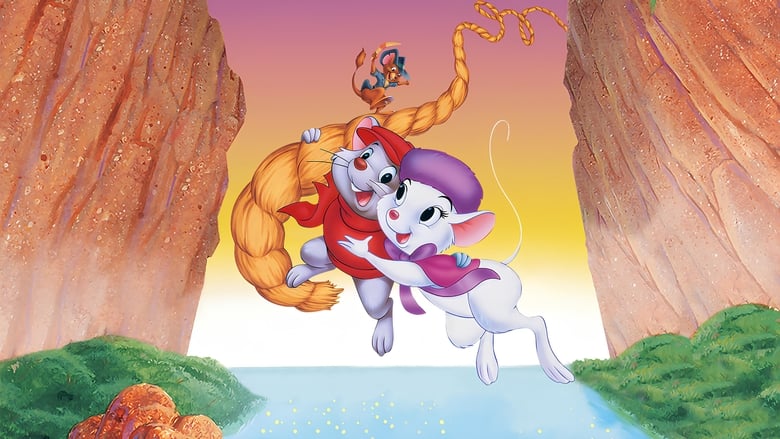
The Rescuers Down Under
1990
-

The Ant Bully
2006
-
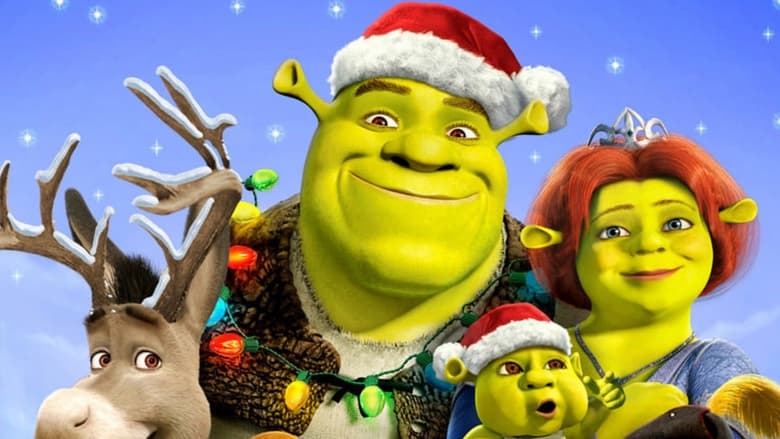
Shrek the Halls
2007
-
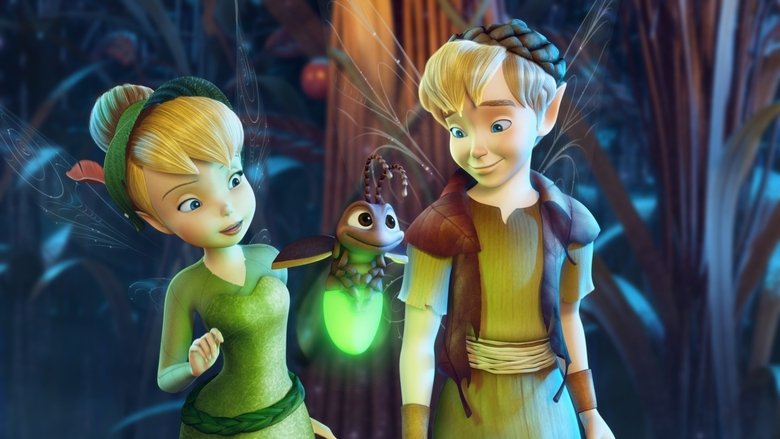
Tinker Bell and the Lost Treasure
2009
-
Tinker Bell and the Great Fairy Rescue
2010
-
A Monster in Paris
2011