The Breakfast Club
"We're all pretty bizarre. Some of us are just better at hiding it."
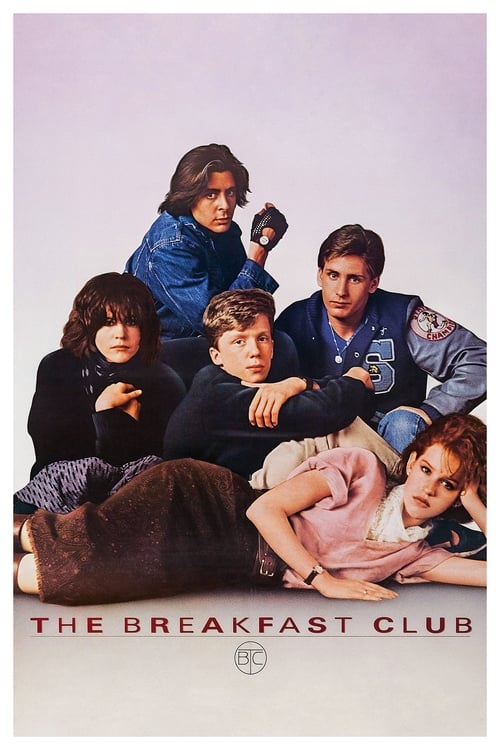
The first thing you notice isn’t the dialogue, but the silence. It’s the heavy, oppressive quiet of a high school library on a Saturday morning—a place that usually hums with the performative anxiety of teenagers, now reduced to the sound of a ticking clock and the squeak of a sneaker on linoleum. I revisited this classic last Tuesday while nursing a lukewarm Dr. Pepper that had lost its fizz twenty minutes earlier, and that flat, sugary syrup felt like the perfect accompaniment to the stifling atmosphere of Shermer High.
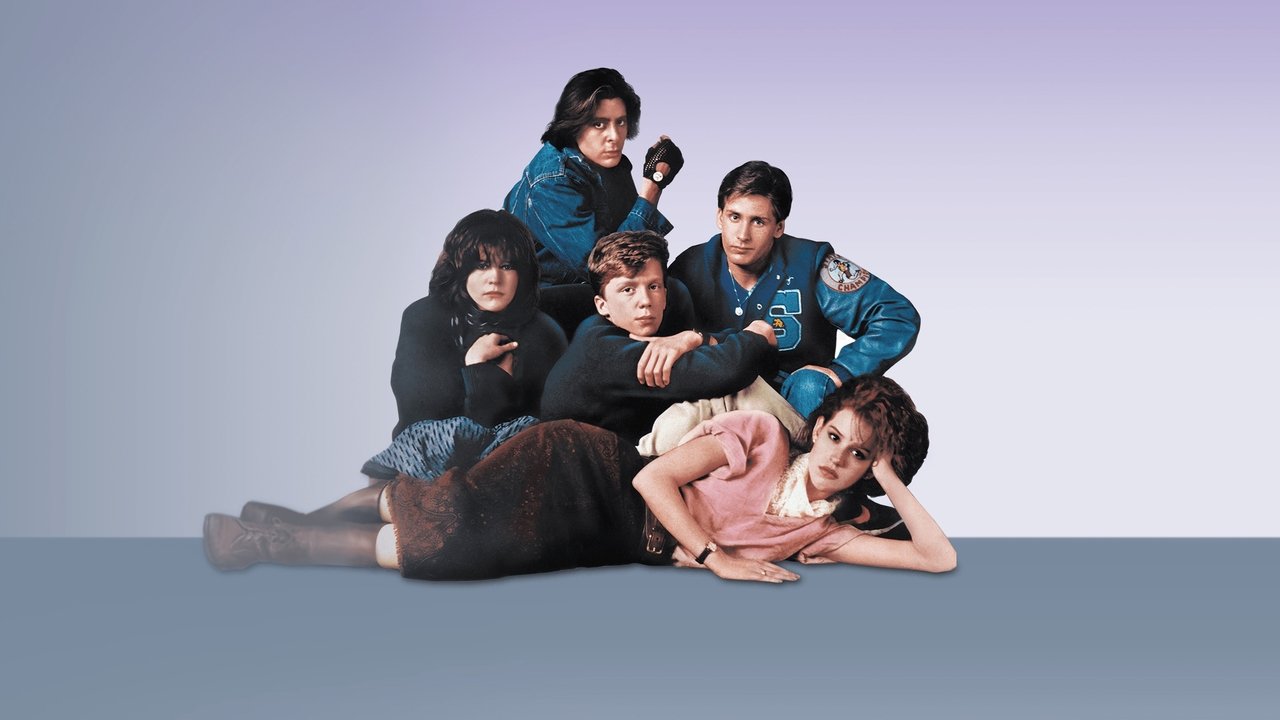
John Hughes is often remembered for his neon-soaked 80s exuberance, but The Breakfast Club is essentially a minimalist stage play. It’s five characters in search of an exit, not just from the library, but from the rigid social architecture that defines their lives.
The Anatomy of an Archetype
On the surface, Hughes gives us a deck of cards we’ve played a thousand times. There’s the Jock (Emilio Estevez), the Princess (Molly Ringwald), the Brain (Anthony Michael Hall), the Basket Case (Ally Sheedy), and the Criminal (Judd Nelson). If this were any other 1985 teen flick, they’d stay in those lanes, maybe winning a big game or losing their virginity by the final reel.
Instead, the film functions as a psychological deconstruction. Judd Nelson’s John Bender is the catalyst, a vibrating wire of trauma and bravado who forces the others to stop posing. It’s easy to forget how aggressive Bender is; he’s not just a "rebel," he’s a kid whose home life is a war zone, and he brings that combat into the room. Emilio Estevez provides the perfect counterweight as Andrew Clark. There is a quiet tragedy in his performance—the realization that his entire identity is a construct built to satisfy a father who only views him as a vessel for trophies.
The genius of the casting lies in the "Brat Pack" chemistry. These weren't just actors; they were icons of a specific VHS-fueled stardom. When you popped this tape into your VCR in the late 80s, the grain of the film and the warmth of the tracking felt like you were eavesdropping on a private therapy session. I remember my older sister’s copy of the tape; the cardboard sleeve was worn white at the edges because it was the movie you watched when you felt like no one "got" you.
The Philosophy of the Circle
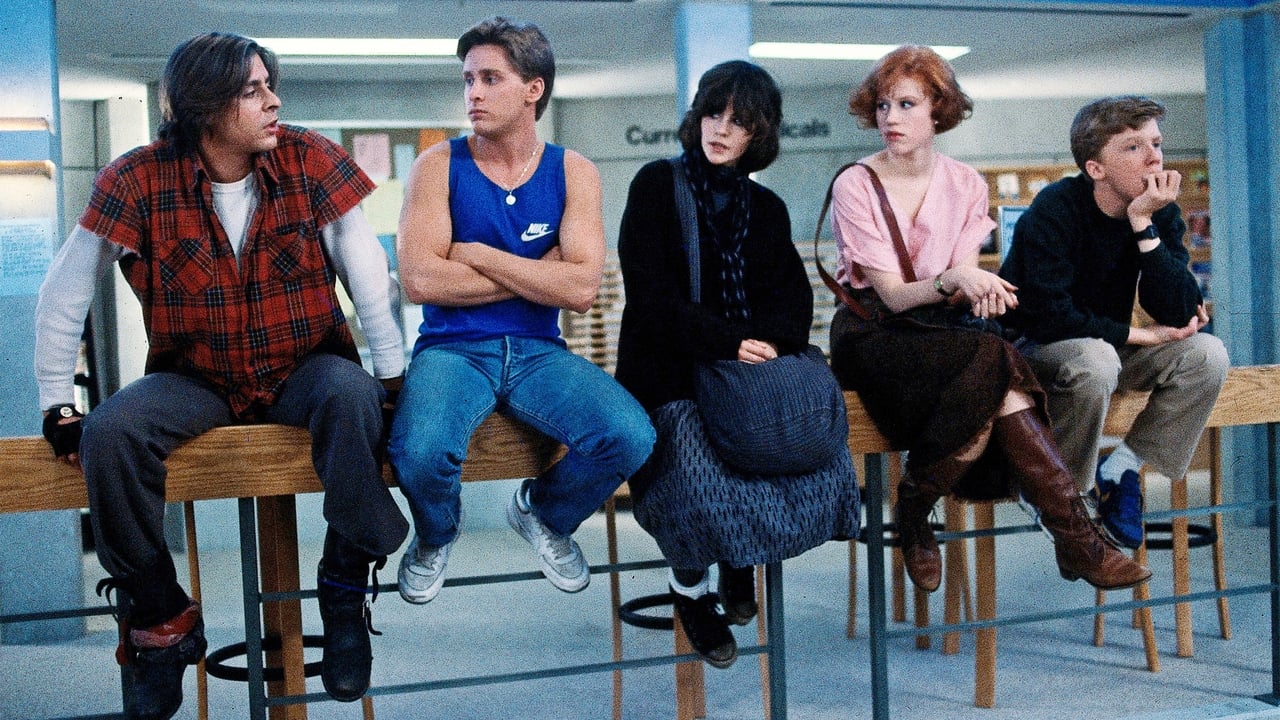
The film’s centerpiece—the "confessional" circle where the group gets high and spills their guts—is where the movie shifts from a comedy into something more cerebral. It poses an existential question that haunts every teenager: Are we destined to become our parents?
Paul Gleason’s Richard Vernon is the ghost of Christmas future here. He isn't just a "power-hungry principal"; he is the cynical end-point of a person who has let his soul be crushed by the system. His scene in the basement with the janitor (the underrated John Kapelos) is the film’s darkest moment. Vernon admits he’s terrified of the kids he’s supposed to lead. It suggests that the "labels" don't disappear when you graduate; they just get heavier.
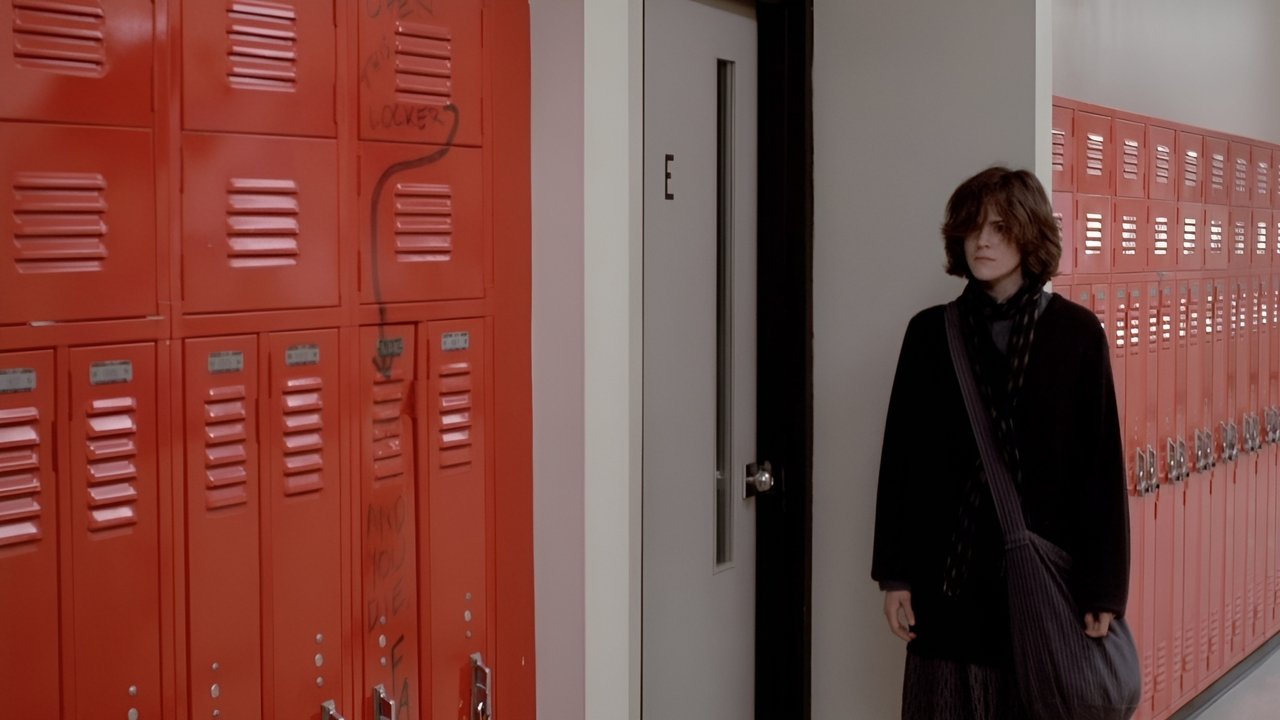
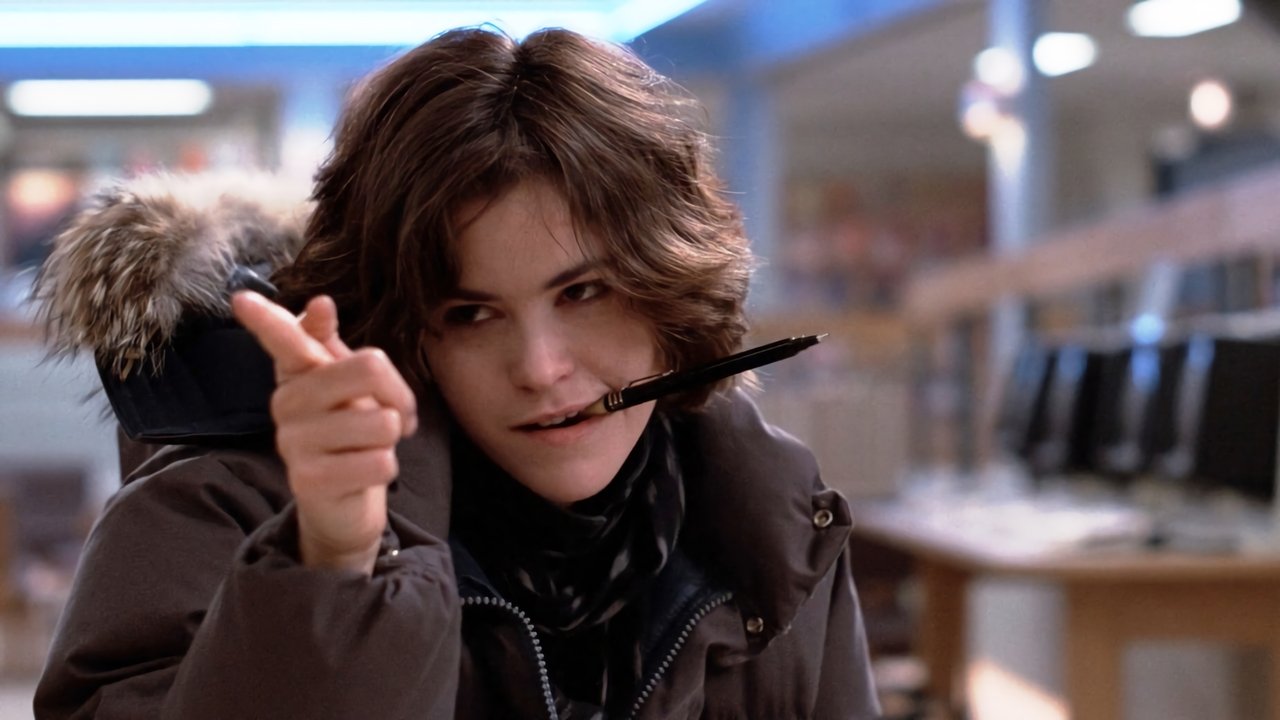
Anthony Michael Hall delivers a performance as Brian that still breaks my heart. The "Brain" isn't just a nerd; he’s a boy contemplating suicide over a failing grade in shop class. It’s a stark reminder that the "Brain" archetype carries a burden of perfection that is just as suffocating as Bender’s abuse. Ally Sheedy’s Allison Reynolds, meanwhile, remains the most interesting presence. She’s the only one who chooses her "Basket Case" label as a defense mechanism. The film’s biggest mistake, and I’ll stand by this, is the "makeover" scene that tries to "fix" her by putting her in a pink dress. She was far more compelling as the charcoal-smudged enigma who could draw with her own dandruff.
The Monday Morning Problem
Hughes, who also wrote the screenplay, understood that the dialogue didn't need to be realistic—it needed to be felt. When Molly Ringwald’s Claire admits she probably won’t say hi to Brian in the hallway on Monday, it’s a brutal, honest gut-punch. It acknowledges that while they found a "universal truth" in detention, the gravity of the high school caste system is almost impossible to escape.
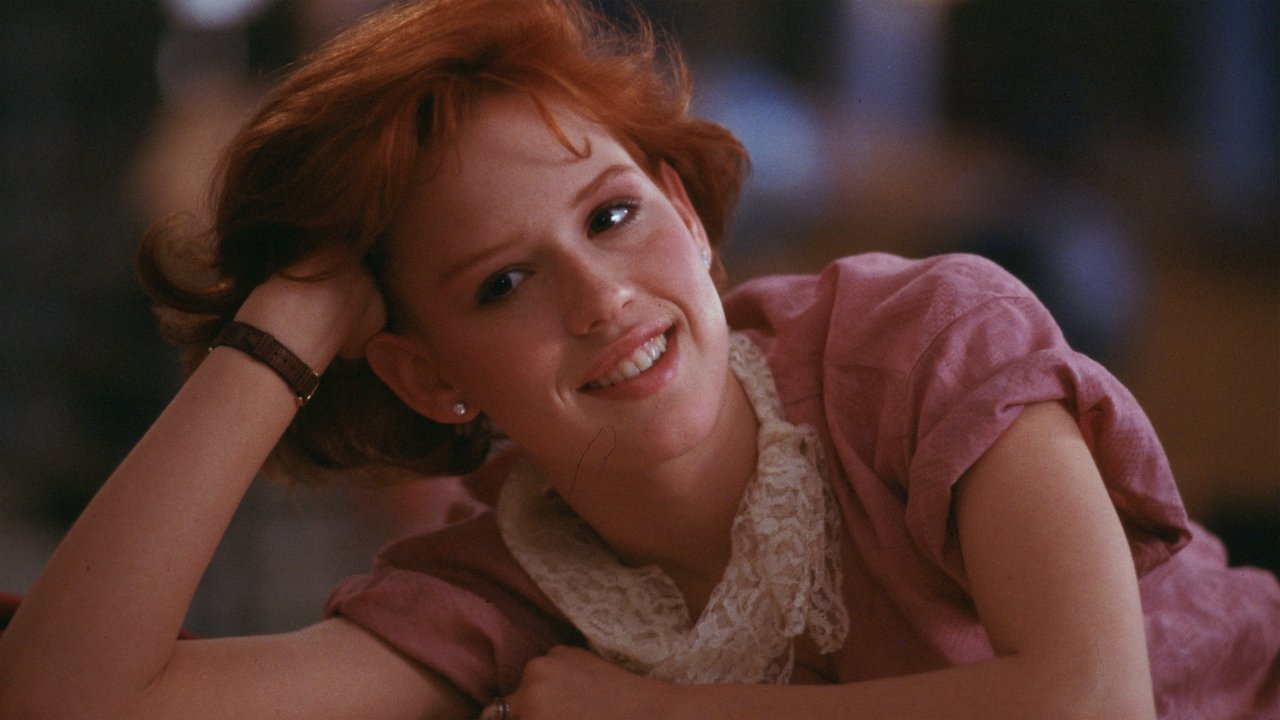
The production was famously tight. Hughes shot the film in sequence to allow the actors to naturally build their rapport. Apparently, Judd Nelson stayed in character off-camera, relentlessly picking on Molly Ringwald to keep the tension high, nearly getting himself fired in the process. That friction bleeds into the frame.
The soundtrack, anchored by Simple Minds’ "Don't You (Forget About Me)," became the anthem of a generation precisely because it captured the film's central anxiety: the fear of being forgotten or, worse, being remembered as something you aren’t.
The Breakfast Club is the rare film that manages to be both a time capsule of 1985—the hair, the fashion, the specific texture of the "New Hollywood" transition into the blockbuster era—and a timeless meditation on identity. It’s a movie that rewards you more the older you get. When you’re sixteen, you’re the kid on the floor; when you’re forty, you’re the principal in the basement, wondering where it all went sideways. The most tragic thing about the film is the unspoken reality that Claire and Andrew probably wouldn’t have spoken to Brian the next morning. It’s that bitter truth that makes the final fist-pump in the air feel so earned, and so fleeting.
Keep Exploring...
-

Ferris Bueller's Day Off
1986
-
Sixteen Candles
1984
-
Uncle Buck
1989
-
Planes, Trains and Automobiles
1987
-
Breakfast at Tiffany's
1961
-
Manhattan
1979
-
The Apartment
1960
-
Harold and Maude
1971
-
Annie Hall
1977
-
The King of Comedy
1982
-

The Lost Boys
1987
-
When Harry Met Sally...
1989
-
Gandhi
1982
-
Weird Science
1985
-
Being There
1979
-

To Kill a Mockingbird
1962
-

National Lampoon's Christmas Vacation
1989
-
After Hours
1985
-
Brazil
1985
-
La Dolce Vita
1960