The Color Purple
"Find your voice. Find your soul."

In 1985, Steven Spielberg was the undisputed king of the suburban spectacle. If you wanted aliens, archeologists, or killer sharks, he was your guy. So, when it was announced he’d be adapting Alice Walker’s Pulitzer Prize-winning novel about the harrowing life of a Black woman in the early 20th-century South, the industry collective eyebrow didn't just rise—it hit the ceiling. Critics wondered if the man who gave us E.T. could handle the brutal, internal realities of systemic abuse and segregation without turning it into a theme park ride.
I rewatched this recently on a humid Tuesday night while trying to fix a leaky kitchen faucet with a pair of pliers that were too small for the job, and the contrast was striking. My plumbing woes felt hilariously insignificant compared to the forty-year journey of Celie. What Spielberg did here wasn't just a pivot; it was a declaration that he could paint with more than just primary colors.
The Power of the Silent Gaze
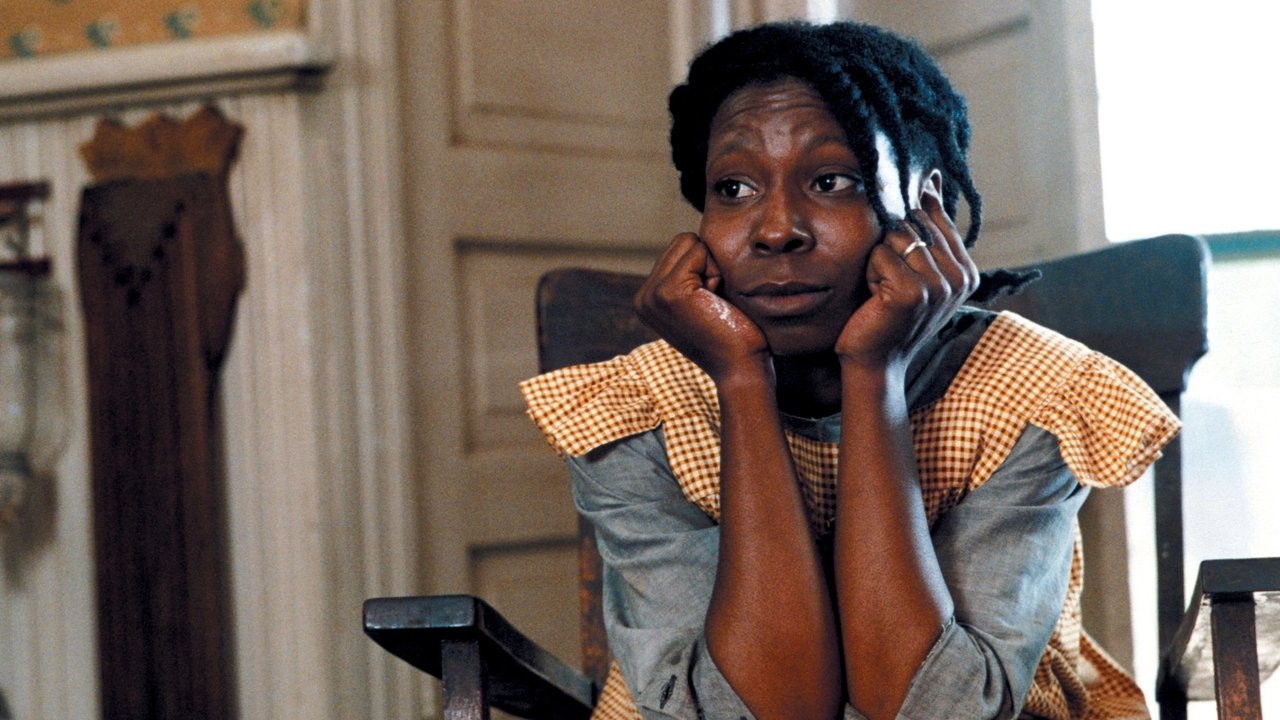
The film lives and breathes through Whoopi Goldberg in her cinematic debut. Before she was a household name or an Oscar winner for Ghost, she was Celie, a woman whose life is a series of stolen moments and suppressed screams. Goldberg performs a miracle here using almost nothing but her eyes. For the first hour, Celie is a ghost in her own life, surviving the monstrous "Mister" Albert Johnson—played with a chilling, pathetic insecurity by Danny Glover, who also brought us the iconic Roger Murtaugh in Lethal Weapon.
What I find intellectually fascinating is how the film treats the concept of "God." In the beginning, Celie’s letters are addressed to a distant, celestial figure because she has no one else. But as she meets the fierce, unbreakable Sofia—a career-defining turn by Oprah Winfrey—and the sultry, independent Shug Avery (Margaret Avery), that dialogue shifts. It becomes a conversation with the self and the world around her. The film asks: what happens to the soul when the world tries to erase it? The answer is found in the vibrant fields of purple flowers that give the film its title.
A Masterclass in Stylized Reality
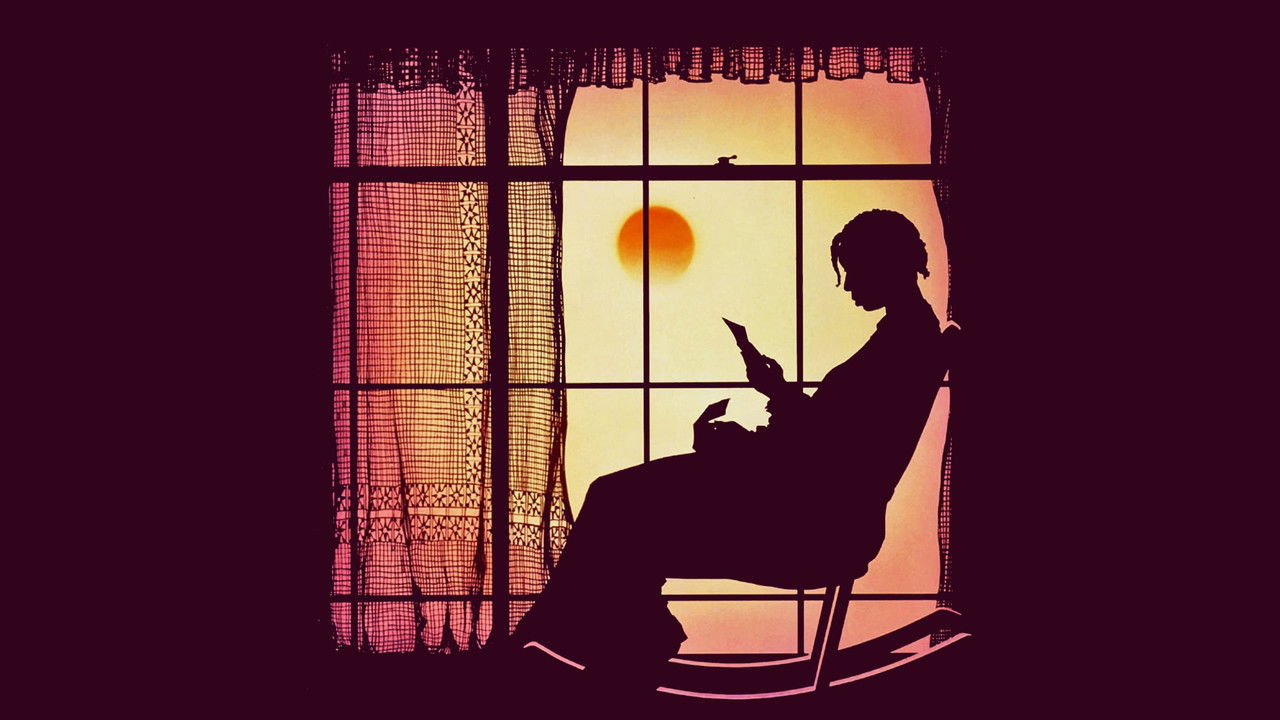
One of the big debates at the time—and something that still sparks heated discussion in film circles—is the "Spielberg Look." Working with cinematographer Allen Daviau, who also shot E.T. the Extra-Terrestrial, Spielberg treats the Georgia landscape with a lush, almost magical realism. Some critics argued it was too "pretty" for a story about domestic violence and poverty.
I disagree. To me, the beauty of the cinematography serves as a vital counterpoint to the ugliness of the characters' circumstances. It emphasizes that the world is a glorious place even when the people in it are cruel. It’s a visual representation of hope. The way Daviau captures the light hitting Margaret Avery’s face during the "Miss Celie's Blues" sequence at the Harpo's juke joint is nothing short of legendary. It feels like a memory rather than a document.
The music, handled by the titan Quincy Jones (yes, the man behind Michael Jackson’s Thriller), is the glue. It blends gospel, blues, and traditional orchestral swells to create an emotional landscape that mirrors Celie’s growth. By the time the score reaches its climax during the inevitable, tear-jerking reunion scenes, the movie has effectively turned your tear ducts into high-pressure fire hoses.
The 11-Nomination Snub and the VHS Legacy

If you want to talk about a cinematic robbery, let’s talk about the 58th Academy Awards. The film was nominated for 11 Oscars and won exactly zero. The Academy basically did the 1980s version of "ghosting" this movie. It remains one of the most egregious shutouts in history, likely because the industry wasn't quite ready to reward Spielberg for "growing up," or perhaps they were uncomfortable with the raw subject matter.
However, the film found its true, permanent home in the video stores of the late 80s. I remember the distinctive purple spine of the Warner Home Video clamshell case sitting on the "Drama" shelf. It was the kind of tape that stayed checked out for weeks at a time. Families didn't just rent it; they gathered around CRT televisions to experience it together. It was a staple of the "home theater" revolution, proving that a heavy, challenging drama could be a commercial juggernaut just as much as a space opera.
Danny Glover’s performance as Mister is particularly worth a second look through a modern lens. He isn't just a one-dimensional villain; he’s a man trapped in his own cycle of learned cruelty. Mister is essentially a prototype for every toxic internet comment section come to life, yet the film finds a way to offer him a sliver of pathetic humanity by the end.
The Color Purple is a rare example of a blockbuster director using his massive capital to tell a story that genuinely mattered. It’s big, it’s loud, and it’s unashamedly sentimental, but it earns every single one of those emotions through the sheer force of its acting and its visual poetry. It challenges us to look at the "least of these" and see the divine. Even if the Oscars weren't ready for it in 1985, the film has outlasted almost everything else from that year in terms of cultural weight and raw, staying power.

Keep Exploring...
-
Empire of the Sun
1987
-
Close Encounters of the Third Kind
1977
-
The Elephant Man
1980
-
Gandhi
1982
-
Amadeus
1984
-
Out of Africa
1985
-
Ran
1985
-
The Last Emperor
1987
-
Rain Man
1988
-
Lincoln
2012
-
The Post
2017
-
Raiders of the Lost Ark
1981
-
E.T. the Extra-Terrestrial
1982
-
Indiana Jones and the Temple of Doom
1984
-
Indiana Jones and the Last Crusade
1989
-
Butch Cassidy and the Sundance Kid
1969
-
Judgment at Nuremberg
1961
-

The Sound of Music
1965
-
Kramer vs. Kramer
1979
-

The Right Stuff
1983