The Goonies
"Goonies never say die. They just get louder."
Before every kid in a movie had a smartphone and a cynical worldview, there was a specific brand of suburban chaos that required constant screaming. If you haven’t watched The Goonies lately, the first thing that hits you isn't the sense of adventure—it’s the decibel level. These kids don’t talk; they overlap, shout, quip, and screech in a way that feels like a caffeinated riot. It’s glorious. I’m writing this while dealing with a persistent fruit fly circling my laptop screen, and honestly, the frantic swatting I’m doing perfectly matches the energy of Sean Astin trying to keep his friends from falling into a spike pit.
Released in 1985, The Goonies is the ultimate "Save the Neighborhood" fantasy. It’s the peak of the Amblin era, where Richard Donner and Chris Columbus (under the watchful, benevolent eye of producer Steven Spielberg) mastered the art of making the mundane suburbs of Astoria, Oregon, feel like the gateway to a subterranean wonderland.
The Fellowship of the Attic
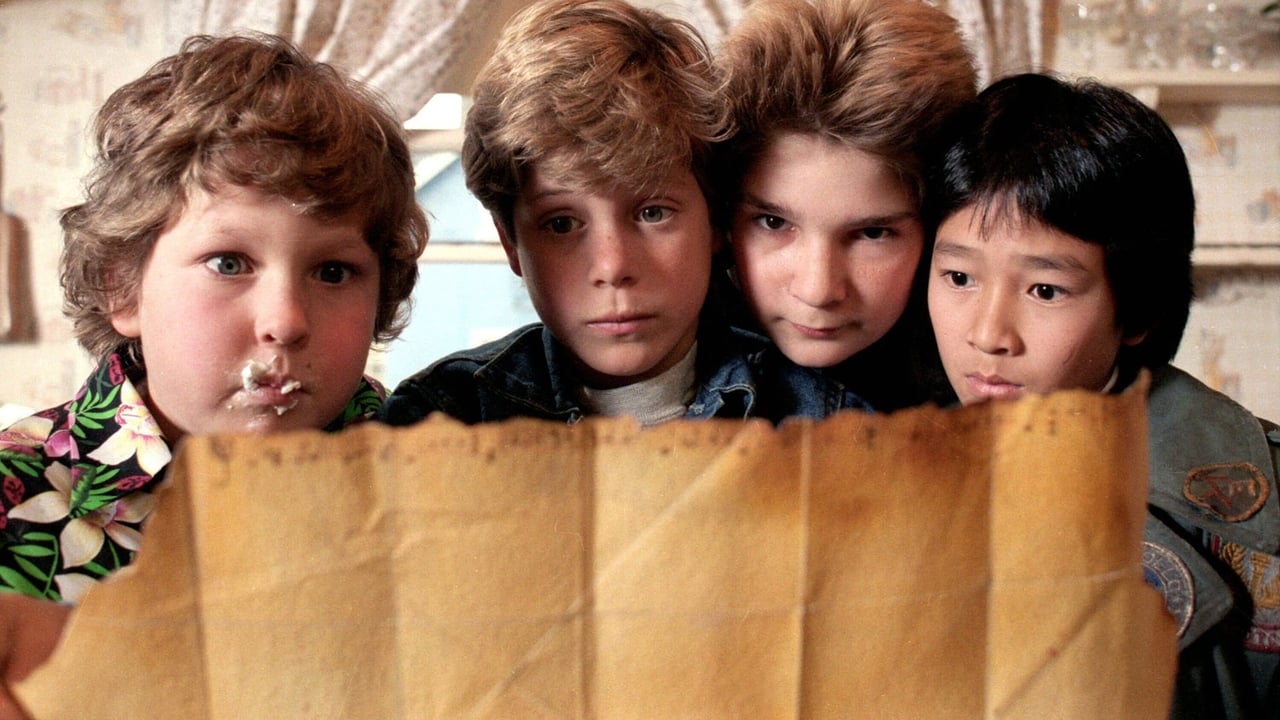
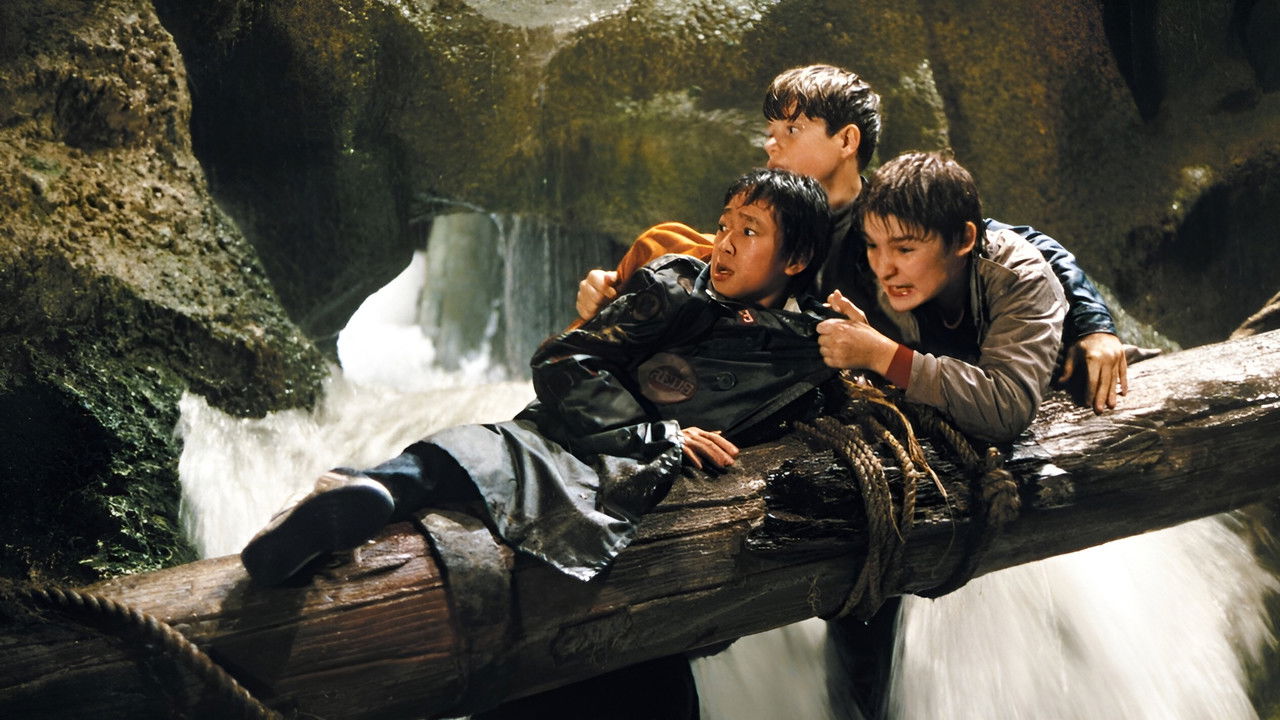
The plot is a masterpiece of childhood desperation. Mikey (Sean Astin) and his older brother Brand (Josh Brolin, rocking workout gear that is the most 1985 thing to ever happen to celluloid) are about to lose their home to greedy country club developers. Along with their friends—the gadget-heavy Data (Jonathan Ke Huy Quan), the motor-mouthed Mouth (Corey Feldman), and the perpetually hungry Chunk (Jeff Cohen)—they discover a treasure map in the attic.
What follows is a descent into a world of "booby traps" and pirate lore that feels like a junior-varsity Indiana Jones. The chemistry here isn't manufactured; it’s a chaotic, messy brotherhood. When Jeff Cohen performs the iconic "Truffle Shuffle," it’s funny, sure, but there’s a vulnerability to these kids that modern "brave" child protagonists often lack. They are terrified, they are annoying, and they are incredibly loyal. They’re running from the Fratellis, a family of escaped convicts who feel like they stepped out of a twisted Sunday morning cartoon, led by the formidable Mama Fratelli (Anne Ramsey).
Tracking Issues and Treasure Maps
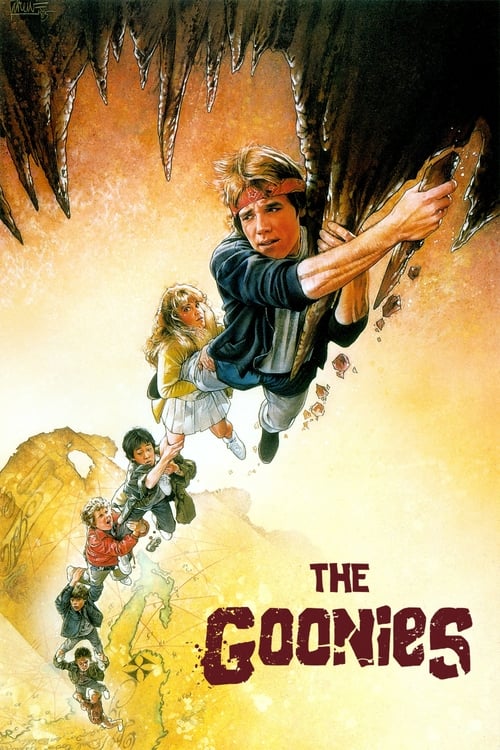
For those of us who grew up in the 80s and 90s, The Goonies wasn't just a movie; it was a permanent fixture in the VCR. I’m talking about the kind of VHS tape where the cardboard cover was held together by Scotch tape and the "Warner Home Video" logo at the start was preceded by a blizzard of tracking lines. This film lived in the video store ecosystem. The box art—the kids hanging off a cliffside—promised an adventure that felt achievable. You couldn't be a Jedi, but you could definitely find a map in your grandpa's attic.
The magic of the film lies in its rejection of the "polished" look. Everything feels tactile. The underground tunnels are damp, the skeletons look dusty, and the "Copper Bones" key is a prop you’d give anything to own. This was the Golden Age of practical effects, where if a kid was going down a giant stone waterslide, they were actually on a giant stone waterslide.
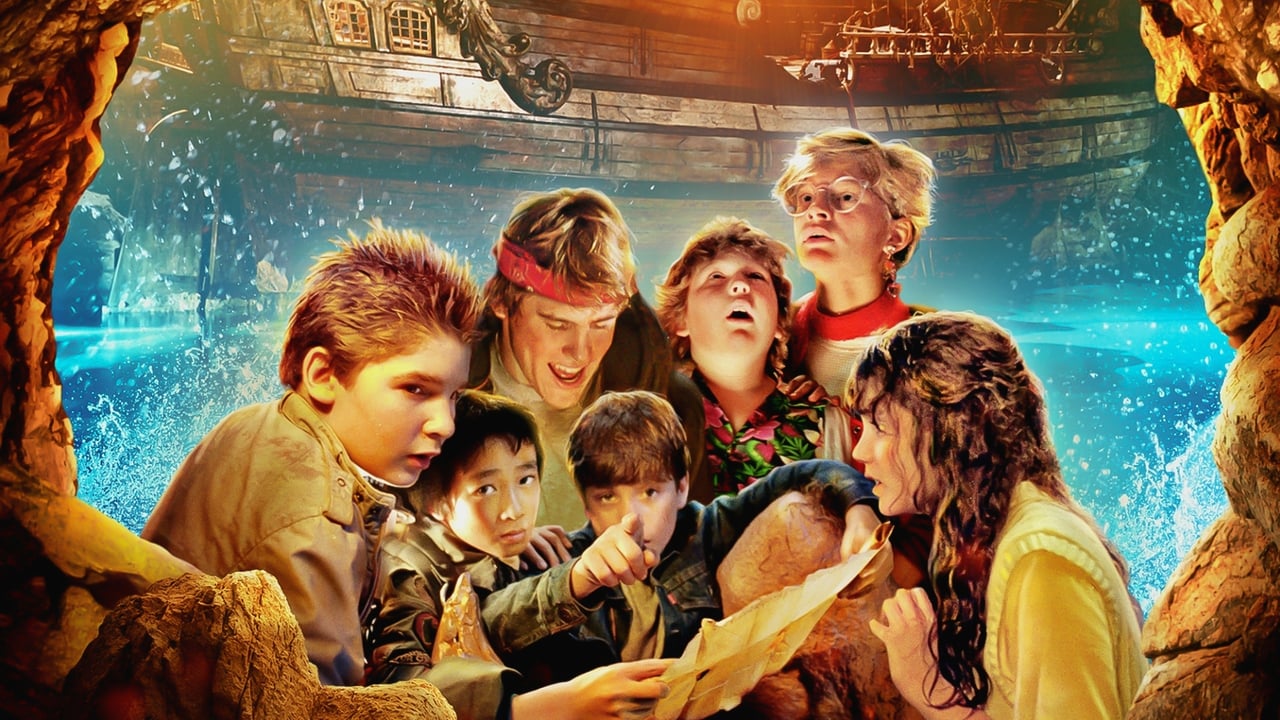
Apparently, the production was just as wild as the script. Richard Donner was known for being a "kid at heart," but he had his hands full. To get a genuine reaction of awe, he famously refused to let the child actors see the full-scale pirate ship, the Inferno, until the cameras were rolling for the final sequence. When they finally rounded the corner and saw the 105-foot vessel, the kids were so stunned that one of them accidentally let out a very un-Disney-like curse word, forcing a retake.
The Sloth and the Octopus

You can’t talk about this film without Sloth. Played by former NFL star John Matuszak under five hours of prosthetic makeup, Sloth is the heart of the movie's weird, campy soul. The friendship between Sloth and Chunk is the emotional anchor that prevents the movie from becoming just a series of loud stunts.
Speaking of weird, the cult status of The Goonies is bolstered by the things that weren't in the theatrical cut. If you watched the television edits in the 90s, you might remember a bizarre scene involving a giant mechanical octopus. It was cut from the film for looking spectacularly fake and rubbery, yet the writers forgot to remove a line at the very end where Data tells the reporters that "the octopus was very scary." For years, kids across the country thought they had hallucinated a scene that didn't exist.
The film isn't perfect. The pacing in the middle is a bit of a frantic blur, and the Fratellis' incompetence is high-level slapstick that might grate on someone looking for a "serious" thriller. But The Goonies doesn't care about your logic. It cares about the feeling of being twelve years old and realizing that the world is much bigger, and much more dangerous, than your backyard.
Ultimately, this is a film that rewards the "repeat viewer" culture of the home video era. Whether it's spotting the Rube Goldberg machine in the opening sequence or reciting Mouth's "translation" of the housekeeper's instructions, it’s a movie built on texture and personality. It reminds me that the best adventures aren't found on a screen—they’re found when you’re bored, broke, and willing to follow a dusty piece of paper into the dark. It’s loud, it’s messy, and I wouldn’t change a single frame.
Keep Exploring...
-
Ladyhawke
1985
-
The Princess Bride
1987
-
Lethal Weapon 2
1989
-

An American Tail
1986
-
Time Bandits
1981
-
Big Trouble in Little China
1986
-
Lethal Weapon
1987
-
Scrooged
1988
-

Bill & Ted's Excellent Adventure
1989
-

Bedknobs and Broomsticks
1971
-
Lethal Weapon 4
1998
-
One Hundred and One Dalmatians
1961
-
The Aristocats
1970
-
Honey, I Shrunk the Kids
1989
-
Asterix and Cleopatra
1968
-
The Twelve Tasks of Asterix
1976
-
Teenage Mutant Ninja Turtles
1990
-
Gremlins
1984
-
Romancing the Stone
1984
-

Back to the Future
1985