The Purple Rose of Cairo
"Reality is for people who can't do any better."
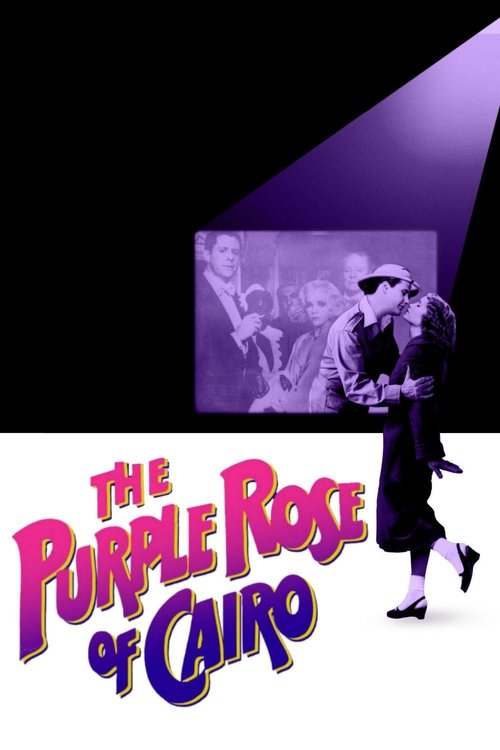
I first watched The Purple Rose of Cairo on a humid Tuesday evening while nursing a lukewarm ginger ale that had lost its fizz hours ago. There’s something strangely appropriate about watching a film regarding the seductive lie of the cinema while your own surroundings are peak mundane. As the Orion Pictures logo—that blue, star-strewn herald of mid-80s excellence—flickered onto my screen, I found myself immediately sucked into the gray, soot-stained world of Depression-era New Jersey.
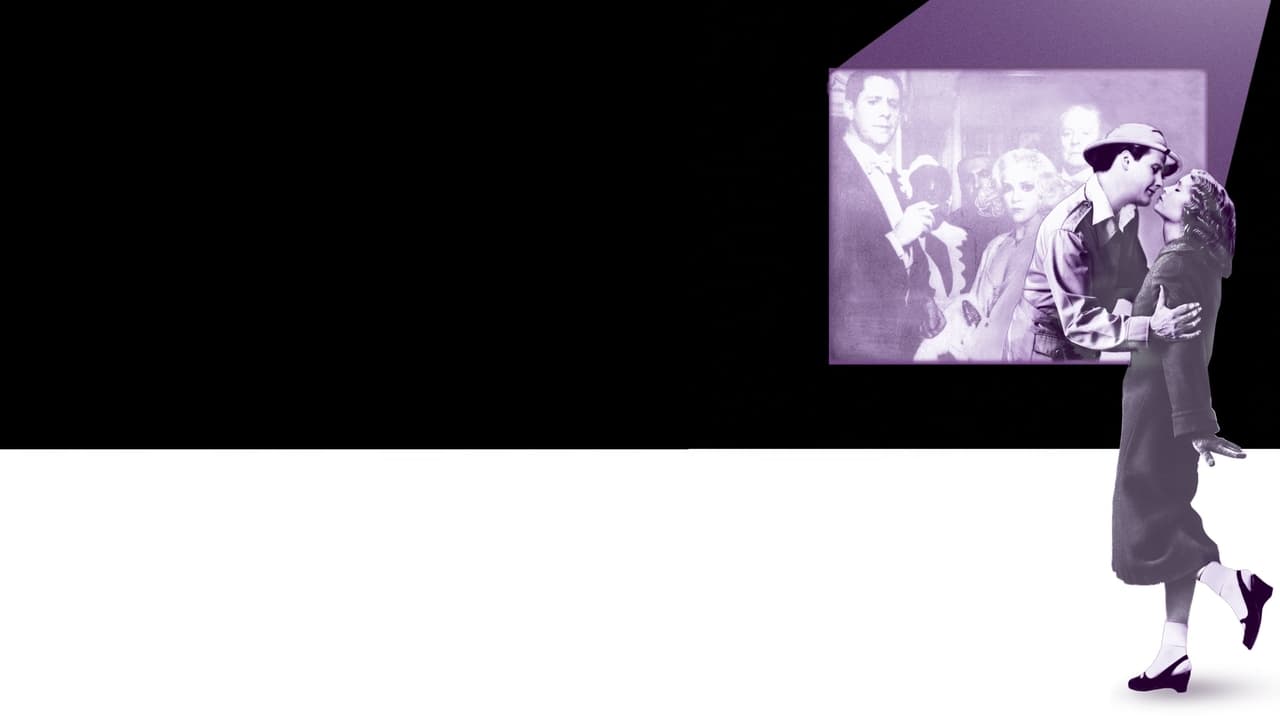
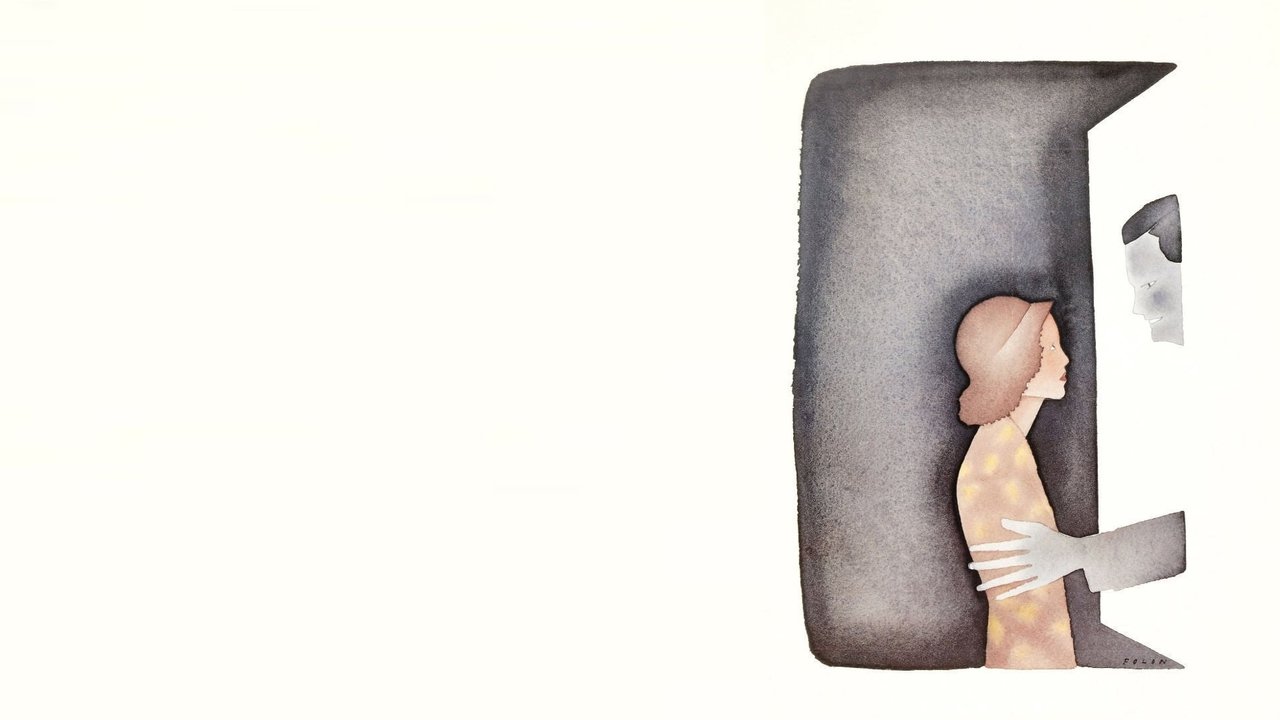
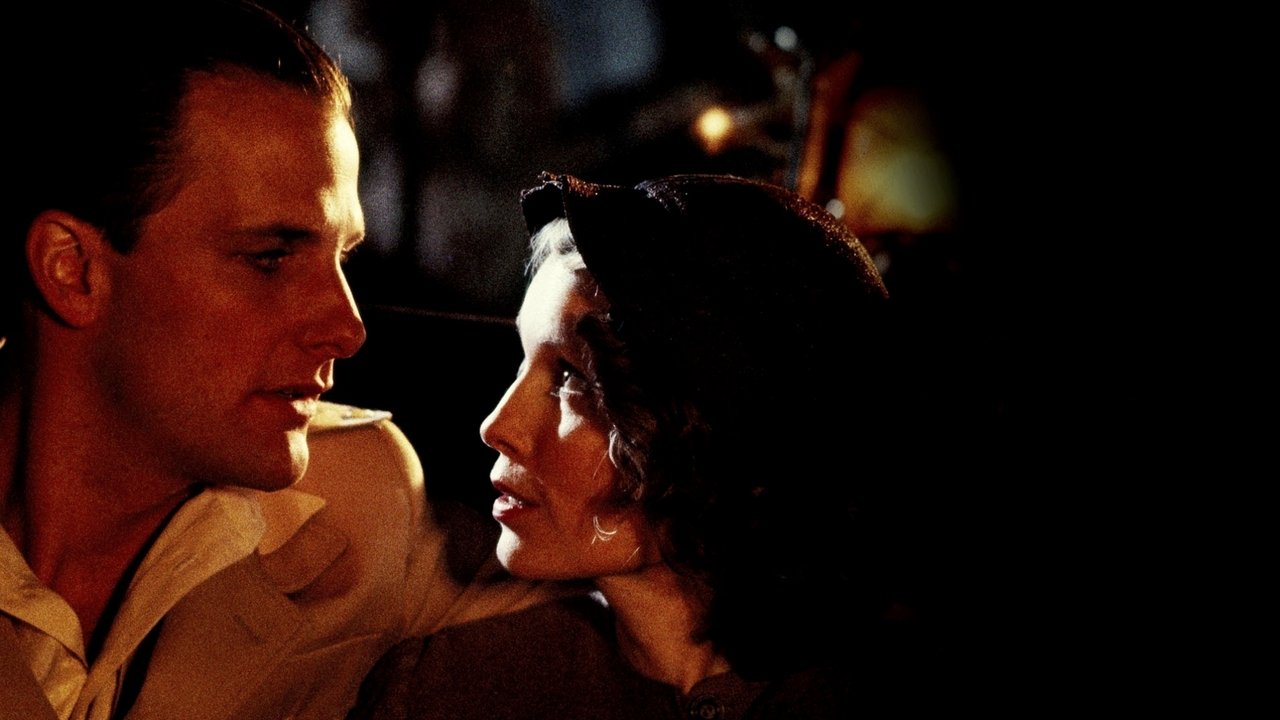
Woody Allen has spent his career obsessing over the distance between the lives we lead and the lives we see on screen, but here, he literally tears the veil. It’s 1935, and Cecilia (Mia Farrow) is a waitress who is spectacularly bad at her job because her brain is permanently parked at the Jewel Theater. Her husband, Monk (Danny Aiello), is a professional loafer who gambles their rent money and possesses the emotional range of a brick. When Cecilia loses her job, she retreats to the cinema to watch a fluff piece called The Purple Rose of Cairo for the fifth time.
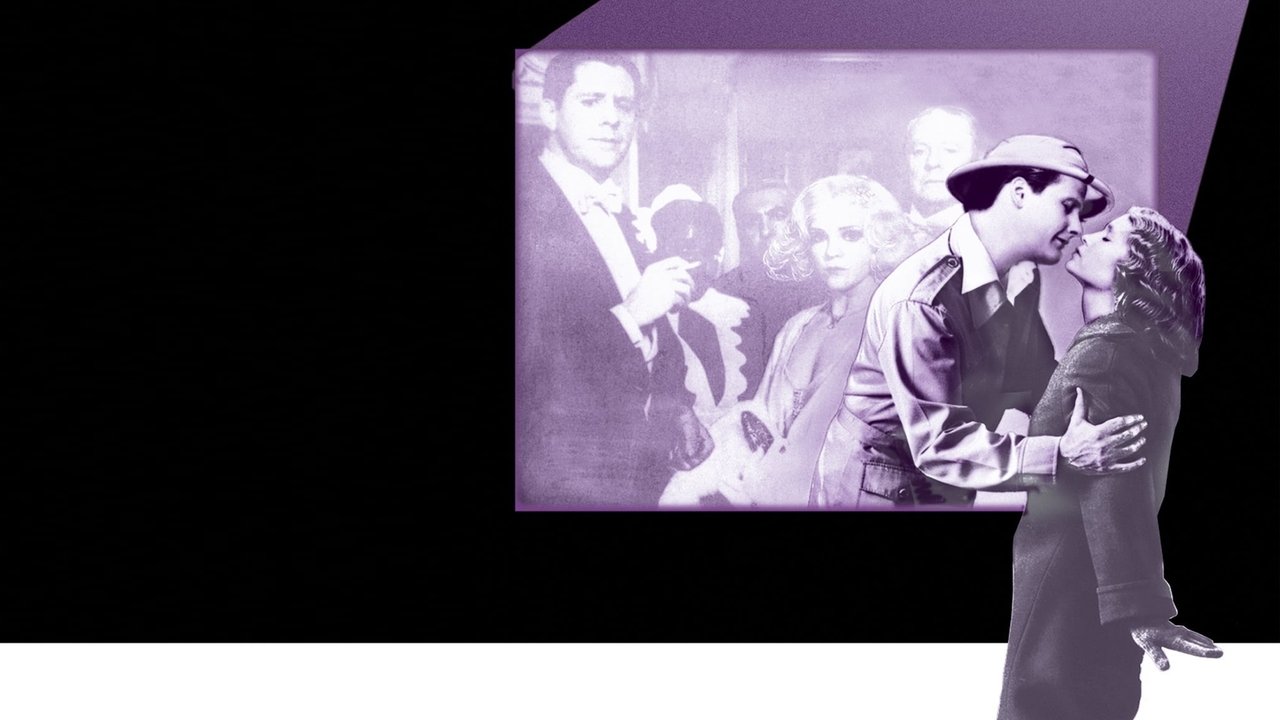
Then, the impossible happens: Tom Baxter (Jeff Daniels), the "explorer/adventurer" character in the movie, notices her in the audience, breaks the fourth wall, and walks right off the screen into the real world.
The Man in the Pith Helmet
The genius of the film lies in the casting of Jeff Daniels. At this point in the mid-80s, Daniels was still a fresh face, and he plays Tom Baxter with a wide-eyed, scripted innocence that is both hilarious and heartbreaking. He doesn't understand why the ignition in a car doesn't just "work" or why people have to work for a living. To him, life is a series of dissolves and fade-outs.
But there’s a second layer: Daniels also plays Gil Shepherd, the real-world actor who portrayed Tom Baxter. When Gil hears that his fictional persona has escaped the screen, he rushes to New Jersey to "lure" Tom back before his career is ruined. This leads to a fascinating romantic triangle where Cecilia is being pursued by a fictional ideal and the narcissistic man who created him. Gil Shepherd is a bigger villain than the abusive Monk, simply because he uses the weapon of "the dream" to manipulate Cecilia’s heart.
Mia Farrow gives what I consider her career-best performance here. She doesn’t play Cecilia as a victim, but as a dreamer whose only currency is hope. When she looks at Tom, she isn't just looking at a handsome guy in a pith helmet; she’s looking at a version of the world where people are kind, dialogue is snappy, and the champagne is always bubbling (even if it’s just ginger ale).
Practical Magic and 80s Craft
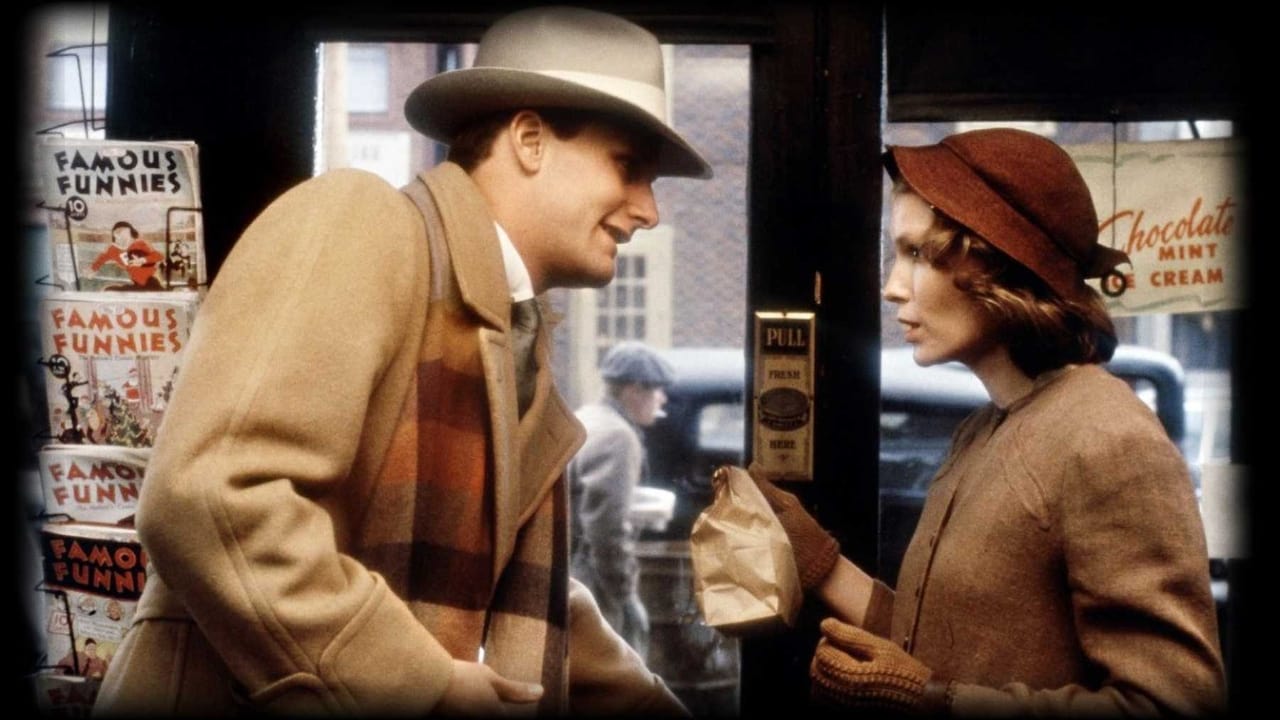
Coming out in 1985, this was a peak "Auteur" moment for Allen, working with the legendary cinematographer Gordon Willis (the man who gave The Godfather its shadows). The technical achievement here is staggering for the pre-CGI era. To make Tom Baxter step off the screen, they used traditional matte shots and optical printing that still look seamless today because they feel tactile.
There is a specific texture to mid-80s film stock that captures the 1930s better than digital ever could. The "movie-within-a-movie" segments have that high-contrast, silver-nitrate glow, while Cecilia’s reality is draped in dusty sepias and browns. It’s a visual shorthand for the soul-crushing weight of the Depression.
Turns out, the production was just as chaotic as the plot. Originally, Michael Caine was cast as the lead, but after ten days of filming, Allen realized Caine—as brilliant as he is—didn't possess the "callow youth" required for a fictional archaeologist. He was replaced by Jeff Daniels, and the rest is history. They also filmed on location at the Kent Theater in Brooklyn and in Piermont, New York, giving the whole thing a grounded, gritty authenticity that makes the fantasy elements pop even more.
The VHS Legacy of the Heartbreak
While The Purple Rose of Cairo didn't light up the box office like Back to the Future did that same year, it became a staple of the burgeoning home video market. This is a film made for the "rewatchers"—the people who, like Cecilia, find comfort in the familiar rhythms of their favorite tapes. I remember seeing this on a worn-out VHS rental where the tracking was slightly off during the final scene, and honestly, the slight distortion only added to the emotional weight.
The film's ending is widely debated, and I'll avoid spoilers for the uninitiated, but I will say this: it is one of the most honest conclusions in cinema history. It refuses to give you the easy Hollywood exit because it’s a movie about how those exits don't exist in the real world. It acknowledges that while movies can save your spirit, they can’t pay your rent or change your husband.
It’s a comedy that leaves you with a lump in your throat. It captures that specific 1980s intersection of high-concept fantasy and cynical realism. If you’ve ever sat in a dark room and felt like the people on the screen were more "real" than your coworkers, this film is your biography.
The Purple Rose of Cairo is a flawless bit of clockwork filmmaking that manages to be both a whimsical farce and a devastating critique of escapism. It’s short, punchy, and visually gorgeous. It’s the kind of movie that makes you want to go to the movies, even as it warns you that the screen is only a piece of glass. If you haven't seen it, find the best copy you can, dim the lights, and let Tom Baxter walk into your living room. Just don't expect him to be able to drive the car.
Keep Exploring...
-
Hannah and Her Sisters
1986
-
Midnight in Paris
2011
-
Zelig
1983
-
Crimes and Misdemeanors
1989
-
Manhattan
1979
-
Ladyhawke
1985
-
The Princess Bride
1987
-
Annie Hall
1977
-
Weird Science
1985
-

Risky Business
1983
-
Romancing the Stone
1984
-

Scrooged
1988
-

All Dogs Go to Heaven
1989
-
Say Anything...
1989
-
Whatever Works
2009
-
Time Bandits
1981
-
The Adventures of Baron Munchausen
1988
-

The Lost Boys
1987
-

Bedknobs and Broomsticks
1971
-
The Party
1980