Witness
"Silence is a shield. Violence is the shadow."
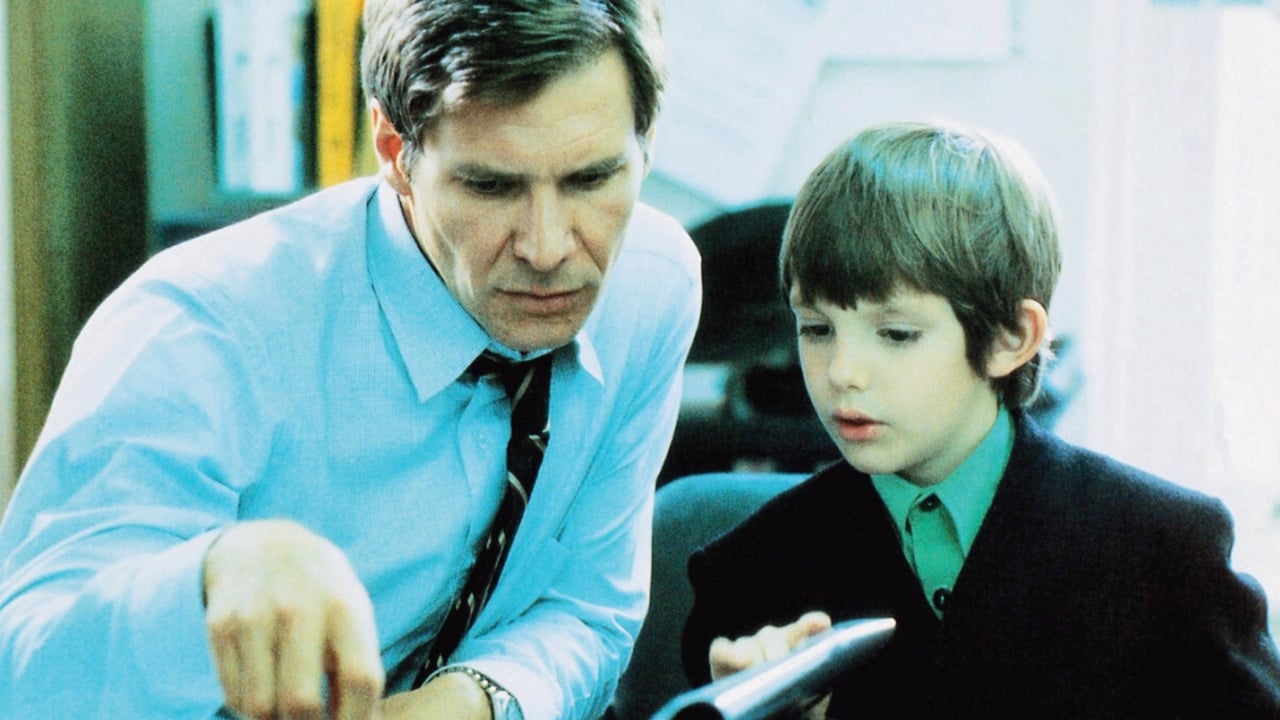
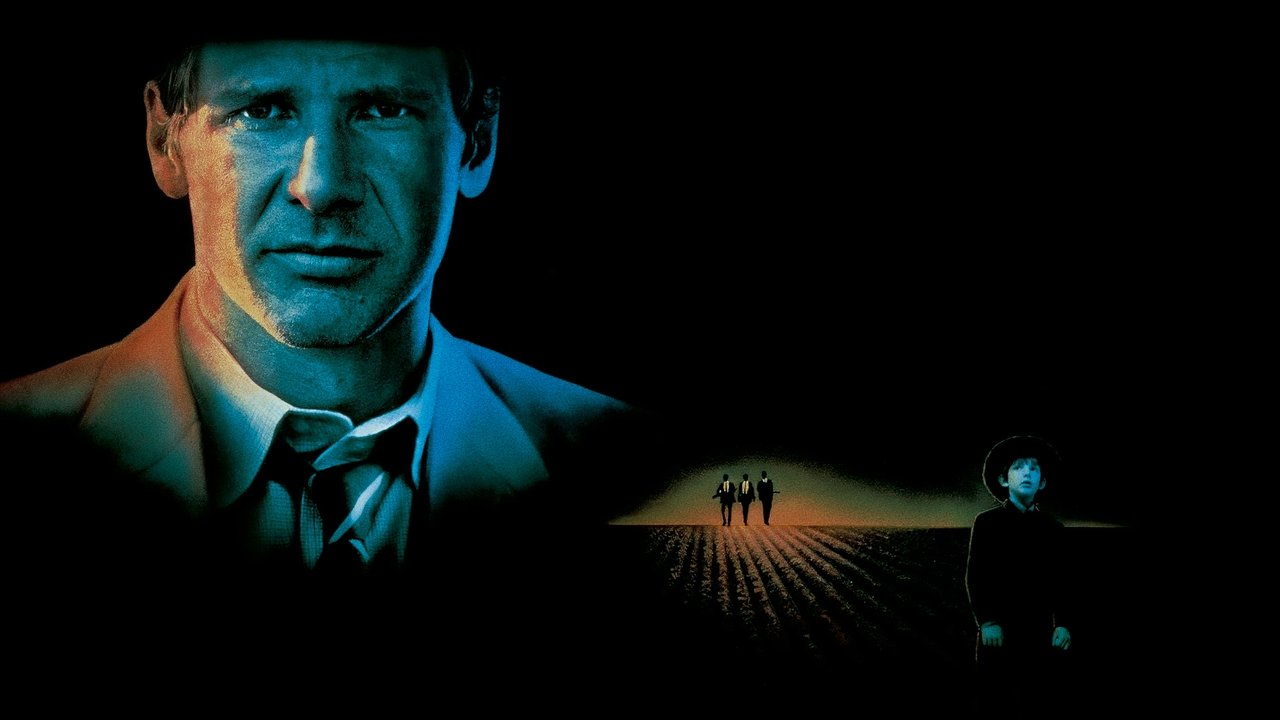
The fluorescent hum of a 1980s Philadelphia train station bathroom is usually the stuff of urban legend or grime-slicked noir, but in Witness, it’s the site of a jagged, terrifying rupture. When young Samuel Lapp (Lukas Haas) peers through a stall crack and sees a man’s throat sliced open, the collision between the pacifist Amish world and the rot of the city is instantaneous. It’s one of the most effective opening acts in 80s cinema, not because of high-octane stunts, but because of the paralyzing silence Peter Weir uses to ratchet up the dread.
I watched this again last night while my neighbor spent three solid hours pressure-washing his driveway—the aggressive, mechanical drone outside making the quiet, rural intervals of the film feel like a physical relief. It’s a movie that demands you listen to the wind in the wheat fields as much as the dialogue.
A Detective Out of Time
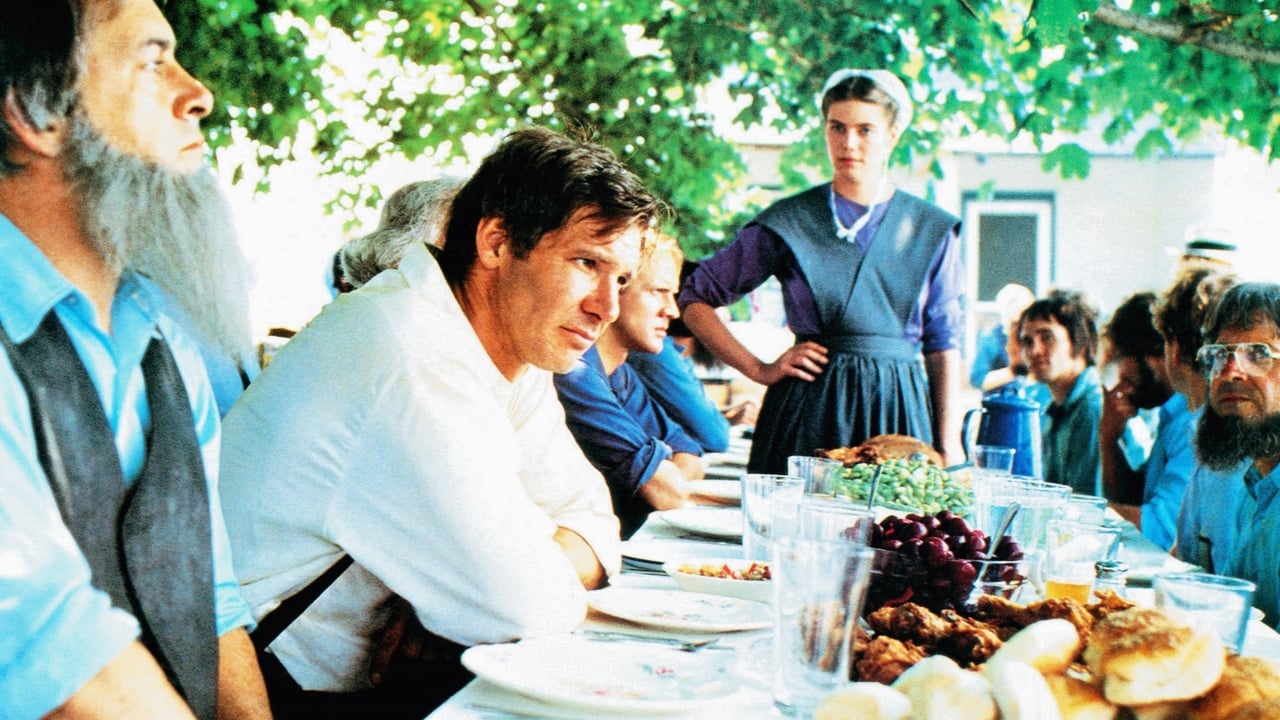
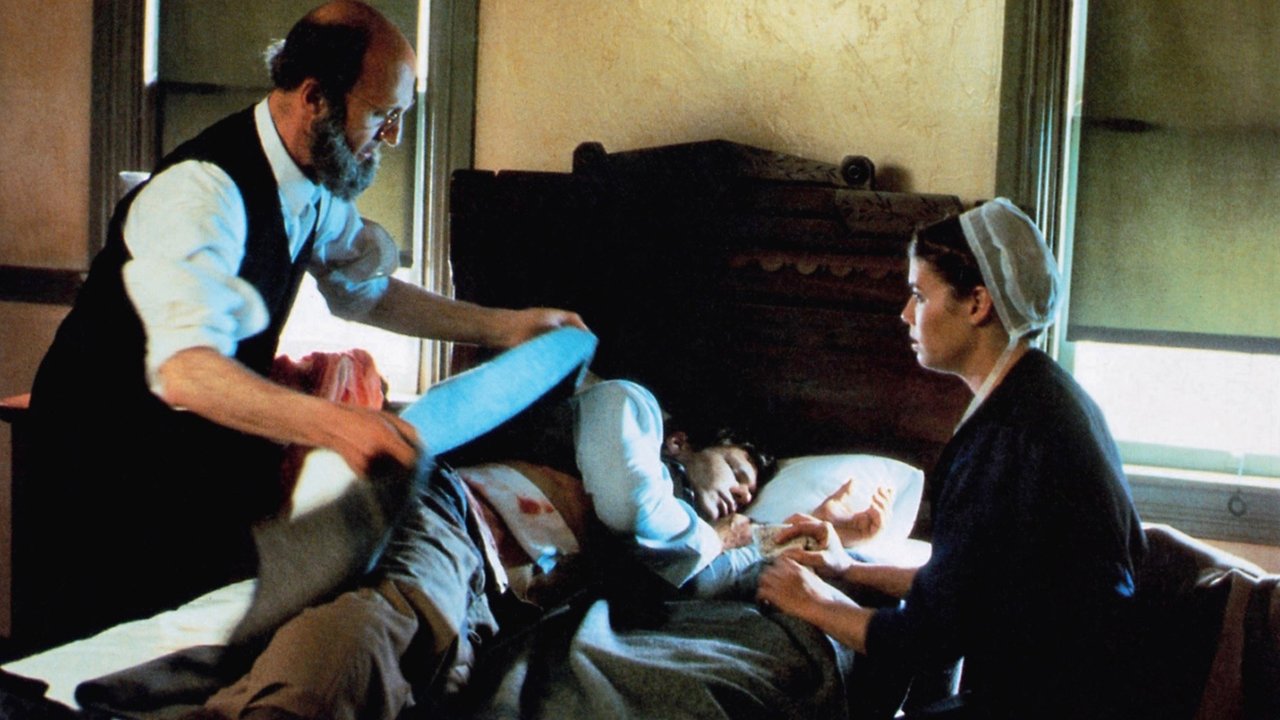
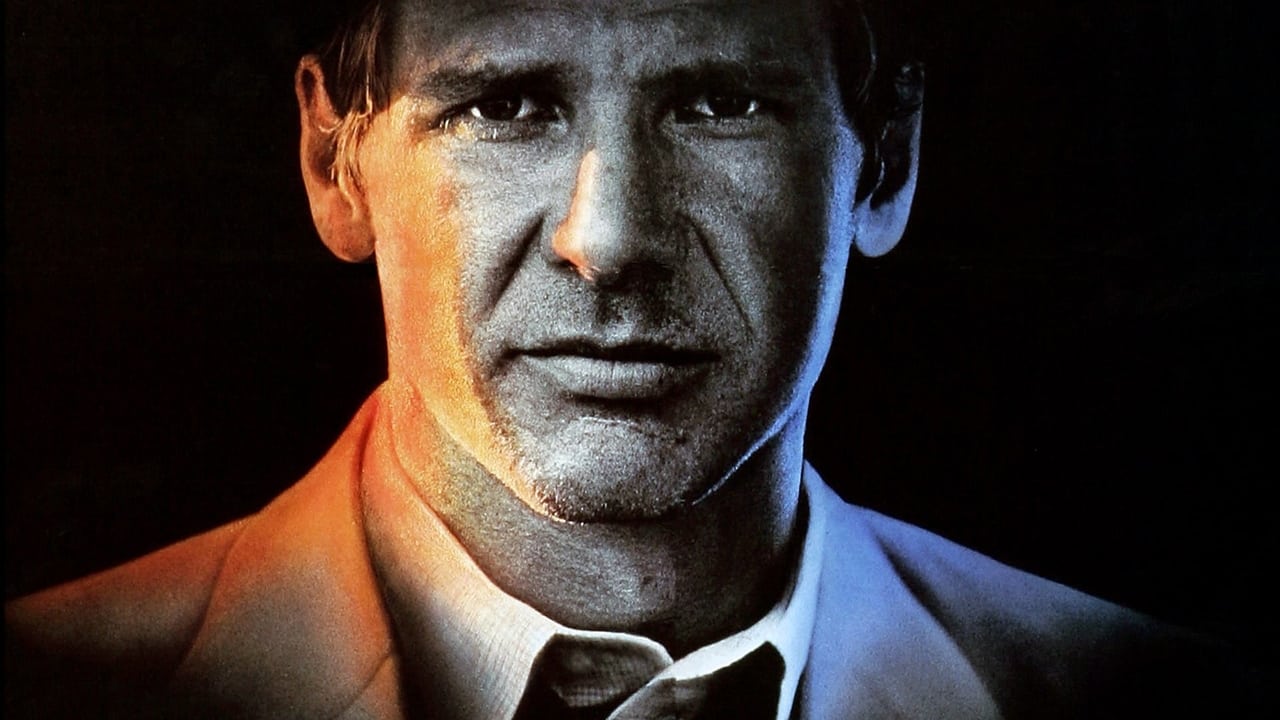
By 1985, Harrison Ford was the king of the world, but he was a king defined by his smirk and his whip. Witness was the moment he decided to show us the mileage on his soul. As Det. Capt. John Book, he isn’t an invincible hero; he’s a man bleeding out from a gut shot, hiding in a culture that views his very existence—and his "hand-gun"—as an obscenity. Harrison Ford’s carpentry skills in this movie are more convincing than half the CGI effects in modern Marvel flicks. When he’s helping the community raise a barn, you aren't looking at a movie star doing a photo op; you’re looking at a man finding a strange, temporary peace in manual labor.
The chemistry between Harrison Ford and Kelly McGillis, who plays the widowed Rachel Lapp, is agonizingly subtle. There’s a scene where they dance in a dimly lit barn to "What a Wonderful World" playing on a car radio. It’s a small, forbidden moment of electricity that feels more erotic than most full-blown sex scenes because of the sheer weight of what they aren't allowed to say. Kelly McGillis carries a quiet strength here that avoids the "maiden in distress" tropes of the era, making Rachel’s curiosity about the outside world feel grounded and dangerous.
The Sound of Steel and Synths
Director Peter Weir, fresh off Australian successes like Picnic at Hanging Rock and The Year of Living Dangerously, brought an outsider’s eye to the American landscape. He doesn't treat the Amish like a museum exhibit or a punchline. Instead, he contrasts their communal stability with the crumbling moral infrastructure of the police department, led by a chillingly bureaucratic Josef Sommer.
Then there’s the score. Maurice Jarre, known for the sweeping orchestras of Lawrence of Arabia, went full electronic here. It’s a choice that shouldn't work—putting cold, 80s synthesizers over a story about 18th-century living—but it creates this ethereal, pulsing atmosphere that makes the Amish farm feel like another planet. It’s a reminder of that mid-80s "New Hollywood" bravery, where directors were still allowed to make weird, tonal gambles on big-budget projects.
The VHS Gold Standard
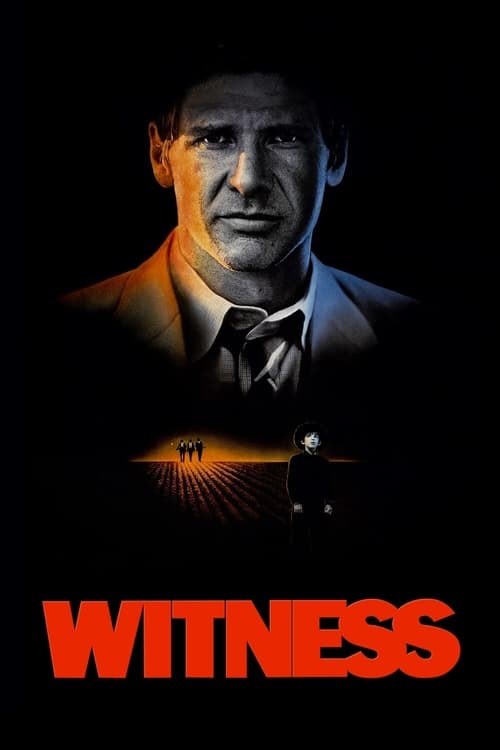
While Witness was a massive theatrical success—raking in over $116 million on a modest $12 million budget—it found a second, permanent life in the suburban living rooms of the late 80s. I recall the Paramount home video box sitting prominently on the "Drama" shelves of every rental store, usually sandwiched between Fatal Attraction and Ordinary People. The cover art, featuring a stern Harrison Ford in his black hat, promised a standard thriller, but the tape inside was something much more contemplative. It was the kind of movie parents would rent on a Saturday night, only for the kids to end up captivated by the "barn raising" sequence, which remains a masterclass in visual storytelling without a single line of unnecessary exposition.
The film also served as a launchpad for future stars. Keep your eyes peeled for a very young Viggo Mortensen in his film debut as an Amish farmer. Even then, he had a presence that suggested he belonged in a different century. Alongside him, Alexander Godunov, the famous Soviet ballet defector, brings a surprising, jealous warmth to the role of Daniel Hochleitner, Book's rival for Rachel’s affection.
Witness is a rare bird: a high-concept thriller that actually cares about the internal lives of its characters. It’s dark, it’s occasionally brutal, and it refuses to give the audience a tidy, "Hollywood" ending where the hero stays and everyone lives happily ever after. Instead, it leaves you with the haunting image of two men from two different worlds, acknowledging a debt that can never truly be repaid. It’s a perfect example of 1980s craftsmanship at its peak, proving that sometimes the most intense action happens in the silence between the gunshots.
Keep Exploring...
-
Mississippi Burning
1988
-
Blade Runner
1982
-

Fatal Attraction
1987
-
Blood Simple
1985
-
WarGames
1983
-
West Side Story
1961
-
Chinatown
1974
-
Marathon Man
1976
-
The Killer
1989
-

Ghost
1990
-
In the Heat of the Night
1967
-
Badlands
1974
-
Dog Day Afternoon
1975
-
The Next Three Days
2010
-
Butch Cassidy and the Sundance Kid
1969
-
The Sting
1973
-

The Towering Inferno
1974
-

The Lost Boys
1987
-
Lethal Weapon 2
1989
-
Pierrot le Fou
1965