An American Tail
"A mouse-sized epic of survival and hope."
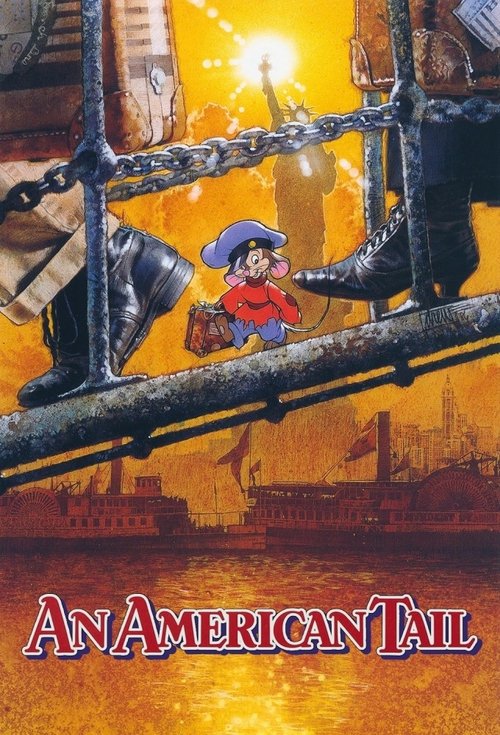
I recently revisited An American Tail while sitting on my floor eating a bowl of cereal that had gone slightly soggy because I got distracted by the opening credits. There is something about the flickering glow of a Don Bluth film that makes me feel like I’m seven years old again, nervously clutching a stuffed animal and wondering if the world is fundamentally a terrifying place. This wasn't just a movie for me; it was a cornerstone of my childhood VHS collection, housed in one of those white, oversized plastic clamshell cases that smelled faintly of static and old glue.
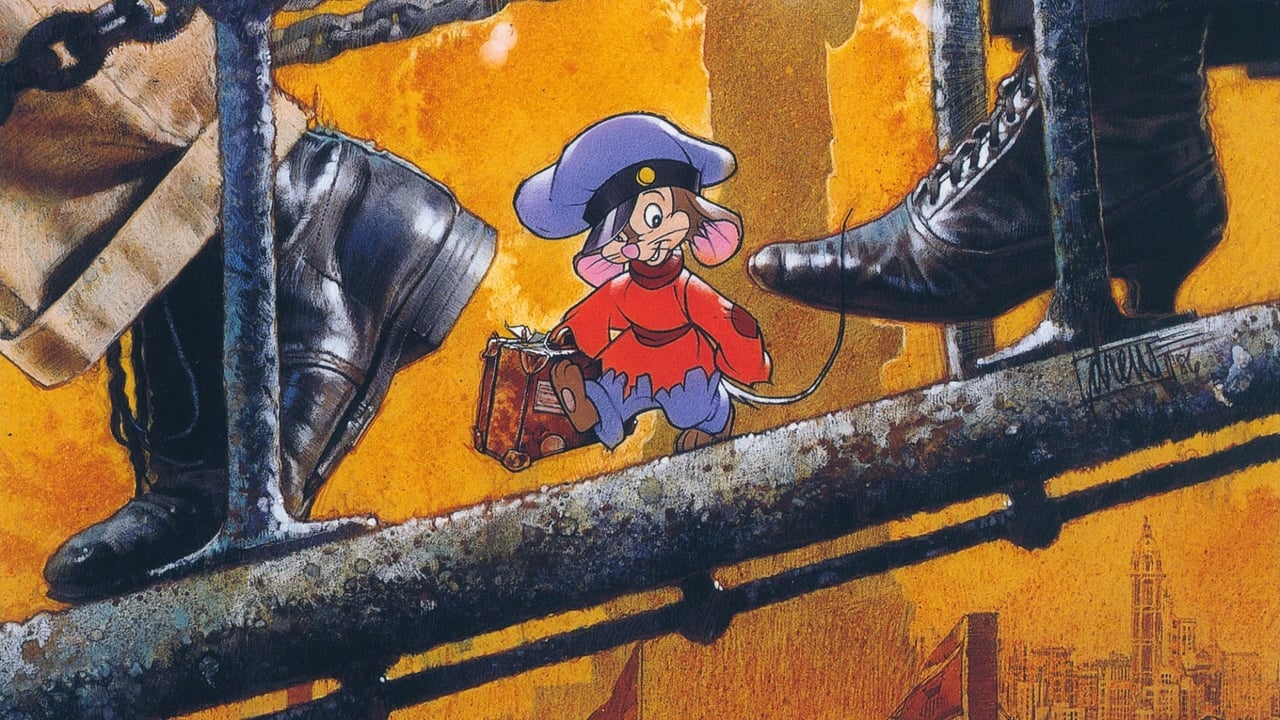
In the mid-1980s, Don Bluth was the high priest of "traumatize your children for their own good" animation. While Disney was playing it relatively safe during their pre-Renaissance slump, Bluth—a former Disney animator who walked out to start his own studio—was busy crafting movies that felt like actual stakes were on the line. An American Tail is the crown jewel of that era, a film that manages to be a harrowing immigrant drama, a sweeping musical, and a "lost child" thriller all at once.
The Mouse-Scale Immigrant Experience
Most modern animated films are terrified of silence or sadness. They fill every gap with a quip or a pop-culture reference. Bluth, however, lets the misery breathe. The story follows Fievel Mousekewitz, voiced with a heart-shattering, high-pitched vulnerability by Phillip Glasser. When his family of Russian-Jewish mice is driven out by a "Cossack" cat raid (a sequence that is honestly more intense than most modern horror jump-scares), they head for America.
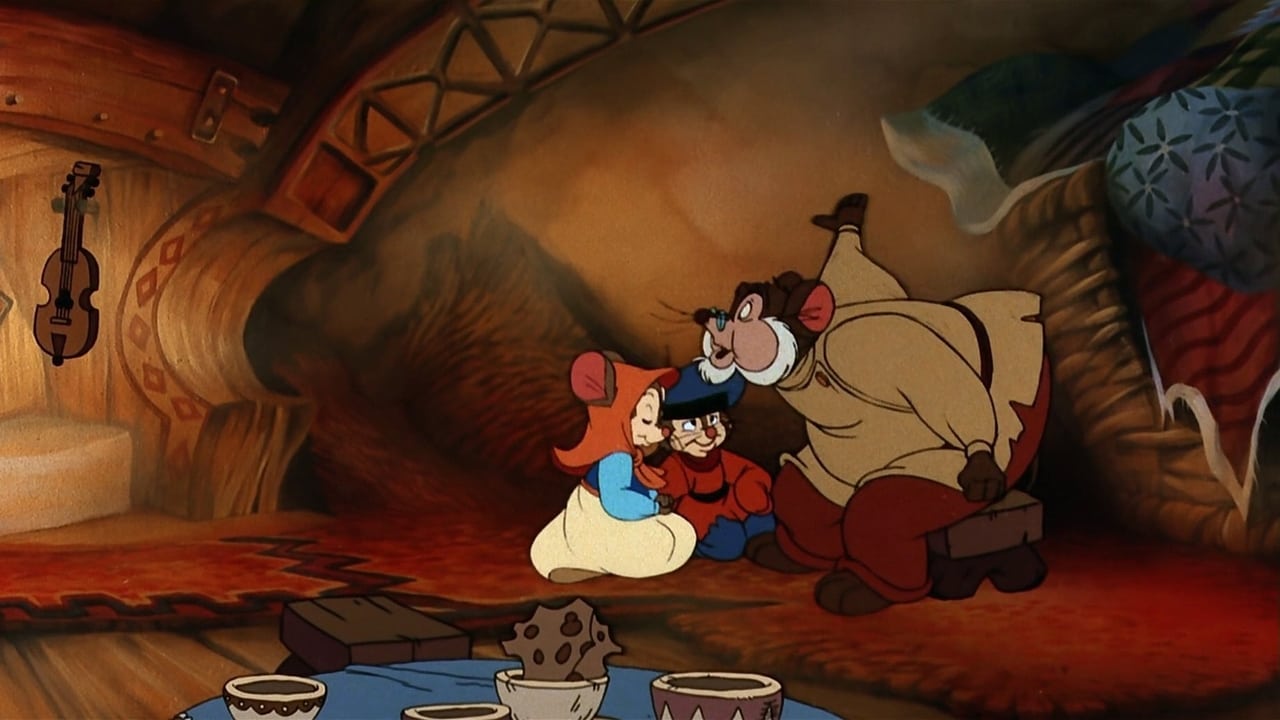
The central myth they tell themselves is that there are "no cats in America," a beautiful, tragic lie that serves as a pitch-perfect metaphor for the often-crushing reality of the American Dream. I found myself deeply moved by Nehemiah Persoff as Papa Mousekewitz. His performance captures that specific brand of fatherly guilt—the man who promises his children the world while knowing deep down he can barely protect them from the rain. The chemistry between the Mousekewitz family feels earned; they don't just feel like characters, they feel like people who have survived a collective trauma.
A Masterclass in Pre-CGI Atmosphere
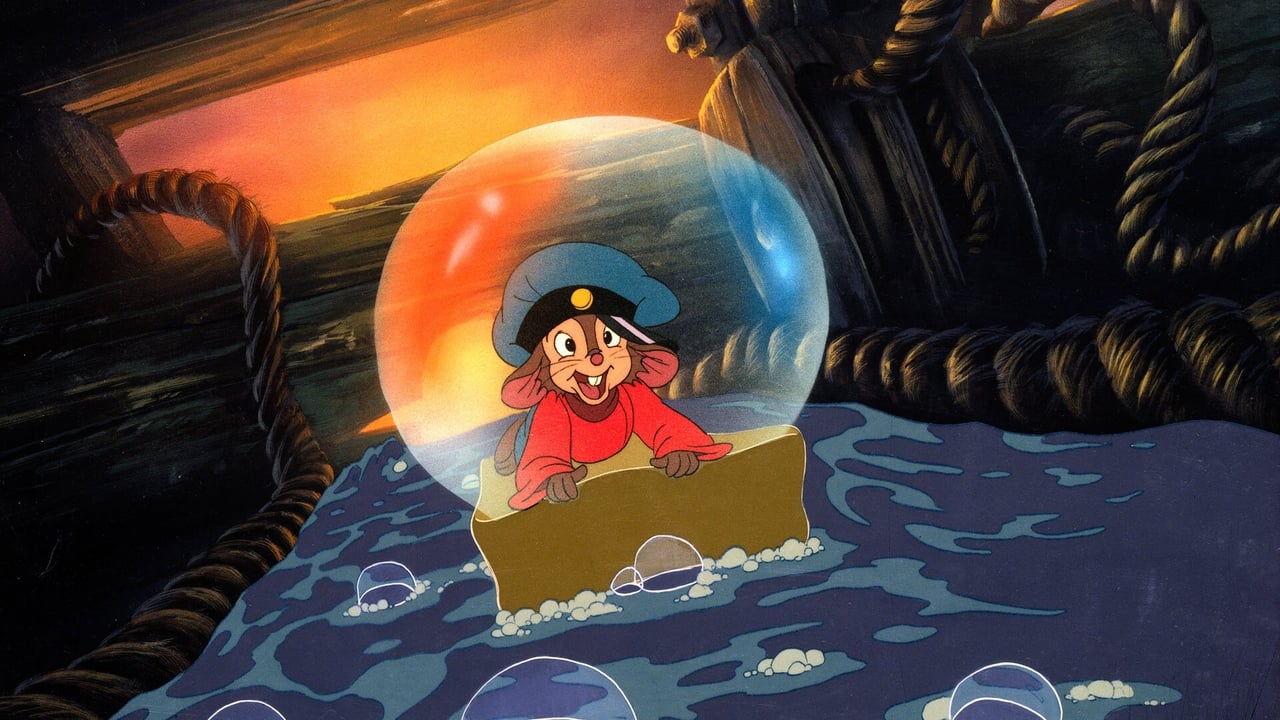
Watching this in the 4K era actually makes me miss the "imperfections" of 1980s hand-drawn animation. There’s a texture here that digital pixels just can't replicate. The New York City of An American Tail is a dark, damp, labyrinthine nightmare of shadows and oversized garbage. The scale is brilliant; everything is huge, cold, and indifferent to a small mouse.
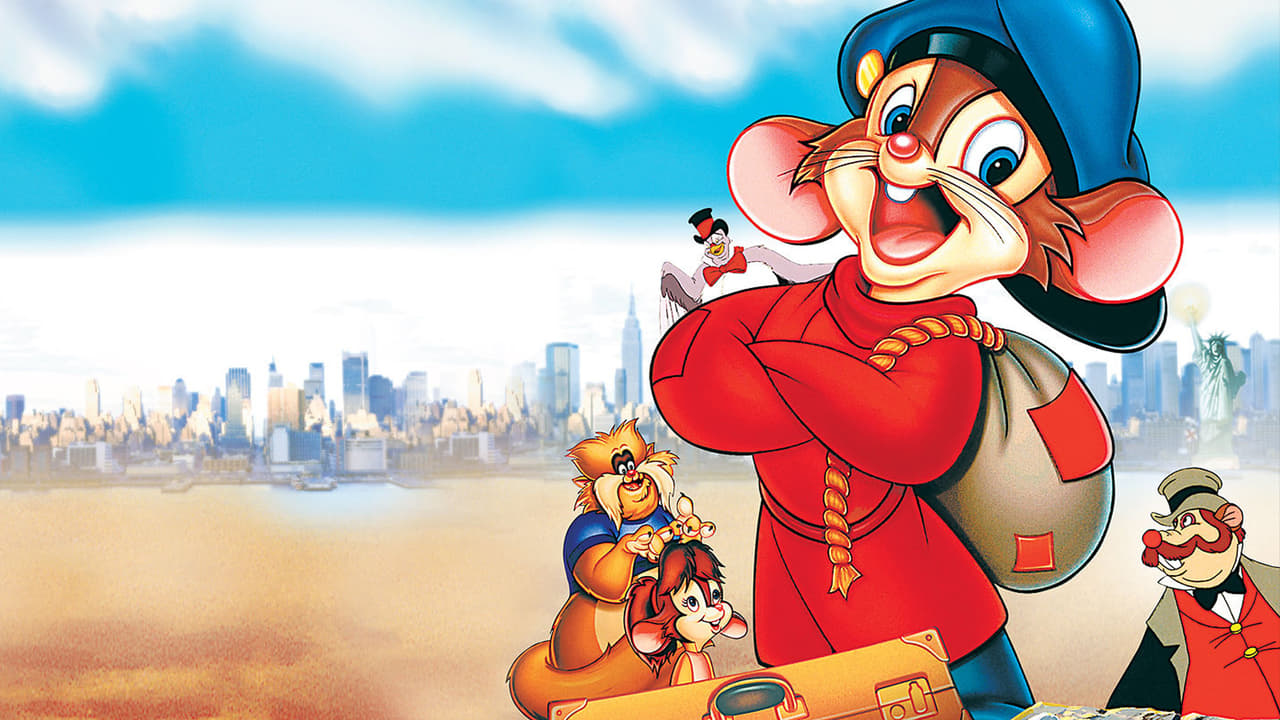
The character designs are equally striking. John Finnegan voices Warren T. Rat, a villain who is essentially a con artist in a world where the stakes aren't just money, but your literal life. But the standout for me—and the character I’d forgotten had such gravitas—is Henri the pigeon, voiced by the legendary Christopher Plummer. He brings a needed touch of "New World" optimism to the film, acting as the French Statue of Liberty surrogate who encourages Fievel to "Never Say Never." It’s a performance that could have been purely comedic, but Plummer gives it a soulful, theatrical weight.
The VHS Legacy and the "Somewhere Out There" Factor
If you grew up in the late 80s or early 90s, you couldn't escape the cultural gravity of "Somewhere Out There." I remember my local video store having a dedicated shelf just for Bluth films, and the cover art for An American Tail—Fievel looking out over the harbor in his oversized blue hat—is burned into my brain. On the small screen of a CRT television, the film’s heavy use of shadows and deep blues felt incredibly immersive.
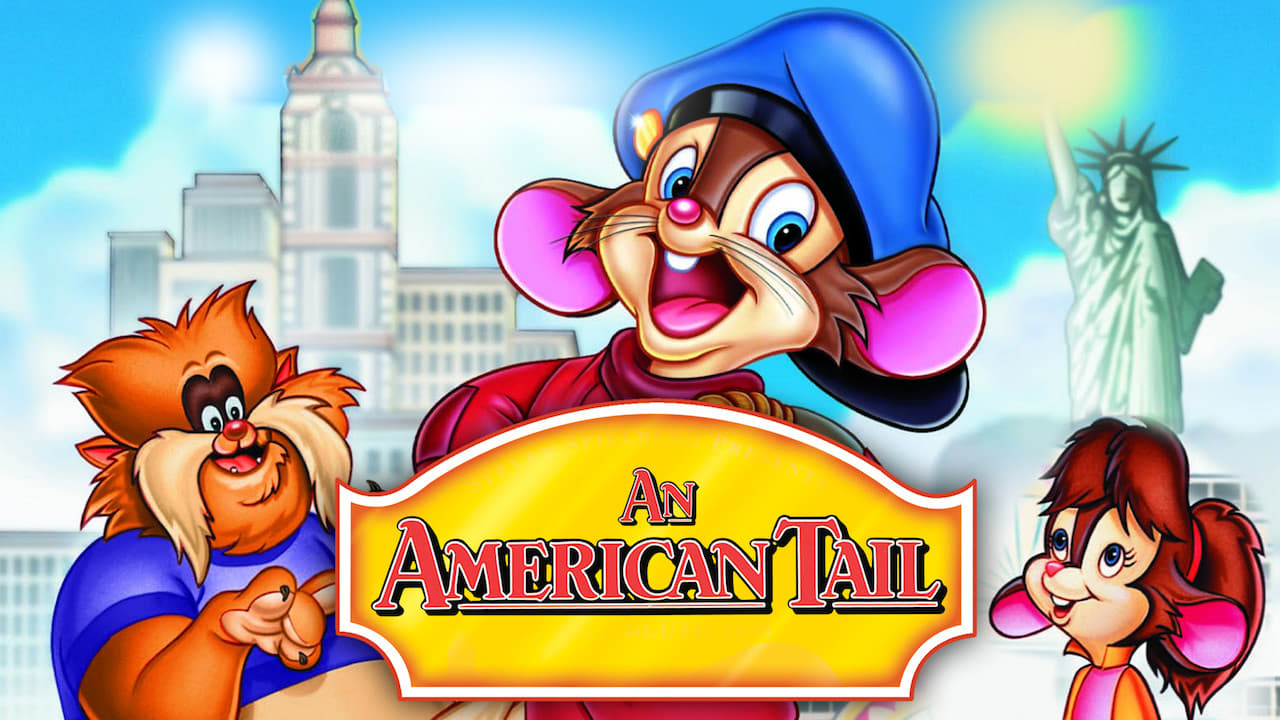
There’s a scene where Fievel and his sister Tanya (Amy Green) sing to the moon from different parts of the city, unaware of how close they are to one another. It’s the kind of sequence that makes me want to call my siblings and apologize for every time I stole their LEGOs. James Horner’s score is doing a lot of the heavy lifting here, utilizing orchestral swells that feel massive compared to the tiny protagonists. It’s a drama first, an "adventure" second.
I’ll admit, as an adult, some of the pacing in the middle act feels a bit frantic—the "Great Mouse of Minsk" payoff is a weirdly mechanical solution to the cat problem—but the emotional core never wavers. Bluth understood that children can handle "the dark" as long as there’s a light at the end of the tunnel.
An American Tail remains a vital piece of animation history because it treats its young audience with respect. It doesn't sugarcoat the loneliness of being a stranger in a new land or the pain of being separated from those you love. It’s a film that earns its happy ending through genuine struggle and mud-splattered perseverance. If you only know Fievel from the memes or the sequels, do yourself a favor: dim the lights, ignore the "soggy cereal" moments of life, and get lost in this beautiful, bittersweet New York story. It’s a reminder that sometimes the smallest voices have the most important things to say.
Keep Exploring...
-

All Dogs Go to Heaven
1989
-
The Secret of NIMH
1982
-

Bedknobs and Broomsticks
1971
-
The Land Before Time
1988
-
Asterix and Cleopatra
1968
-
The Twelve Tasks of Asterix
1976
-
Time Bandits
1981
-
DuckTales: The Movie - Treasure of the Lost Lamp
1990
-
One Hundred and One Dalmatians
1961
-
The Aristocats
1970
-
The Fox and the Hound
1981
-

Cars 3
2017
-
The Castle of Cagliostro
1979
-
The Goonies
1985
-
The Princess Bride
1987
-
Oliver & Company
1988
-
Honey, I Shrunk the Kids
1989
-

The Swan Princess
1994
-
A Goofy Movie
1995
-
Jimmy Neutron: Boy Genius
2001