Big Trouble in Little China
"Six-demon bags, neon sorcery, and one very confused trucker."

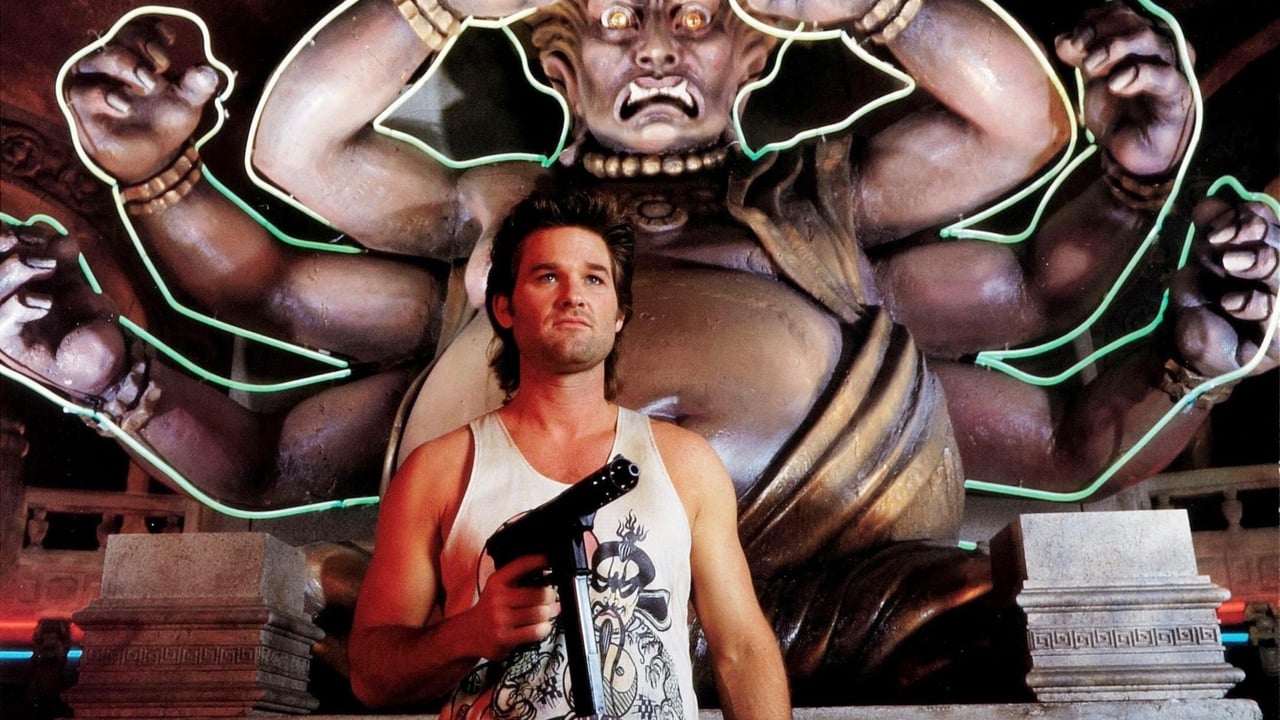
If you want to understand the sheer, unadulterated joy of 1980s genre filmmaking, look no further than the opening monologue of the Pork-Chop Express. Kurt Russell, sporting a mullet that deserves its own zip code and a tank top three sizes too small, talks into a CB radio like he’s the center of the universe. He’s Jack Burton—a man who is brave, swaggering, and entirely incompetent at everything the movie throws at him.
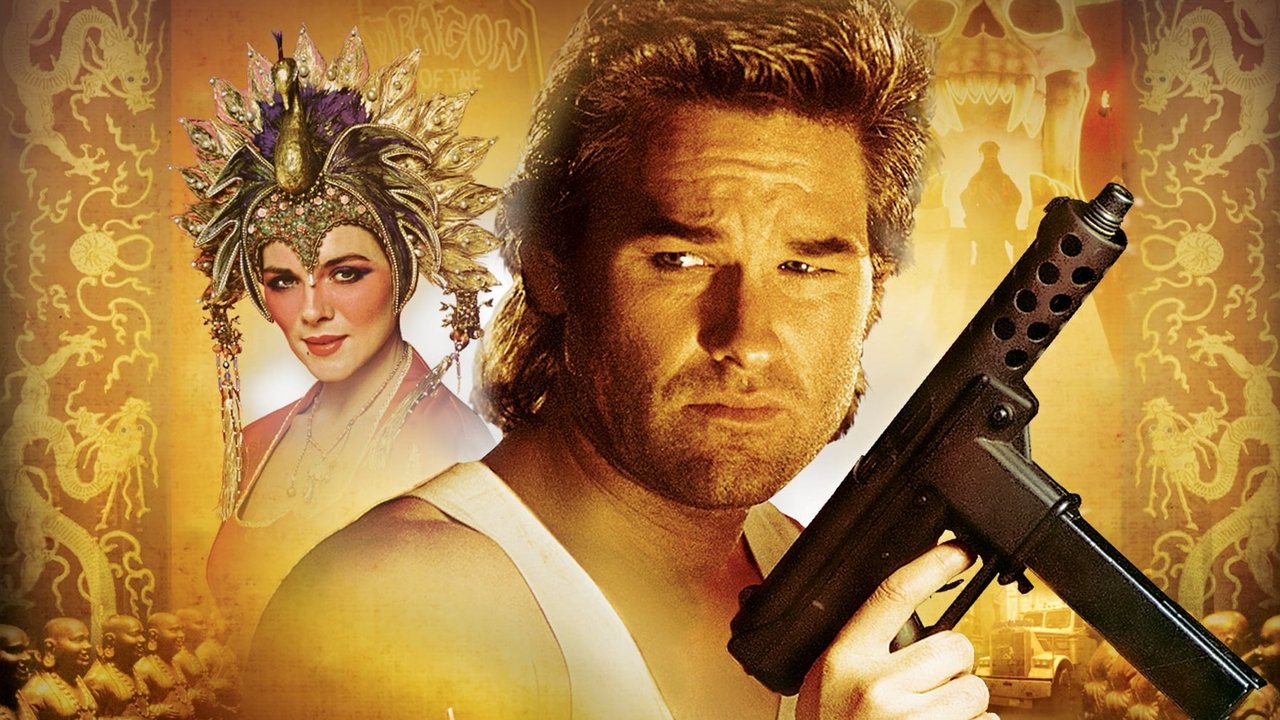
I first saw this on a flickering CRT television while trying to navigate a lukewarm slice of pepperoni pizza that had more grease than a San Francisco garage. That specific combination of cheap mozzarella and the neon-soaked madness of John Carpenter's Chinatown felt like a religious experience. It still does.
The Hero Who Isn’t
The genius of Big Trouble in Little China lies in its subversion. In any other 80s flick, Jack Burton would be the guy saving the day with a machine gun. Here, John Carpenter (fresh off the icy dread of The Thing) decides to make his leading man the sidekick. The real hero is Wang Chi, played with incredible physicality and earnestness by Dennis Dun. While Wang is performing gravity-defying wuxia stunts and taking down ancient sorcerers, Jack is busy losing his truck, knocking himself unconscious at the start of fights, or getting his knife stuck in a ceiling.
Jack Burton is essentially a cartoon character who wandered into a martial arts epic, and Kurt Russell plays it with a pitch-perfect "John Wayne on Quaaludes" energy. He’s the audience surrogate, but instead of being the smart one, he’s the guy asking, "Who are these guys?" every five minutes. It’s a brave performance that prioritizes the laugh over the ego, and it’s arguably the most charismatic Russell has ever been.
Practical Magic and Puppet Gore
Before CGI turned every action climax into a weightless blur of pixels, we had the "Practical Effects Golden Age." This film is a museum of that craft. From the terrifying, many-eyed "Beholder" creature that floats through Lo Pan’s lair to the exploding "Thunder" (one of the Three Storms), everything has a tactile, messy reality.
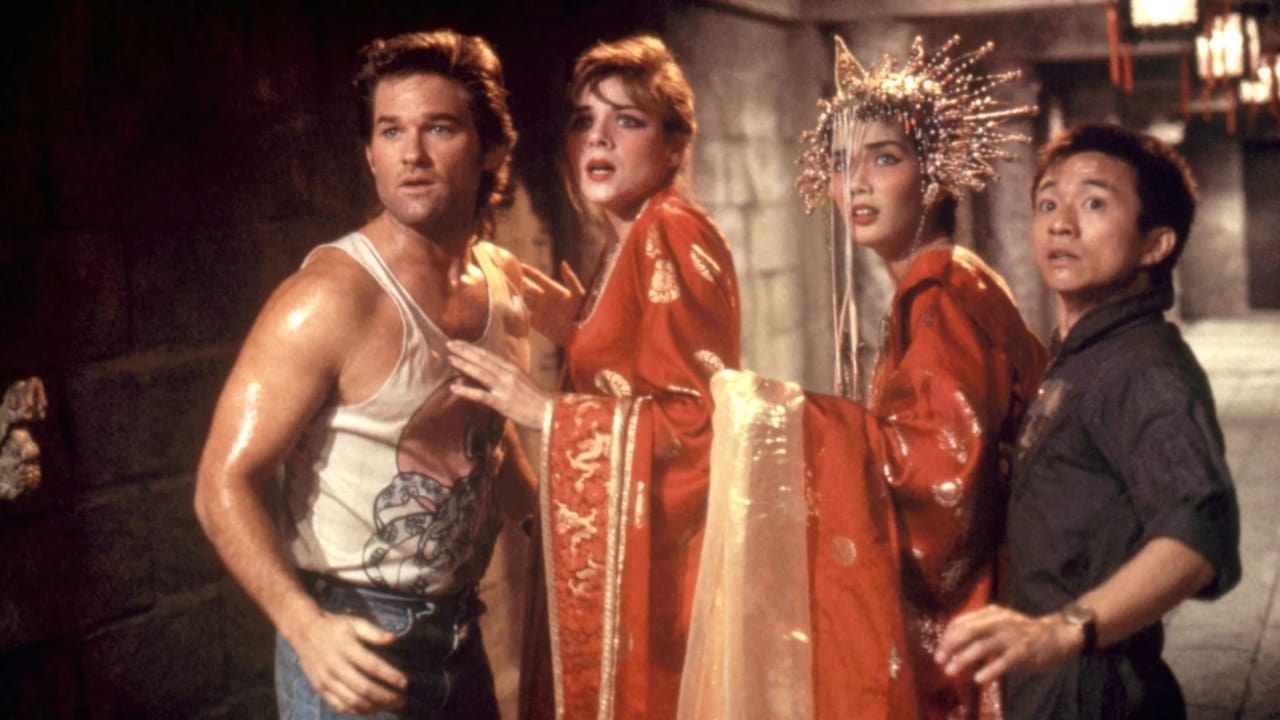
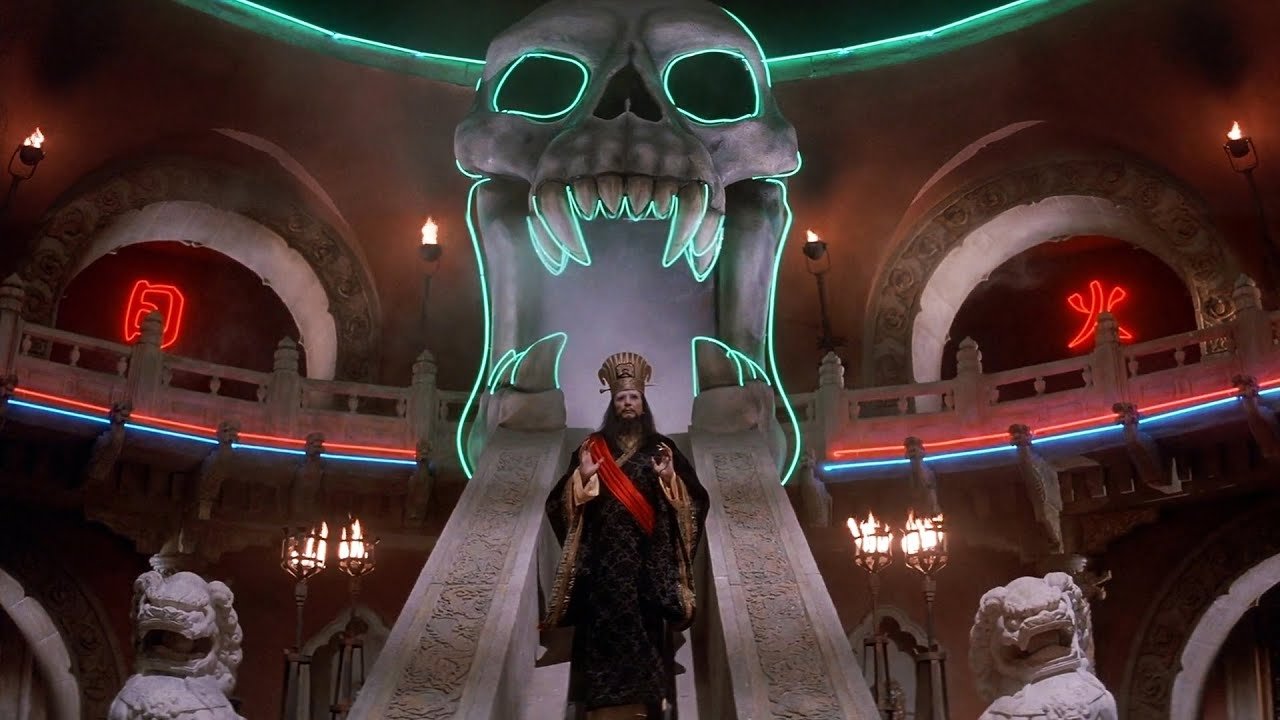
The villain, David Lo Pan, is brought to life by the legendary James Hong. Whether he’s playing the decrepit, wheelchair-bound version of the character or the towering, glowing-eyed sorcerer, Hong is having the time of his life. He brings a theatrical menace that never feels campy, even when he’s talking about marrying a girl with green eyes to appease a god named Ching Dai.
The production design is a fever dream of 80s excess mixed with traditional Chinese mythology. The sets feel lived-in and dangerous, illuminated by the kind of neon pinks and electric blues that defined the decade’s aesthetic. Dean Cundey, the cinematographer who helped define the look of Halloween and Back to the Future, captures the chaos with a clarity that modern directors should study. Every punch, kick, and mystical bolt of energy is framed so you actually see the choreography.
The VHS Resurrection
It is hard to believe now, but this movie was a massive financial disaster. 20th Century Fox had absolutely no idea how to market a supernatural-kung-fu-comedy-western. They released it in the shadow of Aliens, and it vanished from theaters faster than a ghost in a dark alley.
But then came the home video revolution. This was a film built for the "video store rat." The box art, featuring a defiant Jack Burton surrounded by monsters, was a siren song for kids and teenagers browsing the aisles on a Friday night. It became a staple of the rental era because it’s a movie that rewards the "rewind" button. You’d watch a fight scene, flip out over the "Three Storms" coming down on silk wires, and immediately run it back to see how they did the stunts.
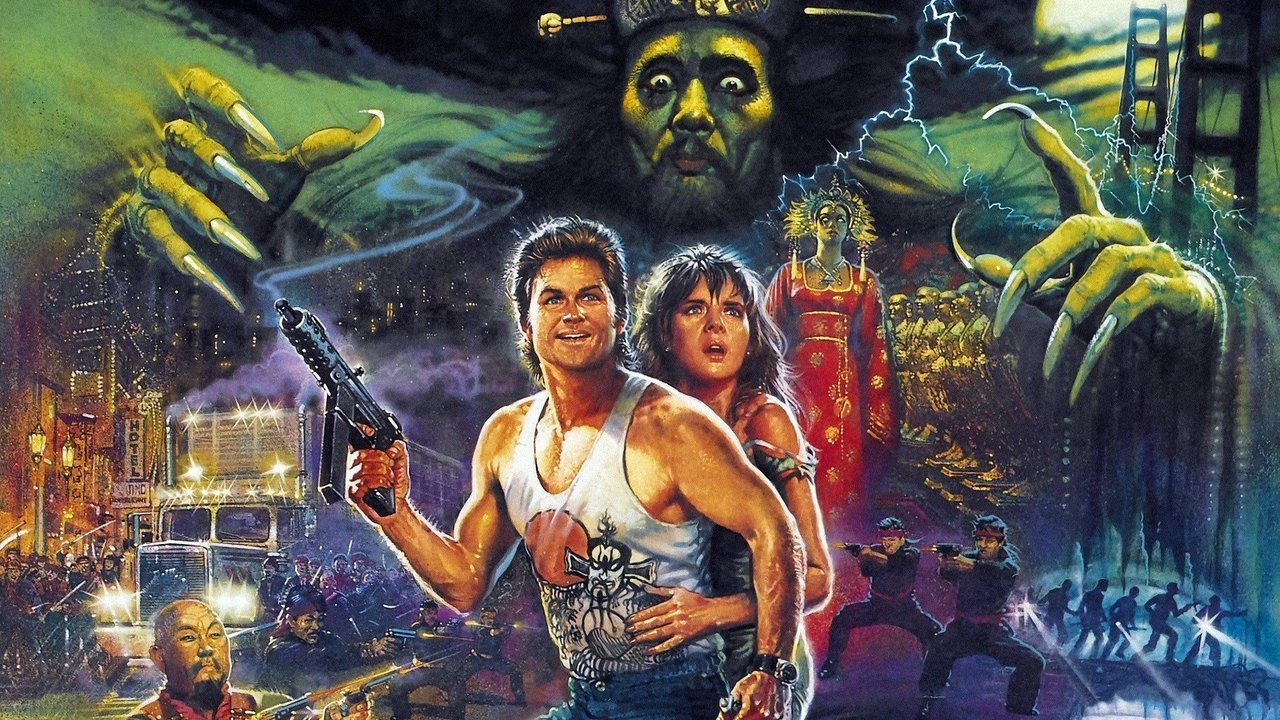
Turns out, the movie was just about twenty years ahead of its time. It’s a love—wait, let me rephrase—it's a high-octane tribute to the Shaw Brothers' martial arts films, mashed together with American swagger.
Cool Details You Might Have Missed
The Original Western: The script was originally written as a Western set in the 1880s, but Carpenter and the writers realized the humor worked better in a contemporary setting. The "Storms" Inspiration: The characters of Thunder, Lightning, and Rain were heavily inspired by the 1982 film Zu: Warriors from the Magic Mountain. Kurt’s Commitment: Kurt Russell was actually suffering from a severe case of the flu during the filming of the big wedding scene, which probably contributed to Jack Burton’s dazed and confused look. The Pork-Chop Express: The truck used in the film was a 1985 Freightliner FLC-120. Fans still track down the remaining models today. * The Score: As always, John Carpenter composed the music himself. That driving, synth-heavy title track is an absolute earworm that perfectly captures the "action-adventure" pulse of the era.
Ultimately, Big Trouble in Little China is the gold standard for "fun" cinema. It doesn’t take itself seriously, yet it’s crafted with the kind of precision and passion that only a master like Carpenter could provide. It celebrates its own absurdity while delivering genuine thrills and a supporting cast—including Victor Wong Chi-Keung as the mystical Egg Shen and Kim Cattrall as the fast-talking Gracie Law—that feels like a family you want to hang out with. Put it on, grab a drink, and remember: it’s all in the reflexes.
Keep Exploring...
-
The Princess Bride
1987
-

Escape from New York
1981
-
Romancing the Stone
1984
-
Ladyhawke
1985
-
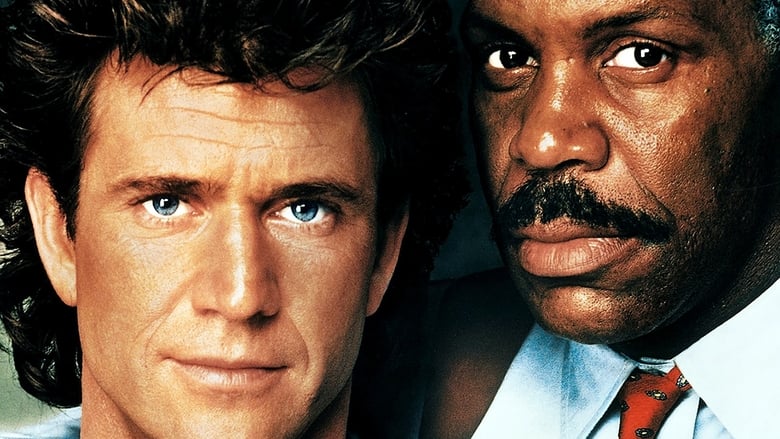
Lethal Weapon 2
1989
-
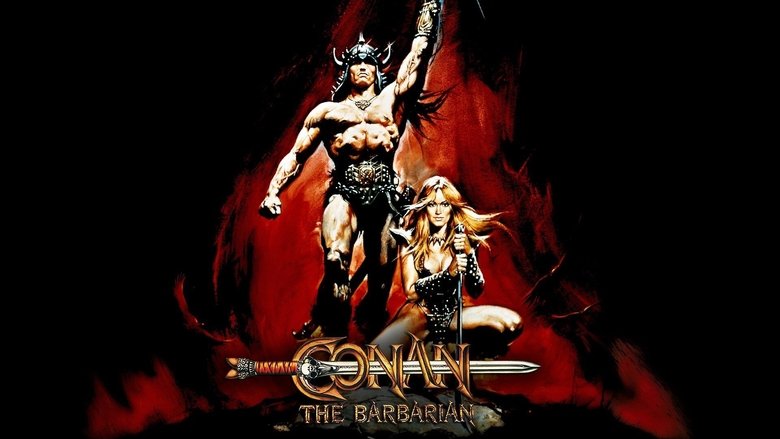
Conan the Barbarian
1982
-
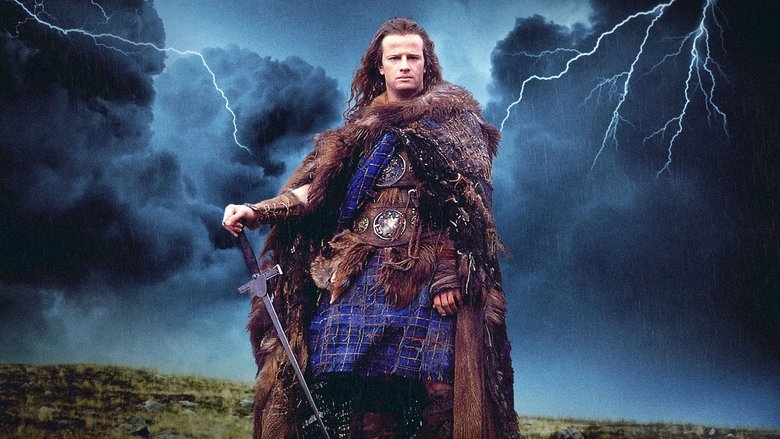
Highlander
1986
-
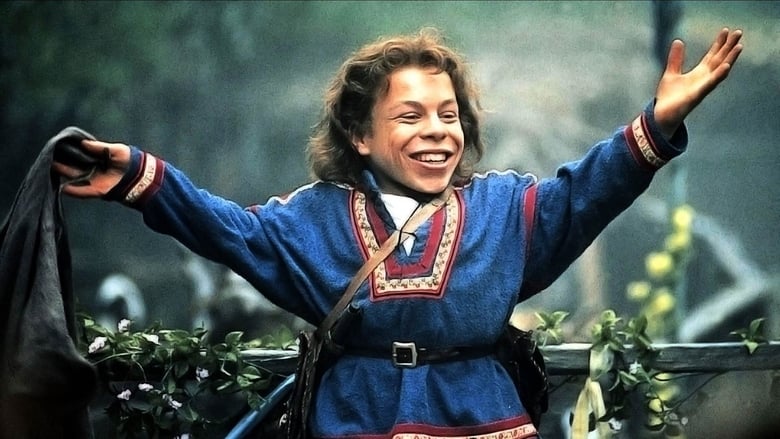
Willow
1988
-
Time Bandits
1981
-
The Adventures of Baron Munchausen
1988
-
Tango & Cash
1989
-
Last Action Hero
1993
-

Sinbad: Legend of the Seven Seas
2003
-
Brave
2012
-
The Goonies
1985
-
Beetlejuice
1988
-

Bill & Ted's Excellent Adventure
1989
-

Bedknobs and Broomsticks
1971
-

The Thing
1982
-
The Jewel of the Nile
1985