Blue Velvet
"The lawn is green, but the roots are rotting."

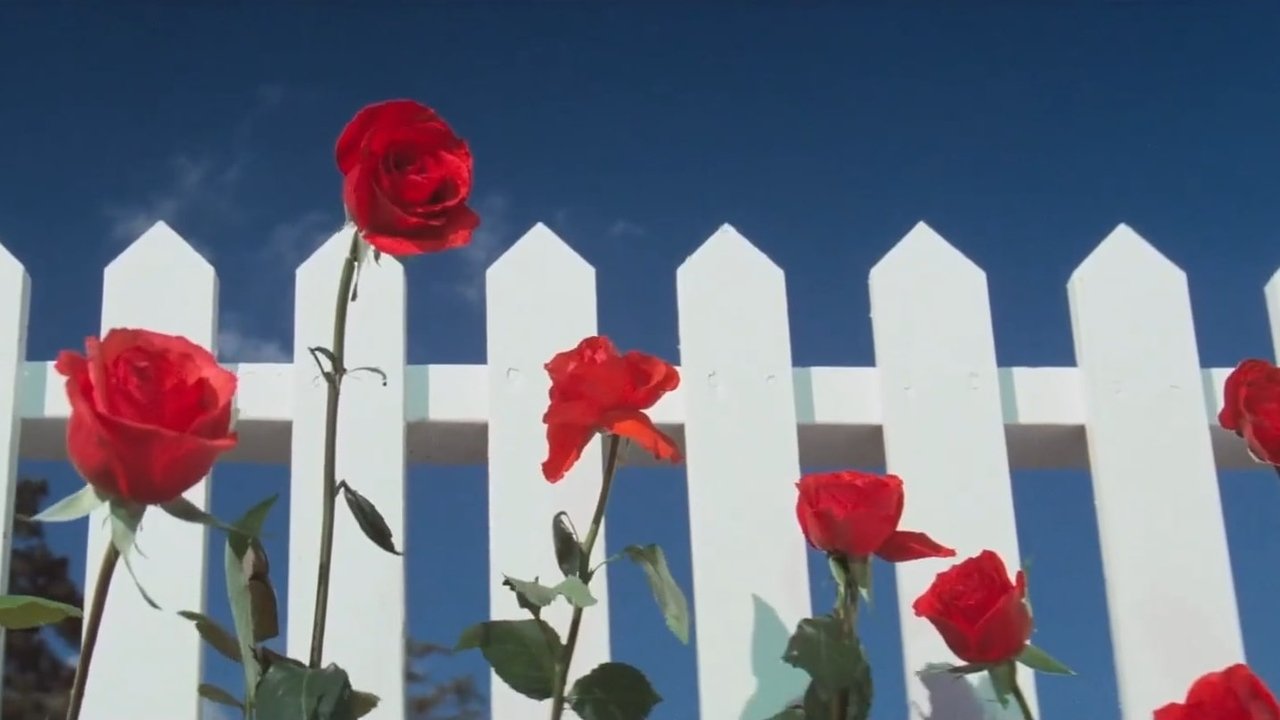
There is a specific kind of rot that only thrives in the sunlight. You see it in the opening moments of Blue Velvet, where the saturation is dialed up so high the red roses look like they’re bleeding against white picket fences. Then, the camera dives beneath the soil to find a writhing, clicking mass of black beetles tearing each other apart. That’s the movie in a nutshell. It’s the definitive cinematic "look closer" moment, and it basically birthed the entire aesthetic of 1980s suburban noir.
I recently rewatched this on a humid Tuesday evening while a giant moth kept battering itself against my window screen. The rhythmic thwack-thwack of its wings against the mesh felt like it could have been part of the movie’s unsettling soundscape. Honestly, Lynch makes suburban lawns look like crime scenes even before the ear shows up, and that’s a power very few directors possess.
The Detective and the Deviant
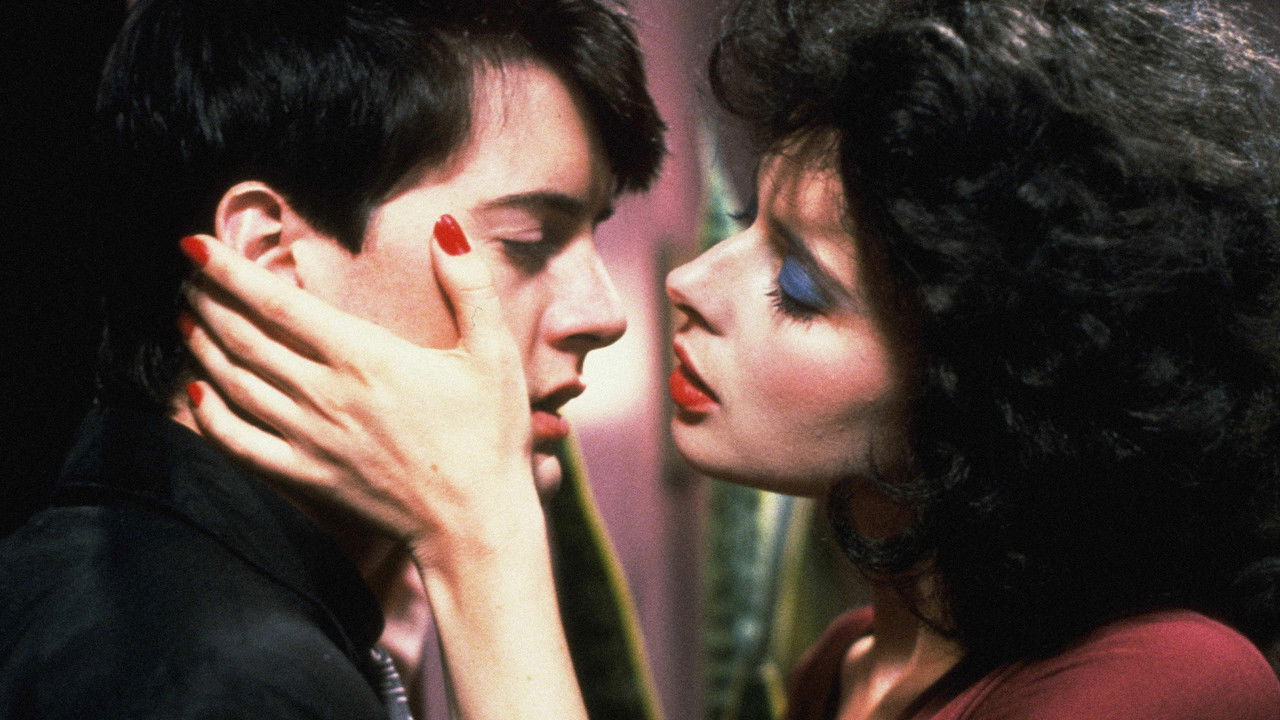
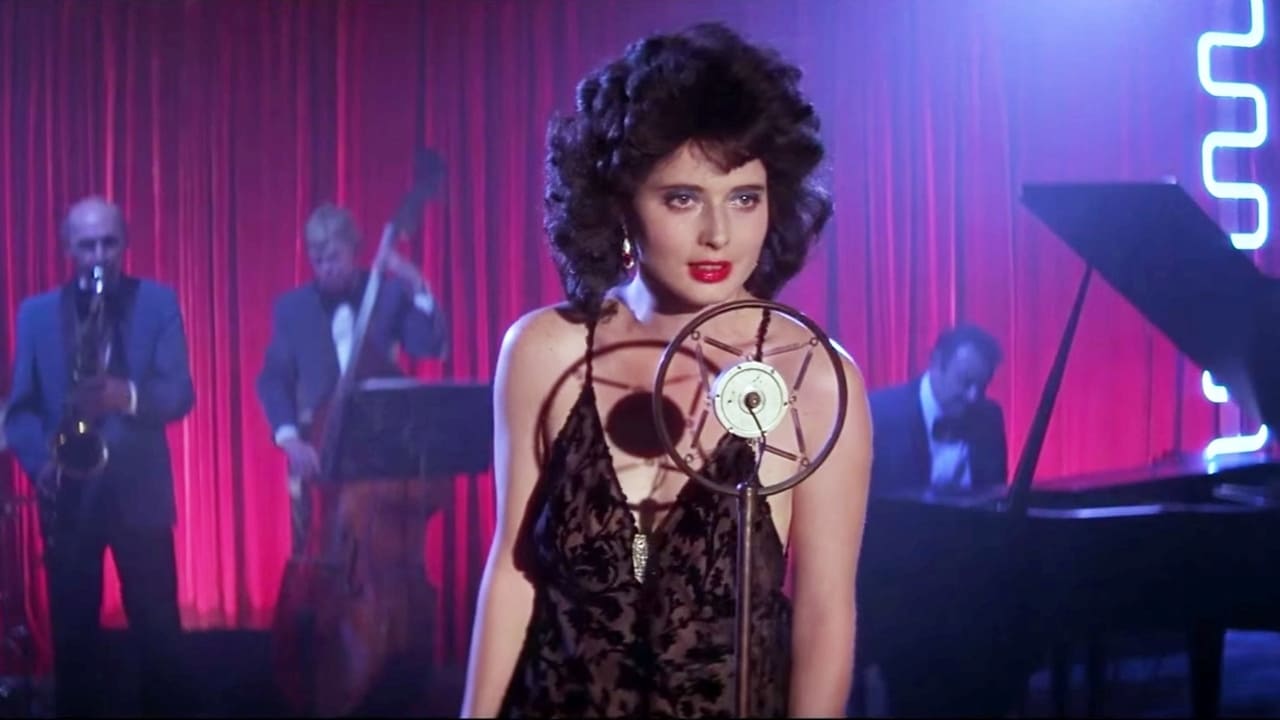
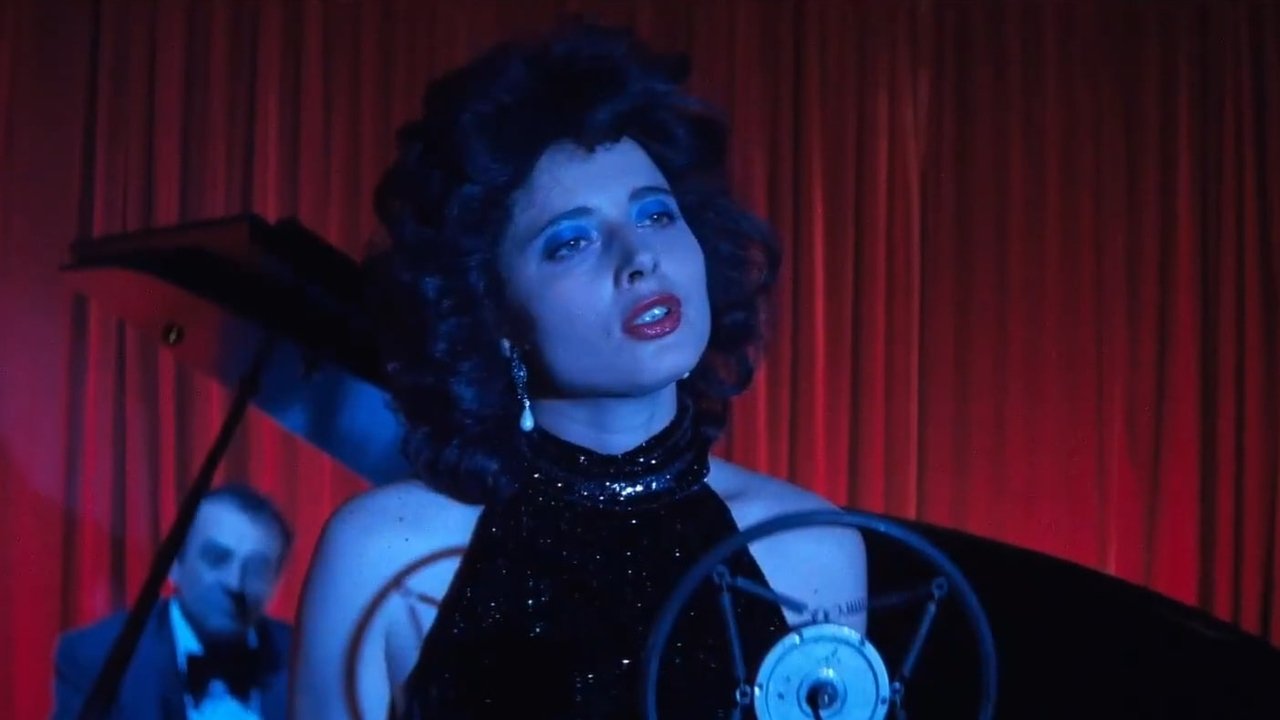
The story kicks off when Kyle MacLachlan, playing the boyishly handsome Jeffrey Beaumont, finds a severed human ear in a vacant lot. Instead of just calling the cops and going back to his slow-paced life in Lumberton, Jeffrey decides to play amateur sleuth. This leads him into the orbit of Dorothy Vallens, a torch singer played with heartbreaking, raw vulnerability by Isabella Rossellini.
If you’ve only seen Kyle MacLachlan as the coffee-loving Agent Cooper in Twin Peaks, his work here is a fascinating precursor. He captures that specific Lynchian hero—earnest, curious, and perhaps a little too comfortable with the darkness he uncovers. But the film really belongs to Dennis Hopper. His performance as Frank Booth didn’t just resurrect his career; it redefined what a movie villain could be. Frank isn't a slasher or a mastermind; he’s a walking, screaming, gas-huffing manifestation of pure, unadulterated id. Frank Booth is basically every bad vibe you’ve ever felt in a dark parking lot, condensed into a single human shaped like Dennis Hopper.
The chemistry between these three is volatile. While Jeffrey is flanked by the "girl next door" archetype in Laura Dern’s Sandy Williams, he’s clearly pulled toward the tragic, velvet-clad nightmare of Dorothy’s world. The drama here isn't just about a kidnapping; it’s about the loss of innocence and the realization that the world is a much stranger, uglier place than the local diner suggests.

The Texture of a Midnight Discovery
Back in the late 80s and early 90s, Blue Velvet was the ultimate "secret" rental. The DEG (De Laurentiis Entertainment Group) logo on the VHS box was like a beacon for those looking for something the multiplex wouldn't show. I’ve heard stories of video store clerks hiding the tape behind the counter because the box art—featuring Isabella Rossellini in that iconic blue robe—suggested a level of eroticism the film subverts with harrowing psychological intensity. It became a cult staple because it felt dangerous. It was a movie you watched with the volume low so your parents wouldn't hear Frank Booth’s profanity-laced tirades echoing through the drywall.
The practical craft here is peak mid-80s. David Lynch and cinematographer Frederick Elmes (who also shot Lynch’s Eraserhead) use a color palette that feels almost hyper-real. The blues are deeper, the reds are sharper, and the shadows are thick enough to drown in. And we have to talk about the sound. Angelo Badalamenti’s score is lush and romantic, which makes the sudden intrusions of industrial hums and Frank’s heavy breathing all the more terrifying.
One of the most famous behind-the-scenes stories involves Dennis Hopper calling Lynch after reading the script and saying, "I have to play Frank Booth. Because I am Frank Booth." It’s a terrifying thought, but that lived-in intensity is what makes the "In Dreams" lip-sync scene with Dean Stockwell so legendary. It’s a moment of bizarre, campy beauty that pivots into soul-crushing violence in a way only Lynch can orchestrate. If you don’t feel a cold chill when Ben holds that work lamp like a microphone, you might actually be a robot.
A Legacy in Velvet
The impact of Blue Velvet is hard to overstate. It took the 1950s Americana that the Reagan era was so desperate to reclaim and peeled back the skin to show the infections underneath. It’s a film that demands you engage with it emotionally and psychologically. You don’t just watch Blue Velvet; you survive it. It deals with trauma and sexual violence in a way that is undeniably difficult, but it never feels exploitative. Instead, it feels like a dream—or a nightmare—that you can't quite shake off when the sun comes up.
The film's journey from a divisive theatrical release (the critics either hailed it as a masterpiece or loathed it with a passion) to a cornerstone of modern cinema is the quintessential cult success story. It’s a movie that rewards repeat viewings, not because you’ll finally "solve" the mystery, but because you’ll notice a new shadow, a new sound, or a new nuance in Isabella Rossellini’s incredibly brave performance.
Ultimately, this is a film that reminds me why I love the medium. It doesn't play by the rules of traditional mystery or thriller genres. It creates its own logic, its own language, and its own lingering sense of dread. It’s a masterpiece of the New Hollywood transition into the high-concept 80s, proving that even in a decade of blockbusters, there was plenty of room for the weird, the wired, and the wonderful. Just remember: stay away from the deep grass, and for heaven's sake, don't ever ask for a Heineken if Frank Booth is in the room.
Keep Exploring...
-
Wild at Heart
1990
-
Lost Highway
1997
-
Blow Out
1981
-
Clue
1985
-
Mississippi Burning
1988
-
The Untouchables
1987
-
Mulholland Drive
2001
-
Inland Empire
2006
-
Chinatown
1974
-
The Name of the Rose
1986
-
In the Heat of the Night
1967
-

Murder by Death
1976
-
Twin Peaks: Fire Walk with Me
1992
-
The French Connection
1971
-
Witness
1985
-
Kiss Kiss Bang Bang
2005
-
Lucky Number Slevin
2006
-
Blood Simple
1985
-
Manhunter
1986
-

Zodiac
2007