Cobra
"Crime is the disease. He’s the oversized needle."
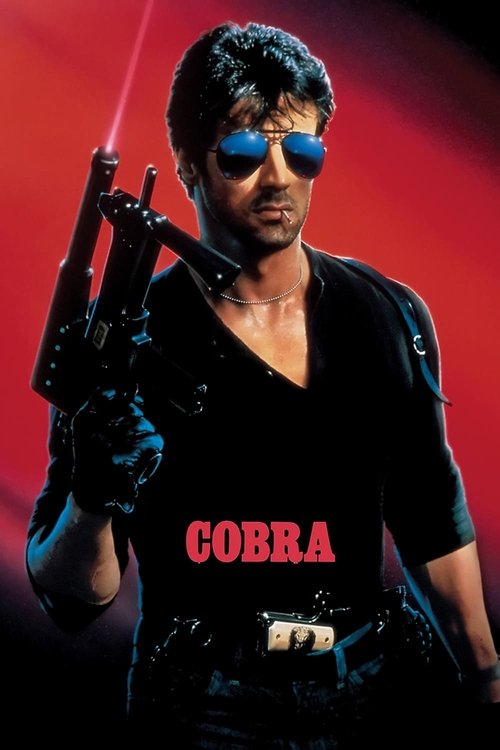
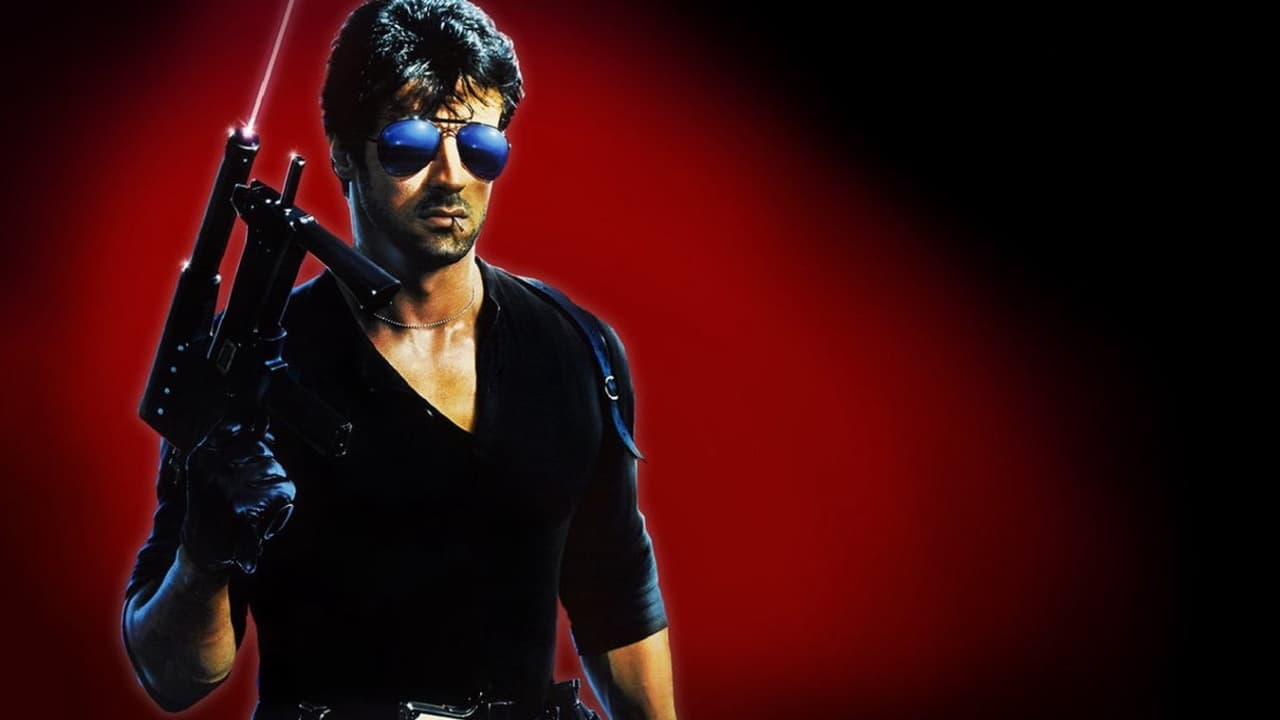
The first time I saw Sylvester Stallone as Marion “Cobra” Cobretti, he wasn't just a cop; he was a walking, talking 1980s mood board. He’s got the mirrored aviators reflecting a neon-lit grocery store, a permanent matchstick dangling from his lip, and a customized 1950 Mercury Monterey that probably gets four miles to the gallon. I watched this most recently while eating a lukewarm Hot Pocket that was still frozen in the middle, and honestly, that’s the exact culinary equivalent of a Cannon Films production: scalding on the outside, a bit cold at the core, but you’re going to finish it anyway.

Cobra is the ultimate "what if?" movie. Specifically, what if Stallone hadn’t walked away from Beverly Hills Cop? When he was originally cast as Axel Foley, he reportedly tried to rewrite the script into a $20 million action epic that the studio couldn't afford. He took those discarded, hyper-masculine ideas, stripped away every ounce of Eddie Murphy’s humor, and distilled them into this 87-minute fever dream of Reagan-era justice.
The Gospel of the Matchstick
The film opens with a hostage situation in a supermarket, which is really just an excuse for Cobra to drink a warm Coors and tell a gunman, "I don't deal with psychos. I put 'em away." It’s peak 80s posturing, delivered with a gravelly mumble that makes you wonder if Stallone was actually awake during the ADR sessions. He plays Cobretti like a man who has replaced his entire personality with a leather jacket.
But the real magic isn’t in the hero; it’s in the sheer, unadulterated weirdness of the villains. Brian Thompson plays the "Night Slasher," the leader of a cult called the New Order. They aren't your typical movie mobsters; they’re a group of sweaty radicals who spend their free time in secret warehouses clinking axes together over their heads. Why? It’s never really explained. They just really like the sound of percussive metal. Thompson has a face that looks like it was chiseled out of a mountain of pure intimidation, and his final confrontation with Cobra in a foundry is a masterclass in "staring intensely while things explode behind you."
Practical Mayhem and the Cannon Touch
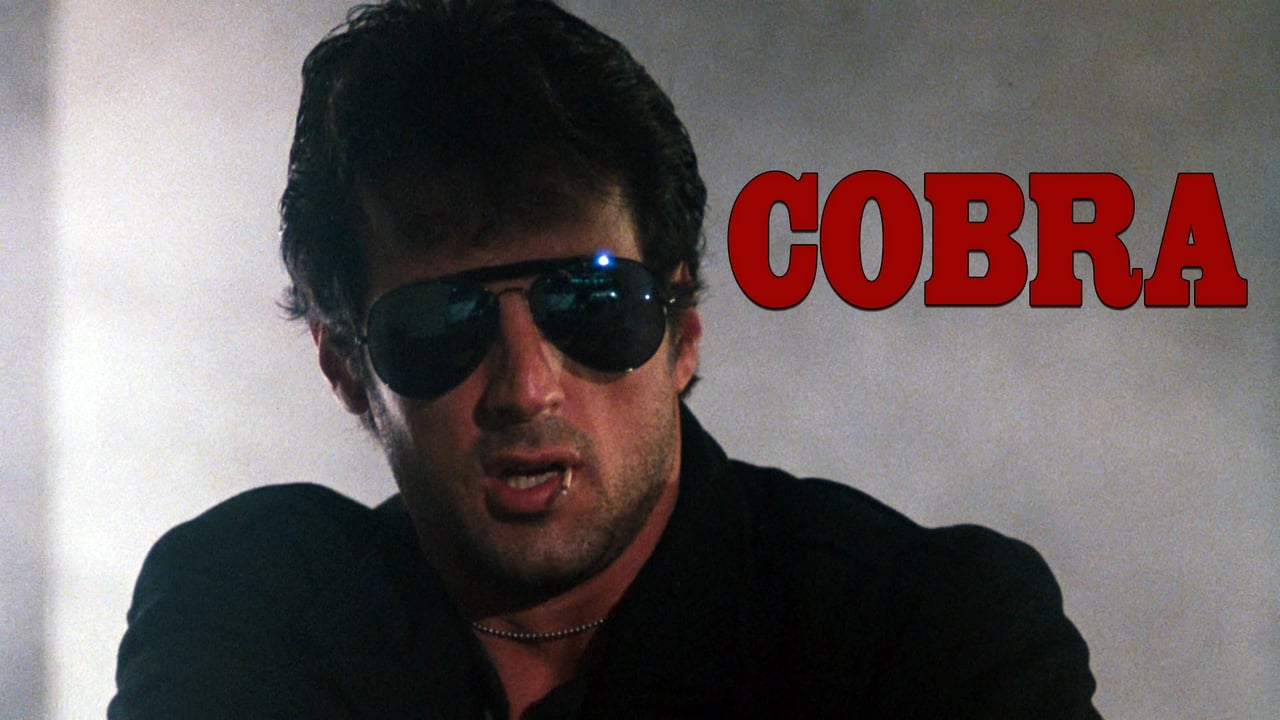
Director George P. Cosmatos (who also helmed Rambo: First Blood Part II) treats the camera like it's a weapon. The cinematography by Ric Waite is surprisingly stylish for what is essentially a slasher movie disguised as a police procedural. It’s all high-contrast shadows and lens flares—it looks like a 90-minute music video for a song about urban decay and hairspray.
The stunt work here is the real deal. In the mid-80s, if you wanted a car to jump a bridge, you didn't call a VFX house; you hired a guy named Terry Leonard to actually jump a car. The centerpiece chase, featuring Cobra’s Mercury and a fleet of black sedans, has a physical weight to it that modern CGI just can’t replicate. When those cars flip, you feel the crunch of the metal. It’s also notable for featuring Reni Santoni as Cobra’s partner, Gonzales. Poor Santoni basically exists to hold the hero’s jacket and look worried while Stallone does things that would get any real police officer fired within forty-five seconds.
The Video Store Holy Grail
If you grew up in the late 80s or early 90s, the Cobra VHS box was a permanent fixture of your local rental shop. It was the one with Stallone looking over his shoulder, submachine gun in hand, looking like he was personally going to arrest you for not rewinding. The film found its true life on home video because it’s a "parts" movie—the kind of flick where you fast-forward to the "cleaning the gun" montage or the scene where Brigitte Nielsen (then Stallone's real-life wife) survives an attack in a hospital.
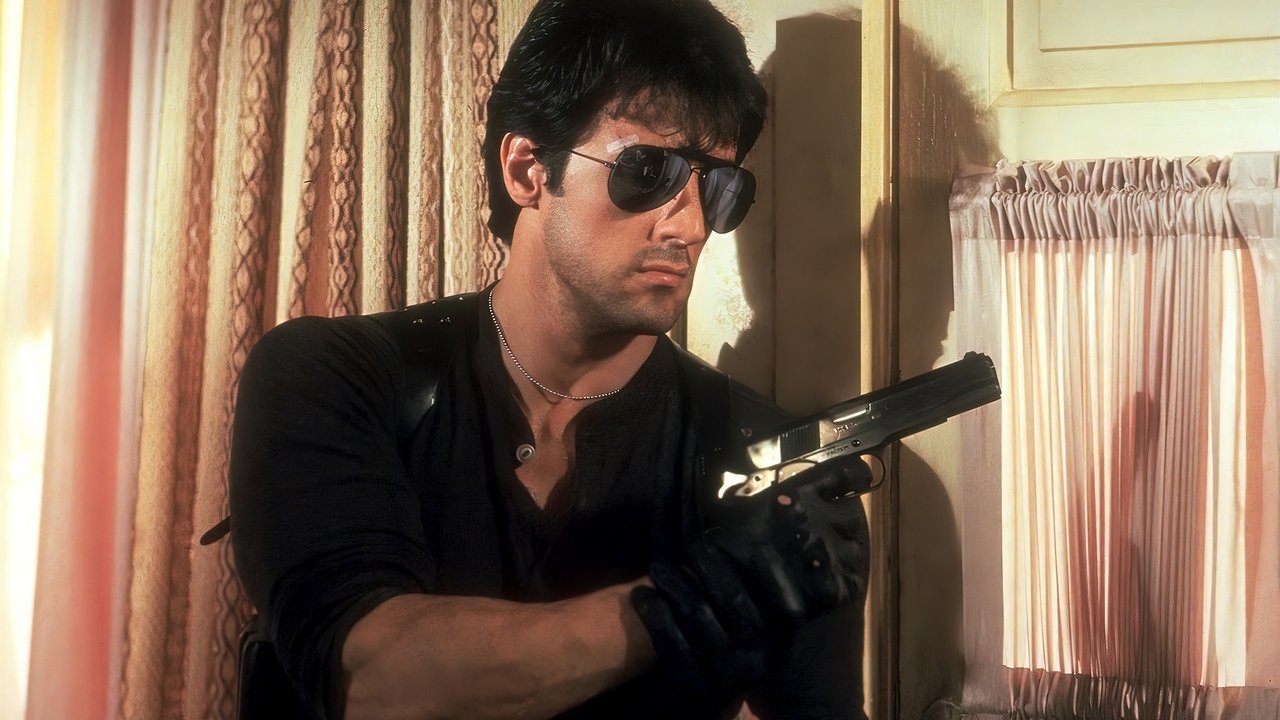
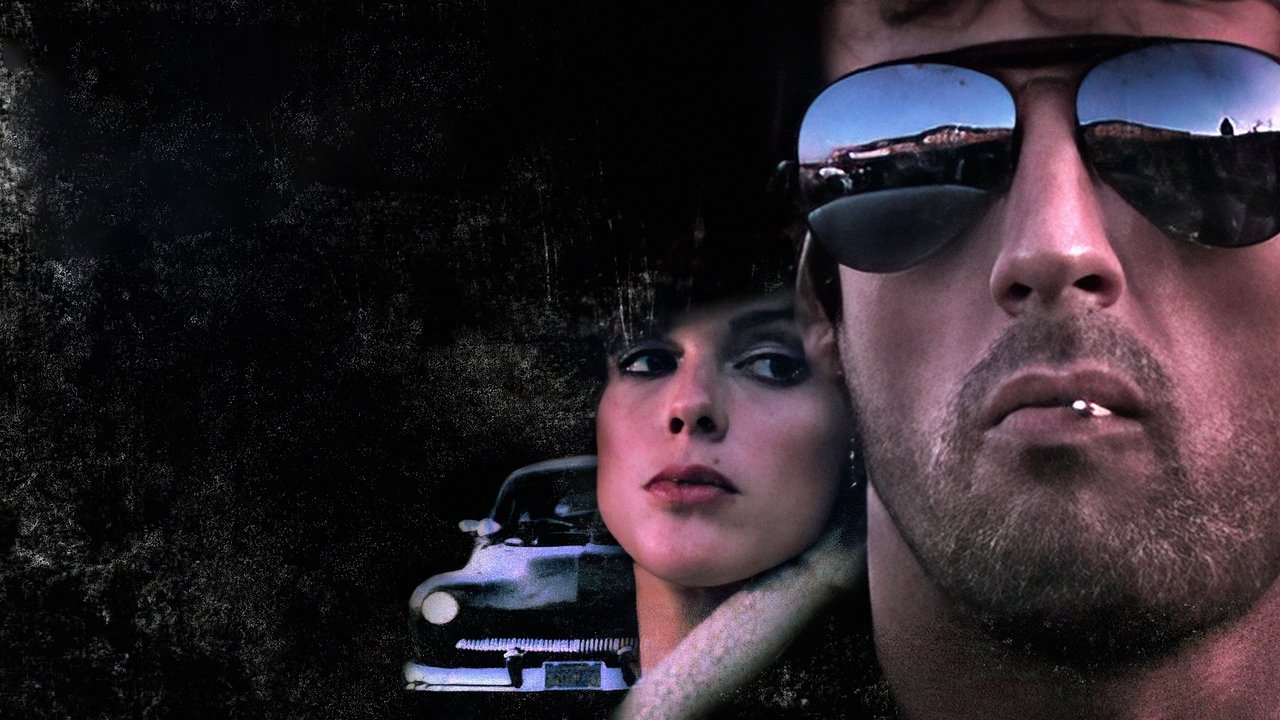
Nielsen plays Ingrid, a model who witnesses the cult’s crimes. The movie doesn’t give her much to do other than look terrified, but the chemistry between her and Stallone is... well, it’s exactly what you’d expect from a couple who were the most famous people in the world at the time. The scene where Cobra cuts a slice of cold pizza with a pair of scissors while watching her is the most unnecessarily aggressive piece of character building in cinema history. Why the scissors, Sly? Why the scissors?
Despite the critics tearing it apart at the time for its "fascist" undertones and nonsensical plot, Cobra has endured because it is a pure artifact of its era. It represents the moment when the "One Man Army" subgenre hit its absolute peak of self-seriousness and style-over-substance. It’s loud, it’s ridiculous, and it features a soundtrack by Sylvester Levay that sounds like a Casio keyboard having a glorious nervous breakdown.
Cobra isn't a "good" movie by any traditional metric of screenwriting or logic, but it is an essential piece of action history. It’s a relic of a time when movie stars were brands and a matchstick was a legitimate character choice. If you can turn off the part of your brain that asks questions like "Where did the cult get all those axes?" or "How does he see through those sunglasses at night?", you’re in for a hell of a ride. It’s a neon-soaked, gasoline-scented time capsule that reminds us that sometimes, the cure is just as messy as the disease.
Keep Exploring...
-
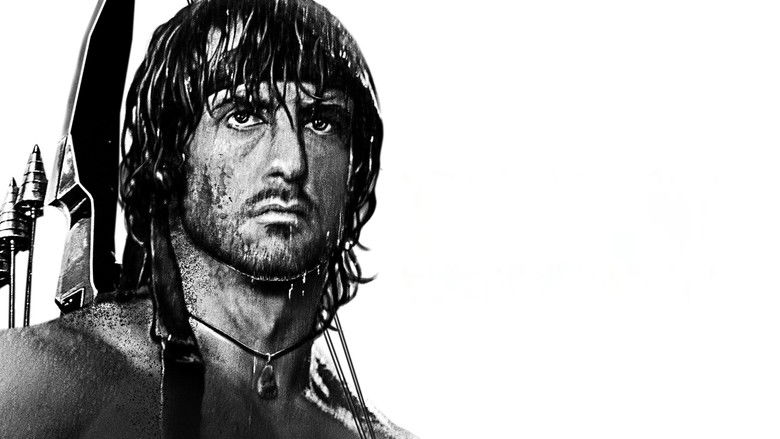
Rambo: First Blood Part II
1985
-
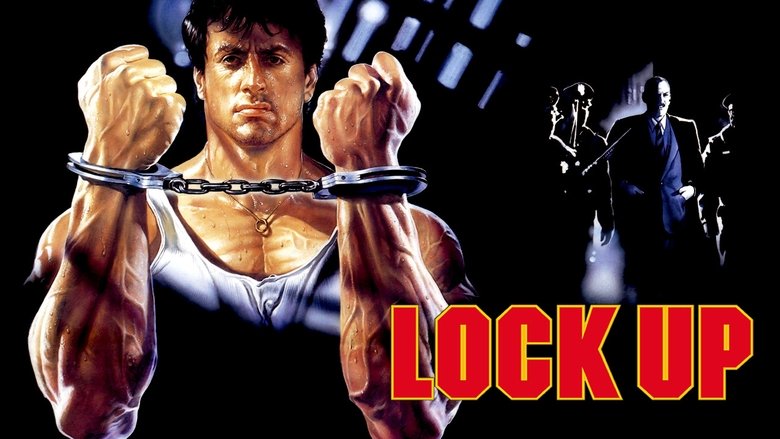
Lock Up
1989
-
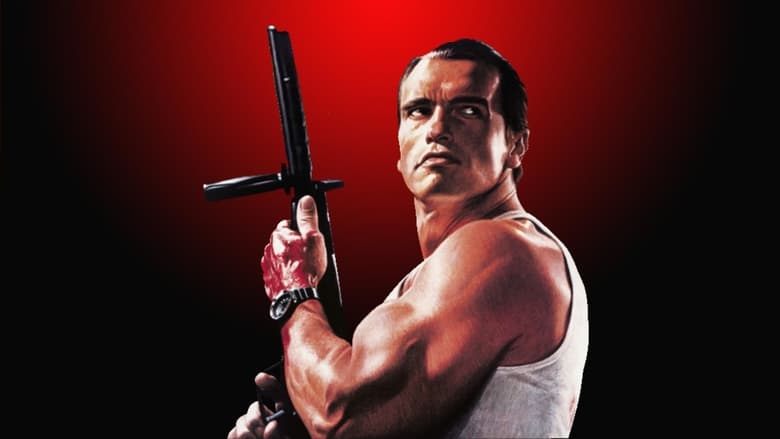
Raw Deal
1986
-
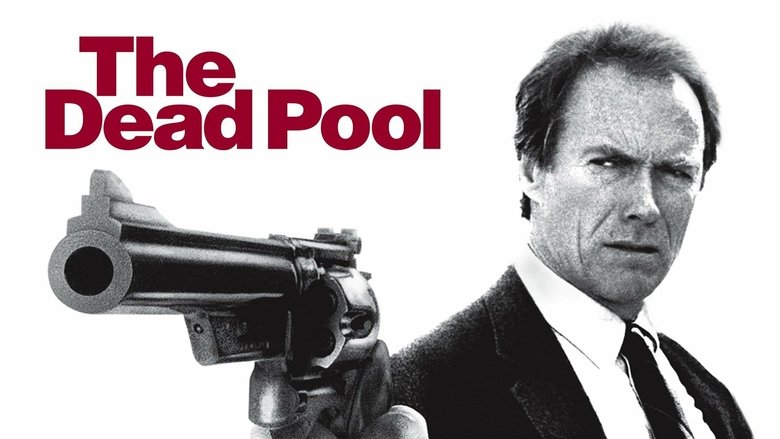
The Dead Pool
1988
-
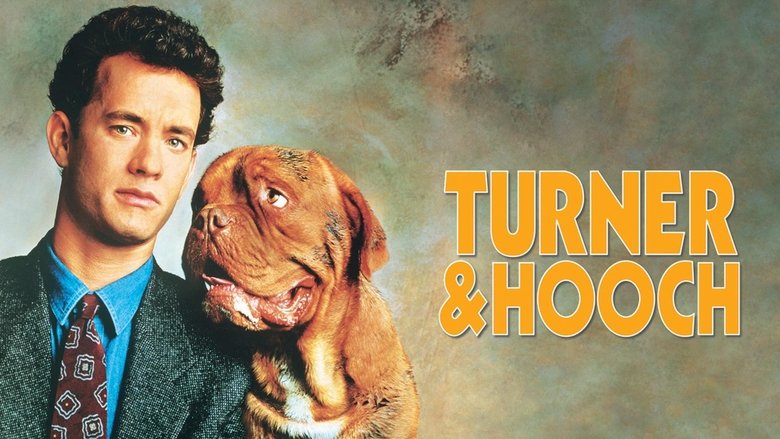
Turner & Hooch
1989
-
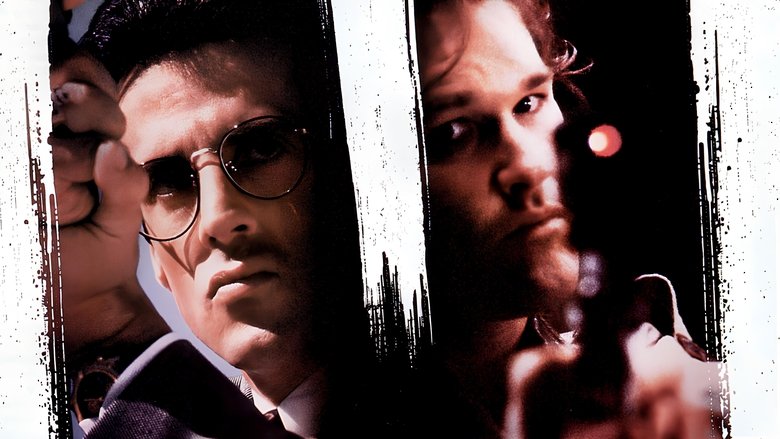
Tango & Cash
1989
-
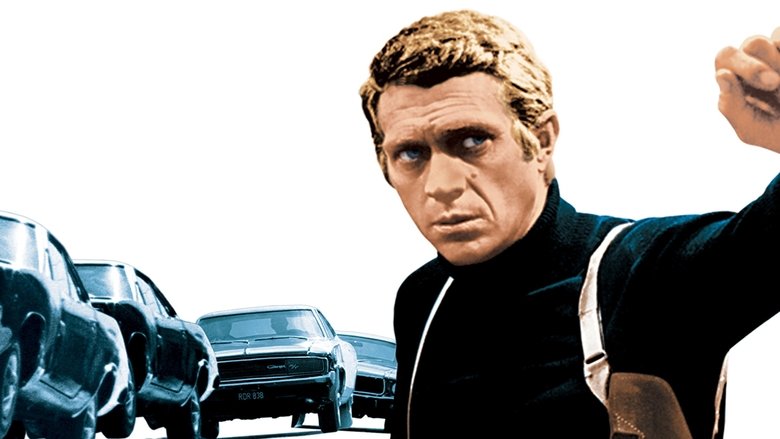
Bullitt
1968
-
Rambo III
1988
-
Over the Top
1987
-
Sudden Impact
1983
-
48 Hrs.
1982
-
Body Double
1984
-
Red Dawn
1984
-
Star Trek III: The Search for Spock
1984
-

Masters of the Universe
1987
-
Red Heat
1988
-
K-9
1989
-

Road House
1989
-
Star Trek V: The Final Frontier
1989
-
Assassins
1995