Crocodile Dundee
"He’s a legend from the land down under."
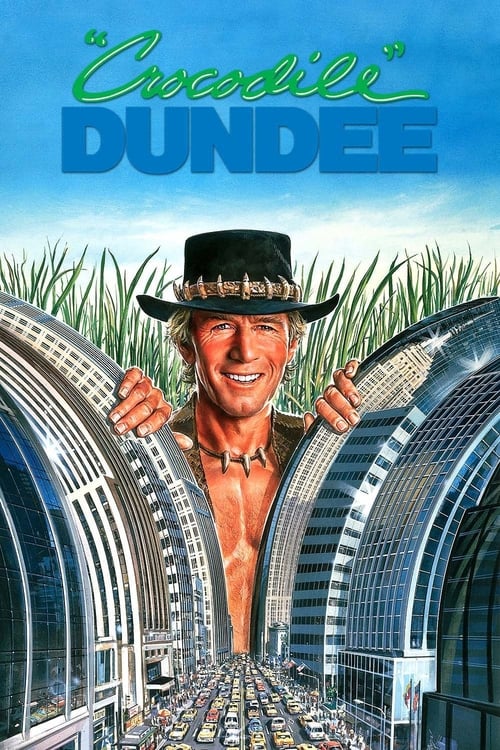
In 1986, the world was strangely, collectively obsessed with anything that came from a sun-scorched continent ten thousand miles away. Between Men at Work topping the charts and the sudden ubiquity of Foster’s Lager, Australia wasn’t just a country; it was a vibe. But nothing solidified "Ozemania" quite like a middle-aged former bridge rigger named Paul Hogan stepping onto a New York City sidewalk in a leather vest. Watching Crocodile Dundee today isn’t just a trip down memory lane; it’s a masterclass in how a film can succeed purely on the back of a singular, radiating charisma.
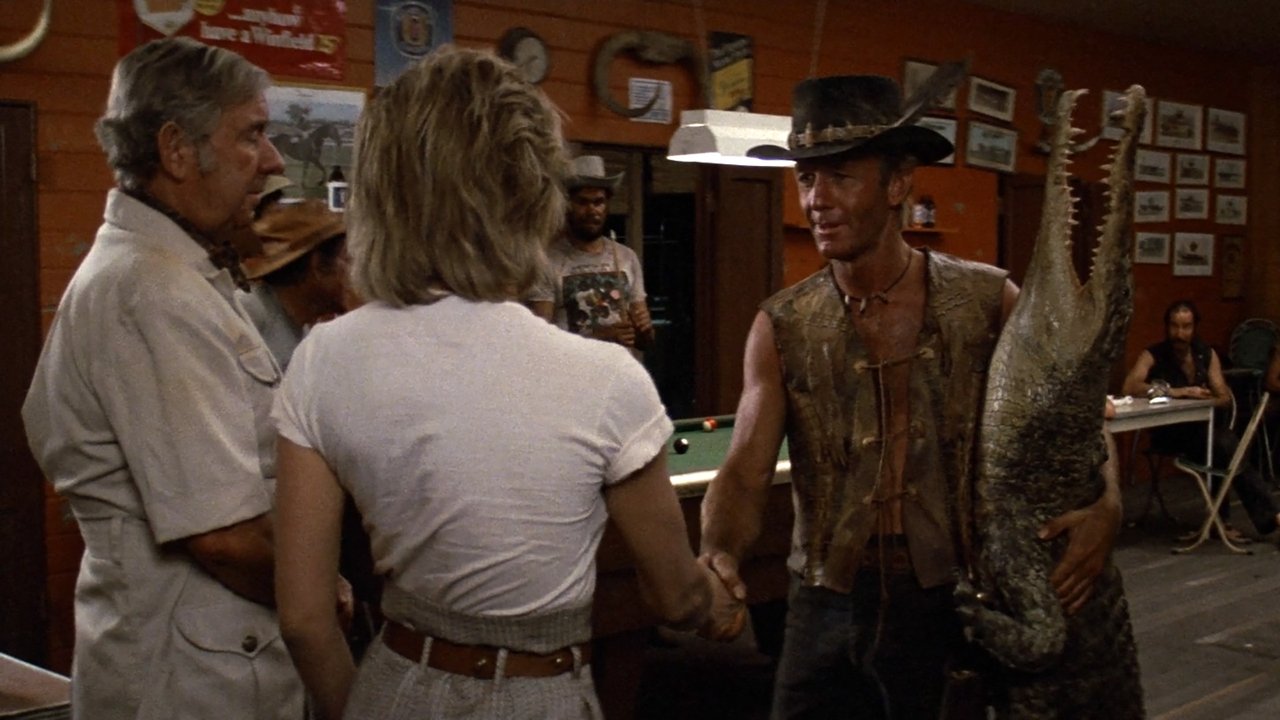
I recently revisited this on a quiet Tuesday evening while nursing a slightly bruised ego over a failed attempt at making sourdough, and I found that Mick Dundee is the perfect antidote to modern stress. There is something profoundly soothing about a man who looks at a mugger's switchblade and smiles because he knows his own steel is bigger.
Outback Mystique Meets Manhattan Grit
The film’s structure is a classic two-act play. The first half is a lush, widescreen adventure through the Northern Territory, shot by the legendary Russell Boyd (who would later win an Oscar for Master and Commander: The Far Side of the World). He makes the Australian bush look like another planet—harsh, beautiful, and utterly indifferent to human life. When Linda Kozlowski’s Sue Charlton arrives to interview the man who supposedly survived a crocodile attack, the film plays with our expectations. Is Mick a liar? A sage? Or just a guy who knows how to charm the pants off a New York reporter?
The second act, where Mick follows Sue back to the "concrete jungle," is where the comedy gold is mined. It’s the ultimate fish-out-of-water story, but what makes it work is that Mick isn't the one who’s confused—he thinks everyone else is crazy. Whether he’s trying to figure out a bidet or politely greeting every single person on a crowded sidewalk, Paul Hogan plays it with a deadpan sincerity that never feels mocking. He treats the high-society "snoots" played by actors like Mark Blum with the same casual curiosity he’d show a strange lizard in the scrub.
The $5 Million Gamble that Conquered the World
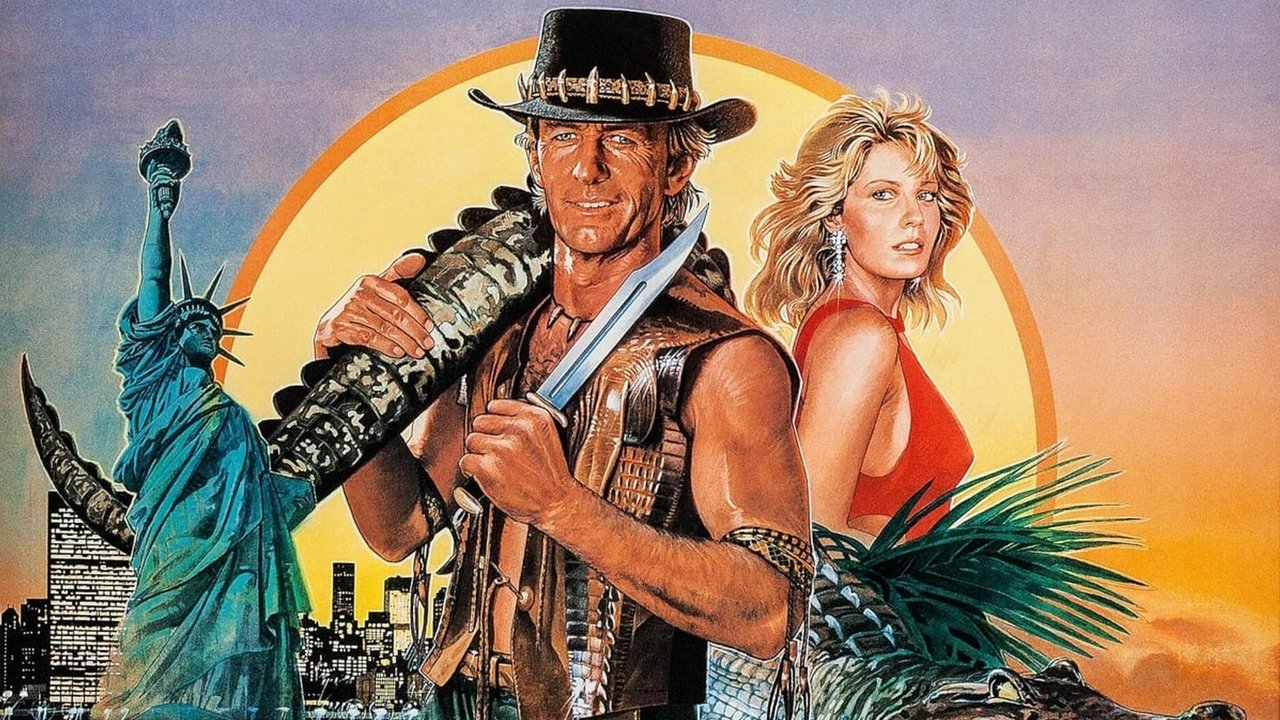
From a production standpoint, Crocodile Dundee is one of the greatest "David vs. Goliath" stories in cinema history. Produced by Rimfire Films on a shoestring budget of roughly $5 million, it went on to gross over $320 million. To put that in perspective, it's essentially a romantic comedy with more reptiles and better tax incentives. Paul Hogan and producer John Cornell actually raised the money privately, bypassing the major studios, which allowed them to keep the film’s distinctively Australian soul intact.
The practical effects of the era are on full display here, and they have a weight that CGI simply can’t replicate. The mechanical crocodile used for the infamous water-attack scene was a notoriously temperamental beast. Legend has it the crew nicknamed it "Croc-o-doll," and while it doesn't have the fluid motion of a modern digital creature, the sheer physical presence of that animatronic head lunging at Linda Kozlowski creates a genuine sense of peril. There’s a grit to 1980s filmmaking where you can almost smell the swamp water and the DEET on the actors' skin.
The Legacy of the Orange VHS Case
If you grew up in the late 80s or early 90s, you likely saw this film for the first time on a VHS tape with that distinctive, sun-faded yellow and orange cover art. It was a staple of the "Comedy" section in every Mom-and-Pop video store, usually sandwiched between Ghostbusters and Coming to America. It’s a film that benefited immensely from the home video revolution; its episodic nature and quotable one-liners made it the perfect "repeat watch" for families.
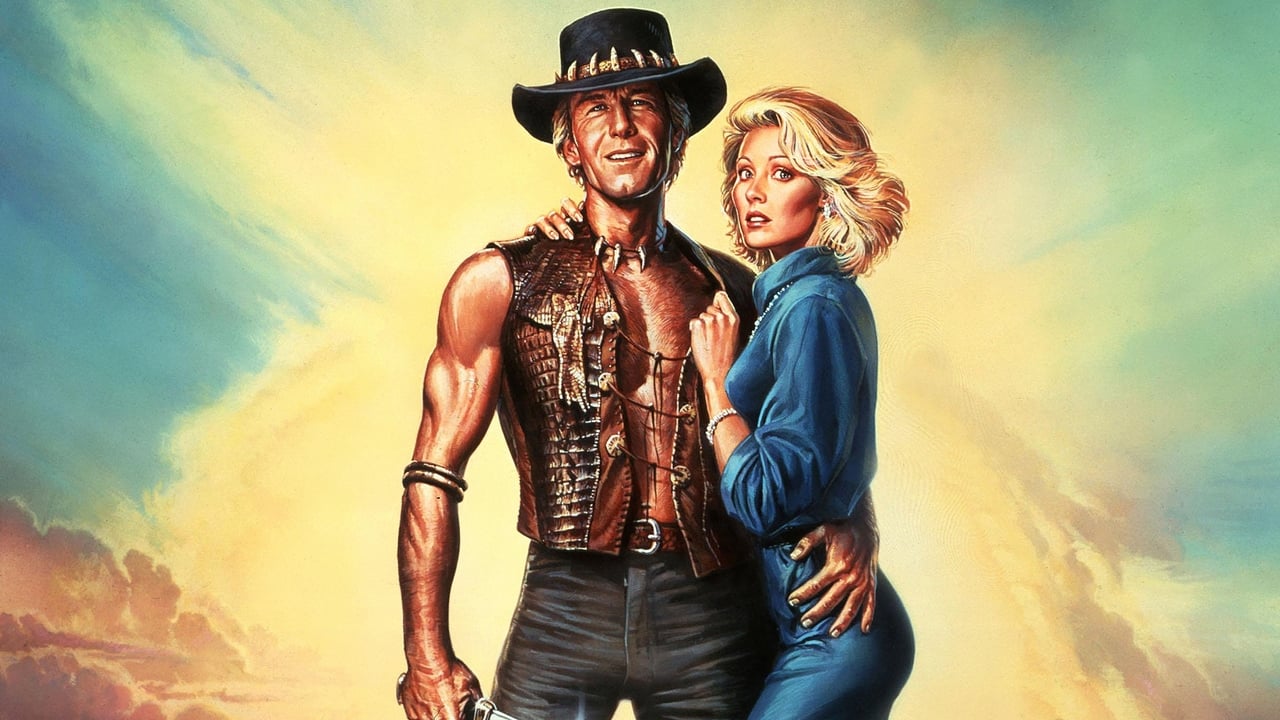
I’d be remiss not to mention David Gulpilil, who plays Neville Bell. A truly legendary Indigenous Australian actor, Gulpilil provides a brief but vital counterpoint to Mick’s larrikin persona. His scene—where he’s caught in the "middle of a dance" by Sue’s camera—is a clever subversion of Western expectations of "tribal" life. It’s these small touches of self-awareness that keep the film from feeling like a total relic of a less sensitive time.
The chemistry between Hogan and Kozlowski (who famously became a real-life couple) is the engine that drives the ending. That final scene in the subway station, involving a crowd of New Yorkers relaying messages like a human telephone, is pure cinematic sugar. It shouldn’t work—it’s sentimental, unrealistic, and incredibly cheesy—but by that point, Mick has earned your vote. He’s the guy who can punch out a shark but is still baffled by a trans person at a party, and somehow, through Hogan’s sheer squinty-eyed charm, we’re all along for the ride.
Crocodile Dundee remains a landmark of 1980s blockbuster cinema because it prioritizes character over spectacle. It’s a lean, mean, 97-minute machine that knows exactly when to tell a joke and when to let the scenery do the talking. While some of the gender politics and "big city" tropes have gathered a bit of dust, the central performance by Paul Hogan is a timeless piece of movie-star alchemy. If you haven't seen it in a decade, give it a spin; it’s a sharp reminder that sometimes the best special effect is just a guy with a great hat and an even better grin.

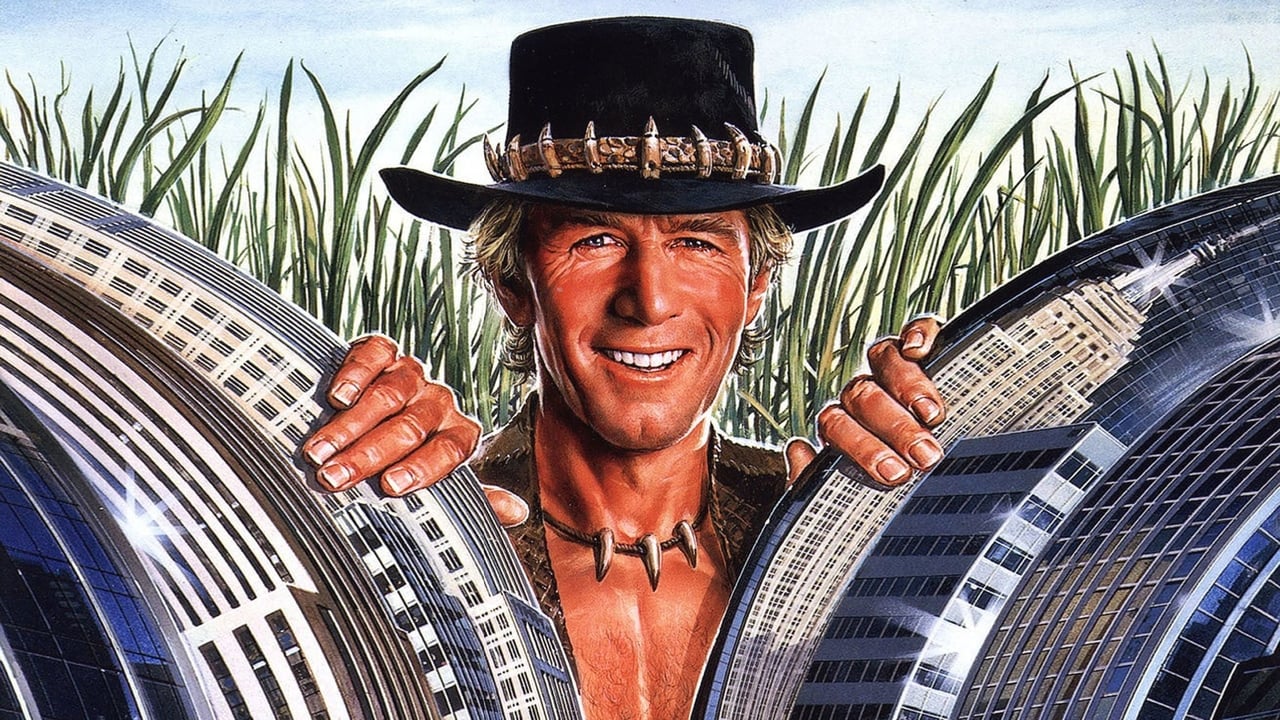
Keep Exploring...
-
Crocodile Dundee II
1988
-
Honey, I Shrunk the Kids
1989
-
Lethal Weapon 2
1989
-
One Hundred and One Dalmatians
1961
-
The Aristocats
1970
-
Time Bandits
1981
-
Romancing the Stone
1984
-
Ladyhawke
1985
-
The Jewel of the Nile
1985
-

An American Tail
1986
-
Big Trouble in Little China
1986
-

The Golden Child
1986
-
The Adventures of Baron Munchausen
1988
-

Bill & Ted's Excellent Adventure
1989
-

Back to the Future
1985
-
Back to the Future Part II
1989
-
Gremlins
1984
-
Beverly Hills Cop II
1987
-
Lethal Weapon
1987
-
Big
1988