Flight of the Navigator
"Eight years late, but right on time."
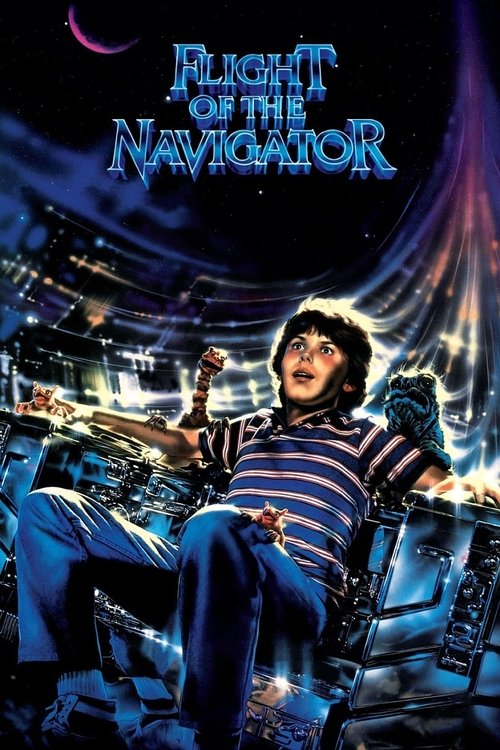
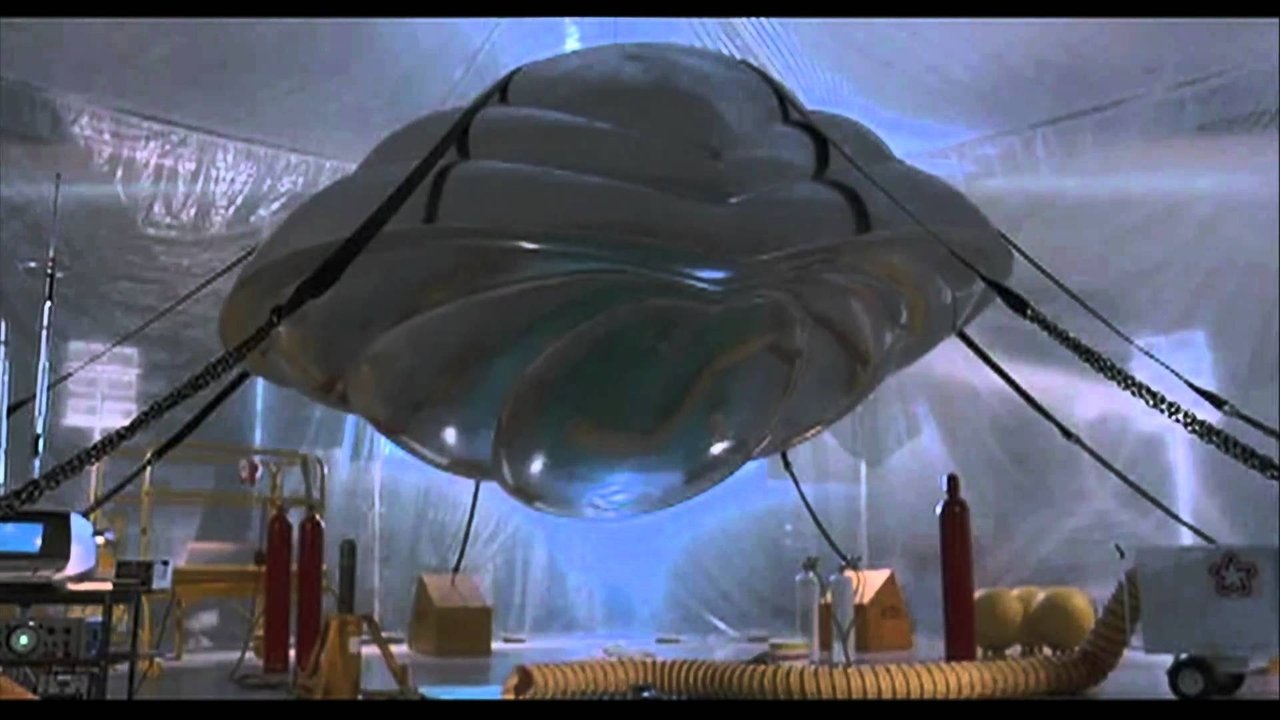
Walking into a NASA hangar and seeing a seamless, chrome-plated almond that looks like it was forged from liquid mercury is the kind of image that sticks in a kid’s brain forever. In 1986, while the rest of the world was obsessed with the gritty, "used future" aesthetic of Star Wars or the terrifying industrial grime of Aliens, director Randal Kleiser gave us a ship that felt genuinely alien precisely because it was so clean. Flight of the Navigator isn’t just a "boy and his dog" story where the dog happens to be an intergalactic drone; it’s a surprisingly poignant look at time-loss that somehow balances Disney whimsy with the terrifying realization that your childhood home can become a museum while you aren’t looking.

I watched this recently while sitting on a couch that was slightly too small for me, eating a bag of microwave popcorn that I’d accidentally burnt by thirty seconds, and that scorched smell oddly complemented the opening scenes of David wandering through the humid, confusing Florida woods.
The Shiny Mirror of 1986
The plot kicks off with twelve-year-old David Freeman (Joey Cramer) walking through the woods in 1978 to pick up his annoying younger brother. He falls into a ravine, gets knocked unconscious, and climbs back out to find his house occupied by strangers and his family long gone. For David, it’s been four minutes. For the rest of the world, it’s 1986.
This is where the movie hits a gear most "family films" are afraid to touch. The reunion between David and his parents, played with heartbreaking sincerity by Veronica Cartwright and Cliff DeYoung, is genuinely unsettling. Seeing Veronica Cartwright—who had already survived the chest-burster in Alien—look at her son with a mixture of joy and absolute terror is a heavy lift for a PG movie. The film treats David’s predicament with the gravity of a missing person’s case rather than a magical adventure, at least until the spaceship shows up. Disney basically tricked us into watching a movie about existential erasure by promising us a talking robot later on.
Reflections and Real Geometry

Technically, Flight of the Navigator was a pioneer. It was one of the first films to use "reflection mapping," a CGI technique that allowed the silver ship (the Trimaxion Drone Ship) to realistically reflect the environment around it. While the stop-motion "Puckmaren" puppet in the ship’s menagerie looks like a dusty Muppet today, the ship itself remains a marvel. It doesn't look like a prop; it looks like a hole in reality.
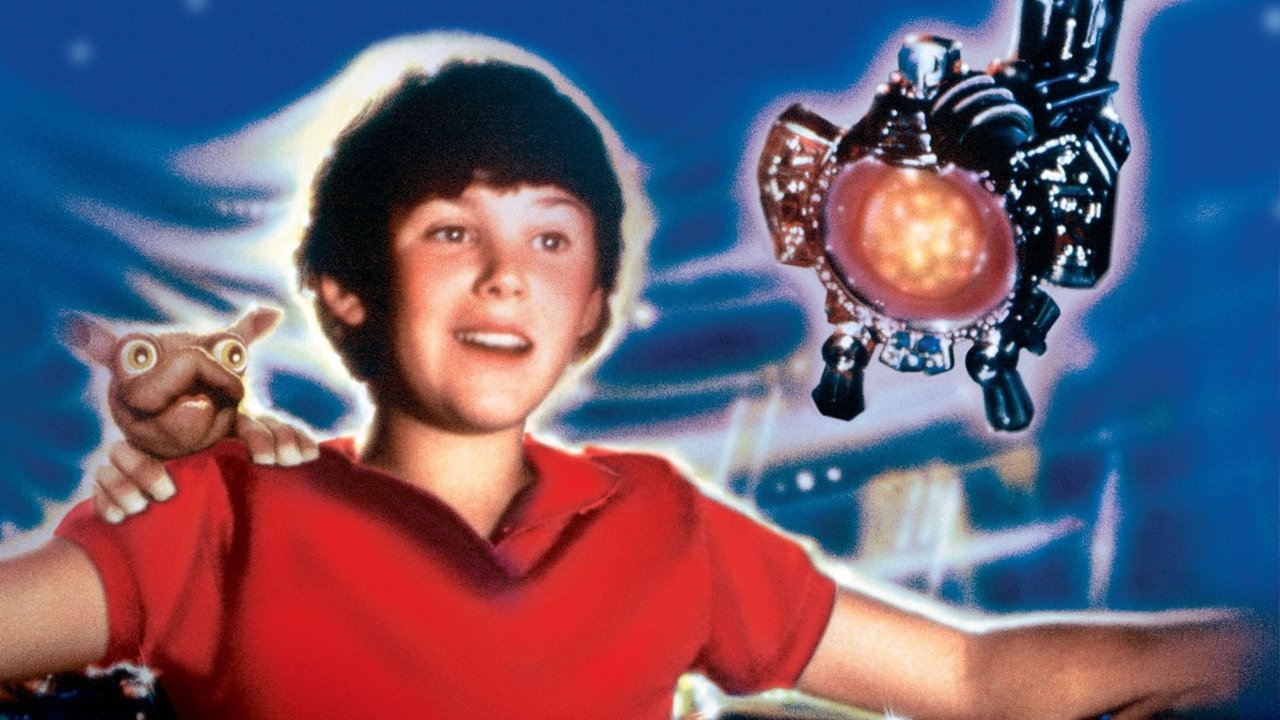
The ship’s pilot, eventually dubbed "Max," is voiced by Paul Reubens (credited as "Pee-wee Herman" in the original release). Initially, Max is a cold, calculating AI, but after he "leaks" David’s brain to fill in missing star charts, he adopts David’s 1980s snark and 1970s slang. It’s a performance that could have been grating, but Reubens finds a sweet spot between a malfunctioning calculator and a caffeinated toddler. When the ship starts doing high-speed maneuvers to the synth-heavy, propulsive score by Alan Silvestri, the movie finally sheds its suburban dread and becomes a pure wish-fulfillment joyride.
Watching David teach a billion-dollar alien craft how to do a "Twisted Sister" dance move is peak 80s, but it works because Joey Cramer plays it with such grounded, wide-eyed earnestness. He’s not a precocious movie brat; he’s just a kid who wants to go back to 1978 so he can be older than his brother again.
A Relic of the Rental Aisle
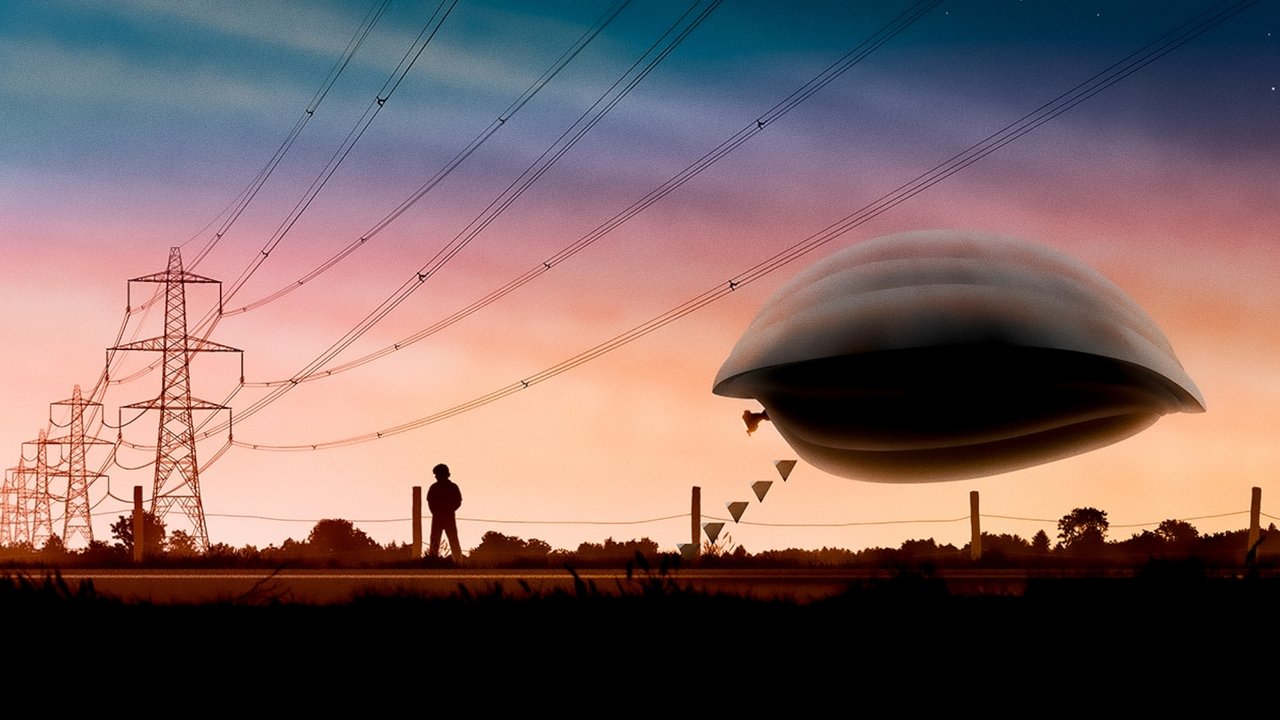
If you grew up in the late 80s or early 90s, the box art for this film was a permanent fixture of the video store landscape. It was usually tucked between The Last Starfighter and SpaceCamp, its silver-foiled cover catching the fluorescent lights of the rental aisle. It was the ultimate "consensus" rental—the movie that the teenagers, the kids, and the parents could all agree on without a fight.
Looking back, the film’s "NASA as the antagonist" subplot feels very of its era. There’s a scene where a young Sarah Jessica Parker, playing a pink-haired intern named Carolyn, helps David escape the research facility by hiding him in a meal-delivery robot. It’s absurd, yet it highlights the film’s core theme: the adult world is a place of cold observation and bureaucracy, while childhood is a place of movement and exploration.
The movie doesn’t overstay its welcome, clocking in at a tight 90 minutes. It understands that once you’ve seen the "Navigator" take his ship from Florida to Tokyo in the blink of an eye, the only thing left to do is stick the landing. It’s a low-key nightmare scenario masquerading as a Saturday matinee, and that friction is exactly why it has outlasted so many of its more expensive contemporaries.
Flight of the Navigator manages to capture the specific, lonely ache of being a kid who doesn't fit into his own timeline. It’s a film that respects its audience enough to let them feel the tragedy of the Freeman family’s lost eight years before giving them the "Compliance!" catchphrases they crave. Whether you’re here for the groundbreaking early CGI or the nostalgia of seeing a young SJP in a NASA jumpsuit, it remains a top-tier example of the 1980s sci-fi boom. It’s a trip worth taking, even if you’re a few years late for dinner.
Keep Exploring...
-
Time Bandits
1981
-
E.T. the Extra-Terrestrial
1982
-

Honey, I Shrunk the Kids
1989
-

The Dark Crystal
1982
-

The Secret of NIMH
1982
-
Star Trek III: The Search for Spock
1984
-

Return to Oz
1985
-

The Black Cauldron
1985
-

An American Tail
1986
-

Short Circuit
1986
-
The Great Mouse Detective
1986
-
Teenage Mutant Ninja Turtles II: The Secret of the Ooze
1991
-

The Rocketeer
1991
-

Bedknobs and Broomsticks
1971
-

Flash Gordon
1980
-
20,000 Leagues Under the Sea
1954
-

Beneath the Planet of the Apes
1970
-

The Many Adventures of Winnie the Pooh
1977
-

The Blue Lagoon
1980
-

The Fox and the Hound
1981