Heartbreak Ridge
"Old scars, new wars, and one hell of a rasp."
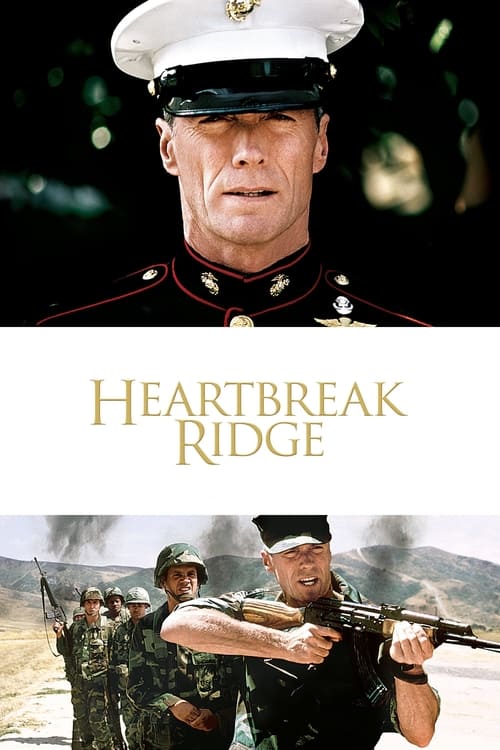
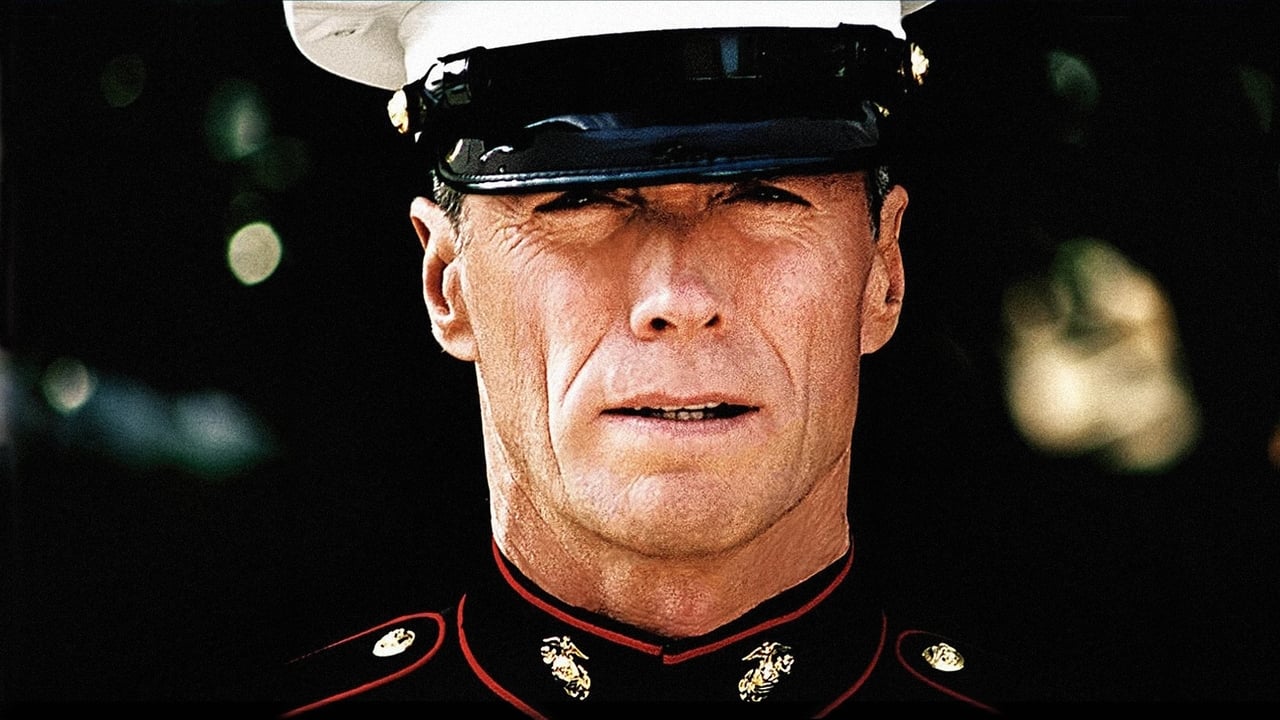
The first time I heard Clint Eastwood growl as Gunnery Sergeant Tom Highway, I’m pretty sure my own vocal cords tightened in sympathy. It’s a voice that sounds like it was seasoned in a cement mixer filled with bourbon and gravel. By 1986, Clint was already a titan, but Heartbreak Ridge caught him at a fascinating crossroads. He was transitioning from the lean, silent enigmas of his Westerns into the "grumpy but capable mentor" phase that would eventually lead him to Gran Torino.

I actually revisited this one on a rainy Tuesday while nursing a lukewarm cup of instant coffee that tasted remarkably like what I imagine a Marine mess hall serves at 0400. It turns out, that’s exactly the right headspace for this movie. It’s a film that smells of starch, gun oil, and the lingering anxiety of a Cold War that was starting to feel a bit stale.
The Relic in the Reagan Era
At its heart, Heartbreak Ridge is a "man out of time" drama disguised as a recruiting poster. Highway is a Congressional Medal of Honor recipient who has survived Korea and Vietnam, but he can’t seem to survive a peace-time military that wants him to file reports and stop punching superior officers. He’s assigned to a "spoiled" recon platoon—a group of guys who look more like they’re headed to a Van Halen concert than a firefight.
The conflict isn't just with the enemy; it’s with the bureaucracy. Everett McGill (the wonderfully intense Big Ed from Twin Peaks) plays Major Powers, a man who views war as an exercise in logistics and has never seen a day of actual combat. The tension between them is where the film finds its teeth. Clint Eastwood plays Highway not as a hero, but as a dinosaur watching the meteor hit the Earth in slow motion. He’s trying to teach these kids how to stay alive, while Everett McGill is more worried about the shine on their boots. It’s a classic trope, but Clint’s weary, cynical delivery makes it feel lived-in.
Rock and Roll Marines
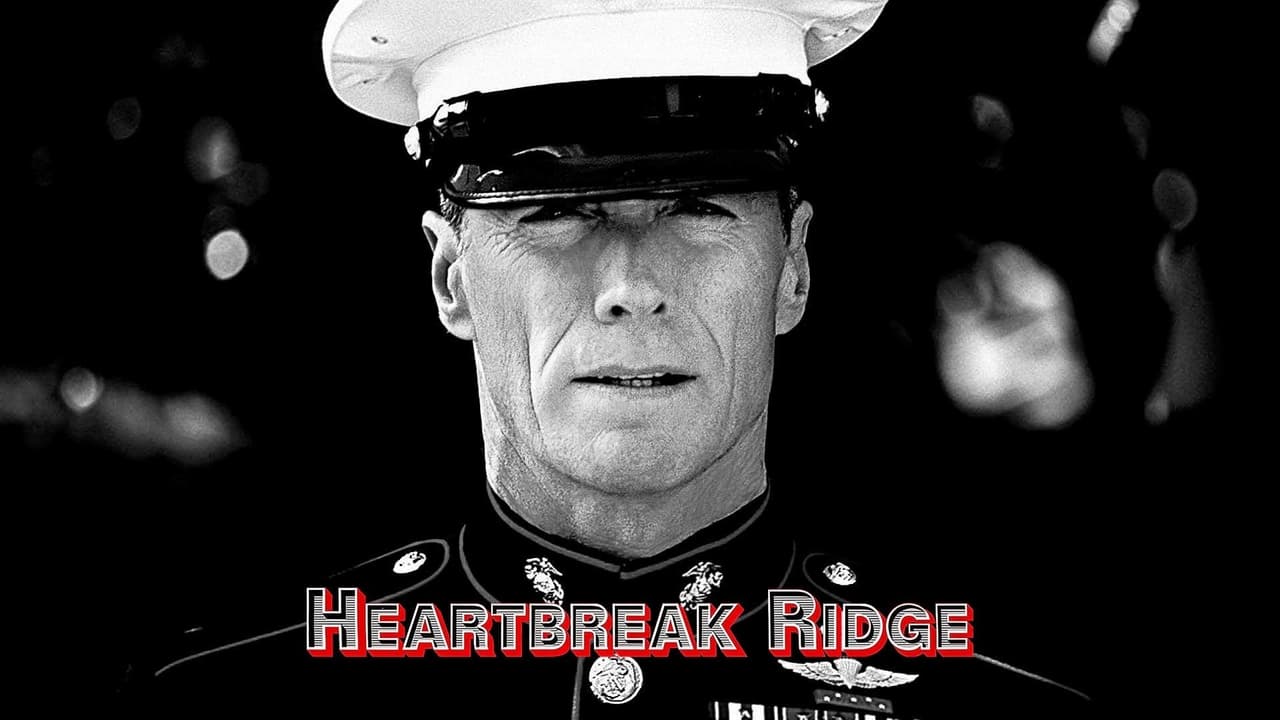
The movie shifts gears when we meet the "swish-blade" recon platoon. Leading the pack is Mario Van Peebles as Corporal 'Stitch' Jones, the self-proclaimed "Ayatollah of Rock 'n' Rolla." Watching a young Mario Van Peebles (who would later show real directorial grit in New Jack City) try to out-swagger Clint is the comedic engine of the film.
In the 1980s, these scenes were the bread and butter of VHS rentals. I remember the local shop's copy had a box art that looked like a pure action flick, but the middle hour is almost entirely a character-driven comedy about a drill instructor breaking his students. On a CRT television, the grain of the 35mm film stock made the North Carolina training grounds look rugged and tactile. The way the mud sticks to their fatigues during the "improvised" training exercises feels more real than any CGI-enhanced jungle we see today. You can almost feel the humidity through the screen.
While the "training the misfits" arc is predictable, the film earns its dramatic stripes through Highway’s relationship with his ex-wife, Aggie, played by Marsha Mason. Marsha Mason brings a grounded, exhausted grace to the role. She’s not just "the girl"—she’s the woman who knows exactly how many demons Highway is carrying. There’s a genuinely touching, if slightly absurd, subplot where Highway reads women’s magazines like Cosmopolitan just to figure out how to talk to her. It’s a rare moment of vulnerability for a 1980s action icon, and Clint plays it with a straight face that makes it work.
The Grenada Pivot
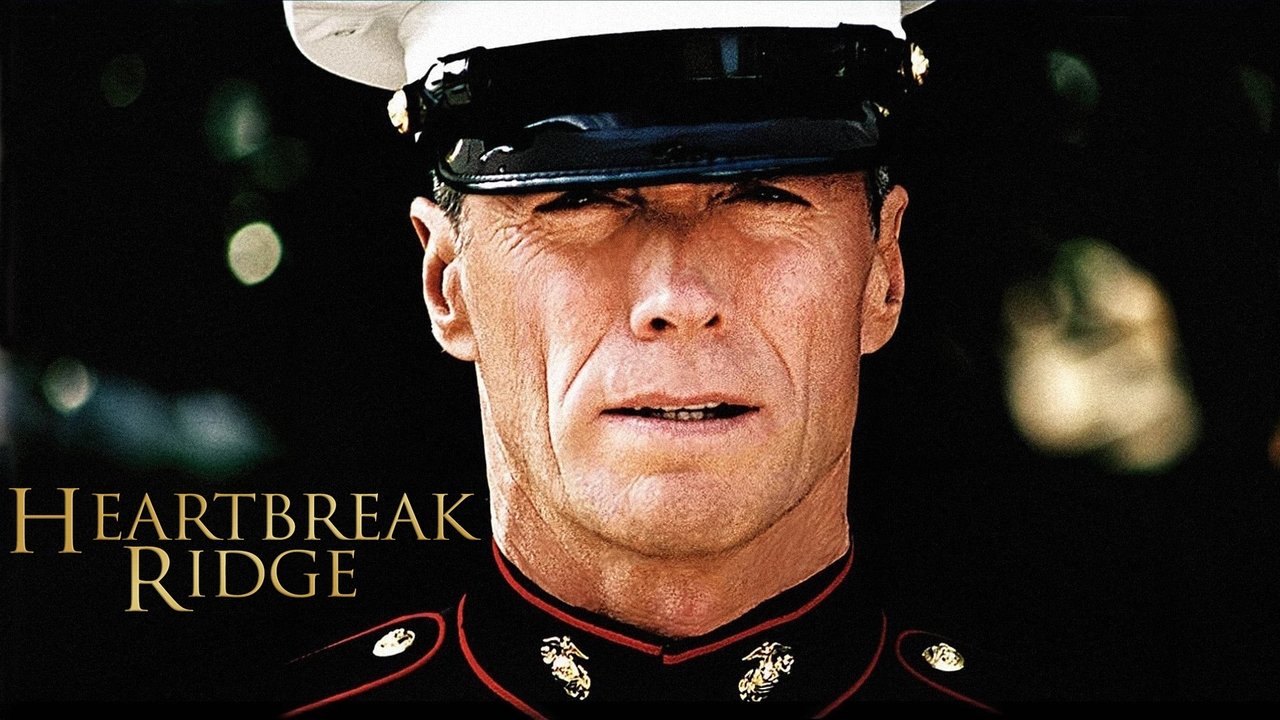
Then, the movie makes a hard left turn into the 1983 invasion of Grenada. This is where the film gets controversial, both then and now. The U.S. Army actually refused to support the film because Highway was too "undisciplined," so Clint took the script to the Marines. Even then, the Department of Defense wasn't thrilled.
The combat sequences are a fascinating snapshot of mid-80s practical filmmaking. There are no digital explosions here—just real pyrotechnics, real helicopters, and a lot of dirt. The Grenada invasion sequence feels like a high-budget episode of The A-Team, but with more swearing and actual stakes. It’s oddly small-scale compared to modern war epics, which actually helps the drama. You care about whether Stitch Jones makes it off that hill because you’ve spent ninety minutes watching him fail to do a single pull-up.
Director of Photography Jack N. Green, a long-time Clint collaborator who also worked on Unforgiven, captures the tropical heat with a golden, sweaty hue that contrasts sharply with the cold, blue-grey tones of the military brig scenes. It’s a visual representation of Highway’s two worlds: the warmth of a life he can't quite grasp and the cold reality of the life he can't leave.
Heartbreak Ridge is a comfort-food movie for anyone who grew up in the shadow of the Reagan era. It doesn't have the hallucinogenic horror of Apocalypse Now or the searing cynicism of Full Metal Jacket, but it doesn't want to. It’s a character study of a man who only knows how to be one thing in a world that’s asking him to be something else. It’s funny, it’s occasionally foul-mouthed, and it features Clint at his most "Get Off My Lawn" before that was even a meme. It’s a solid piece of craftsmanship from an era where a movie could just be about a guy trying to do his job before the world passed him by.
Keep Exploring...
-
Pale Rider
1985
-
High Plains Drifter
1973
-
Sudden Impact
1983
-
Escape to Victory
1981
-
Sophie's Choice
1982
-
Red Dawn
1984
-
Casualties of War
1989
-
Glory
1989
-
The Outlaw Josey Wales
1976
-

Cry Macho
2021
-
Flags of Our Fathers
2006
-
The Longest Day
1962
-
Patton
1970
-
A Bridge Too Far
1977
-
Absolute Power
1997
-
M*A*S*H
1970
-

Platoon
1986
-
Empire of the Sun
1987
-
Good Morning, Vietnam
1987
-
Born on the Fourth of July
1989