Labyrinth
"Don’t let the glitter fool you—this maze bites."
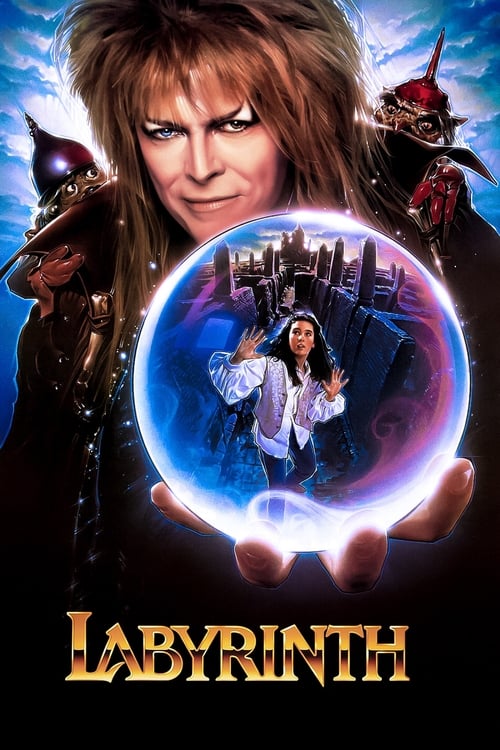
In the summer of 1986, if you had told a moviegoer that the creator of the Muppets and the man who fell to Earth were teaming up for a dark fantasy musical, they probably would have expected a license to print money. Instead, Jim Henson’s Labyrinth crawled into theaters and collapsed, earning barely half its $25 million budget. Critics were baffled, audiences stayed away, and the failure reportedly broke Henson’s heart. But the thing about labyrinths is that they are designed to keep you inside for a long time, and nearly four decades later, this film has become a permanent resident of the cultural psyche.
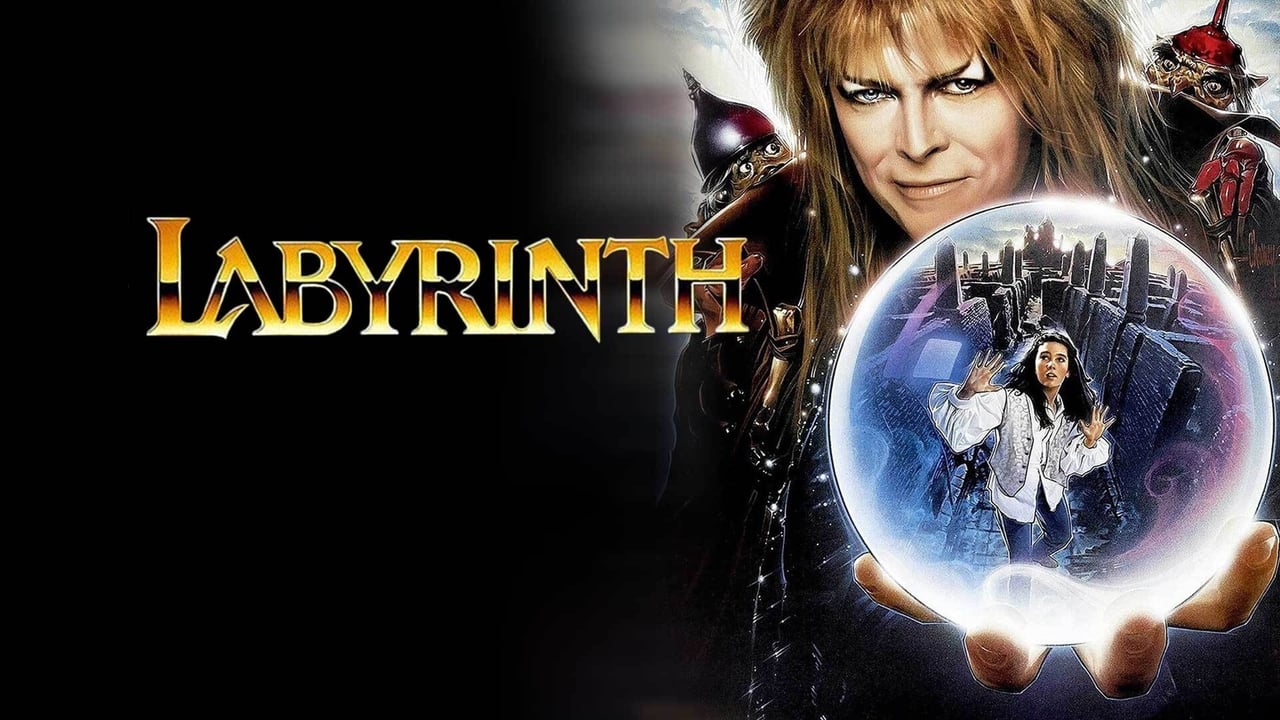
A Goblin King in Spandex
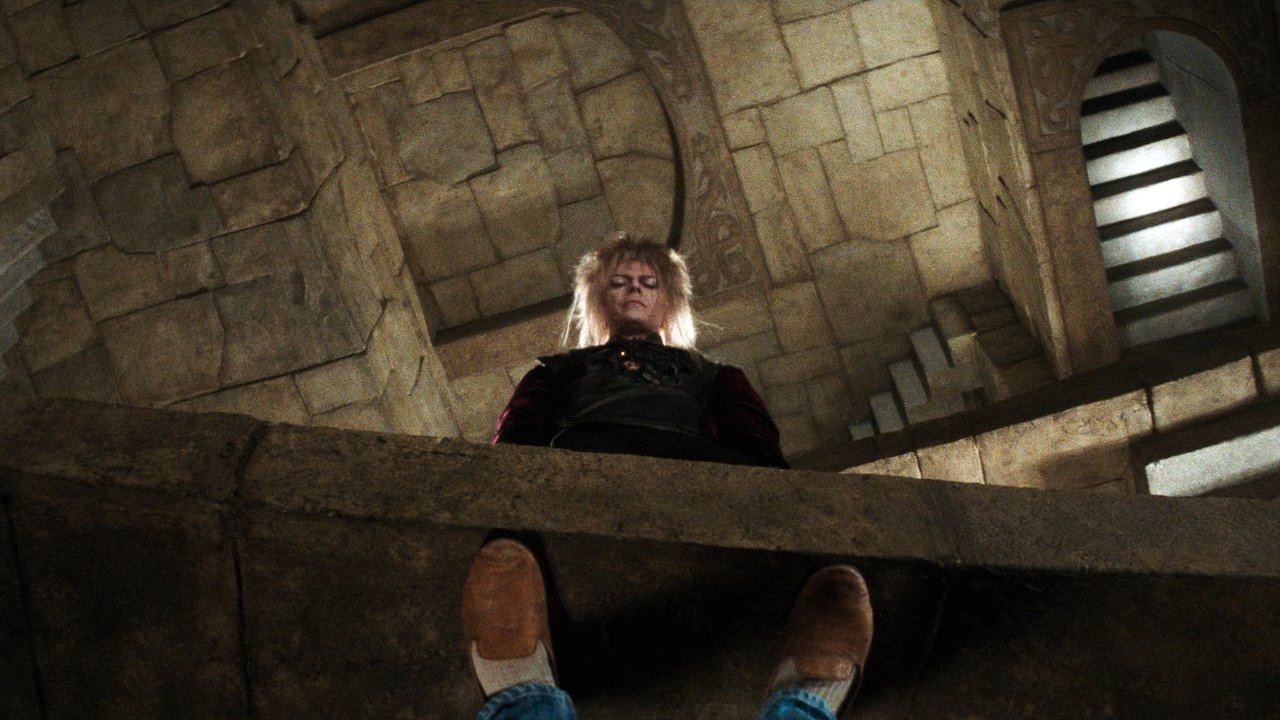
At its core, Labyrinth is a "be careful what you wish for" cautionary tale, but one dressed in the most exquisite 80s glam-rock finery. Jennifer Connelly, only 14 at the time, plays Sarah, a teenager clinging to the remnants of her childhood while resenting the responsibilities of her impending adulthood. When she petulantly asks the Goblin King to whisk away her crying baby brother, Toby Froud (playing himself, essentially), the wish is granted by a puff of glitter and a high-collared cape.
Enter David Bowie. His Jareth is less of a traditional villain and more of a predatory rock star, luring Sarah into his domain with crystal balls and synth-pop. I watched this while eating a bowl of cereal that had definitely gone soggy because I got distracted trying to see if I could spot the hidden Bowie faces camouflaged in the scenery. Jareth’s trousers were the real villain of the piece, sporting a level of tightness that felt like a bold, if slightly alarming, creative choice for a "family" film. Bowie’s charisma is the glue here; he’s essentially playing a version of his stage persona, and it works because he treats the material with absolute sincerity, even when he’s singing to a room full of puppets.
Practical Magic in the Pre-CGI Twilight
The true stars, however, are the creatures. This was the peak of the Henson Creature Shop’s practical era. Characters like Hoggle (voiced and performed by Brian Henson) and Ludo are marvels of animatronic engineering. Hoggle, in particular, was a technological nightmare; he required one performer inside the suit and four people operating remote-control facial expressions simultaneously. It’s that tactile quality—the way the fur moves, the weight of the puppets—that gives the film a soul that modern CGI often lacks.
There is a gritty, lived-in texture to this world. The Bog of Eternal Stench actually looks like it smells, and the "Helping Hands" sequence remains one of the most unsettlingly creative pieces of practical filmmaking I’ve ever seen. Over 100 latex hands were used to form the walls of the pit Sarah falls into, with real hands poking through to grab and speak to her. It’s grotesque, funny, and deeply imaginative. Interestingly, the screenplay was written by Terry Jones of Monty Python fame, which explains the surreal, often circular logic of the Labyrinth’s inhabitants. The Fireys, those weird orange creatures who can detach their limbs, were actually operated against a black velvet background to hide the puppeteers—a classic "black light" theater trick that still feels wonderfully eerie.
The VHS Resurrection
So, how did a box-office bomb become a foundational text for an entire generation? The answer lies in the local video store. Labyrinth was tailor-made for the VHS era. The original tape box, with its lush, busy artwork, was a staple of the "Fantasy" section, often sitting right next to The Dark Crystal or The NeverEnding Story. Because it was a "flop," it was perpetually available for rental, and it became a default choice for parents who needed 101 minutes of peace.
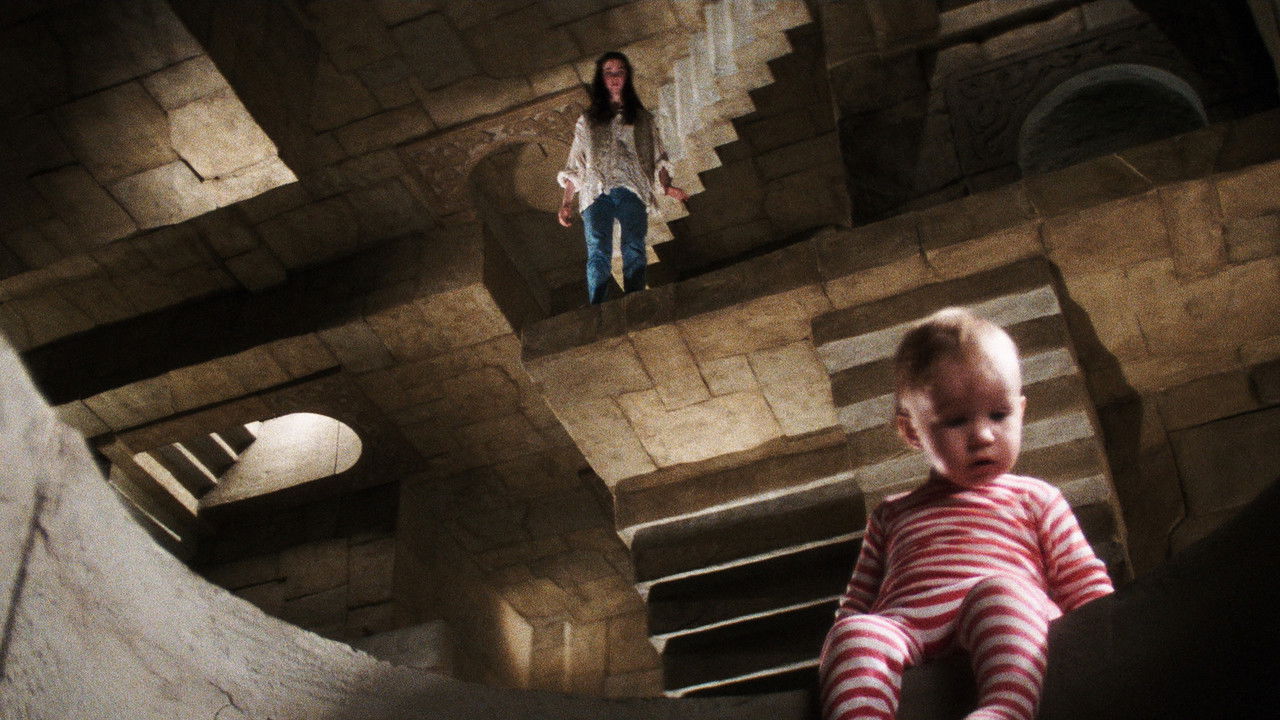
But more than that, it was a film that rewarded the "pause" and "rewind" buttons. We didn't just watch it; we studied it. We looked for the secrets of the Escher-inspired "M.C. Escher" staircase room (which was a real, physical set built by the production). We practiced the "contact juggling" that Jareth does with his crystal balls, only to find out years later that those weren't Bowie’s hands. They actually belonged to world-class juggler Michael Moschen, who was literally crouching behind Bowie, blind to what he was doing, reaching up to manipulate the spheres.
Labyrinth succeeds because it respects the darker, messier corners of adolescence. It isn’t just an adventure; it’s a psychosexual fever dream about growing up and realizing that the world isn’t fair, but you can navigate it anyway. Whether it’s the earworm soundtrack or the sheer audacity of the production design, the film remains a testament to what happens when you let a visionary artist like Jim Henson loose with a big budget and a bizarre idea. It’s a messy, beautiful, glitter-dusted journey that proves some failures are just masterpieces waiting for the rest of us to catch up.


Keep Exploring...
-
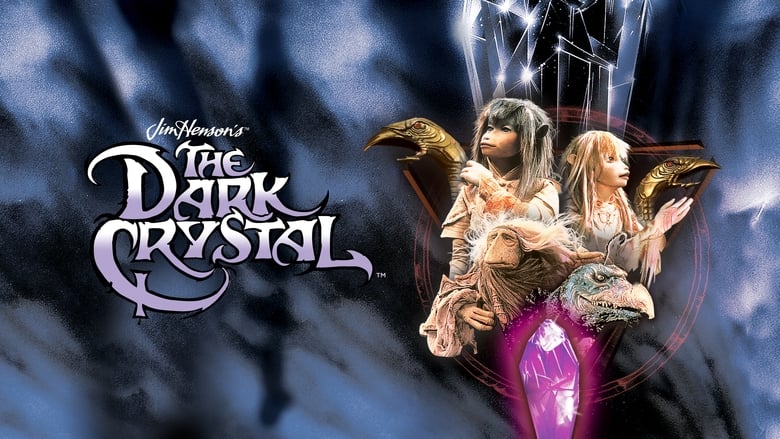
The Dark Crystal
1982
-
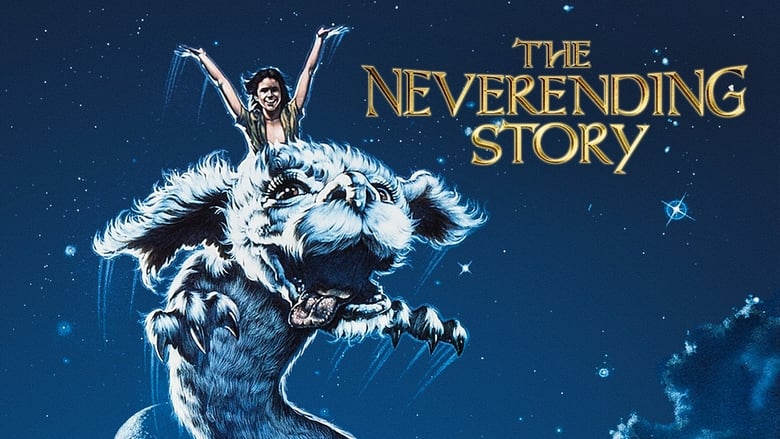
The NeverEnding Story
1984
-
The Princess Bride
1987
-

Return to Oz
1985
-
Time Bandits
1981
-
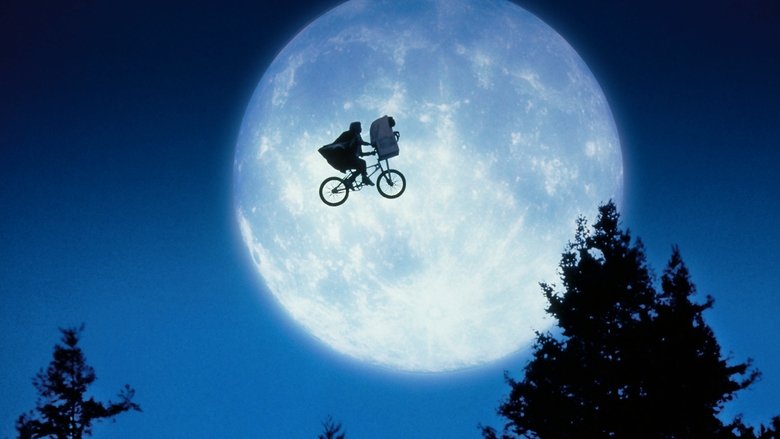
E.T. the Extra-Terrestrial
1982
-
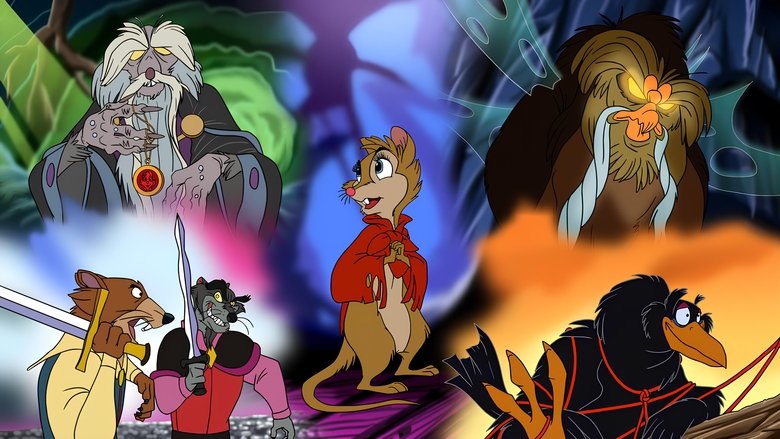
The Secret of NIMH
1982
-

Castle in the Sky
1986
-
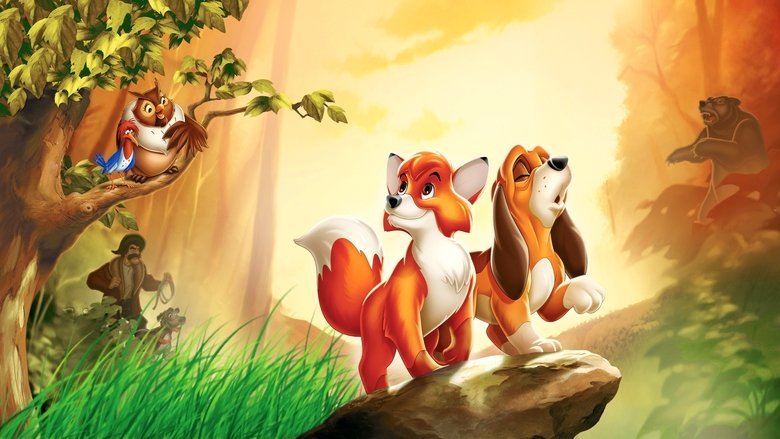
The Fox and the Hound
1981
-
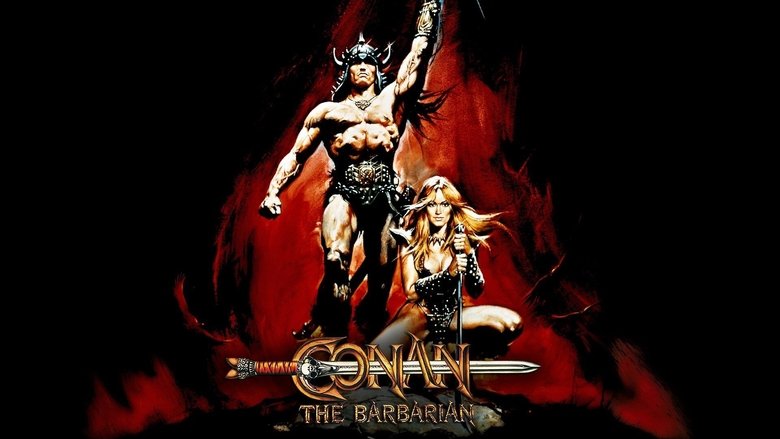
Conan the Barbarian
1982
-
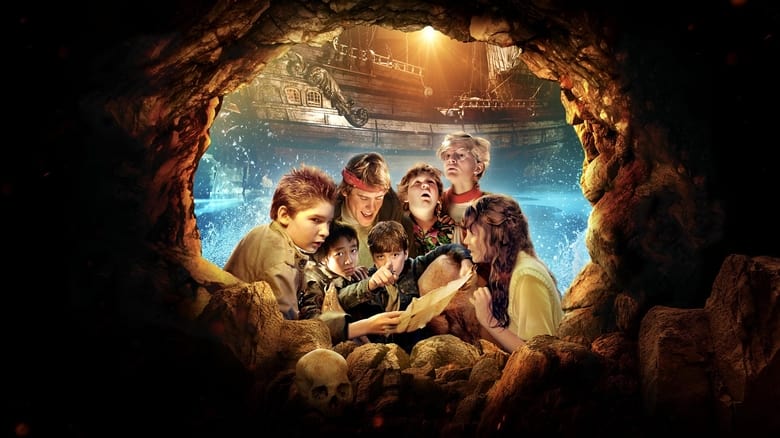
The Goonies
1985
-
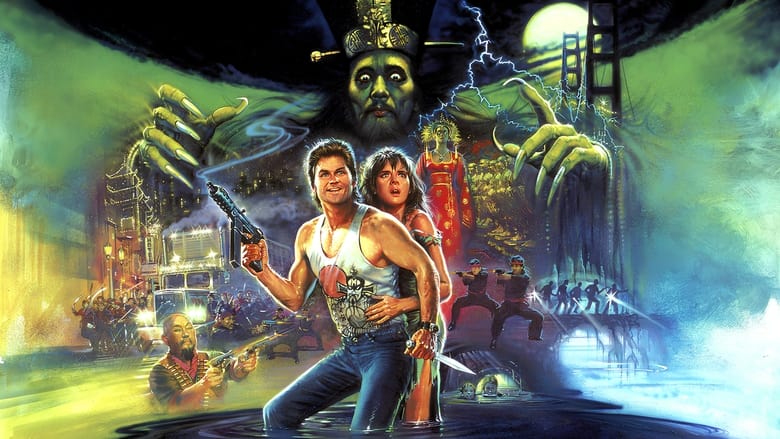
Big Trouble in Little China
1986
-

Highlander
1986
-
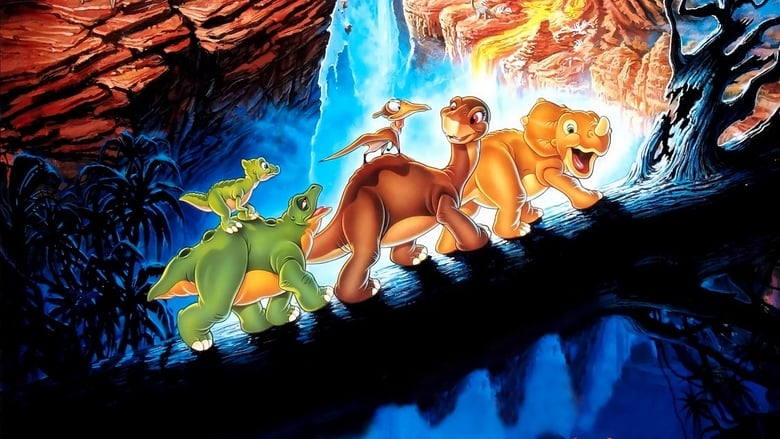
The Land Before Time
1988
-
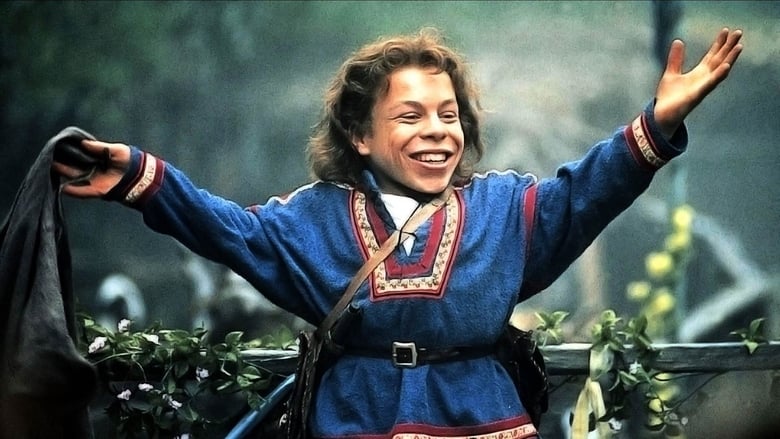
Willow
1988
-

Bedknobs and Broomsticks
1971
-
The Rescuers
1977
-
The Black Cauldron
1985
-
Robin Hood
1973
-
Monty Python and the Holy Grail
1975