Manhunter
"Before the silence, there was the blue-hued scream."
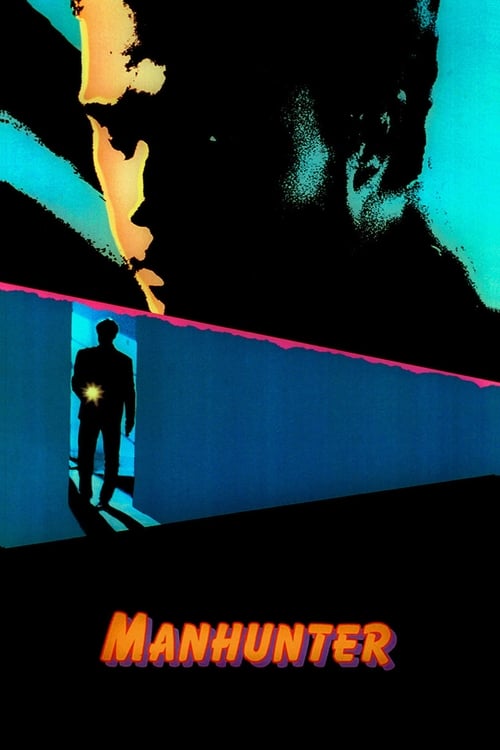
I watched this latest re-spin of Manhunter while my apartment radiator was doing this rhythmic thump-hiss-thump thing—a sort of industrial, dying heartbeat that felt like it was being piped directly out of Michel Rubini’s synthesizer score. It was annoying, sure, but it was also the most appropriate way to experience Michael Mann’s 1986 neon-drenched nightmare. You don’t just watch this movie; you inhabit its clinical, refrigerated atmosphere until your own blood feels a few degrees colder.
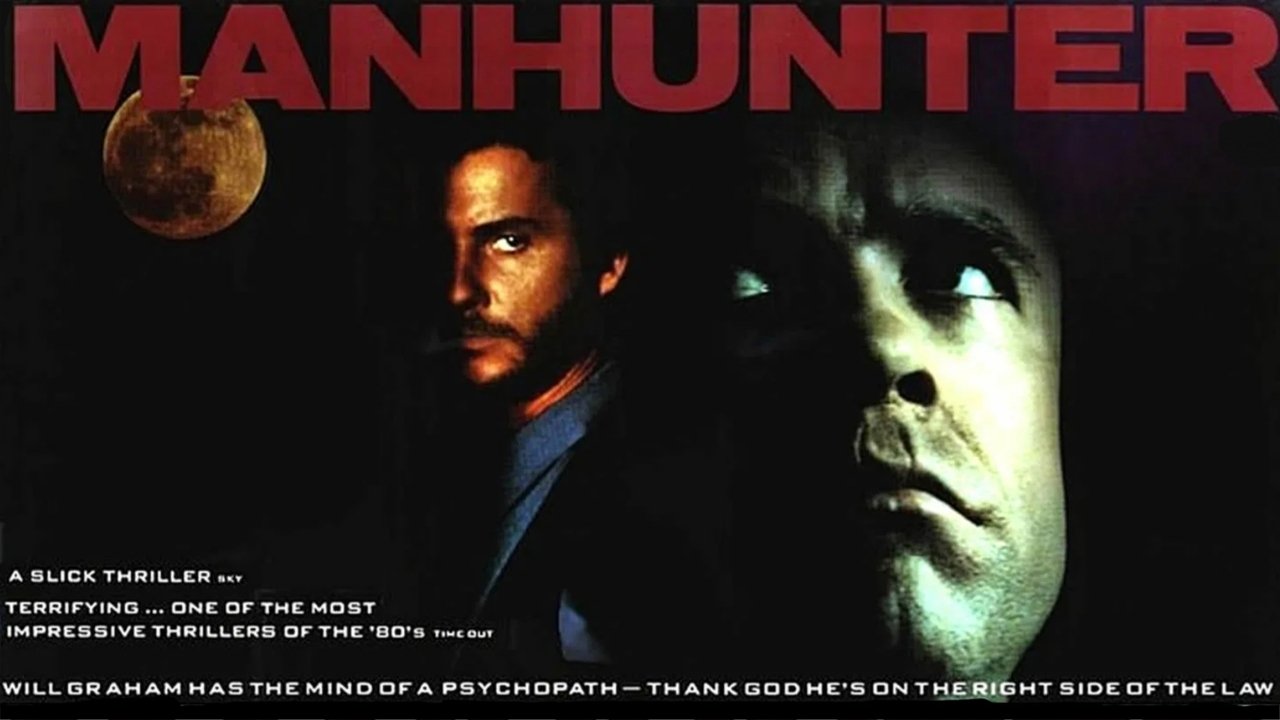
Long before the world associated the name "Hannibal" with fava beans and Chianti, there was this lean, mean, and strangely beautiful adaptation of Thomas Harris’s Red Dragon. It arrived in theaters with a massive $150,000,000 price tag (a figure so astronomical for 1986 that it feels like a typo in DEG’s accounting books) and promptly vanished, grossing less than ten million. It was a spectacular financial disaster that only found its soul on the shelves of suburban video stores, where the high-contrast cover art promised a slasher and instead delivered a haunting piece of high-art procedural horror.
The Synthetic Nightmare
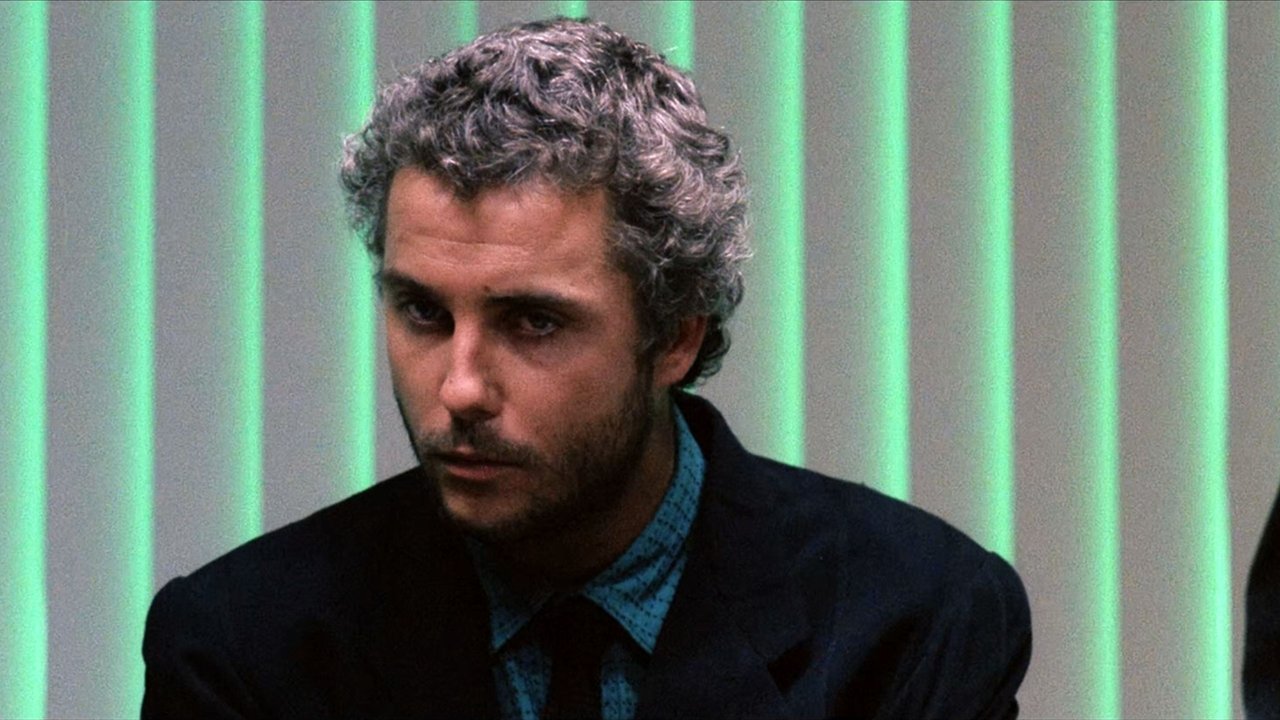
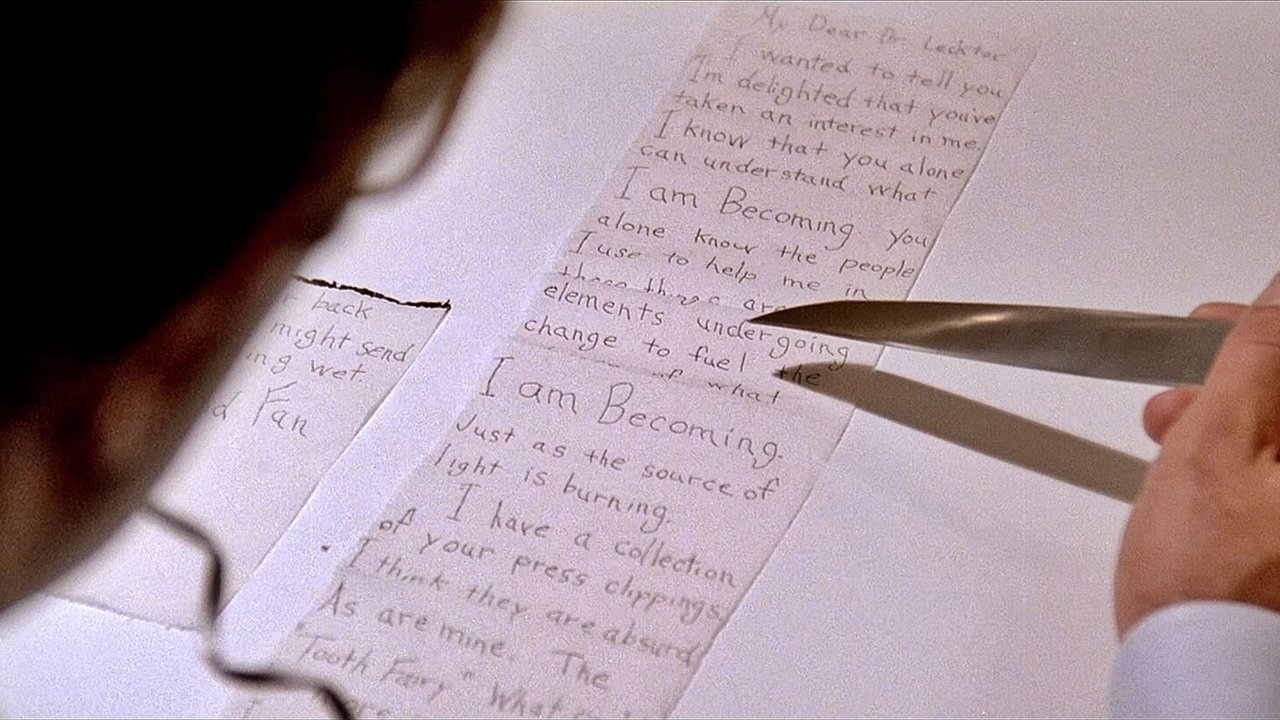
William Petersen plays Will Graham, an FBI profiler who doesn't just "investigate" killers—he invades them. He’s retired and living on a beach in Florida, but the "Tooth Fairy" is out there, slaughtering families according to the lunar cycle, and Dennis Farina’s Jack Crawford needs Graham’s specific, psychic damage to stop him. Petersen is incredible here; he looks like a man who is constantly trying to wash something off his skin that won’t come clean.
The film's look, courtesy of the legendary Dante Spinotti, is pure 80s Reagan-era anxiety. Everything is glass, steel, and fluorescent lighting. While other horror movies of the era were messy and wet, Manhunter is dry and sterile. It treats crime scenes like art galleries and psychiatric hospitals like futuristic prisons. The colors are intentional—cold blues for the present, searing magentas for the intrusive thoughts. It’s a film that understands that true horror isn't found in a dark basement, but in a perfectly lit, white-tiled room where you’re alone with a monster.
A Different Kind of Doctor
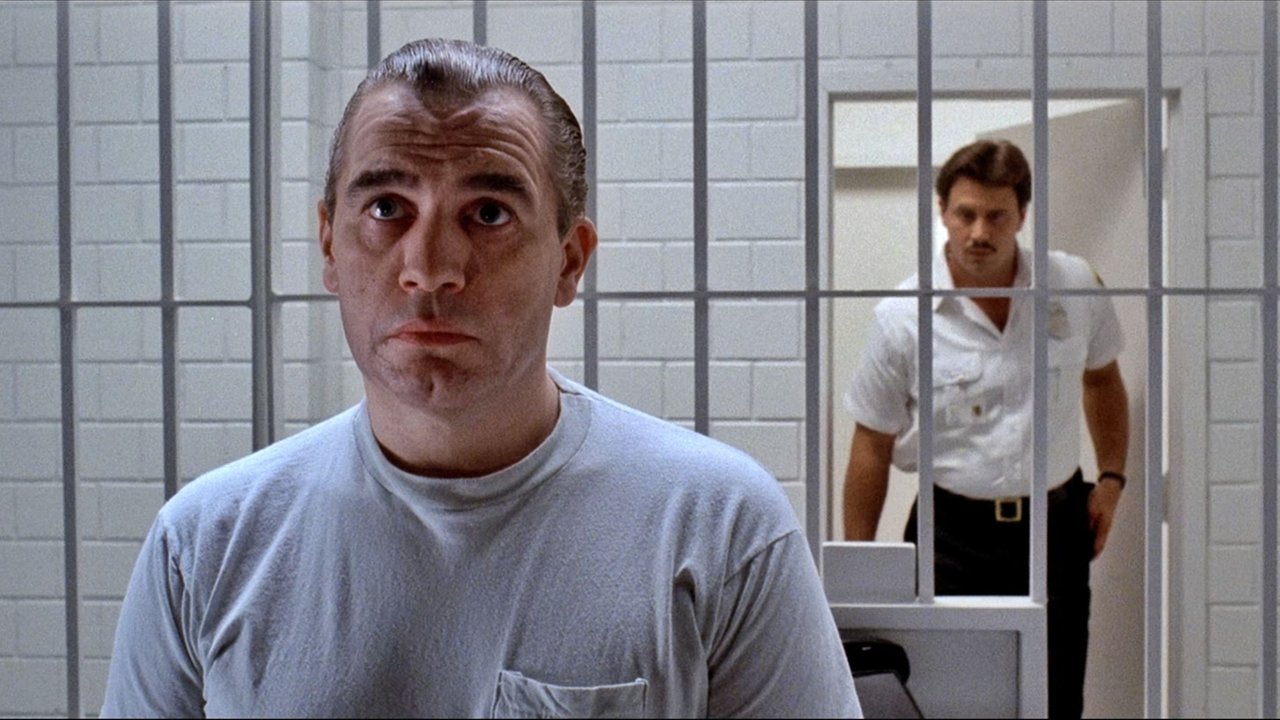
Then we have the primary attraction for modern audiences: Dr. Hannibal Lecktor (spelled with a 'k' here). If you’re coming into this expecting the flamboyant, operatic villainy of the 90s, Brian Cox will shock you. His Hannibal is a middle-manager of murder. He’s fit, he’s wearing a plain white tracksuit, and he talks with the breezy, terrifying confidence of a man who knows exactly how much you weigh just by looking at your shadow.
Brian Cox’s Hannibal makes Anthony Hopkins look like a pantomime dame. There is no scenery-chewing here. When he tells Graham, "It's just you and me now, sport," it doesn't feel like a movie line; it feels like a threat whispered in a grocery store aisle. The scene where they speak through the bars of a stark, white cell is a masterclass in tension, filmed with a flat, documentarian perspective that makes the dialogue feel dangerously real.
The Giant in the Mirror
The second half of the film shifts its focus to the killer himself, Francis Dollarhyde, played by a towering, terrifyingly sensitive Tom Noonan. To prepare for the role, Noonan famously stayed away from the rest of the cast, and when he finally appears, he feels like a different species. He’s a giant with a cleft palate who just wants to be "changed" by the Great Red Dragon.
The relationship between Dollarhyde and the blind Reba, played with heartbreaking vulnerability by Joan Allen, is the soul of the movie. There’s a scene involving a drugged tiger that is one of the most tactile, strange, and beautiful things Michael Mann has ever shot. It humanizes the monster without ever excusing the horror he inflicts. By the time we reach the climax—set to the pounding, incongruous beat of "In-A-Gadda-Da-Vida"—the film has transitioned from a detective story into a full-blown Wagnerian tragedy.
It’s worth noting that the practical effects here are subtle but gruesome. The crime scene photos Graham studies were created using actual forensic techniques of the time, and the "moonlight" effect used in the finale was achieved by using massive arrays of blue-filtered lights that made the set feel like an alien planet. It’s this dedication to the "feel" of the world that made Manhunter a staple of the VHS era; it was the kind of tape you’d rent because the box looked cool, and then you’d spend the next week staring at your own reflection in the TV screen, wondering what you were becoming.
Manhunter is the thinking person’s slasher. It’s a film that captures the exact moment when the grit of 70s New Hollywood met the slick, synthesized pulse of the 80s. It’s cold, it’s arrogant, and it’s absolutely essential viewing for anyone who thinks they know who Hannibal Lecter is. Grab a cold drink, turn the lights off, and let the blue hues wash over you—just don't be surprised if you start checking the locks on your doors before the credits roll.
Keep Exploring...
-

Frenzy
1972
-
Blow Out
1981
-
The Dead Zone
1983
-
Blood Simple
1985
-
Clue
1985
-
Mississippi Burning
1988
-
The Insider
1999
-
Dead Ringers
1988
-
The Killer
1989
-
Bullitt
1968
-
Marathon Man
1976
-

Murder by Death
1976
-
Collateral
2004
-

Midnight Run
1988
-
Le Samouraï
1967
-
Deep Red
1975
-
Witness
1985
-
Blue Velvet
1986
-
The Untouchables
1987
-
Heat
1995