Pretty in Pink
"High school is a battlefield, and pink is the camouflage."
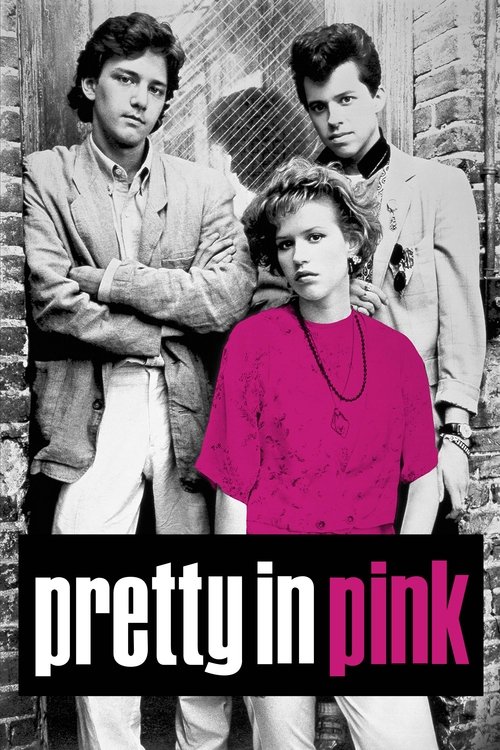
There is a specific, tactile thrill in the opening frames of Pretty in Pink that feels like a transmission from a lost civilization of thrift stores and teenage angst. As the camera glides through the "wrong side of the tracks" to the synthesized pulse of The Psychedelic Furs, you aren't just watching a movie; you’re being invited into John Hughes’ highly stylized, hyper-emotional vision of 1986. I watched my latest screening of this on a flickering screen while nursing a lukewarm Diet Pepsi and a half-eaten bag of stale pretzels, and honestly, the slight crunch of the pretzels matched the grit of the film’s social divide perfectly.
The Richie vs. The Outcast
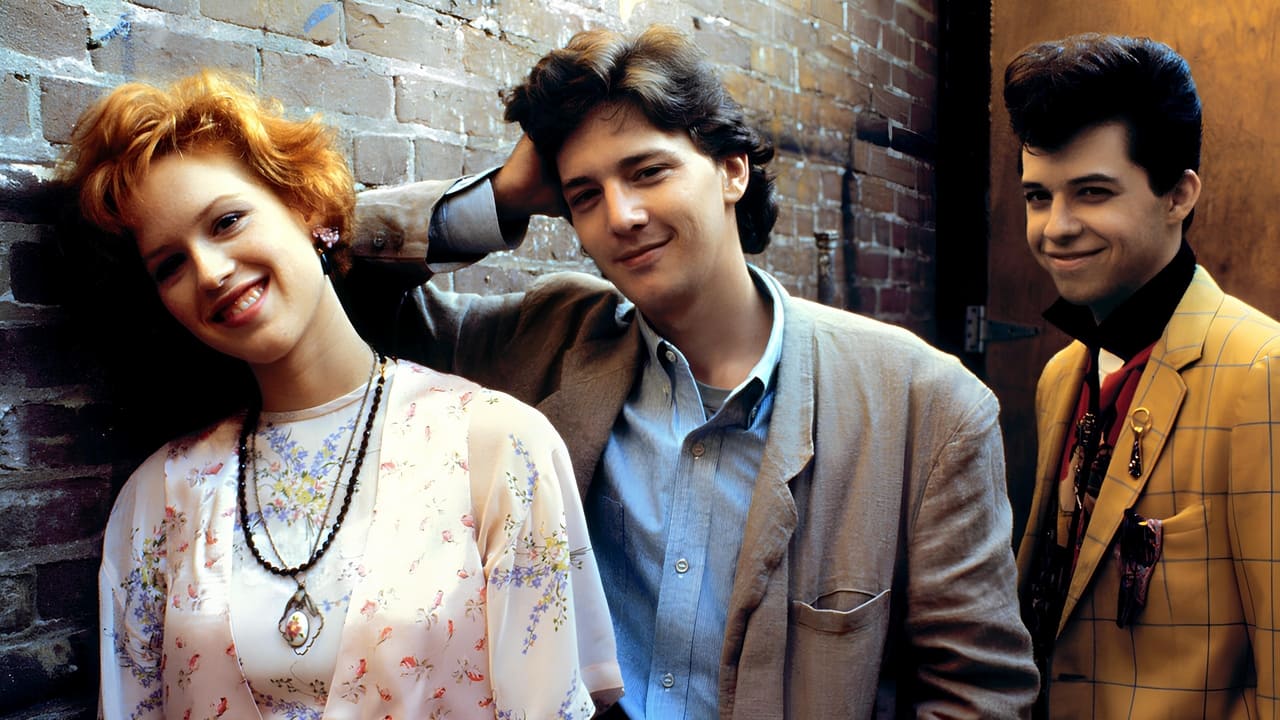
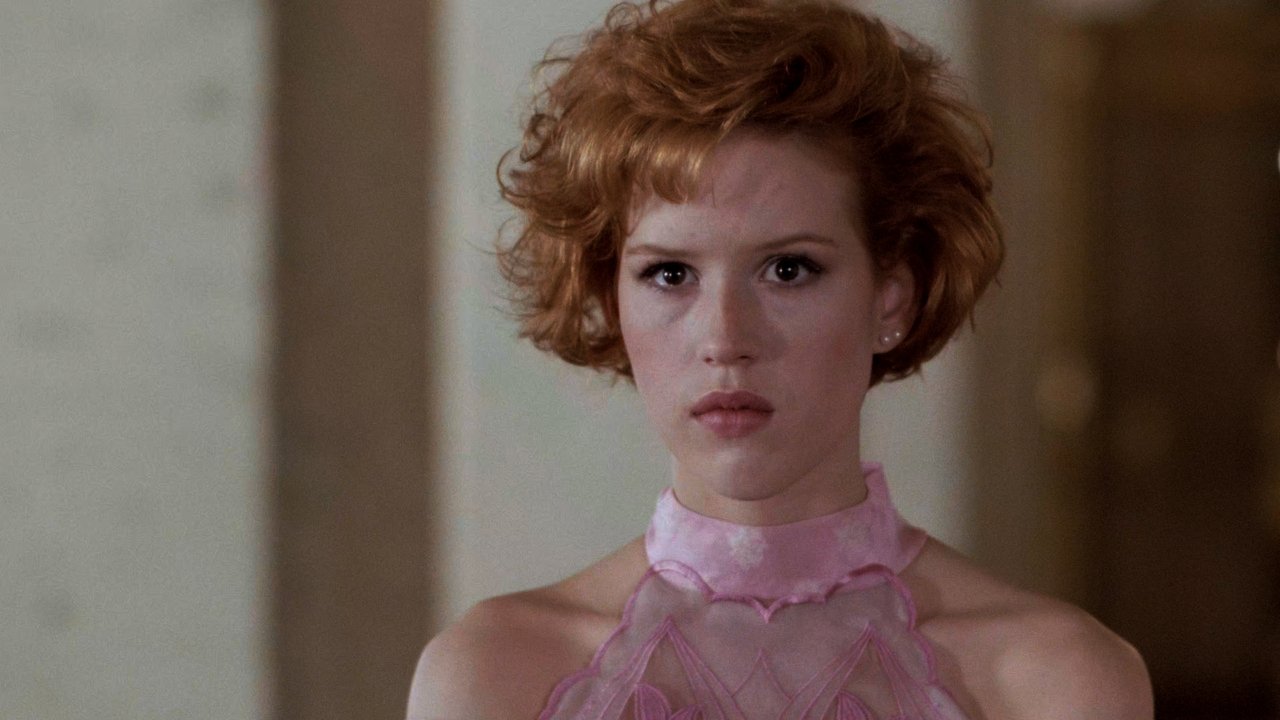
At its heart, the film is a classic class-warfare drama masquerading as a prom-night romance. Molly Ringwald plays Andie Walsh with a weary, soulful dignity that feels years beyond her age. She’s the girl who makes her own clothes, works at a record store called Trax (the ultimate 80s dream job), and cares for her depressed, unemployed father, played with heartbreaking vulnerability by Harry Dean Stanton (of Paris, Texas fame).
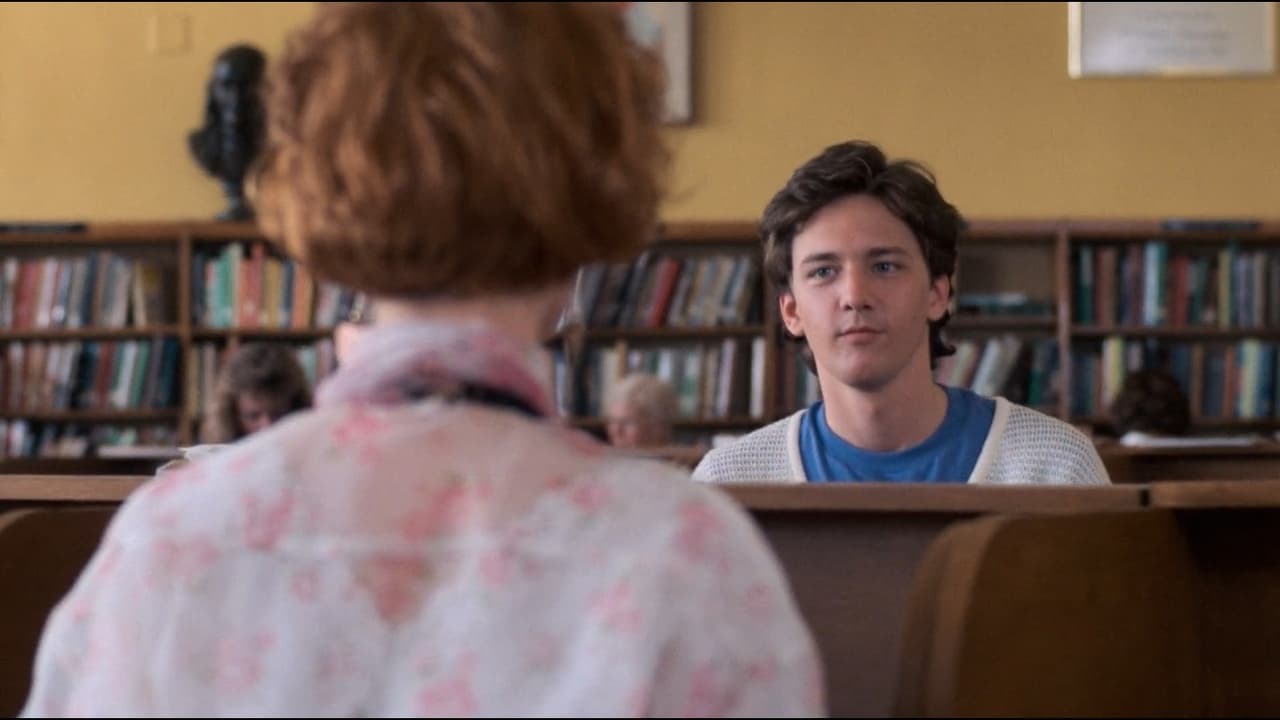
When the wealthy, "Richie" Blane McDonough—played by a soft-featured Andrew McCarthy—actually notices her, the friction begins. The conflict isn't just about whether the boy will get the girl; it’s about whether the boy has the spine to stand up to his toxic, linen-suit-wearing social circle. Enter James Spader as Steff. If there were an Olympic gold medal for "Looking Like You Just Smelled Something Rotting While Wearing a Rolex," James Spader would own it. He is spectacularly oily here, delivering lines with a detached cruelty that makes him the ultimate 80s antagonist. Spader is so effective you kind of want to throw a brick at your screen every time he smirk-whispers.
The Duckie Dilemma and the Great Reshoot
Then, of course, there is Jon Cryer as Duckie. Watching this through a modern lens, Duckie is a fascinating, chaotic explosion of "nice guy" energy and genuine devotion. His lip-sync performance of Otis Redding’s "Try a Little Tenderness" is the film's undisputed high point—a piece of improvised magic where Cryer essentially wrestled the movie away from the romantic leads.
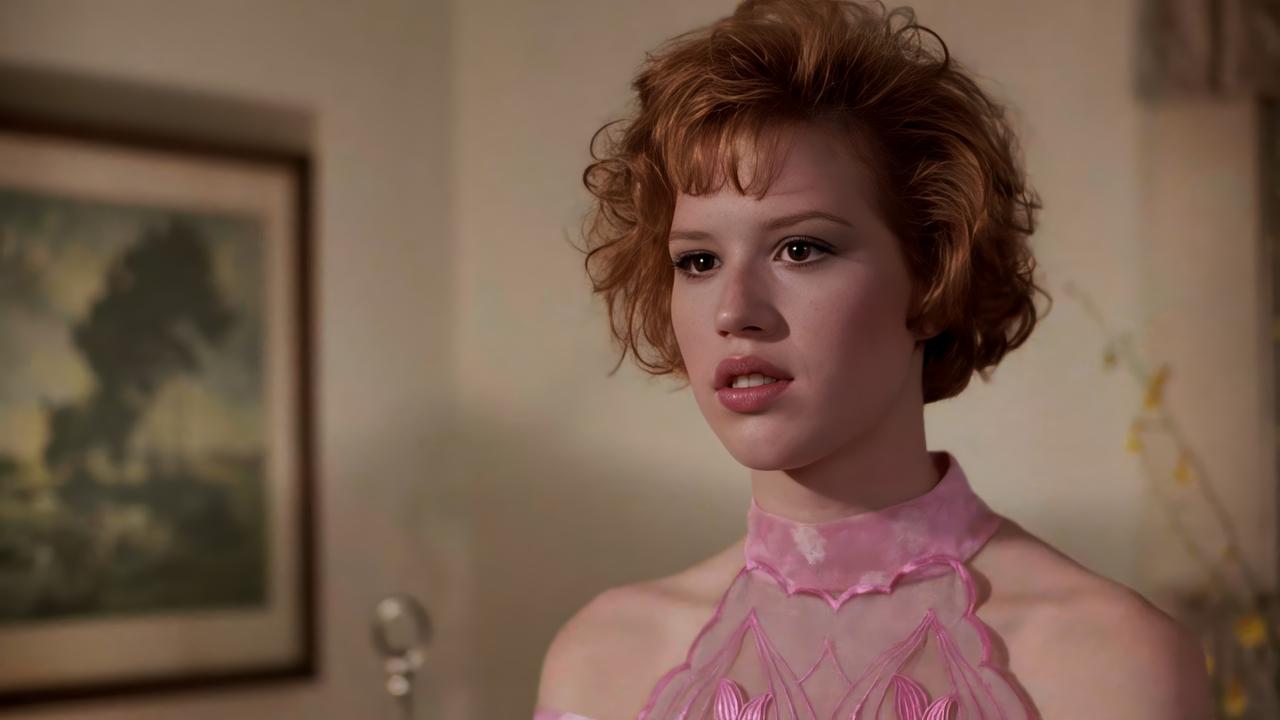
The history of this film is famously written in its ending. Originally, John Hughes and director Howard Deutch (who later directed Some Kind of Wonderful) had Andie end up with Duckie. But when they tested it for audiences, the reaction was a disaster. The kids in the suburbs didn't want the outsider to win; they wanted the fairy tale. They booed. So, the crew was called back for a reshoot. If you look closely at the prom scene, you’ll notice Andrew McCarthy is wearing a terrible wig because he had already shaved his head for a play called The Boys of Winter. McCarthy’s wig is the real unsung villain of the third act.
While I’ve always felt Duckie deserved better, the ending we got serves a different purpose. It reinforces the idea that Blane—the "Richie" with a soul—had to undergo a total social excommunication to be with Andie. It’s less about romance and more about a defector leaving his class behind.
The Pink VHS and the Texture of the 80s
For many of us, Pretty in Pink wasn't a theatrical event, but a VHS staple. I remember the Paramount Home Video box with its distinct pink-tinted cover art and the way the spine would eventually fade to a weird, ghostly salmon color after sitting on a sun-drenched rental shelf for three years. The film’s aesthetic—the lace, the oversized blazers, the heavy brooches—was a visual language that defined a generation of DIY fashionistas.
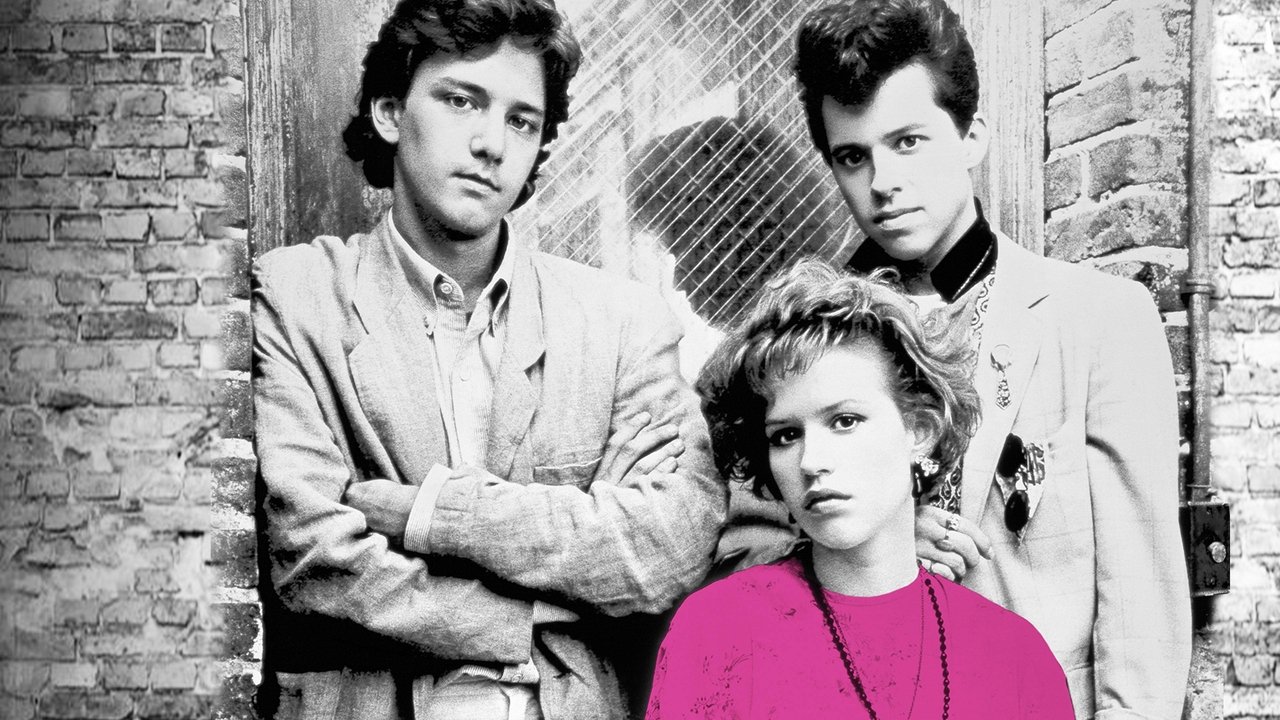
The soundtrack, too, was a powerhouse. It didn't just support the scenes; it sold the movie. From New Order to The Smiths, the music gave the film an alternative edge that separated it from the more bubblegum teen fare of the era. It felt "cool" in a way that felt accessible. You could buy the tape, get some cheap fabric from a bin, and pretend your suburban life had the same stakes as Andie’s.
Ultimately, the movie works because it takes teenage feelings seriously. It doesn't condescend to Andie’s poverty or Duckie’s heartbreak. Howard Deutch lets the camera linger on the quiet moments of disappointment, giving the drama room to breathe between the synth-pop beats. Annie Potts is also a total revelation as Iona, providing a quirky, protective maternal energy that the film desperately needs.
While the "Richie" transformation of the ending feels a bit like a studio-mandated surrender, the performances carry it home. Molly Ringwald remains the definitive face of 80s adolescence—expressive, defiant, and perpetually misunderstood. If you haven't revisited this one lately, do yourself a favor and pop it on. It’s a reminder of a time when the biggest tragedy in the world was a ruined prom dress and a boy who wouldn't call.
Keep Exploring...
-
Sophie's Choice
1982
-

Risky Business
1983
-
Starman
1984
-
Nine 1/2 Weeks
1986
-
Dangerous Liaisons
1988
-
Say Anything...
1989
-
Sixteen Candles
1984
-

The Big Blue
1988
-
National Lampoon's European Vacation
1985
-
Weird Science
1985
-
Uncle Buck
1989
-
West Side Story
1961
-

The Hustler
1961
-
Harold and Maude
1971
-
Days of Heaven
1978
-
An Officer and a Gentleman
1982
-

Flashdance
1983
-
Footloose
1984
-
Red Dawn
1984
-
Out of Africa
1985