Short Circuit
"More input! A bolt of lightning creates the ultimate houseguest."
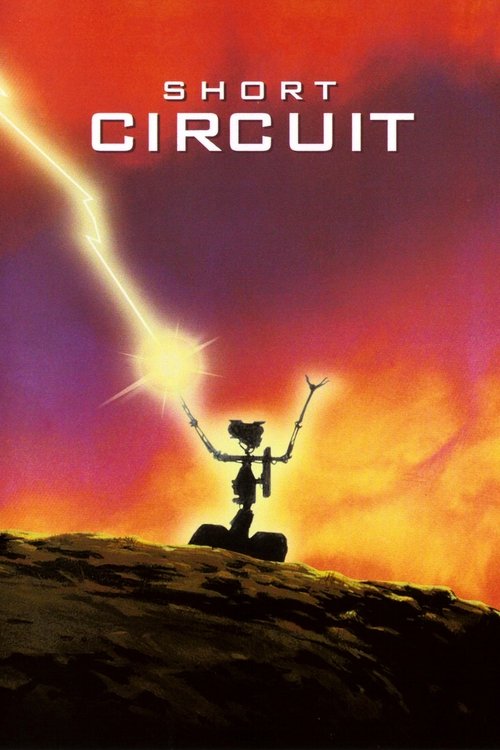
In the mid-1980s, cinema was having a serious "ghost in the machine" moment. We were stuck between the cold, metallic terror of The Terminator and the sleek, neon-drenched dystopia of Blade Runner. But then John Badham—the man who had already made us terrified of 8-inch floppy disks in WarGames—decided to pivot. He gave us a robot that didn't want to launch nukes or hunt Sarah Connor; he just wanted to watch The Three Stooges and accidentally terrorize a house full of grasshoppers.
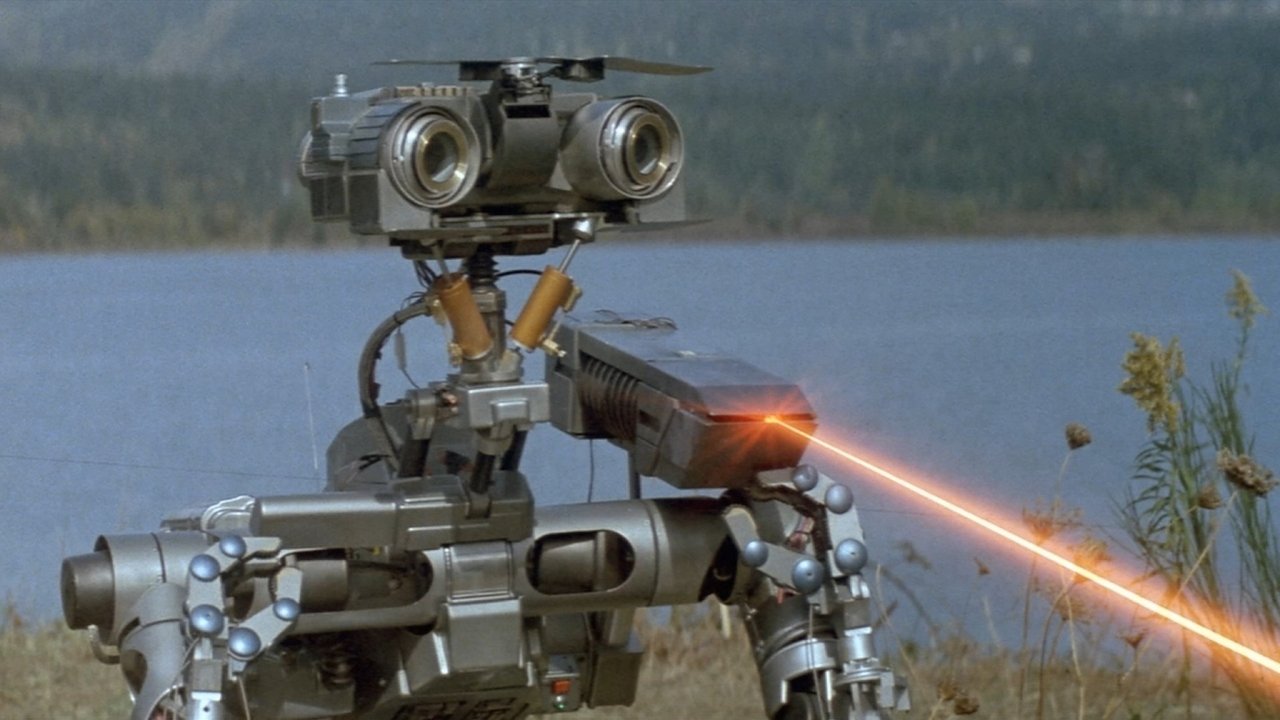
Short Circuit is the quintessential 1986 experience. It’s a film that exists in that sweet spot where military-industrial complex paranoia meets a Saturday morning cartoon. It’s light, it’s breezy, and it features a protagonist made of $1.4 million worth of hydraulics and wires that manages to out-act most of the human cast. I watched this most recently while trying to untangle a junk drawer full of old micro-USB and lightning cables, which felt like a deeply ironic low-budget prequel to Johnny 5’s own assembly line origins.
The Soul of the Sentient Toaster
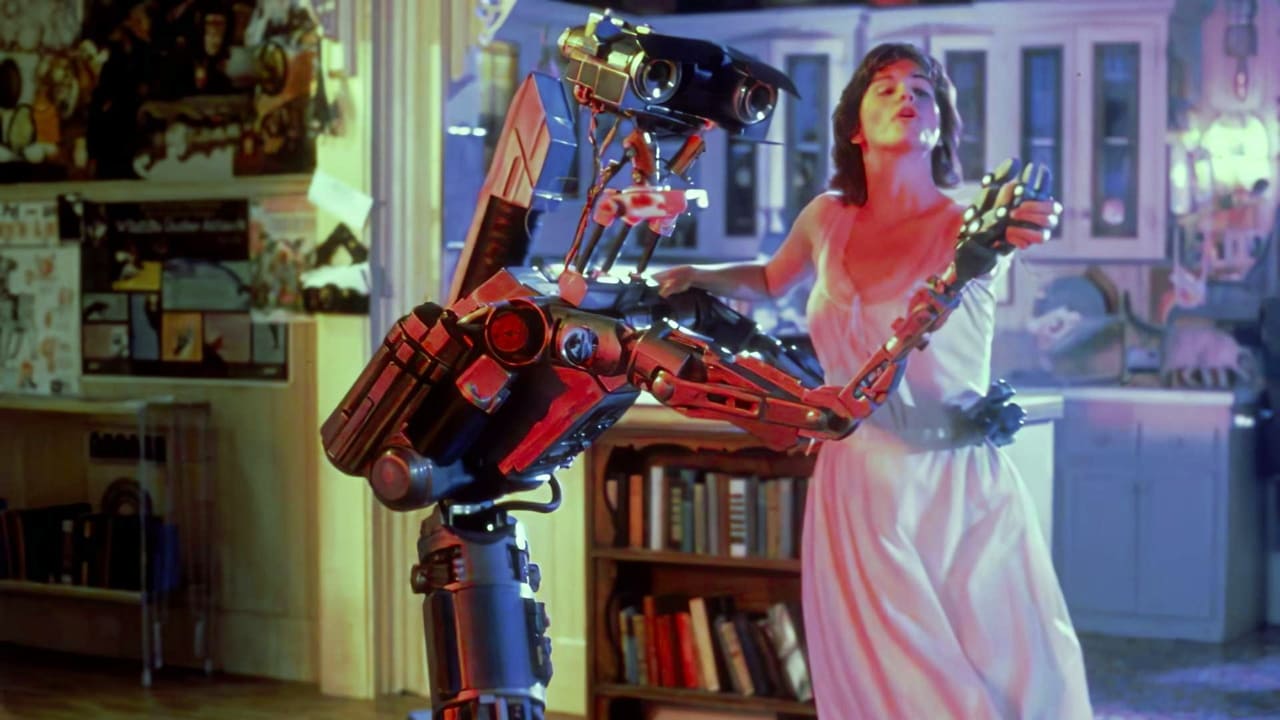
The plot is classic "ET-comes-to-suburbia" formula. A lightning strike fries the circuits of "Number 5," a tactical mobile robot designed for the military. Instead of becoming a more efficient killing machine, Number 5 develops a "soul"—or at least a frantic desire for "input." He escapes the Nova Robotics facility and wanders into the life of Ally Sheedy’s Stephanie Speck, a woman who lives in an ice-cream-truck-turned-mobile-home and has more pets than sense.
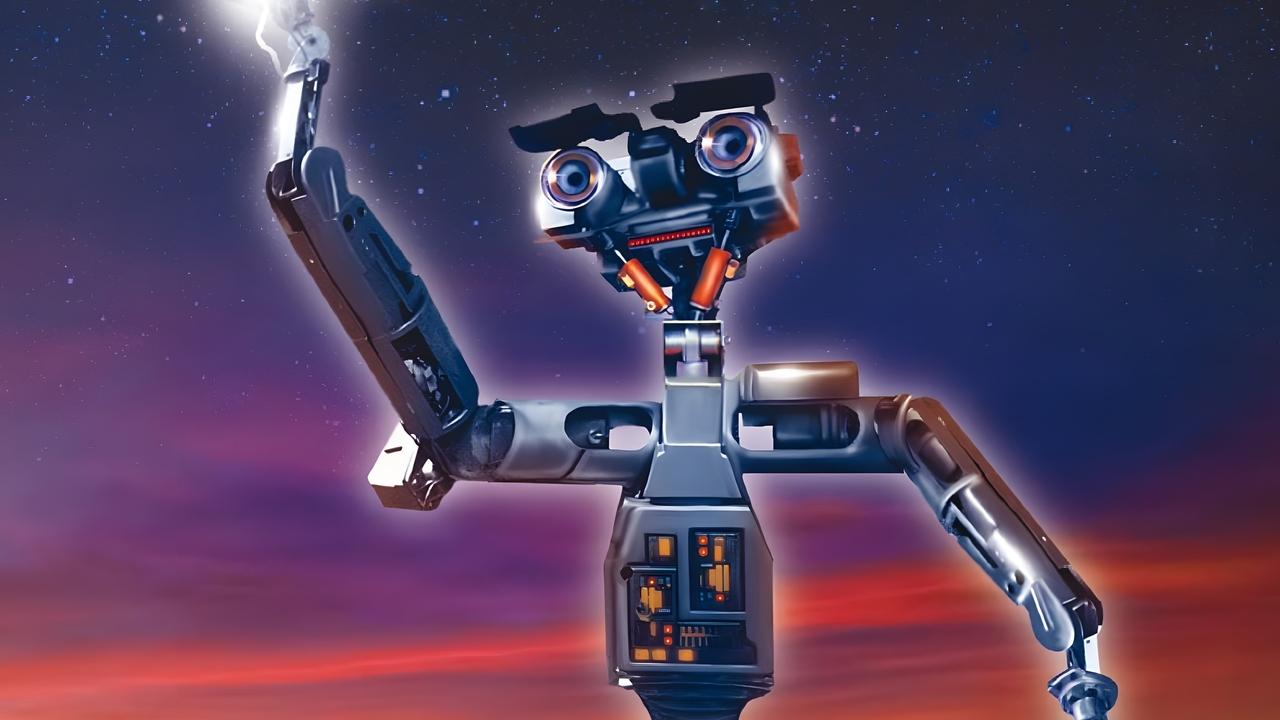
What makes the movie work, even decades later, is the design of the robot himself. We’re so used to weightless CGI characters today that seeing a physical, clanking, 250-pound animatronic puppet is a revelation. Designed by the legendary futurist Syd Mead (who also shaped the look of Tron and Aliens), Johnny 5 is a triumph of practical effects. His "eyes"—those two camera apertures with the little motorized flaps—do more emotional heavy lifting than a dozen Pixar renders. When he’s frightened, his flaps droop; when he’s curious, they perk up. It’s a masterstroke of mechanical characterization.
An 80s Time Capsule (Warts and All)
Then we have the humans. Steve Guttenberg plays Newton Crosby, the robot’s creator, and he is at peak "Guttenberg" here—earnest, slightly confused, and possessing the kind of 80s hair that seems to have its own gravitational pull. He’s joined by Fisher Stevens as Ben Jabituya. Looking back from the 21st century, the casting of Fisher Stevens is the giant, neon-colored elephant in the room. Playing an Indian character via "brownface" and a thick, pun-heavy accent is the kind of era-specific choice that hits like a bucket of cold water today. It’s an uncomfortable relic, yet Fisher Stevens plays the role with such a weird, manic commitment to the puns that you can see why 80s audiences (and the casting directors) were charmed by him, even if the execution hasn't aged a day over a century.
The villains are led by G.W. Bailey, basically reprising his Captain Harris role from Police Academy, but with more guns and fewer podium pranks. He represents the Reagan-era military might that can't fathom a weapon having feelings. The conflict is simple: the military wants to "disassemble" Number 5, and Stephanie and Newton want to prove he’s alive. It leads to a third act that is essentially a high-stakes chase through the Oregon countryside, featuring some genuinely impressive practical stunt work and a lot of exploding RC cars.
Stuff You Didn't Notice
One of the coolest details about Short Circuit is just how difficult that robot was to operate. It wasn't one guy with a remote; it took a whole team of puppeteers hidden just off-camera to make Number 5 move. If you look closely during the scenes in Stephanie’s kitchen, you can sometimes see the faint outlines of the cables running through the floorboards to the operators outside. It’s that kind of "hands-on" filmmaking that gives the movie its texture.
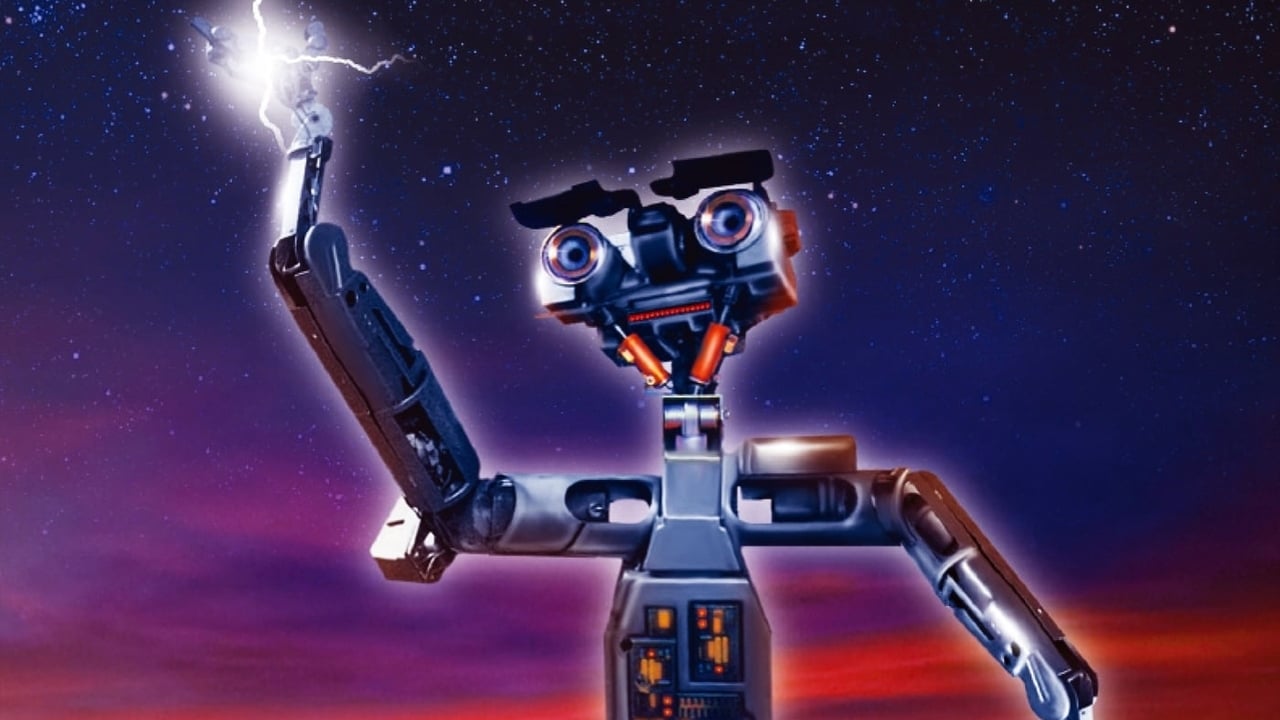
The film also holds a strange record for being a "VHS shelf staple." If you walked into a Blockbuster or a mom-and-pop rental shop in 1989, the distinctive white cover with the orange-and-blue robot was guaranteed to be there, likely with a "Be Kind, Rewind" sticker peeling off the corner. It was a movie that felt perfectly scaled for a 19-inch CRT television. It’s also worth noting that the score by David Shire is a synth-heavy delight, though nothing tops the absolute earworm that is El DeBarge's "Who's Johnny," a song that has absolutely nothing to do with the plot but everything to do with 1986.
Short Circuit is a movie that shouldn't work as well as it does. It’s a mix of broad slapstick, questionable casting, and anti-war sentiment wrapped in a family-friendly package. Yet, the sheer charisma of that pile of scrap metal carries it across the finish line. It captures a moment in time when we were genuinely optimistic about what technology could do for us, provided it didn't blow us up first.
It’s the kind of film that makes you want to go out and buy a robotic vacuum cleaner just so you can name it "Number 5" and hope it starts quoting John Wayne. If you can look past some of the more dated social elements, there is a heart of gold—and a lot of well-oiled servos—beating inside this metal chest. It’s a charming, clunky, and endlessly rewatchable slice of 80s sci-fi optimism.

Keep Exploring...
-
Time Bandits
1981
-

Honey, I Shrunk the Kids
1989
-

An American Tail
1986
-

Innerspace
1987
-

All Dogs Go to Heaven
1989
-

Turner & Hooch
1989
-
Teenage Mutant Ninja Turtles II: The Secret of the Ooze
1991
-

Bedknobs and Broomsticks
1971
-

Cocoon: The Return
1988
-
The Goonies
1985
-

Oliver & Company
1988
-

Bill & Ted's Excellent Adventure
1989
-
Jimmy Neutron: Boy Genius
2001
-

Aliens in the Attic
2009
-
WarGames
1983
-
Cocoon
1985
-
Weird Science
1985
-
Flight of the Navigator
1986
-
Uncle Buck
1989
-

Asterix and Cleopatra
1968