Stand by Me
"The journey where childhood goes to die."
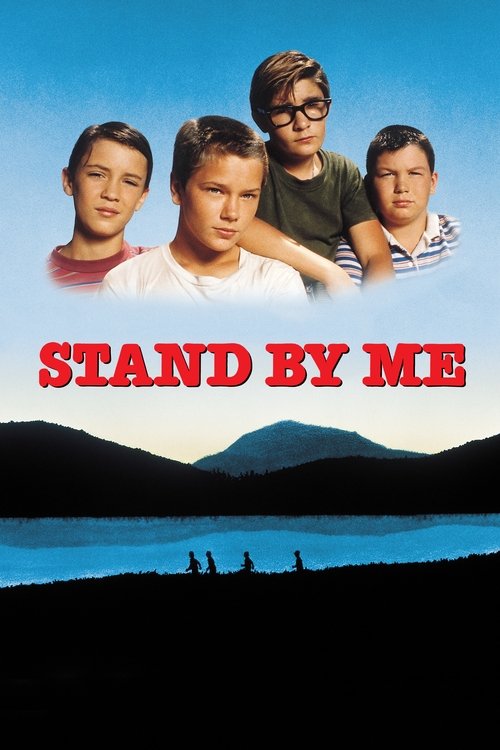
I was twelve years old the first time I saw Stand by Me, huddled in a basement on a beanbag chair that smelled vaguely of old basement dampness and generic-brand root beer. I expected a Goonies-style adventure with traps and treasures. Instead, I got a movie that made me realize my own parents were flawed humans and that I would, eventually, have to leave my backyard behind. I watched it again last week while my neighbor was aggressively power-washing his driveway—the rhythmic shhhh of the water weirdly mimicking the sound of the train tracks—and it still feels like a punch to the solar plexus.
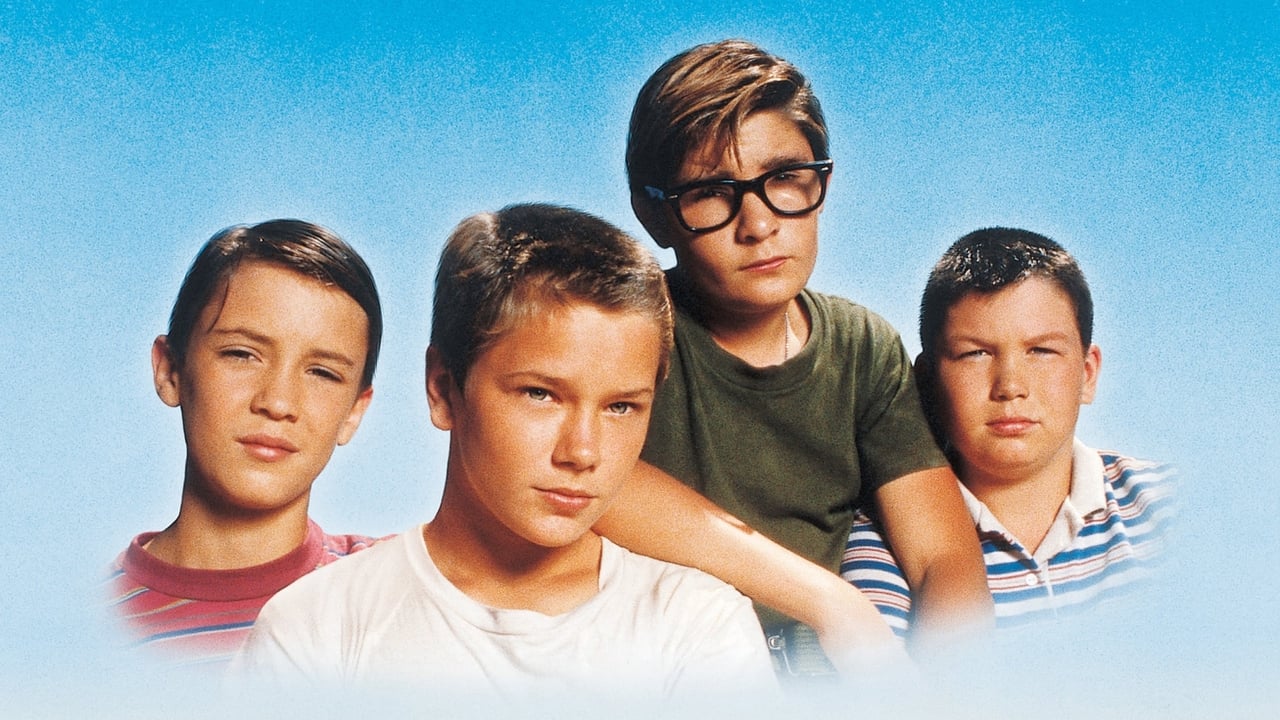
There is a specific, heavy atmosphere to Rob Reiner’s 1986 masterwork that sets it apart from the "kids on bikes" subgenre it helped spawn. While films like Stranger Things lean into the neon-soaked wonder of the 80s, Stand by Me is obsessed with the dirt, the rust, and the looming shadow of mortality. It’s a drama that treats the problems of children with the gravity usually reserved for war movies.
The Weight of a Dead Body
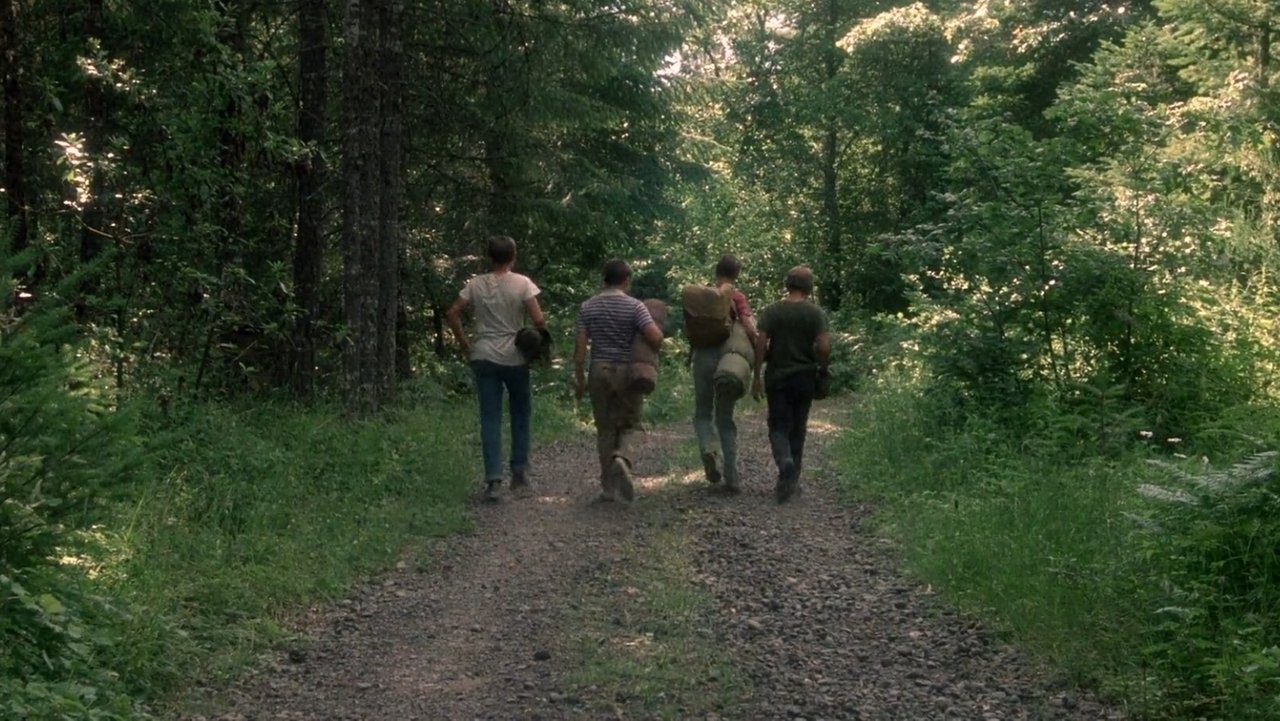
The premise is deceptively simple: four boys walk along a railroad track to find the corpse of a missing peer. But the dead boy, Ray Brower, isn't a MacGuffin; he’s a mirror. The film doesn't shy away from the grim reality of why they’re going. They aren't looking for a hero’s reward; they’re looking for a spectacle to make them feel important in a town that has already written them off.
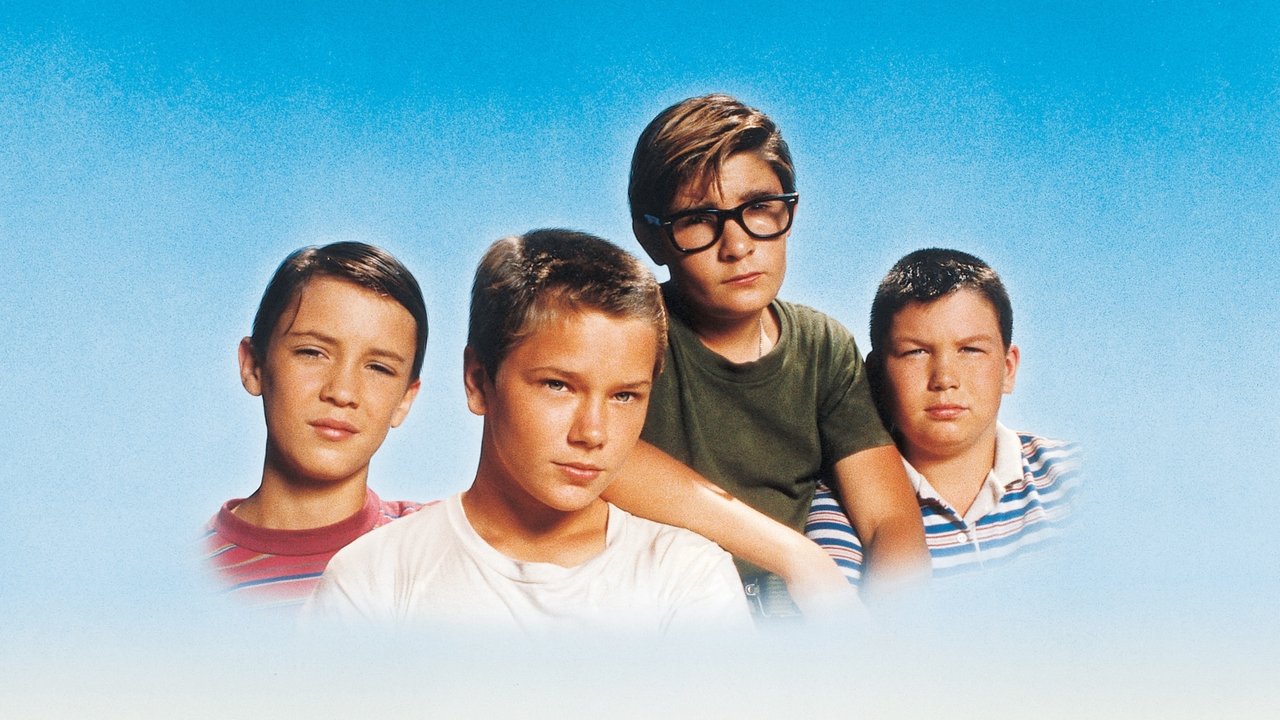
Wil Wheaton plays Gordie with a quiet, observant sorrow that anchors the film, but it is River Phoenix as Chris Chambers who provides the soul. There is a scene where Chris breaks down, mourning a future he thinks is already stolen by his family's reputation, that is genuinely difficult to watch. Phoenix possessed a raw, unvarnished vulnerability that most adult actors spend decades trying to fake. When he tells Gordie, "I just wish I could go some place where nobody knows me," you aren't watching a child actor recite lines; you’re watching a kid who has already seen too much of the world.
The chemistry between the four leads—including a hilariously high-strung Corey Feldman and a nearly unrecognizable, pre-heartthrob Jerry O'Connell—feels entirely unmanufactured. They swear, they insult each other’s mothers, and they smoke cigarettes with a clumsy bravado that feels dangerous and authentic. They are a collection of broken toys pretending to be G.I. Joes, and the film treats their trauma with profound respect.
Prestige in the Dirt
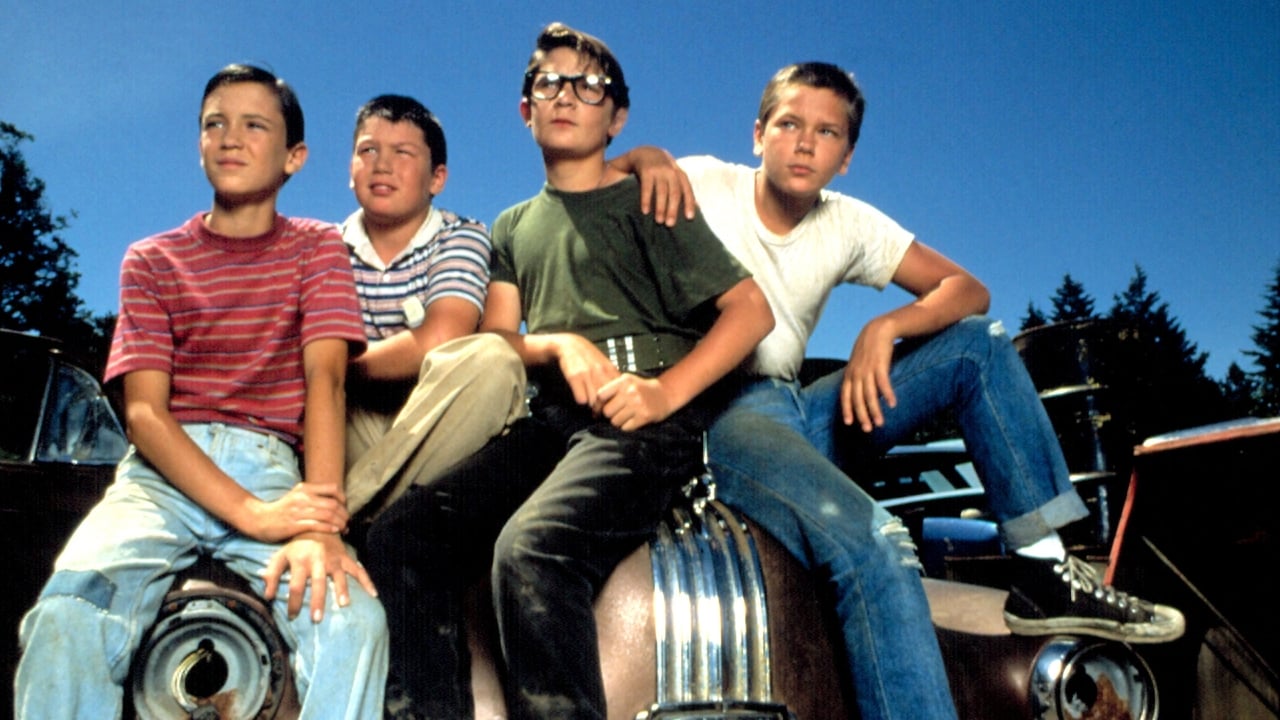
While we often associate Stephen King with killer clowns and psychic hotels, this adaptation of his novella The Body proved the author could handle human fragility better than almost anyone. The screenplay by Raynold Gideon and Bruce A. Evans was rightly nominated for an Academy Award, a rarity for "coming-of-age" films at the time. It’s a tight, 89-minute script that understands silence is just as important as dialogue.
The production values contribute to this "prestige" feel without being flashy. Cinematographer Thomas Del Ruth (who also shot The Breakfast Club) avoids the hazy, nostalgic glow often found in period pieces. Instead, he gives us the harsh Oregon sun, the claustrophobic greenery of the woods, and the intimidating, infinite line of the tracks. The famous train trestle scene wasn't just movie magic; it was a grueling practical shoot on a bridge in California. The terror on the boys' faces as they scramble away from the locomotive feels real because the logistics of filming on a high bridge with four kids and a train were legitimately hair-raising.
Then there’s the score by Jack Nitzsche, which cleverly weaves the melody of Ben E. King’s "Stand by Me" into the orchestral arrangements long before the actual song plays over the credits. It’s a sophisticated touch that builds a sense of inevitable longing.
VHS Gold and The Bully in the Black Ford
For those of us who grew up in the 80s and 90s, this was a staple of the home video era. The tape box art—four boys silhouetted against a sunset—promised a nostalgic romp, but the actual experience of watching the worn-out rental tape was far more intense. The "Puke-o-rama" sequence, for instance, became legendary on the playground. The Lard-Ass story is the most important part of the movie, serving as a grotesque, cathartic release for Gordie’s internal creative pressure. On a CRT television, that geyser of blue-ribbon-winning blueberry pie looked like something out of a Cronenberg film.
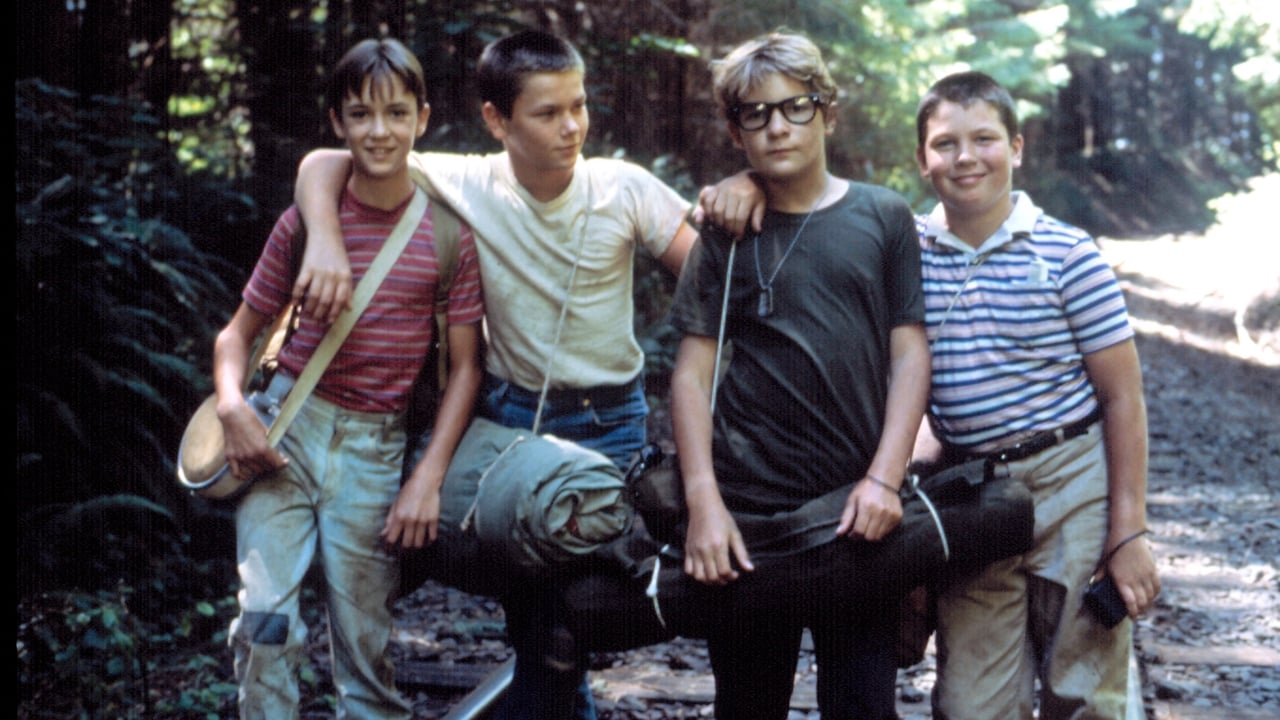
The film also gave us one of the era’s most chilling villains in Kiefer Sutherland’s Ace Merrill. Before he was saving the world in 24, Sutherland was the personification of low-stakes evil. He isn't a supernatural monster; he’s just a bored, cruel teenager with a switchblade and a fast car. Rumor has it Sutherland stayed in character off-camera, actively bullying the younger boys to ensure their fear during the climax was genuine. It worked. The standoff at the end of the tracks feels like a Western, but with much higher stakes because the "sheriff" is a twelve-year-old boy holding a 1911 Colt.
Ultimately, this isn't a movie about a journey to see a body; it’s a movie about the last few days of a friendship before the world splits everyone into different paths. It understands that at twelve, your friends are your entire universe, and by thirteen, they might just be people you pass in the hallway. It’s a heavy, beautiful, and occasionally brutal look at the moment the training wheels of childhood fall off.
There’s a reason people still quote the final line of the film today. It’s not just a bit of writing; it’s a universal truth that hits harder every year you get further away from your own hometown. If you haven't seen it lately, go back to the tracks. Just be prepared for the fact that you aren't the same person who left the station.
Keep Exploring...
-
Scarface
1983
-

Once Upon a Time in America
1984
-
The Godfather
1972
-
Chinatown
1974
-
The Godfather Part II
1974
-
Dog Day Afternoon
1975
-

Taxi Driver
1976
-
The Outsiders
1983
-
Witness
1985
-

Wall Street
1987
-
Mississippi Burning
1988
-
Crimes and Misdemeanors
1989
-
When Harry Met Sally...
1989
-
Blood Simple
1985
-
Blade Runner
1982
-

Full Metal Jacket
1987
-
West Side Story
1961
-
Butch Cassidy and the Sundance Kid
1969
-

Papillon
1973
-
The Sting
1973