Star Trek IV: The Voyage Home
"Save the whales, save the future, skip the phasers."

By the time 1986 rolled around, the Star Trek film franchise had established a very specific, very serious rhythm. We’d had the existential grandeur of the first film, the Shakespearean revenge-tragedy of The Wrath of Khan, and the mystical resurrection-quest of The Search for Spock. If you were a betting person in the mid-80s, you probably expected the fourth installment to feature another booming villain in a giant spaceship threatening the Federation. Instead, Leonard Nimoy (directing his second outing after Three) decided the crew of the late, lamented Enterprise needed to stop being so stiff, head back to 1986 San Francisco, and rescue a couple of humpback whales.
I watched this recently while trying to eat a pomegranate, a logistical nightmare that strangely mirrored James Doohan's Scotty trying to explain the molecular structure of transparent aluminum to a bewildered 20th-century engineer. There is something profoundly satisfying about watching 23rd-century icons grapple with the mundane frustrations of the 1980s—things like "exact change" for the bus, the sheer noise of a punk rocker with a boombox, and the terrifying concept of "Italian food" in a world without synthesizers.
The Fish-Out-of-Water Formula
What makes The Voyage Home so enduring isn’t the science fiction; it’s the chemistry. By this point, William Shatner, DeForest Kelley, and the rest of the bridge crew had been playing these characters for twenty years. They could do this in their sleep, but here, they finally look like they’re having fun. Watching William Shatner’s Kirk try to navigate the "colorful metaphors" of 1986 street slang is a delight because it plays into his natural charisma rather than his occasional tendency for dramatic overacting.
The movie thrives on the culture clash. Walter Koenig’s Chekov wandering around a Cold War-era naval base asking where he can find the "nuclear wessels" is a legendary bit of comedy, made even better by the fact that the woman he asks wasn't an actress—she was an actual passerby on the street who didn't know they were filming a movie. The production just kept the cameras rolling. Star Trek IV is a better comedy than most actual comedies released in 1986, mostly because it lets the humor emerge from character rather than punchlines.
Practical Whales and High-Concept Hearts
In an era before CGI could conjure a believable creature with a keystroke, the production faced a massive hurdle: how do you show humpback whales in a way that doesn't look like a bathtub toy? The solution came from effects masters Robbie Blalack and Walt Conti, who built 1:4 scale animatronic whales that were so incredibly lifelike that when the film was released, the U.S. government supposedly received calls from people concerned that the filmmakers had harassed actual humpbacks.
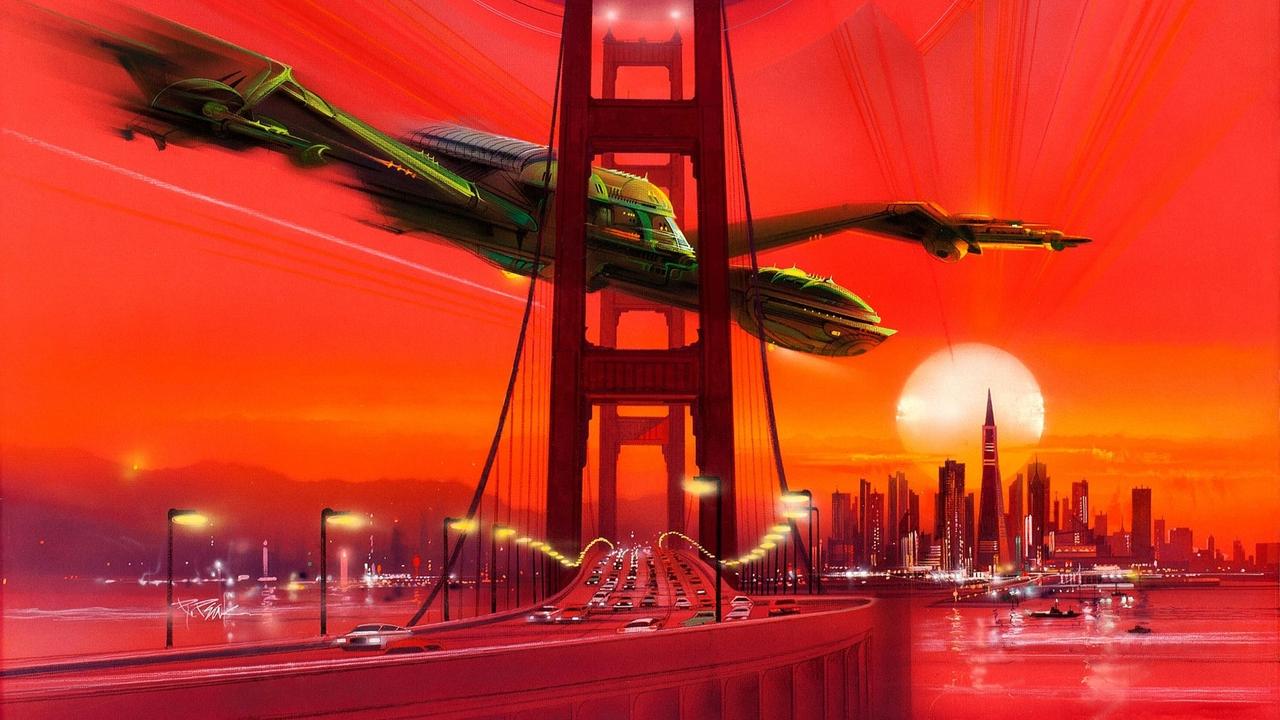
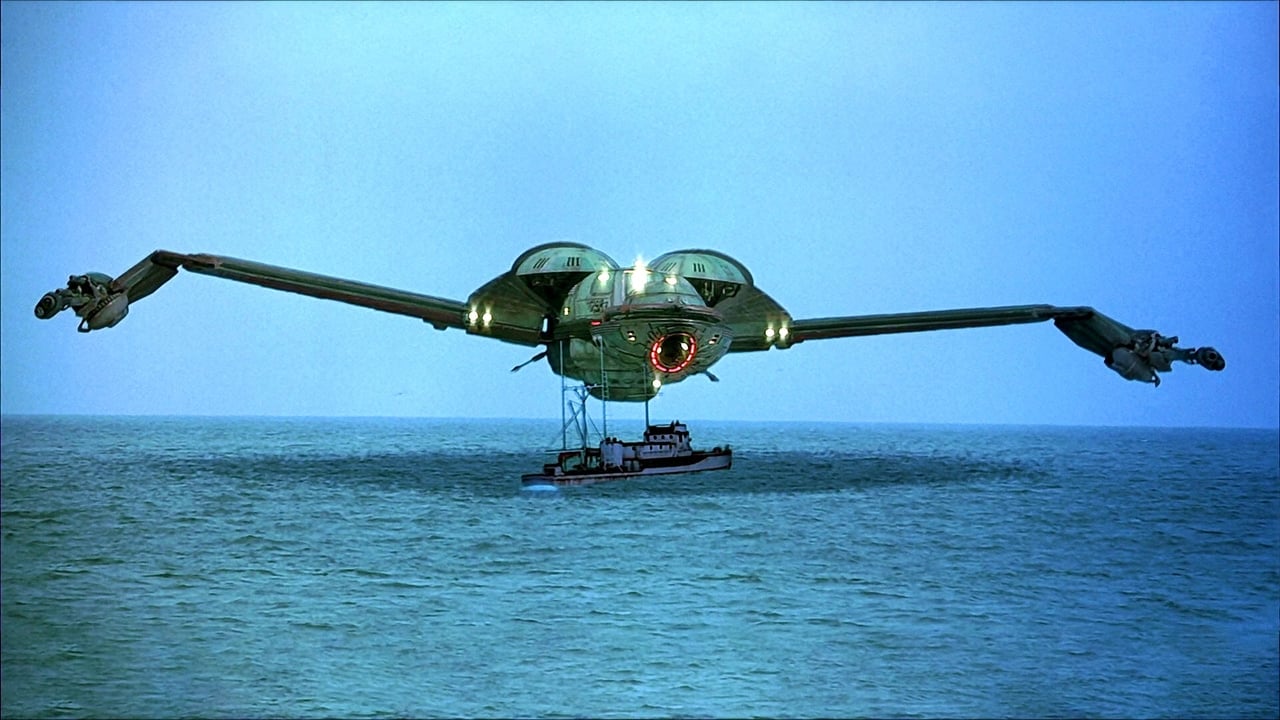
The film feels like a perfect encapsulation of the "Practical Effects Golden Age." From the matte paintings of a futuristic Earth to the cramped, grungy interior of the stolen Klingon Bird of Prey, everything has a tactile weight. Even the alien probe—a giant, matte-black cylinder that looks like a sinister cigar—feels more threatening because it feels physical. It doesn't need to fire lasers; it just needs to exist and vibrate, wreaking havoc on the planet's weather patterns. It was a bold move to make a blockbuster without a traditional "bad guy," focusing instead on an environmental misunderstanding that only communication could solve.
The VHS Phenomenon and Cultural Peak
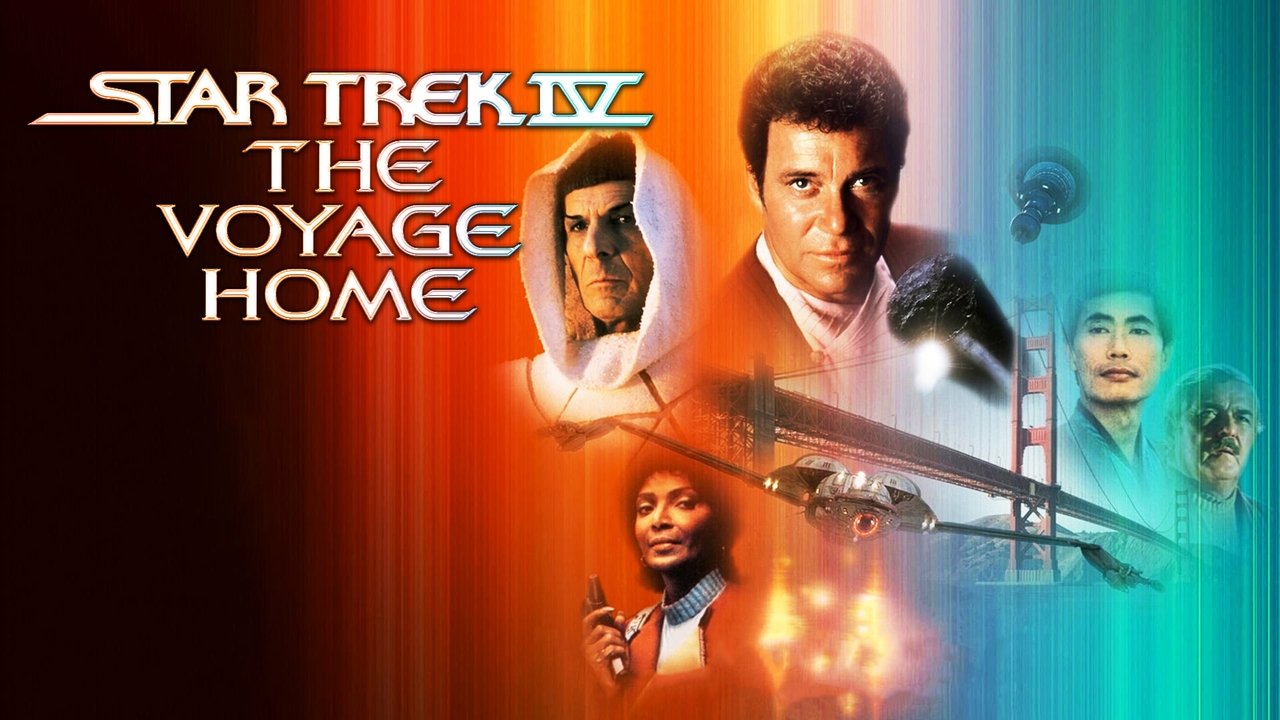
This was the Star Trek film that finally broke through to the "muggles." While the previous films were seen as the domain of the dedicated Trekkie, The Voyage Home became a genuine cultural phenomenon. It grossed a staggering $133 million against a $21 million budget, making it the highest-grossing film in the series up to that point. When it eventually hit home video, the box art—featuring the crew looking down over the Golden Gate Bridge—became a permanent fixture of every rental store in the country.
It was the ultimate "family night" rental. It had enough action for the kids, enough science for the nerds, and enough genuine wit for the parents. I think that’s why it stayed in the "Top 10" rental charts for so long; it didn’t require you to know the difference between a warp core and a dilithium crystal to enjoy the ride. It reflected the Reagan-era optimism while gently poking fun at the decade's excesses, specifically through its "Save the Whales" message which felt perfectly in tune with the rising environmental consciousness of the time.
The movie wraps up the "Genesis Trilogy" with a warmth that the franchise rarely achieved again. By the time the crew finally gets their hands on a brand new Enterprise-A at the end, you feel like they’ve truly earned it. It’s a film that proves you don’t need an exploding Death Star to create a masterpiece; sometimes, you just need a few friends, a stolen spaceship, and two very large mammals. It’s the ultimate feel-good sci-fi flick, a testament to the idea that the greatest adventures don't always happen in the stars, but in our own backyard.
---

Keep Exploring...
-

Star Trek III: The Search for Spock
1984
-
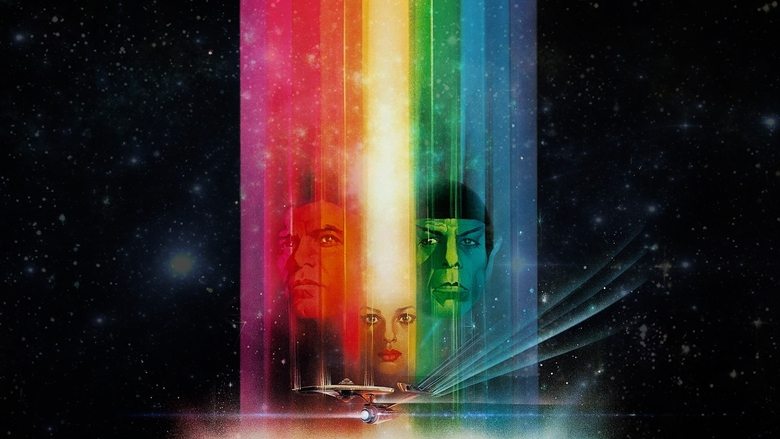
Star Trek: The Motion Picture
1979
-

Star Trek VI: The Undiscovered Country
1991
-

Star Trek II: The Wrath of Khan
1982
-

Star Trek V: The Final Frontier
1989
-
E.T. the Extra-Terrestrial
1982
-

Return of the Jedi
1983
-

Back to the Future Part II
1989
-

Honey, I Shrunk the Kids
1989
-

3 Men and a Baby
1987
-

Superman
1978
-
Moonraker
1979
-

Superman II
1980
-
Tron
1982
-
Flight of the Navigator
1986
-

Predator
1987
-

Bill & Ted's Excellent Adventure
1989
-
The Abyss
1989
-

Back to the Future
1985
-
Time Bandits
1981