The Fly
"Science gave him wings. Then it took his soul."
The first time I saw Jeff Goldblum lose an ear in a bathroom mirror, I was halfway through a bowl of lukewarm, slightly-too-runny oatmeal. To this day, the texture of Quaker Oats triggers a phantom memory of Seth Brundle’s disintegrating anatomy. That’s the "Cronenberg Effect" in a nutshell: he doesn't just show you horror; he attaches it to your everyday sensory life until you can’t look at a sugar cube or a medicine cabinet the same way again.
The Fly (1986) isn't just a remake of a 1958 B-movie about a guy with a giant papier-mâché bug head. It is a Shakespearean tragedy dressed in the "New Flesh." While the 80s were overflowing with slashers that treated death like a punchline, David Cronenberg decided to make a film about the most terrifying thing imaginable: the betrayal of our own biology.
The Most Beautiful Gross-Out Ever Filmed
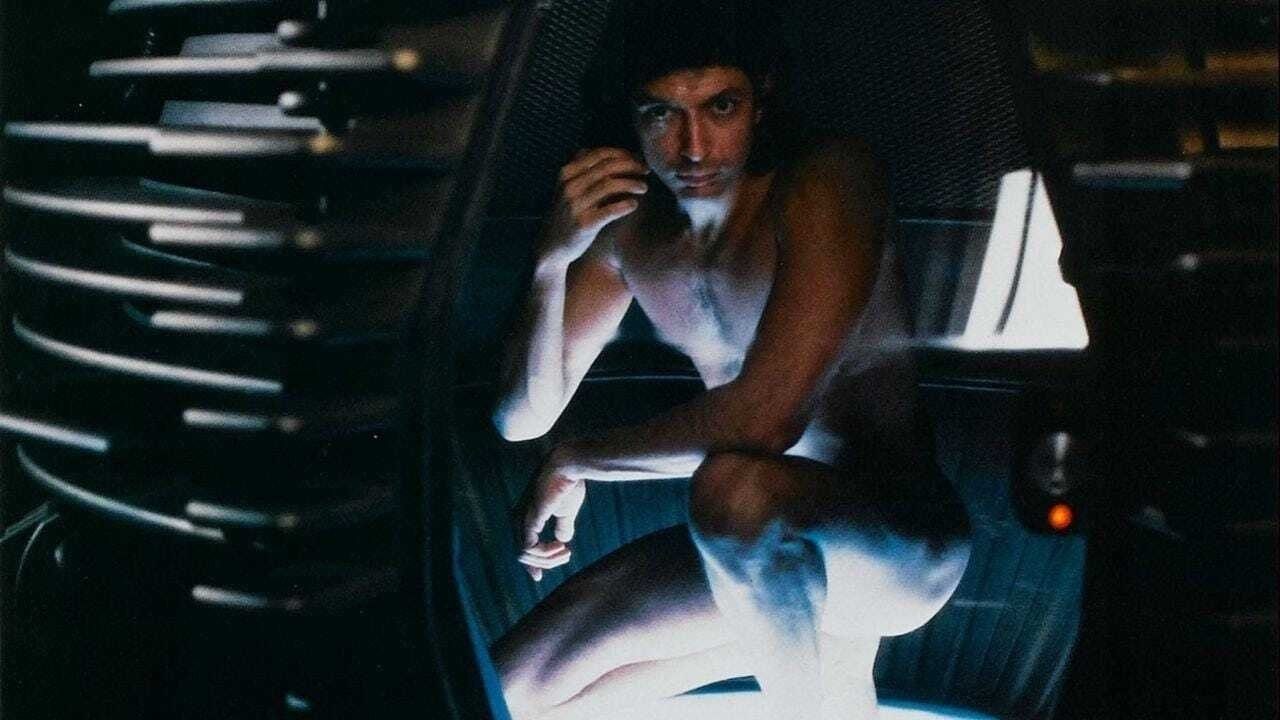
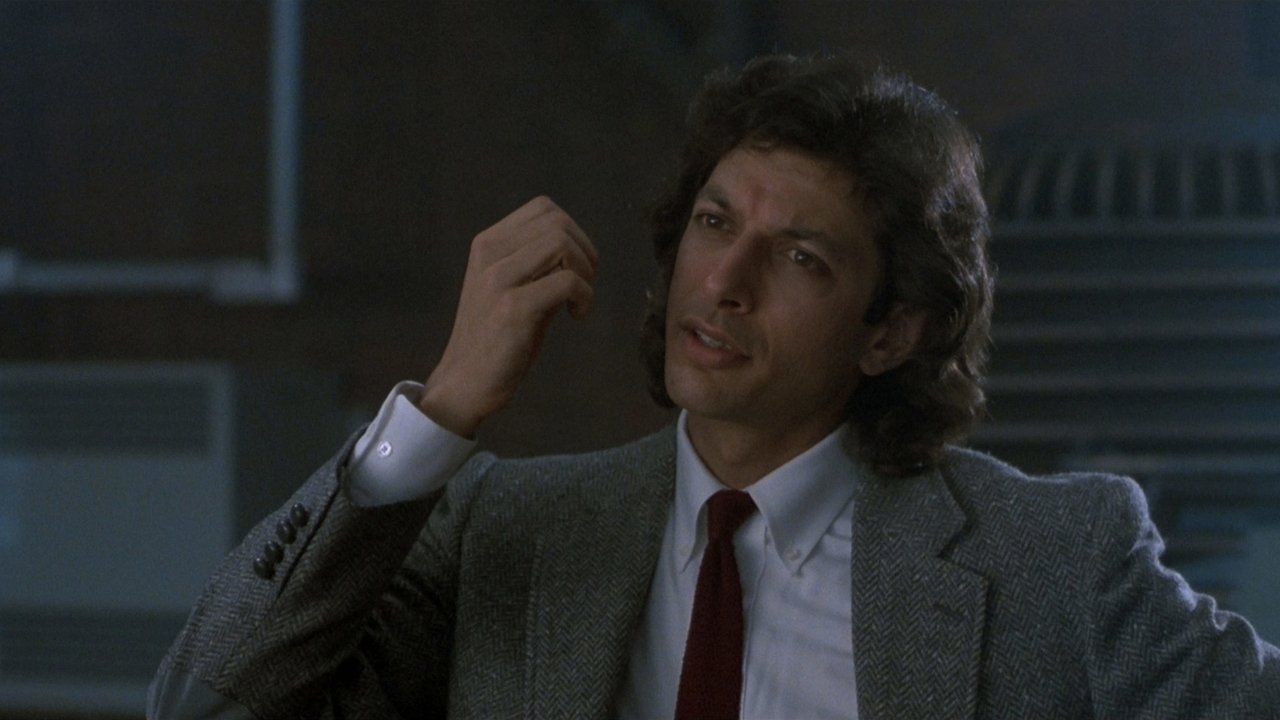
At its core, this is a three-person play. You have Seth Brundle (Jeff Goldblum), a brilliant, eccentric physicist who moves like a caffeinated bird; Veronica Quaife (Geena Davis), the journalist who falls for him; and Stathis Borans (John Getz), the slimy ex who actually ends up being surprisingly capable when the chitin hits the fan.
The chemistry between Goldblum and Davis (who were a real-life couple at the time) is what makes the inevitable decay so painful. When Seth accidentally integrates his DNA with a housefly during a drunken teleportation test, he doesn’t just turn into a monster overnight. He gets better first. He’s stronger, faster, and more sexual. It’s an allegory for aging, for cancer, and for the hubris of the Reagan-era "more is better" mentality.
But then, the teeth start falling out. I’ve always felt that the arm-wrestling scene is the most stressful thirty seconds in 80s cinema. It’s the moment the movie shifts from "cool sci-fi" to "I need to look away but I can’t."
Practical Effects That Put CGI to Shame
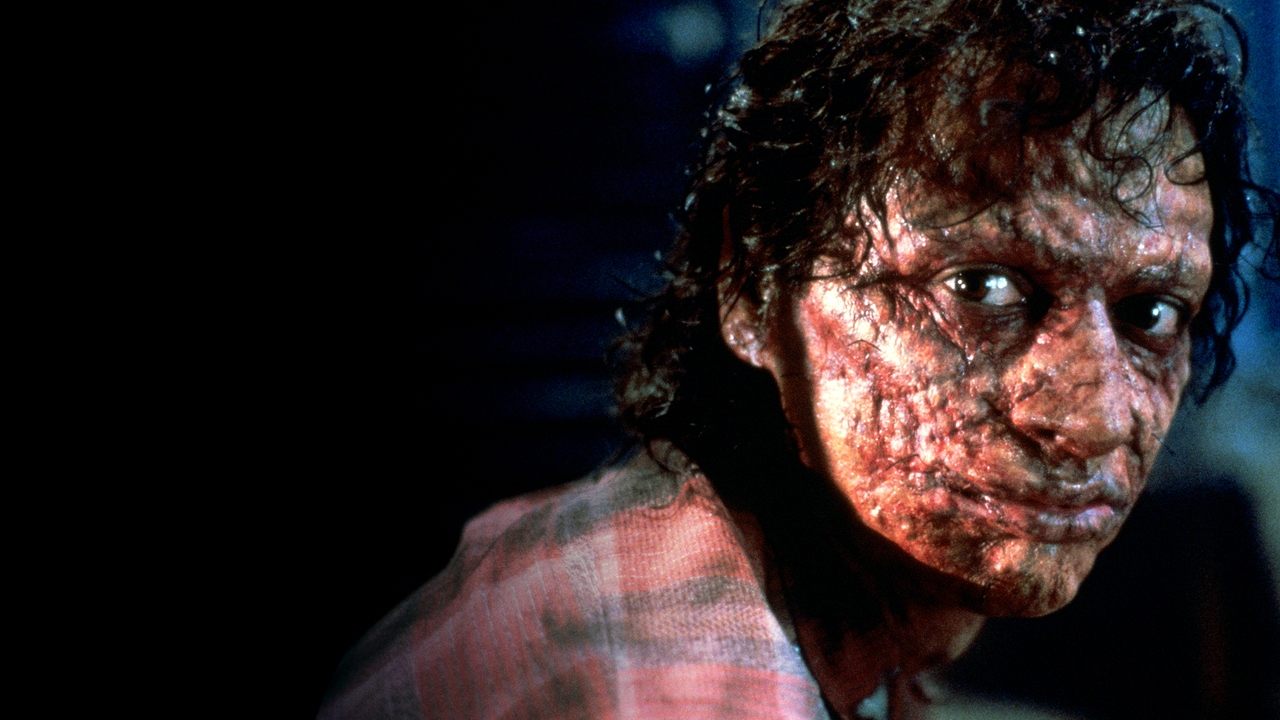
We have to talk about Chris Walas. Winning an Oscar for Makeup Effects was the least the Academy could do for the man who created the "Brundlefly." In an era before pixels, Walas and his team built a progressive nightmare of latex, slime, and animatronics.
What makes it work is the logic. Seth doesn’t just put on a costume; he molts. He develops "Brundle-Museum" jars to keep his discarded body parts. When he finally reaches his final form, it isn't a man in a suit—it’s a pathetic, weeping creature of fused limbs and sorrow. On a CRT television, through the soft fuzz of a high-generation VHS copy, those practical effects looked even more "real" because they occupied actual space. You could see the weight of the puppets; you could see the way the light reflected off the actual liquid slime.
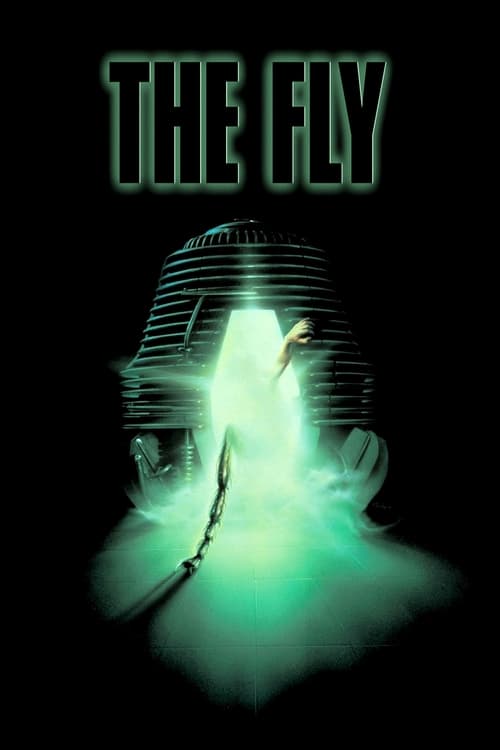
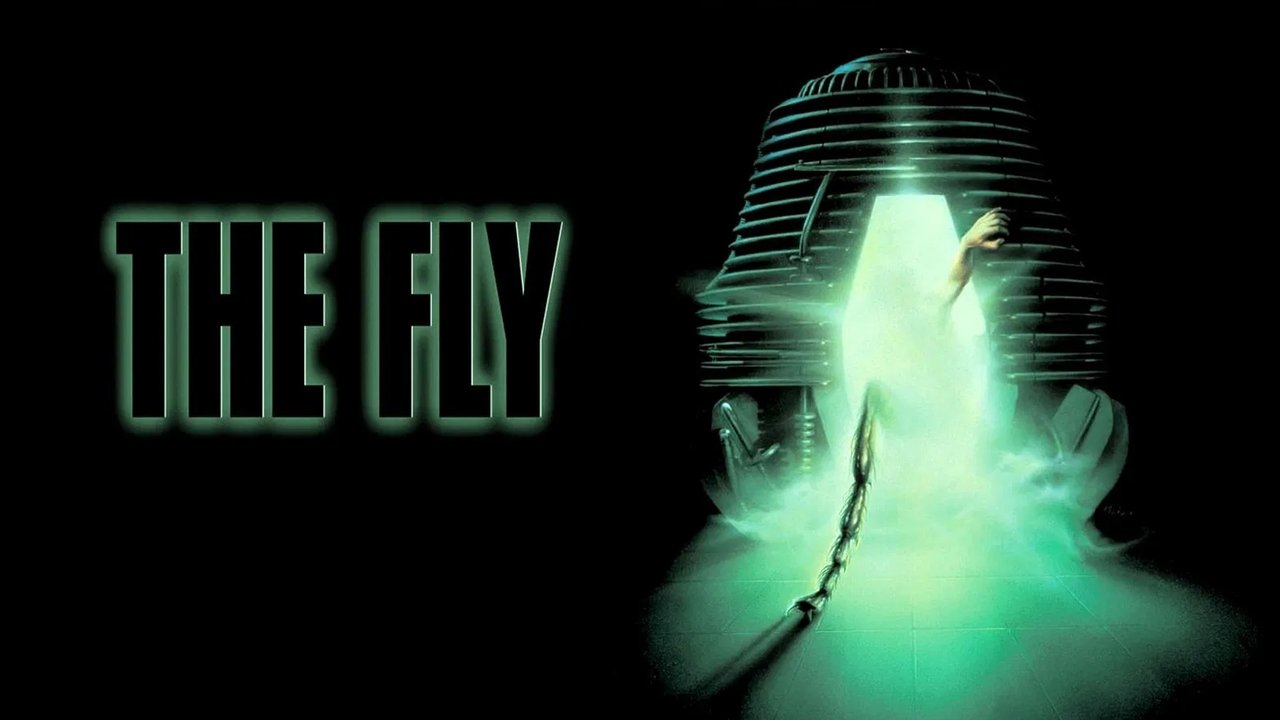
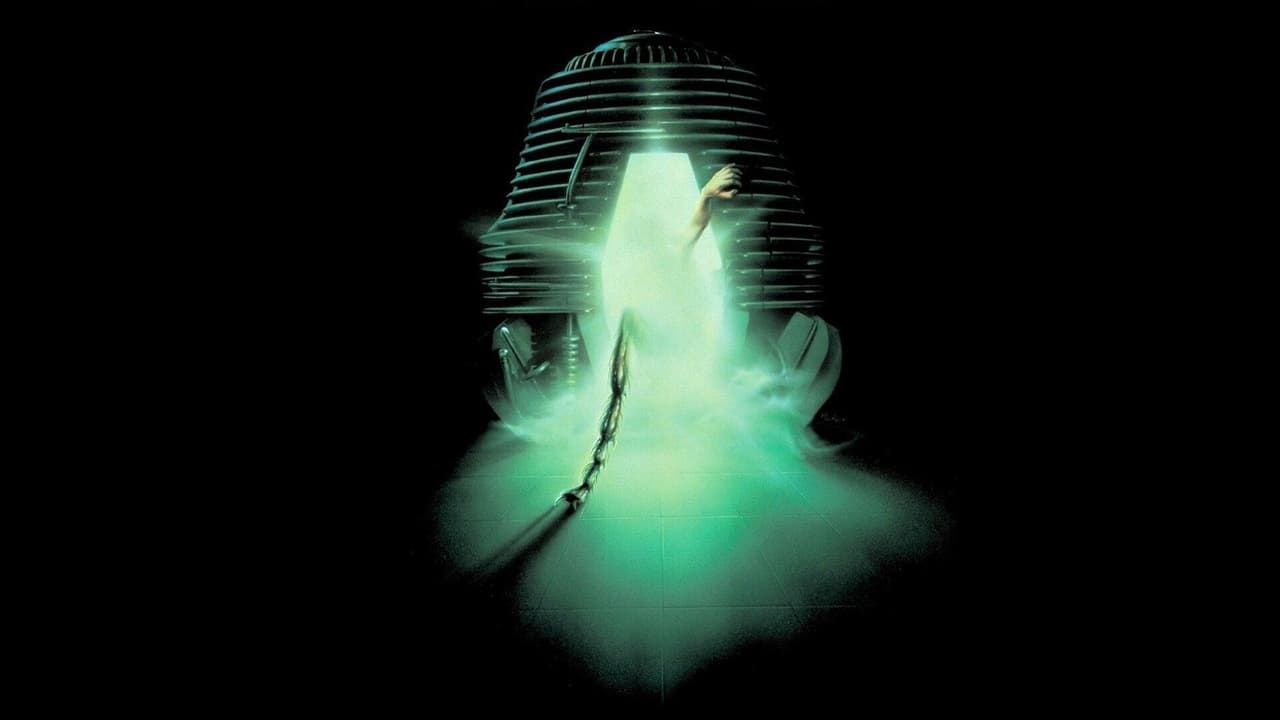
In the mid-to-late 80s, the rental box for The Fly was a staple of the "Horror" wall at every local video store. Usually, the cover featured that stark, terrifying image of the telepod or a close-up of a compound eye. It felt like a dare. If you rented it, you weren't just watching a movie; you were participating in a rite of passage.
The Secret Genius of Mel Brooks
One of my favorite bits of trivia is that this film was produced by Mel Brooks. Yes, that Mel Brooks. He knew that if his name were on the poster, audiences would expect a spoof, so he stayed completely behind the scenes. It was Brooks who actually suggested the film’s iconic tagline: "Be afraid. Be very afraid." He reportedly heard his wife, Anne Bancroft, say it in a different context and realized it was the perfect marketing hook.
Beyond the marketing, the production was full of strange, creative pivots:
The "Monkey-Cat" scene: There was a deleted sequence where Seth tries to "cure" himself by teleporting a cat and a monkey together. The result was so disturbing and grisly that test audiences hated Seth afterward, so Cronenberg wisely cut it. The Pods: The design of the telepods was inspired by the engine cylinder of Cronenberg’s vintage Ducati motorcycle. A Letter to the Past: Jeff Goldblum actually wrote a letter to Vincent Price (the star of the 1958 original), who reportedly found the remake "wonderful," though a bit too "bloody." Disease as Reference: To make the "Brundle-stages" look authentic, Walas studied medical books on skin diseases and deformities rather than looking at other monster movies. * The Script: Originally, the screenplay by Charles Edward Pogue was more of a traditional monster flick. Cronenberg rewrote it to focus on the dialogue and the tragic romance, which is why the film feels so much smarter than its peers.
The Fly is a perfect film. It is a masterclass in pacing, a triumph of practical engineering, and a heartbreaking look at human frailty. It uses the horror genre to explore the terrifying reality that our bodies are just biological machines that eventually break down. It’s gross, it’s loud, and it’s deeply uncomfortable, but it’s also one of the most human stories ever told through the lens of science fiction. If you can watch the final scene without feeling a lump in your throat, you might be a robot. Just maybe check your medicine cabinet for any stray teeth before you go to bed.
Keep Exploring...
-
Videodrome
1983
-
The Dead Zone
1983
-
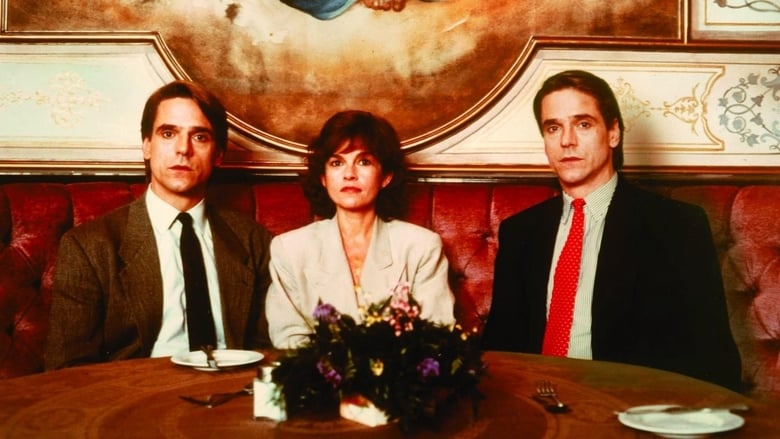
Dead Ringers
1988
-

Scanners
1981
-

The Thing
1982
-
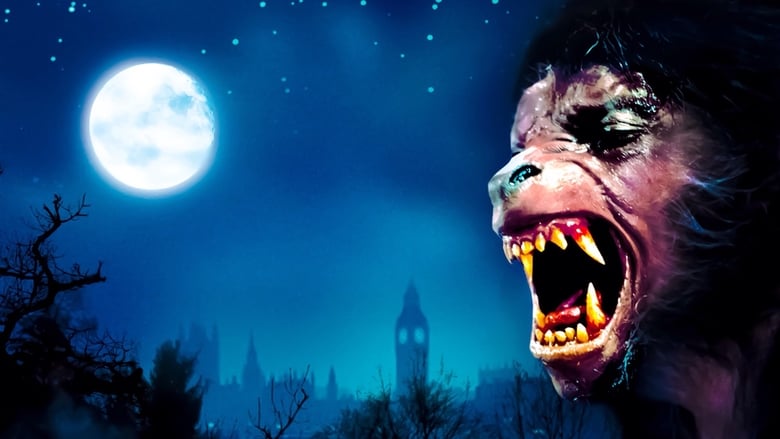
An American Werewolf in London
1981
-

Star Trek II: The Wrath of Khan
1982
-
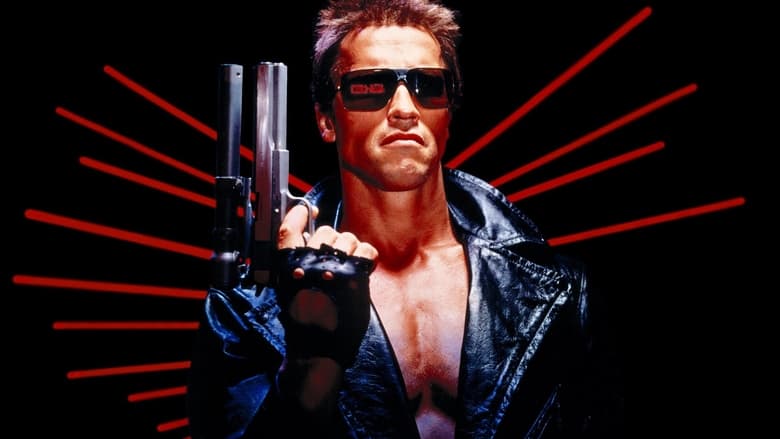
The Terminator
1984
-

Predator
1987
-
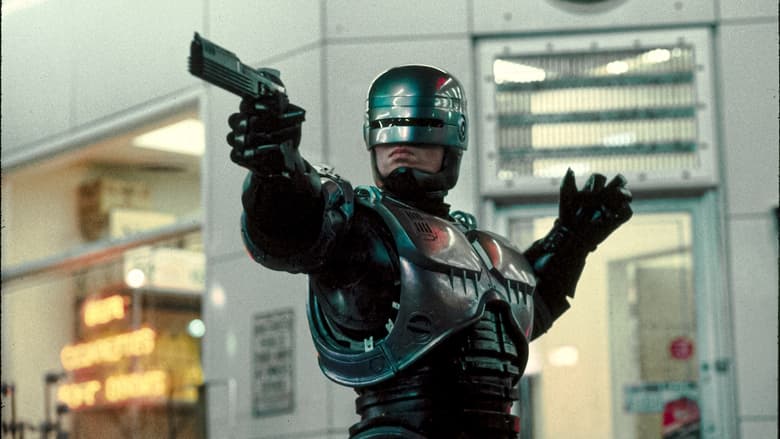
RoboCop
1987
-
The Abyss
1989
-
Alien
1979
-

The Return of the Living Dead
1985
-
The Rocky Horror Picture Show
1975
-

Invasion of the Body Snatchers
1978
-
The Shining
1980
-
eXistenZ
1999
-
The Blob
1988
-
Dawn of the Dead
1978
-
A Clockwork Orange
1971