The Golden Child
"Eddie Murphy just wants his twenty dollars."

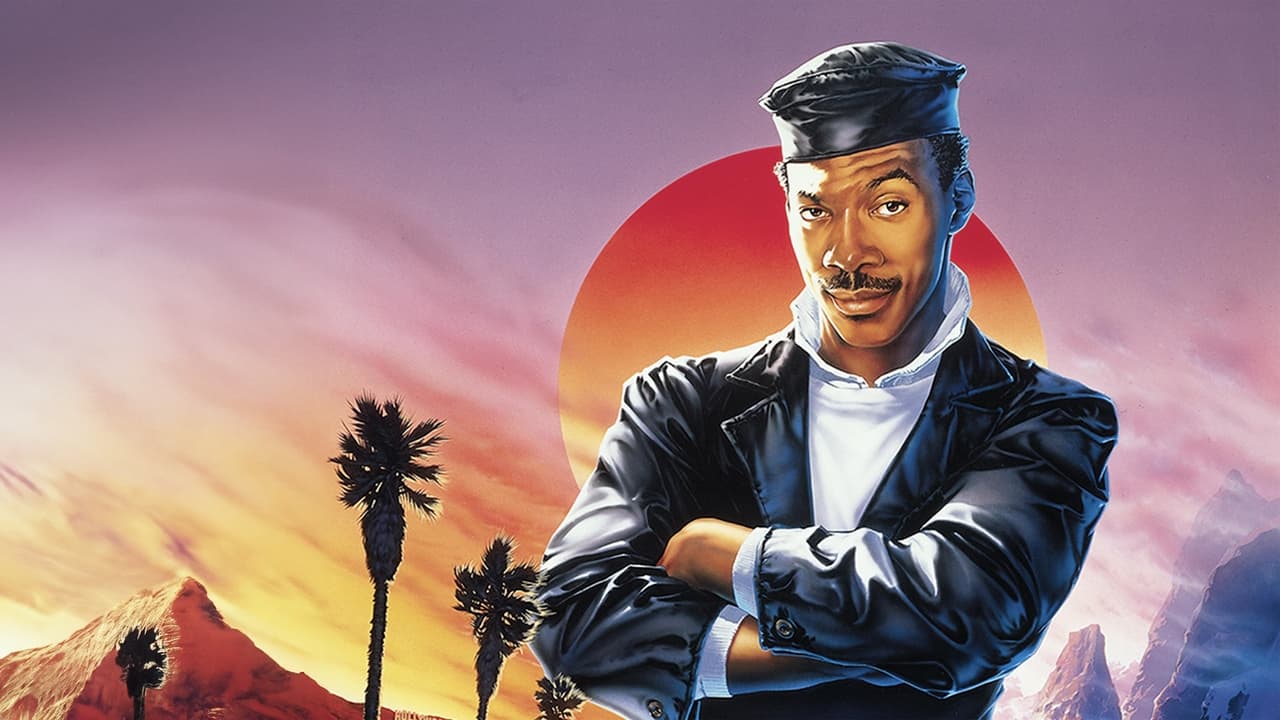
I clearly remember the first time I saw the VHS cover for The Golden Child at my local "Mommie & Me" Video store. It sat right next to Beverly Hills Cop, and the contrast was baffling. On one cover, Eddie Murphy was leaning against a Mercedes with a gun; on the other, he was wearing a red leather jacket and looking skeptically at a mystical, bald-headed kid. My ten-year-old brain couldn't reconcile "Axel Foley" with "Tibetan Prophecy," but that was the magic of 1986. You could put the world's biggest comedian in a high-fantasy quest, throw in some stop-motion demons, and call it a Friday night.
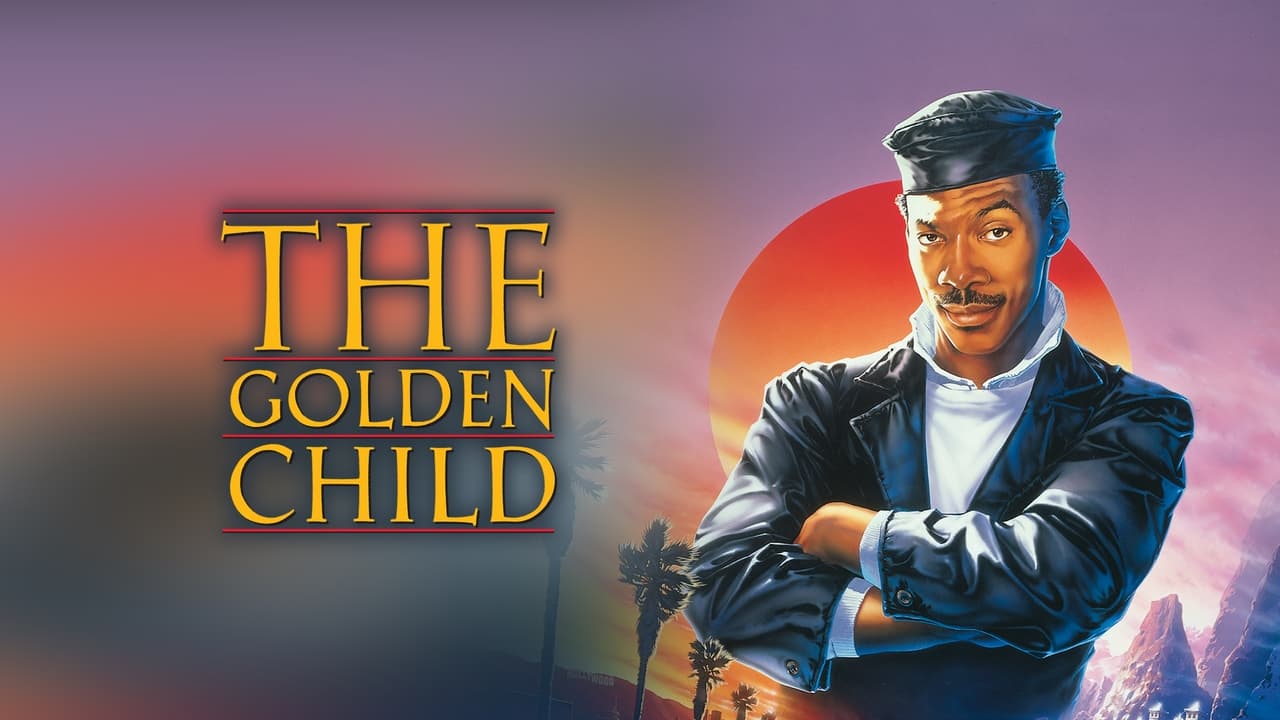
I rewatched this last Tuesday while eating a slightly stale bagel I found in the back of the pantry, and honestly, the film has the same energy: a bit dated, slightly confusing, but weirdly comforting if you’re in the right mood.
From Mel Gibson to Murphy’s Law
The most fascinating thing about The Golden Child is that it was never supposed to be an Eddie Murphy movie. The original script, titled The Tibet, was a gritty, serious supernatural thriller intended for John Carpenter to direct and Mel Gibson to star. When Gibson passed, the studio pivoted hard toward comedy, hiring Michael Ritchie (who directed the sharp Fletch) and letting Murphy loose on the dialogue.
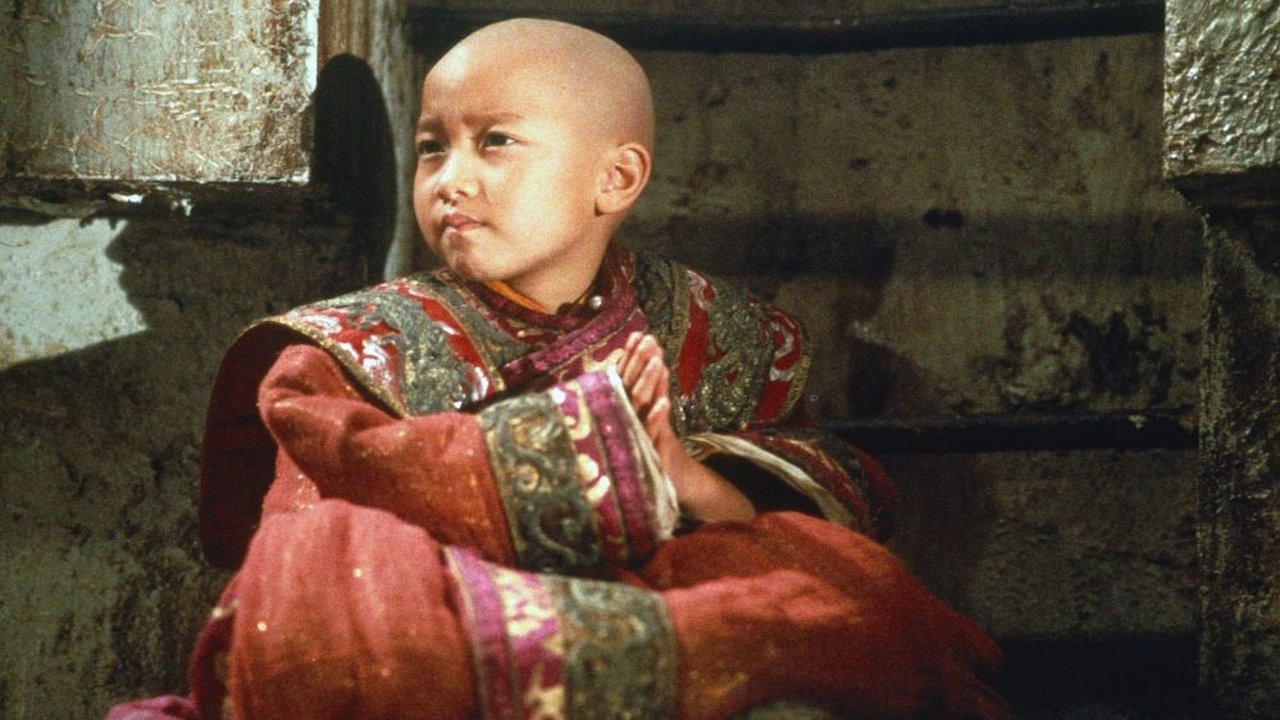
You can still see the "serious" movie underneath the quips. It’s a classic "Chosen One" narrative where social worker Chandler Jarrell (Murphy) is told by a beautiful priestess, Kee Nang (Charlotte Lewis), that he is the only one who can save a magical child (J.L. Reate) from an ancient evil. Murphy spends the entire movie acting like he’s in a completely different film than everyone else. While the villains are playing for Shakespearean stakes, Murphy is busy asking for his twenty dollars or trying to figure out how to navigate a mountain pass without getting his sneakers dirty. It’s a tonal car crash that somehow stays on the road.
Practical Demons and the ILM Touch
If you love the era of practical effects, this film is a goldmine. Because it was a massive production for its time, they brought in Industrial Light & Magic to handle the heavy lifting. We get some truly bizarre creature work here, specifically the transformation of the villainous Sardo Numspa—played with delightful, oily menace by Charles Dance—into a winged demon.
The stop-motion work feels like a final gasp of the pre-CGI era. There is a weight and a "crunchiness" to the effects that you just don't get with modern pixels. The final demon looks like a rejected animatronic from a Meat Loaf music video, and I mean that as a high compliment. There’s also the infamous "Dancing Pepsi Can" sequence, which was a showcase for the nascent art of motion-control photography. It’s completely unnecessary to the plot, but it’s the kind of practical flex that made 80s blockbusters feel tactile and expensive.
The action choreography is handled by the legendary Peter Kwong and features the late, great Victor Wong Chi-Keung as the Old Man. Wong was the king of the "eccentric mystical mentor" trope (see also: Big Trouble in Little China), and his chemistry with Murphy provides some of the movie's best laughs. They represent the two halves of the film: the ancient, dusty world of myth versus the fast-talking, cynical streets of Los Angeles.
The VHS Cult of the "I Want the Knife"
For a certain generation, The Golden Child exists primarily as a series of quotable moments discovered on a worn-out rental tape. The "I want the knife... pleeeeease" scene is burned into the collective consciousness of anyone who grew up with a CRT television. It’s Eddie Murphy at his improvisational peak, turning a high-stakes ritual into a comedy routine.
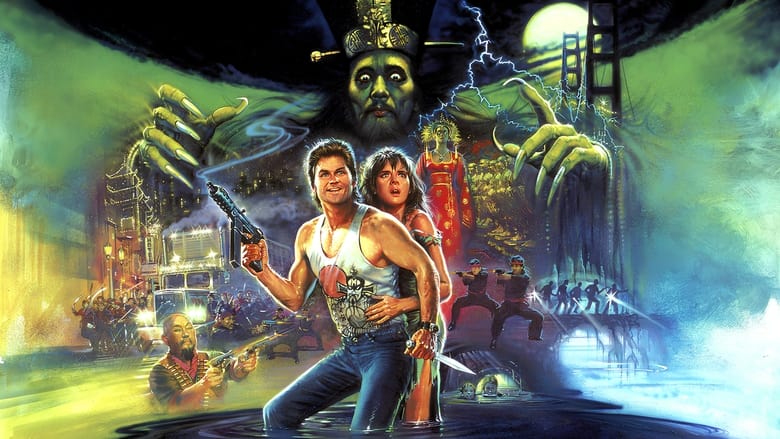
However, the film struggled to find its identity. It’s not quite scary enough to be a horror-fantasy (like John Carpenter’s Big Trouble in Little China, which was released the same year and did the genre mashup much better) and not quite funny enough to be a pure Murphy vehicle. The plot moves with the frantic energy of a man trying to finish a marathon before his parking meter expires, skipping over massive logic gaps in favor of the next set piece.

Despite the messy pacing, there’s a genuine charm to it. Charlotte Lewis does a lot of the heavy lifting as the straight-woman to Murphy’s antics, and her stunt work (including some impressive wire-work in the temple) is top-notch. And let's not overlook Randall "Tex" Cobb as the henchman Til; the man had a face made for 80s action cinema—rugged, intimidating, and perfectly suited for getting punched by a superstar.
The Golden Child is a fascinating relic of a time when studios were willing to gamble $25 million on a "search for the mystic child" plot just because they had the hottest comedian on the planet under contract. It’s uneven, the ending feels rushed, and the synth-heavy score by Michel Colombier (who replaced John Barry at the last minute) is aggressively 1986. But it’s also undeniably fun. It’s a movie that doesn't demand much of you other than to sit back and watch Eddie Murphy try to charm his way out of a literal apocalypse. If you find it in a bargain bin or on a late-night streaming deep-dive, grab your stale bagel and enjoy the ride.
It might not be the masterpiece the "Chosen One" prophecy predicted, but it’s a hell of a lot more entertaining than most of the polished, soul-less blockbusters we get today. Sometimes, a dancing soda can and a stop-motion demon are all you really need.
Keep Exploring...
-
Romancing the Stone
1984
-
The Jewel of the Nile
1985
-
Superman III
1983
-
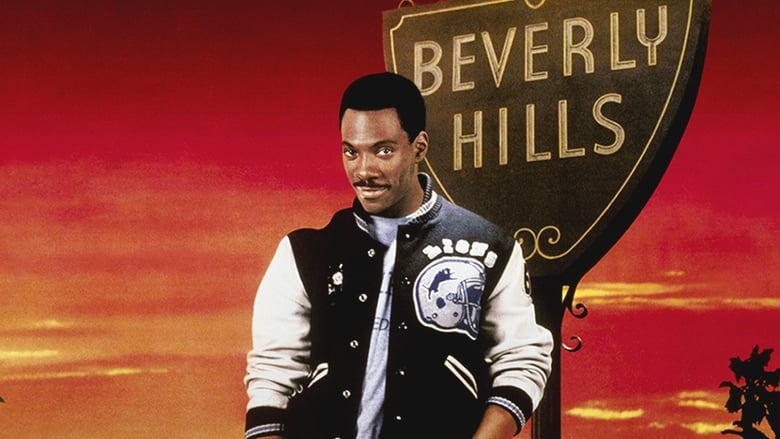
Beverly Hills Cop II
1987
-
Stripes
1981
-
48 Hrs.
1982
-
National Lampoon's European Vacation
1985
-

An American Tail
1986
-
Innerspace
1987
-
K-9
1989
-
Turner & Hooch
1989
-
Time Bandits
1981
-
Teenage Mutant Ninja Turtles II: The Secret of the Ooze
1991
-
Big Trouble in Little China
1986
-

Hudson Hawk
1991
-
Tango & Cash
1989
-
Batman
1966
-

Bill & Ted's Excellent Adventure
1989
-
Honey, I Shrunk the Kids
1989
-
Team America: World Police
2004