The Hitcher
"The road to hell is paved with good intentions."
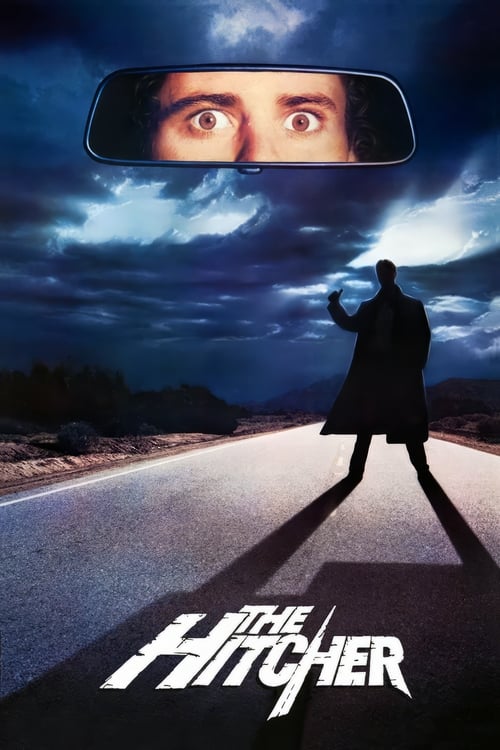
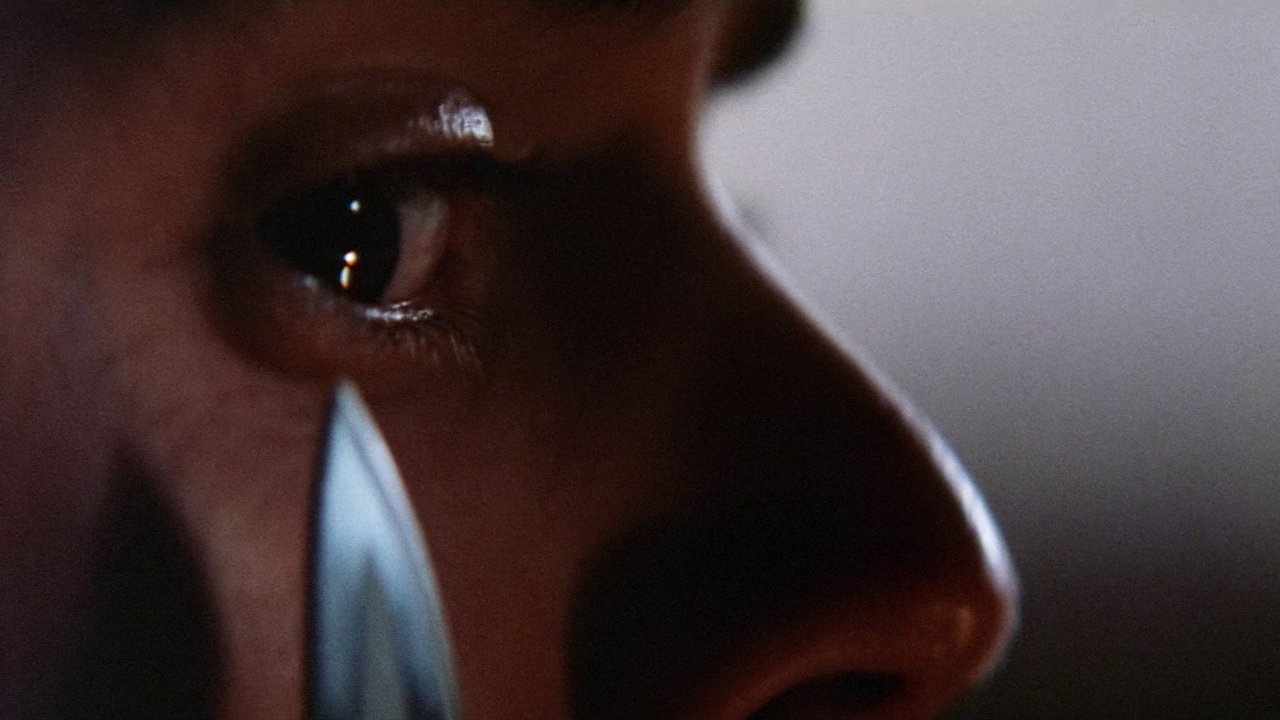
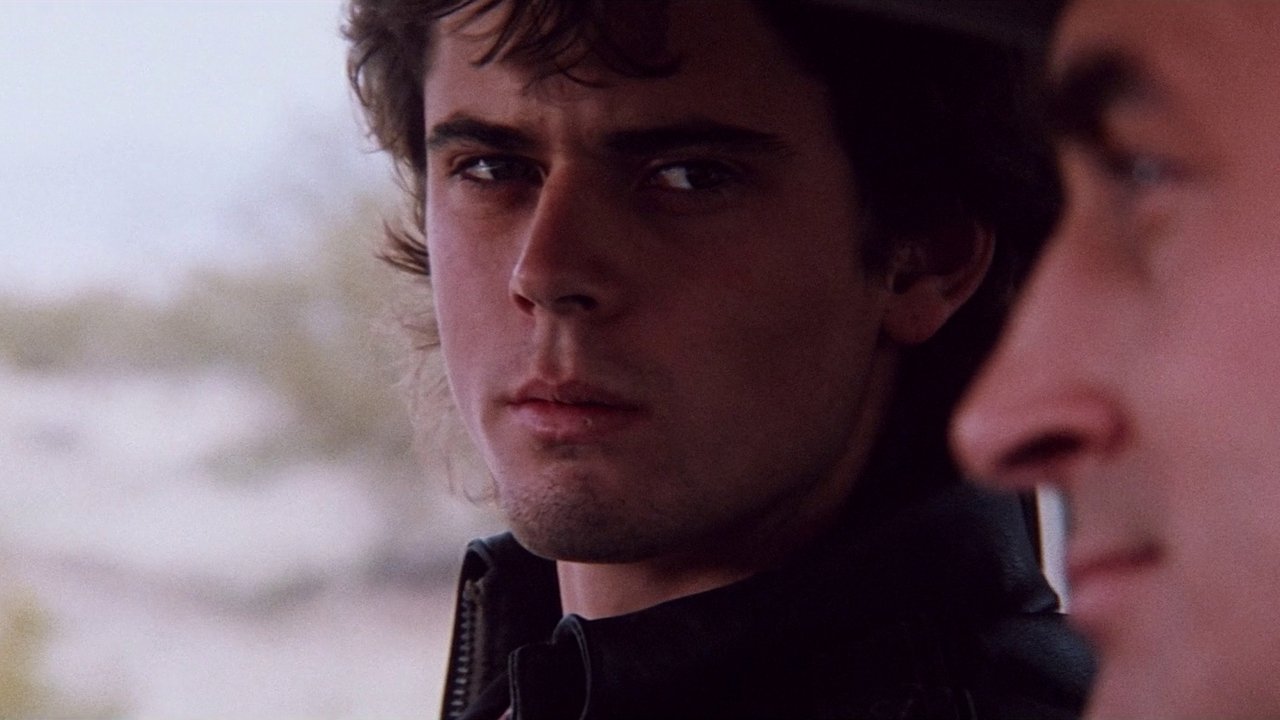
The rhythmic, hypnotic slap of windshield wipers against a rain-slicked windshield is a sound that usually lulls me into a trance. But every time I see C. Thomas Howell’s eyes fluttering in the opening minutes of The Hitcher, my stomach drops. I know what’s standing on the side of that desolate road. I know the mistake he’s about to make. And even after thirty viewings, I still want to scream at the screen for him to keep driving.
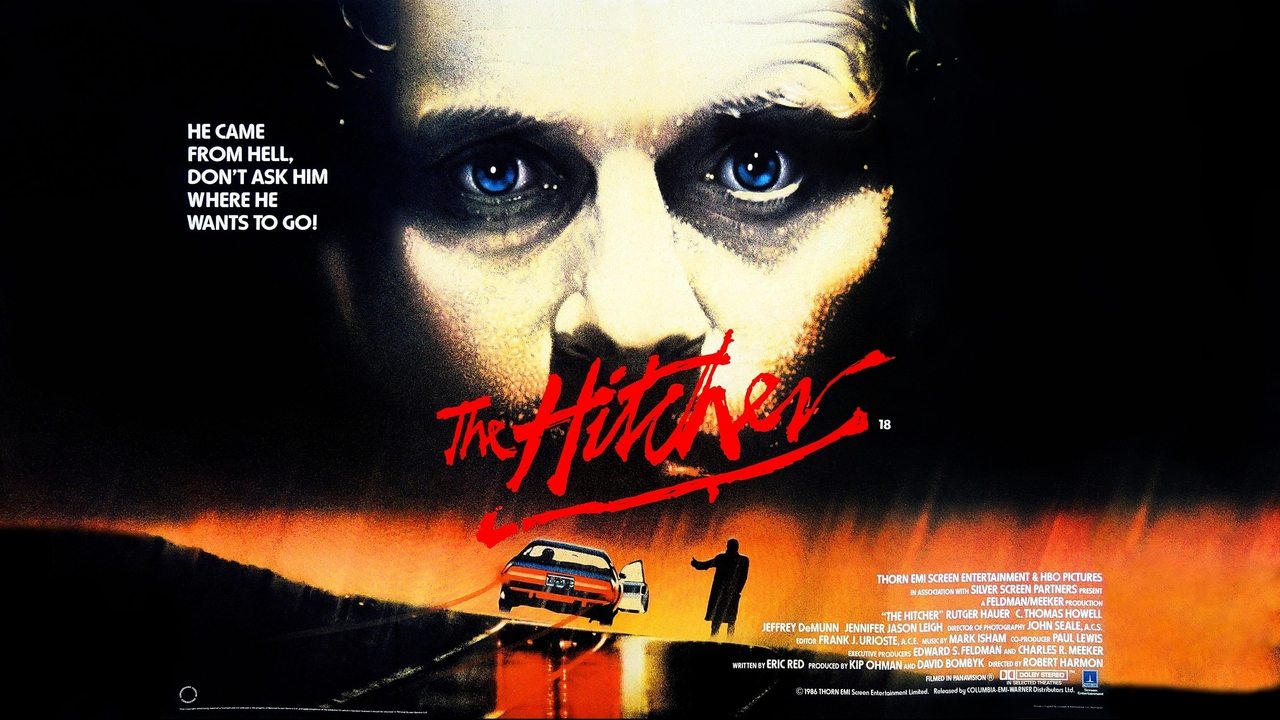
I recently rewatched this while my neighbor was power-washing his driveway—the constant, high-pitched hum of the water actually blended perfectly into the movie’s ambient drone, making the whole experience feel even more abrasive and sweaty. The Hitcher isn't just a thriller; it’s a ninety-minute anxiety attack captured on 35mm film.
The Face of Pure Malice
When people talk about the greatest screen villains, they usually gravitate toward the ones with masks or elaborate backstories. Rutger Hauer (the poetic replicant from Blade Runner) doesn't need any of that. As John Ryder, he is a ghost in a trench coat, a man who seems to have been birthed by the asphalt itself. There is no motive. There is no "he was bullied in high school" flashback. He simply is.
Hauer plays Ryder with a terrifying, playful intimacy. He doesn't just want to kill young Jim Halsey (C. Thomas Howell); he wants to bond with him through trauma. The way he whispers, "You're a smart kid... figure it out," makes my skin crawl. It’s a performance of pure stillness and icy blue eyes. Most 80s slashers were about the "jump," but Hauer understands that the real horror is the "stare." He turned what could have been a generic boogeyman into an existential nightmare that makes Freddy Krueger look like a Saturday morning cartoon character.
A Desert Painted in Dread
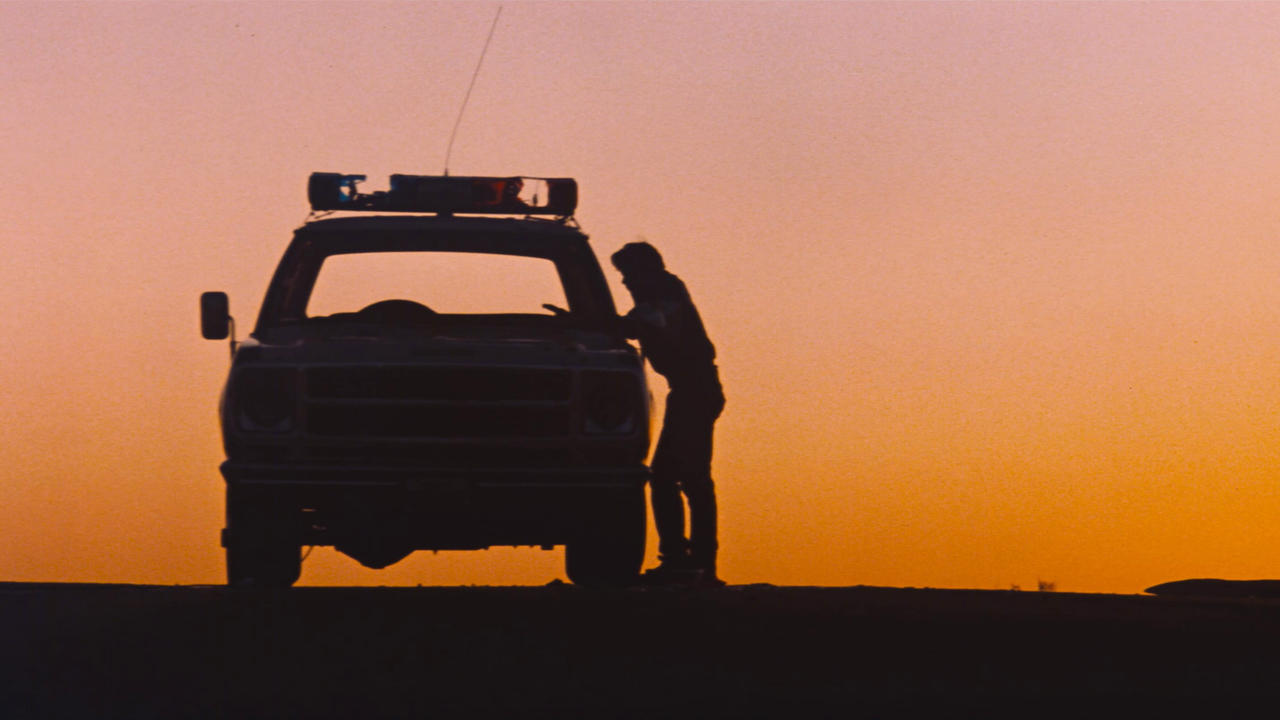
While the script by Eric Red (who also penned the vampire classic Near Dark) is lean and mean, the secret weapon here is cinematographer John Seale. Before he was capturing the orange-and-teal chaos of Mad Max: Fury Road, he was turning the American Southwest into a haunting, desolate purgatory.
There’s a specific texture to this film that you just don't get anymore. It’s the dust, the heat haze, and the way the shadows stretch across the road like long, grasping fingers. Robert Harmon’s direction treats the desert not as a setting, but as an accomplice. Jim is trapped in an infinite open space, which is far more terrifying than being trapped in a closet.
The practical stunts are also a masterclass in pre-CGI wreckage. When a car flips or a gas station explodes in this movie, you feel the weight of the metal and the heat of the fire. The infamous "truck" scene—the one involving a trailer and a very unfortunate Jennifer Jason Leigh—remains one of the most gut-wrenching sequences in cinema history precisely because of how little it shows and how much it suggests. It’s a moment of pure, cruel tension that felt like a middle finger to the "fun" horror of the mid-80s.
The VHS Savior
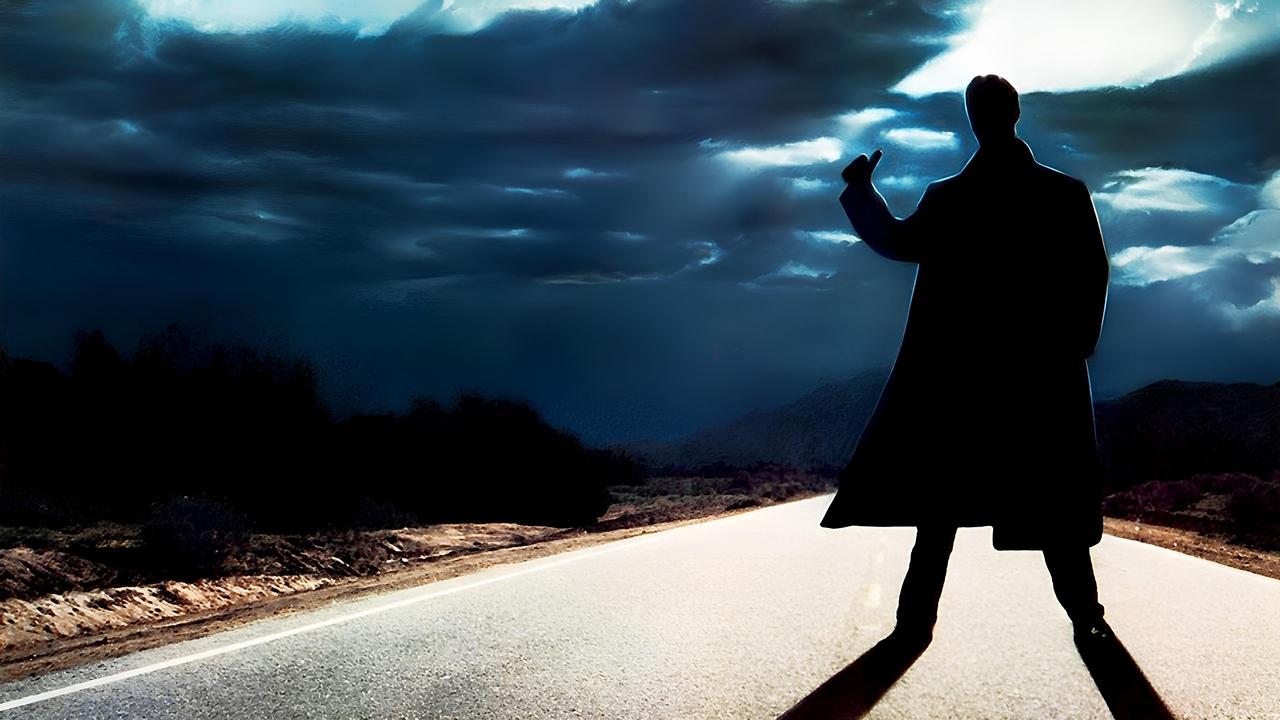
If you caught The Hitcher in a theater in 1986, you were in the minority. It was a box-office disappointment, partially because critics at the time (including Roger Ebert) found it too nihilistic and "reprehensible." But the 1980s were the Wild West of the video store, and The Hitcher was born to live on a magnetic tape with a slightly tracking-glitched bottom edge.
I remember seeing that iconic cover art—Hauer’s face shrouded in shadow, the headlights of a car peeking through—staring at me from the "Horror/Thriller" shelf. It was the kind of movie you rented because the box looked "dangerous." It became a cult legend through word-of-mouth and repeated viewings on CRT televisions, where the grainy darkness of the night scenes felt even more claustrophobic. This film is the ultimate proof that critics are occasionally completely wrong about a movie’s soul.
What separates The Hitcher from the pack is its bizarre, almost romantic subtext. It’s a twisted "passing of the torch" story. Ryder isn't just hunting Jim; he’s grooming him. He wants Jim to become the only person capable of stopping him. It’s a dark, psychological chess match played at 80 miles per hour, and it ends with a final shot that feels like a punch to the solar plexus.
The Hitcher is a lean, mean, and surprisingly beautiful piece of 80s genre filmmaking that refuses to play by the rules. It lacks the camp of its contemporaries, opting instead for a cold, relentless dread that stays with you long after the credits roll. If you’ve never seen it, do yourself a favor: lock the doors, turn off the lights, and whatever you do—don't pick up any strangers. This is high-octane nightmare fuel at its absolute finest.
Keep Exploring...
-
Red Dawn
1984
-

Cujo
1983
-
The Dead Zone
1983
-
Star Trek III: The Search for Spock
1984
-

Midnight Run
1988
-

Road House
1989
-

The 'Burbs
1989
-
Turner & Hooch
1989
-
Friday the 13th Part 2
1981
-
Friday the 13th: The Final Chapter
1984
-
Friday the 13th Part VI: Jason Lives
1986
-
Manhunter
1986
-
Dead Ringers
1988
-
Sudden Impact
1983
-
Bullitt
1968
-
Marathon Man
1976
-
Dressed to Kill
1980
-
The Killer
1989
-
First Blood
1982
-

Star Trek II: The Wrath of Khan
1982