The Karate Kid Part II
"Honor isn't won in a tournament; it’s survived in the streets."
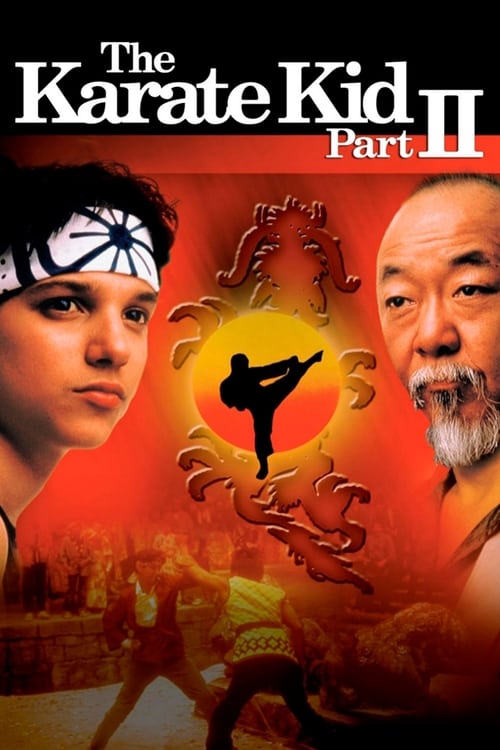
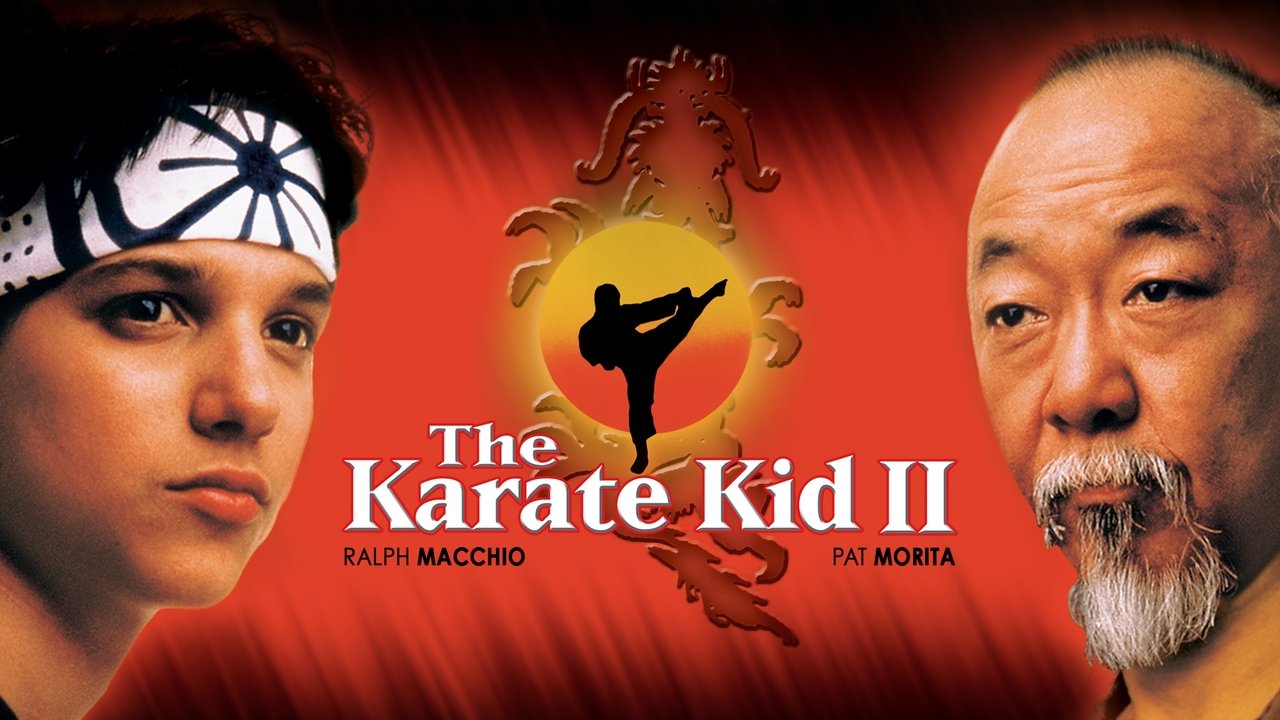
If you walked into a theater in the summer of 1986 expecting another All-Valley Karate Tournament, director John G. Avildsen had a jarring surprise waiting in the opening minutes. Instead of a gymnasium and a trophy, we get a brutal parking lot confrontation where the "heroic" Sensei John Kreese (Martin Kove) tries to murder his own students. It’s a sharp pivot that signals exactly what The Karate Kid Part II is: a high-stakes expansion that realizes the only way to top a sports movie is to turn it into a life-and-death adventure.
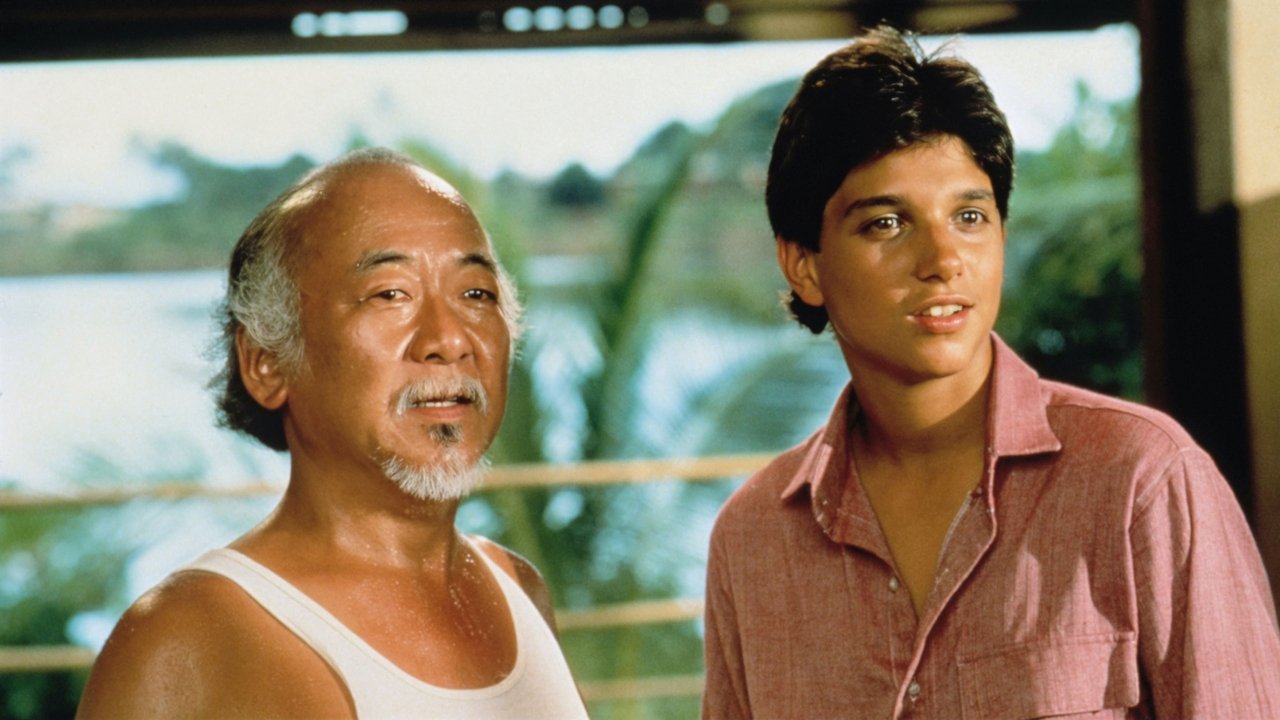
I recently revisited this one on a rainy Tuesday while nursing a slightly cold cup of peppermint tea that I’d forgotten about for forty minutes, and I was struck by how much more "adult" this sequel feels than the original. It’s less about the "crane kick" and more about the cultural ghosts that haunt Mr. Miyagi.
From the Valley to the Village
While the first film was a quintessential 80s underdog story set against the backdrop of Los Angeles strip malls, the sequel immediately goes global. We follow Daniel LaRusso (Ralph Macchio) and Mr. Miyagi (Pat Morita) to Okinawa. The stakes aren't just about high school bullying anymore; they’re about ancient blood feuds, land rights, and a forty-year-old grudge involving a woman named Yukie (Nobu McCarthy).
Pat Morita is the undisputed soul of this movie. Fresh off an Oscar nomination for the first film, he brings a weary, dignified grace to Miyagi that elevates the material above standard action fare. Seeing him confront his former best friend, Sato (Danny Kamekona), adds a layer of tragic weight. We realize that Miyagi’s "peace" wasn't just a philosophy; it was a sanctuary he built to escape a life of violence. Ralph Macchio, meanwhile, does what he does best: playing the wide-eyed, slightly impulsive kid who finds himself way over his head.
The Art of the Grudge
Action sequels in the mid-80s were essentially a "go big or go home" proposition. The Karate Kid Part II leans into the era’s love for high-stakes rivalries, but it trades the spandex and hairspray of the Valley for the weathered docks and storm-swept ruins of Okinawa. The villain this time isn't a rich kid in a red jacket; it’s Chozen (Yuji Okumoto), Sato's nephew.
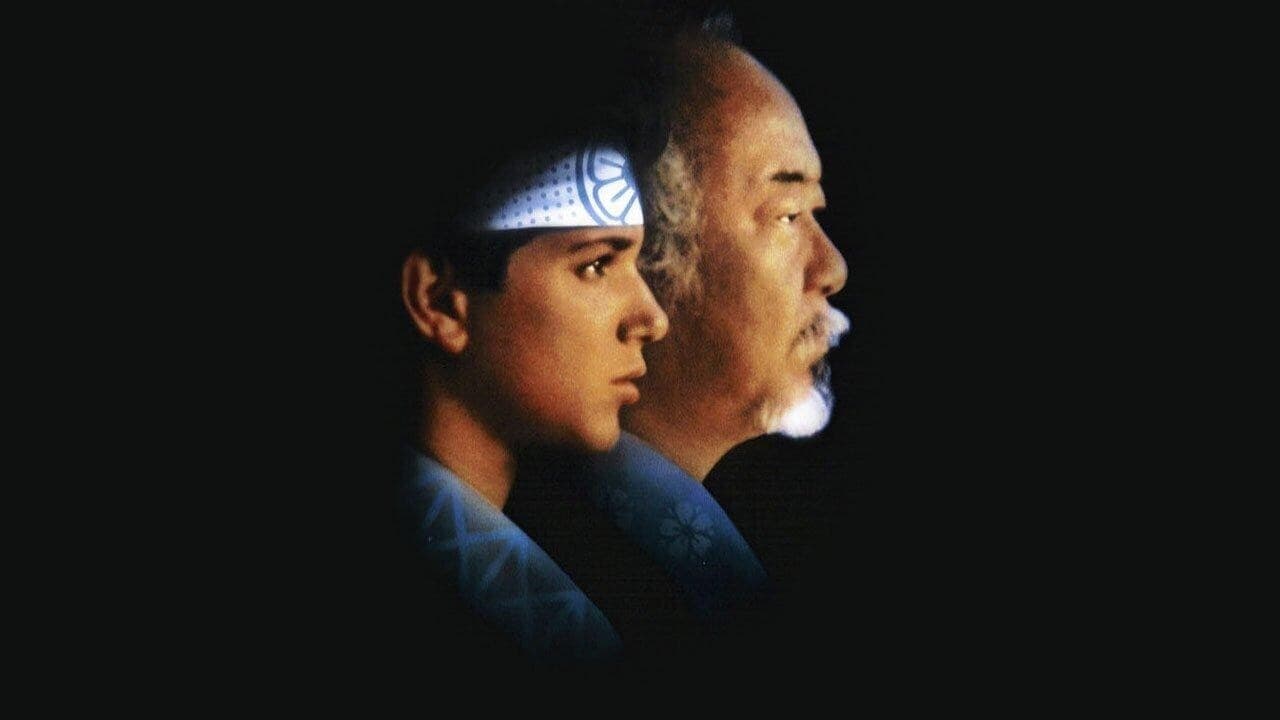
Yuji Okumoto is legitimately terrifying here. Unlike Johnny Lawrence, who was ultimately just a kid with bad influences, Chozen is a sociopath who is genuinely looking for a body count. The final fight—set during a village festival amidst a literal typhoon—is a masterclass in atmospheric action. There are no referees, no mats, and no "points." It’s a gritty, rain-slicked brawl that makes the first film’s finale look like a sparring session at a YMCA.
The choreography reflects this shift. The movements are more deliberate, focusing on the "drum technique"—a defensive-to-offensive pivot that, while arguably a bit gimmicky, feels rooted in the film’s preoccupation with Okinawan history. I remember trying to replicate that drum move with a pair of pencils and a rubber band in my kitchen; it didn't go well, but the film makes you believe in its power.
A Blockbuster with a Heart (and a Hit Song)
Financially, this movie was a monster. It didn't just match the original; it out-earned it, raking in over $115 million (about $320 million today). It was the film that proved The Karate Kid was a franchise, not a fluke. It also gave us Peter Cetera’s "Glory of Love," a power ballad so ubiquitous in 1986 that you couldn't buy a loaf of bread without hearing it.
What’s fascinating about the production is that "Okinawa" was actually filmed in Oahu, Hawaii. The production team built an entire Okinawan village, including seven authentic houses and over four acres of crops. That tactile reality—the mud, the real wind, the actual structures—gives the film a "Big Movie" feel that CGI-heavy modern sequels often lack. You can feel the humidity on screen. The practical destruction of the village during the storm sequence is a reminder of why 80s filmmaking feels so substantial.
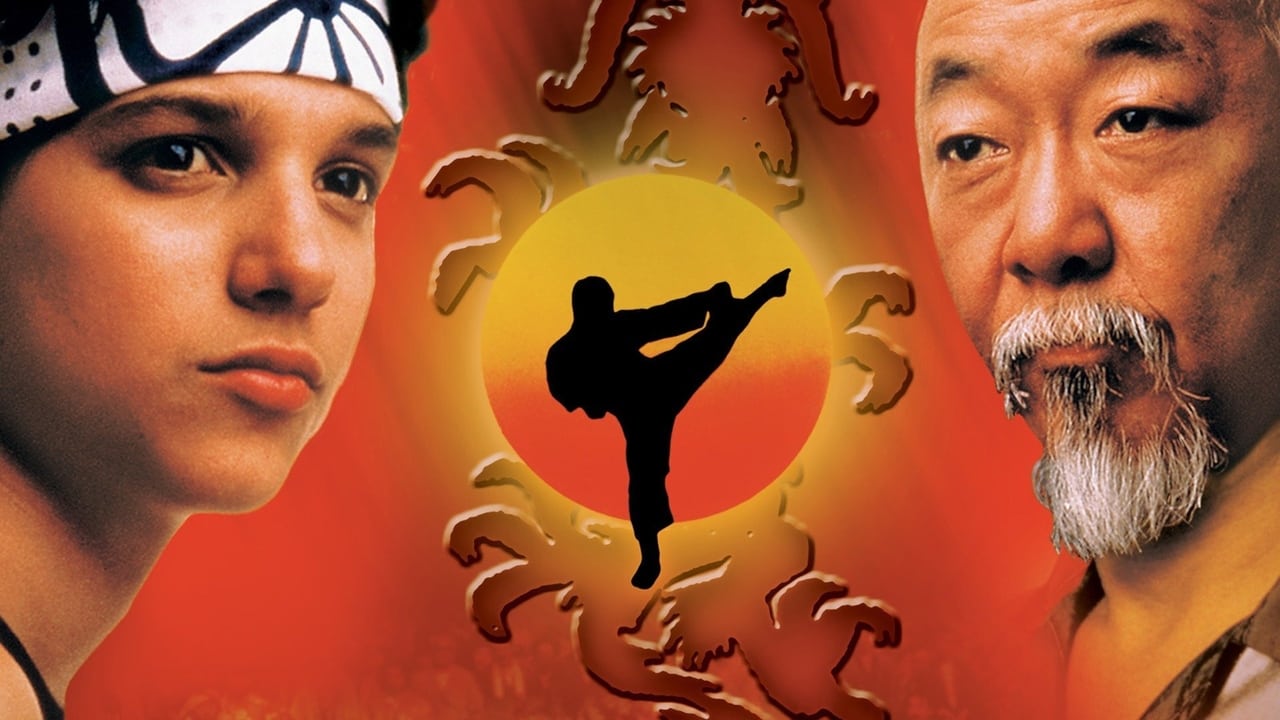
The romance between Daniel and Kumiko (Tamlyn Tomita) is sweet, if a bit underdeveloped compared to the Daniel/Ali dynamic from the first film, but it serves its purpose: giving Daniel something to protect in a land where he has no legal standing and no backup.
The Karate Kid Part II succeeds because it refuses to just repeat the tournament formula. It’s a deeper, darker, and more atmospheric film that honors the character of Mr. Miyagi by finally putting him in the driver's seat. While it loses some of the "hangout" charm of the first movie’s training montages, it gains a sense of operatic scale that makes the final confrontation feel truly earned.
It’s a classic example of a "transitional" sequel—the kind that takes a simple premise and builds a world around it. Watching it today, the practical effects and the sincerity of the performances still cut through the 80s cheese. It’s a film about the price of honor, and it pays that price with interest.
Keep Exploring...
-
The Karate Kid
1984
-
The Karate Kid Part III
1989
-
The Karate Kid
2010
-

Karate Kid: Legends
2025
-
The Fox and the Hound
1981
-
Romancing the Stone
1984
-
The Jewel of the Nile
1985
-

An American Tail
1986
-
The NeverEnding Story
1984
-
Maleficent
2014
-
An Officer and a Gentleman
1982
-

Flashdance
1983
-
Indiana Jones and the Temple of Doom
1984
-
Out of Africa
1985
-
Rambo: First Blood Part II
1985
-
Witness
1985
-

Top Gun
1986
-
Dirty Dancing
1987
-

Fatal Attraction
1987
-
Moonstruck
1987