The Name of the Rose
"In a house of God, the greatest sin is the truth."
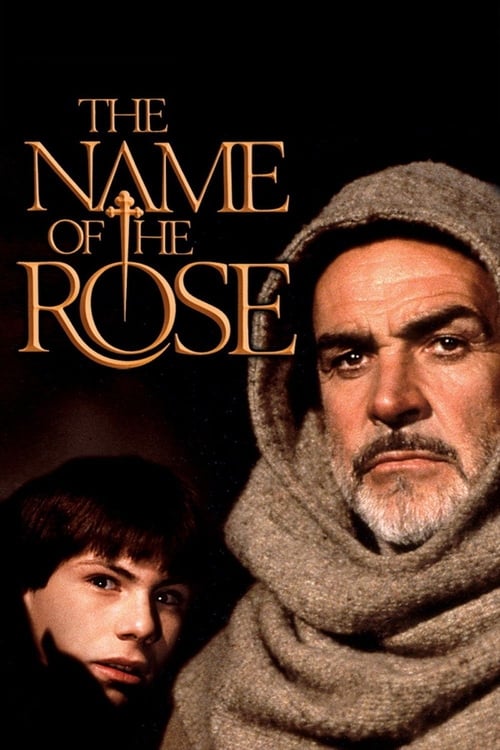
The 14th century was a miserable, muddy, and intellectually suffocating time to be alive, and no film captures that specific brand of claustrophobia quite like Jean-Jacques Annaud’s 1986 adaptation of The Name of the Rose. While most medieval epics of the era were busy polishing suits of armor and romanticizing the Crusades, Annaud decided to lean into the filth. I watched this recently on a Tuesday evening while eating a bowl of steel-cut oatmeal that, in the flickering light of my living room, looked uncomfortably similar to the grey gruel the monks slurped in the film’s refectory. It didn’t ruin my appetite, but it certainly set the mood.

Sherlock in a Cassock
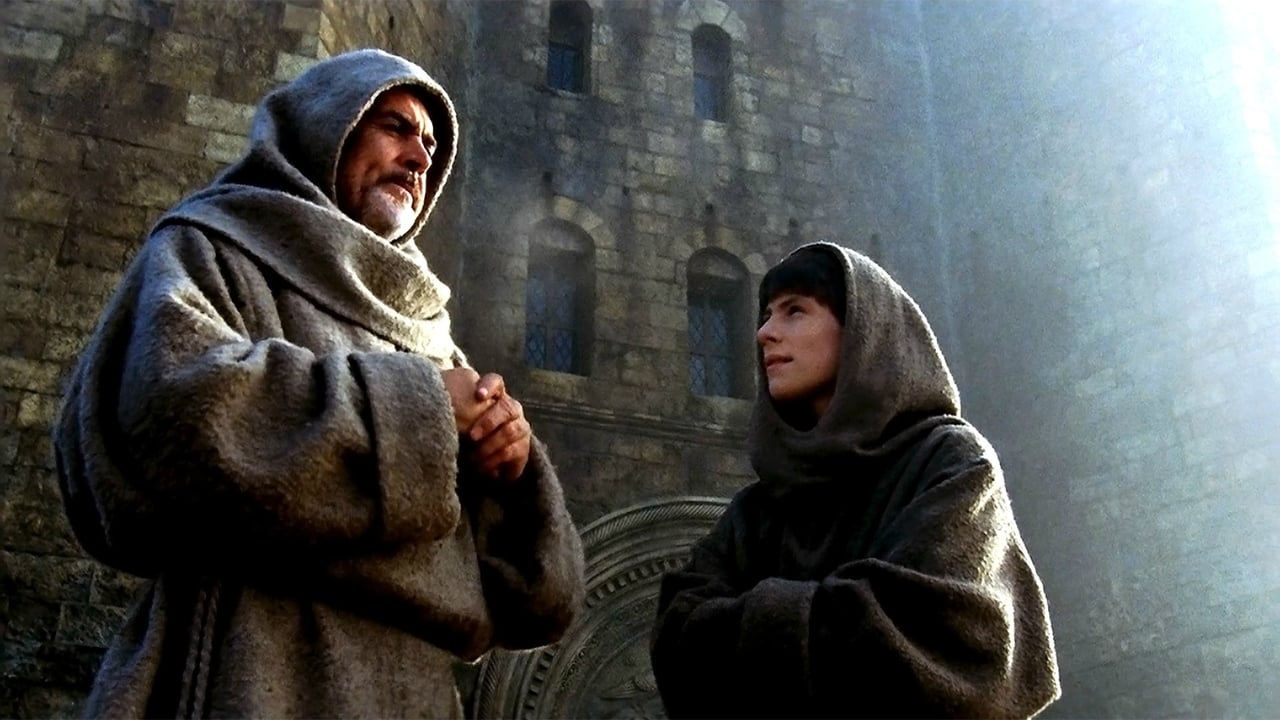
At its heart, this is a procedural mystery wrapped in a monk’s cowl. Sean Connery plays William of Baskerville—a name that isn't-so-subtly nodding to Arthur Conan Doyle—a Franciscan friar who arrives at a remote Italian abbey to participate in a high-stakes theological debate. However, the monks are dropping like flies, tumbling from towers or drowning in vats of pig blood. The local authorities are quick to blame the Devil, but William, armed with a primitive pair of spectacles and a dangerous reliance on logic, suspects a much more human hand.
Sean Connery’s performance here is a revelation, especially considering that in 1986, his career was in a bit of a slump. Columbia Pictures actually pulled out of the project because they thought he was "washed up." They were wrong. Connery brings a weary, sharp-witted gravitas to William that makes you forget he was ever 007. Beside him is a very young Christian Slater as Adso, the novice who serves as our eyes and ears. While Slater’s hair is the only thing in this film that feels suspiciously like it belongs in a 1980s shopping mall, he handles the "loss of innocence" arc with a sincerity that anchors the movie’s darker moments.
The Aesthetic of Rot
What really separates The Name of the Rose from the pack is its commitment to the "grotesque." Director Jean-Jacques Annaud (who previously explored primitive life in Quest for Fire) famously spent months scouring Europe for actors with the most "interesting" (read: weathered, crooked, and bizarre) faces. The monks in this film don’t look like Hollywood actors; they look like they were pulled directly from the margins of a medieval manuscript.
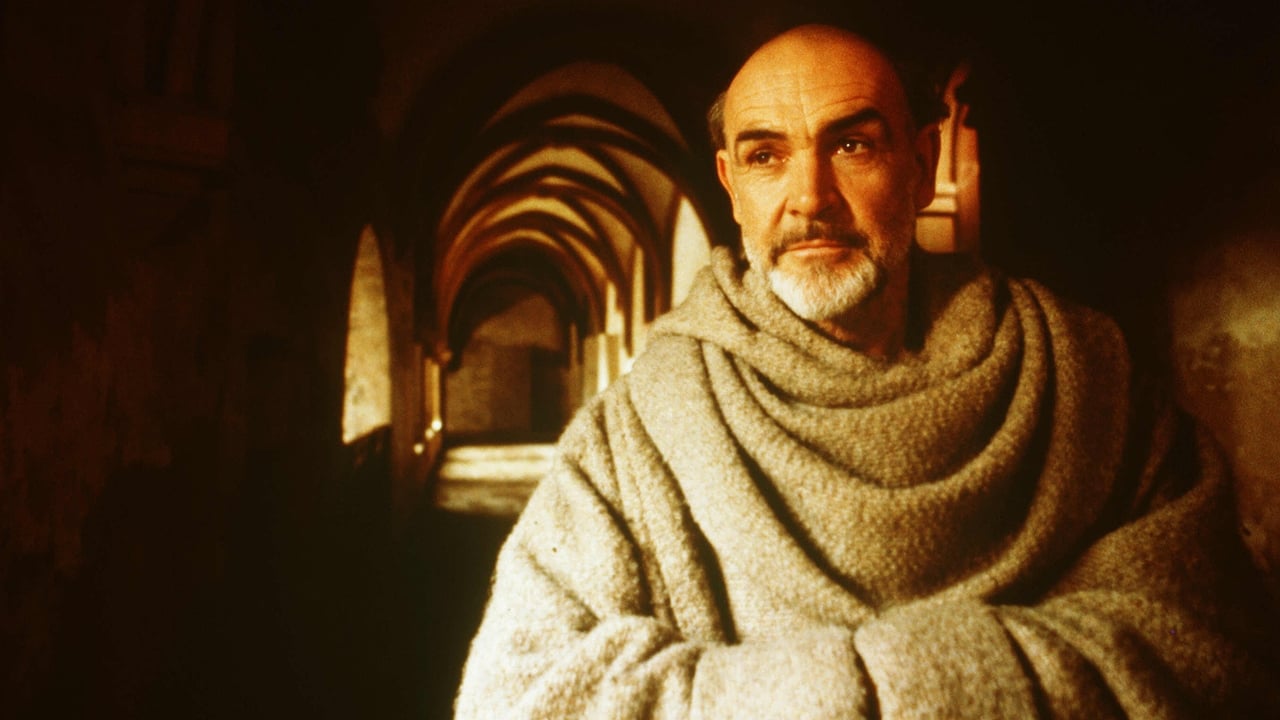
The production design is a practical effects marvel. The monastery wasn't a real abbey but a massive, full-scale exterior build in Rome, which allowed the camera to move through the slush and stone with a sense of genuine scale. Then there’s the library—a dizzying, M.C. Escher-inspired labyrinth of forbidden books. On a grainy VHS tape, these scenes were almost terrifyingly dark, the kind of darkness that felt like it was swallowing your TV screen. The score by James Horner eschews his typical sweeping orchestrations for something much more discordant and eerie, utilizing synthesizers and bell-tolls that sound like a funeral march for the Enlightenment.
The VHS Shelf and Cult Rebirth
The film was a massive hit in Europe but largely ignored in the States during its theatrical run. It found its true congregation in the local video rental stores of the late 80s. I recall the box art being a staple of the "Drama/Thriller" section: a looming, hooded figure and the promise of a "who-done-it" that was significantly more cerebral than the slashers on the neighboring shelves. It became a cult classic for people who wanted their mysteries served with a side of existential dread and historical texture.
The conflict between William and the Inquisitor Bernardo Gui—played with a terrifying, quiet malice by F. Murray Abraham—elevates the film from a mere murder mystery to a battle for the human soul. F. Murray Abraham plays every villain like he’s personally offended by the protagonist’s existence, and his confrontation with Connery is the film’s intellectual peak. It’s a reminder that back then, movies weren't afraid to let characters talk for ten minutes about the "laughter of Christ" if it meant raising the stakes of the plot.
Stuff You Didn't Notice
Connery’s casting was a battle: Annaud had to fight the studio to cast him. After the film became a massive success in Europe, Connery’s career skyrocketed again, leading directly to his Oscar-winning turn in The Untouchables. The "Faces" of the Monastery: Annaud auditioned over 3,000 monks to find the right "look." He wanted faces that told a story of hardship and religious obsession. A young star's debut: This was Christian Slater’s first major film role. He later admitted he was intimidated by Connery, which actually helped his performance as the wide-eyed novice. The Library was a set: Despite looking like a centuries-old stone structure, the library interiors were built in the famous Cinecittà Studios in Rome. It remains one of the most impressive practical sets of the decade. * Umberto Eco's Take: The author of the original novel was famously protective of his work, but he reportedly told Annaud that a book and a film are "two different things," giving the director his blessing to change the ending.
The Name of the Rose is a rare breed of film: a high-concept intellectual thriller that doesn't mind getting its fingernails dirty. It’s a movie about the power of books, the danger of dogma, and the simple, human need to know "why." It doesn't offer easy comfort, and the ending leaves you with a lingering sense of melancholy rather than a triumphant cheer. But if you’re looking for a mystery that treats your brain like an adult and your eyes to some of the best production design of the 80s, this is a library worth getting lost in.

Keep Exploring...
-
The Tenant
1976
-
Mississippi Burning
1988
-
Blue Velvet
1986
-
Chinatown
1974
-
All the President's Men
1976
-
Bloodsport
1988
-
Enemy at the Gates
2001
-
Blow-Up
1966
-
In the Heat of the Night
1967
-
Murder on the Orient Express
1974
-
Escape from Alcatraz
1979
-

Repulsion
1965
-
Blow Out
1981
-
Blade Runner
1982
-
WarGames
1983
-
Clue
1985
-
Witness
1985
-
Lost Highway
1997
-
Lucky Number Slevin
2006
-
The Skin I Live In
2011