¡Three Amigos!
"They’re not just actors; they’re a disaster."
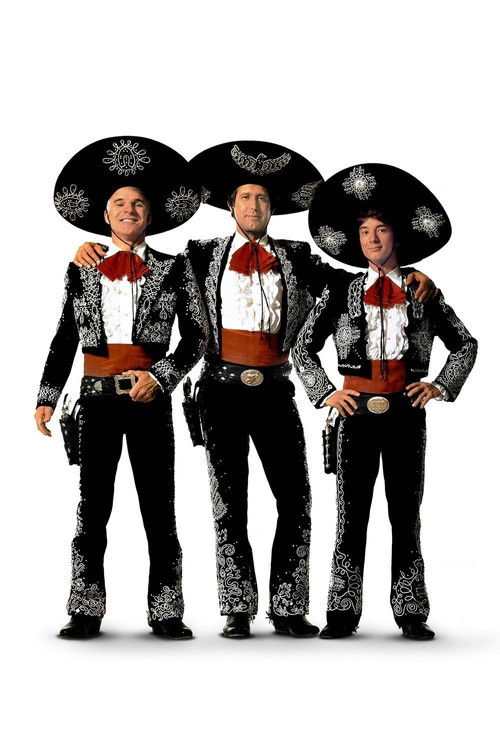
I remember the first time I saw the Orion Pictures logo fade into that sepia-toned silent film footage of the "Three Amigos." I was sitting on a shag carpet that hadn't been vacuumed since the bicentennial, wearing a sweatshirt with a giant, dried Yoo-hoo stain on the sleeve, and I was absolutely certain I was about to watch the greatest Western ever made. In a way, I wasn't wrong.
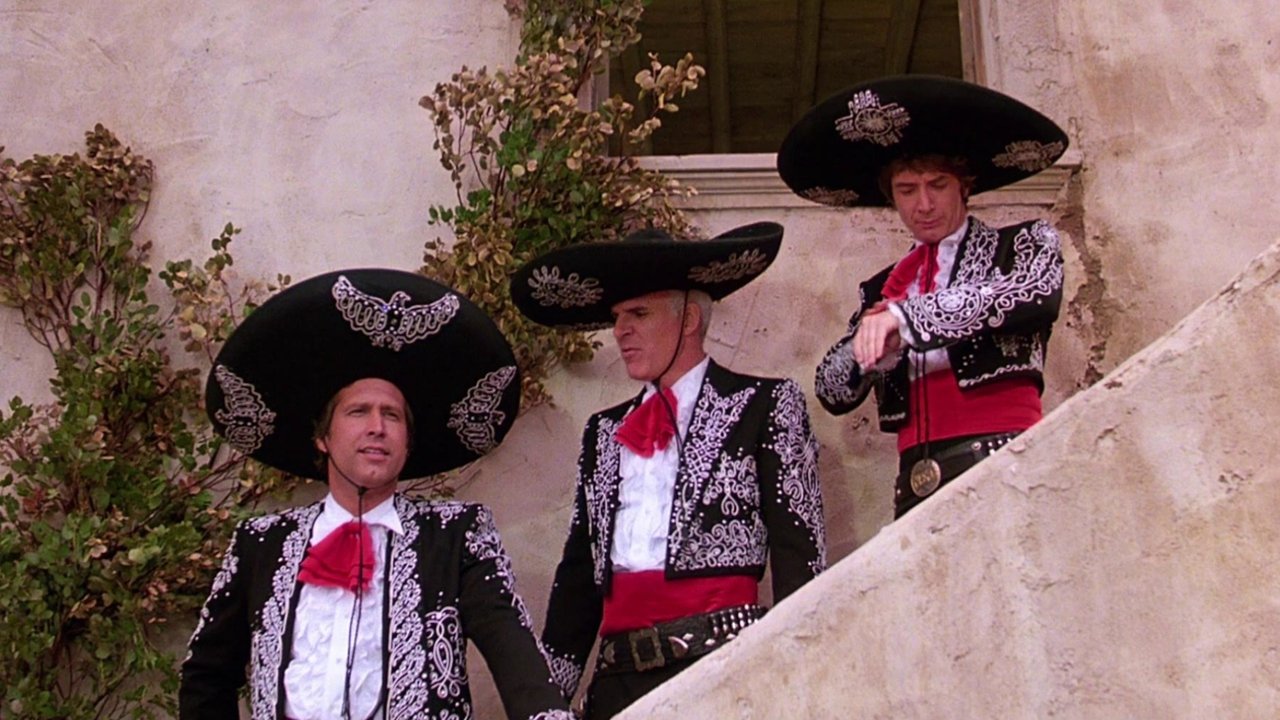
¡Three Amigos! is often dismissed as a lightweight "SNL-alum" vehicle, but rewatching it now through the lens of a cinema lover, it’s a fascinating pivot point in the 1980s comedy landscape. It arrived in 1986, a year where the high-concept comedy was king, but this film had something different: a weird, theatrical heart. Directed by John Landis (of The Blues Brothers and An American Werewolf in London fame) and co-written by Steve Martin and Lorne Michaels, it’s a movie that’s as much about the desperation of the "theatre kid" as it is about Mexican banditos.
The Tragedy of the Unemployed Ego
While the movie is fundamentally a spoof of The Magnificent Seven, the "drama" here—if we’re being honest with ourselves—is the psychological collapse of its leads. We meet Lucky Day (Steve Martin), Dusty Bottoms (Chevy Chase), and Ned Nederlander (Martin Short) at the absolute nadir of their careers. They’ve been fired from their studio, their costumes are their only possessions, and they are so blinded by their own vanity that they mistake a genuine plea for help from a terrorized village for a high-paying gig.
There is a genuine, underlying pathos to Martin Short’s performance as Ned. This was Short’s big-screen debut, and he plays Ned with an earnestness that feels almost fragile. When he realizes that the "bullets" El Guapo is firing are actually made of lead and not squibs, the look of sheer, existential terror on his face is arguably the most "dramatic" moment in 1980s comedy. He’s not just scared of dying; he’s devastated that the world isn't a movie set. The "Amigo Salute" is less a comedy bit and more a desperate ritual to summon courage they don't actually possess.
Steve Martin anchors the trio with a rigid, almost psychotic optimism. As Lucky Day, he’s the architect of their delusion. Martin’s performance is a masterclass in "the confident idiot," a archetype he’d been perfecting since his stand-up days. Opposite him, Chevy Chase provides the perfect counterweight. Chase is often criticized for "playing himself," but as Dusty Bottoms, his detached, dry delivery is the only thing keeping the movie from floating away into total whimsy. He’s the guy who stays cool because he’s too dim to realize the stove is on.
The Singing Bush and the Magic of Matte Paintings
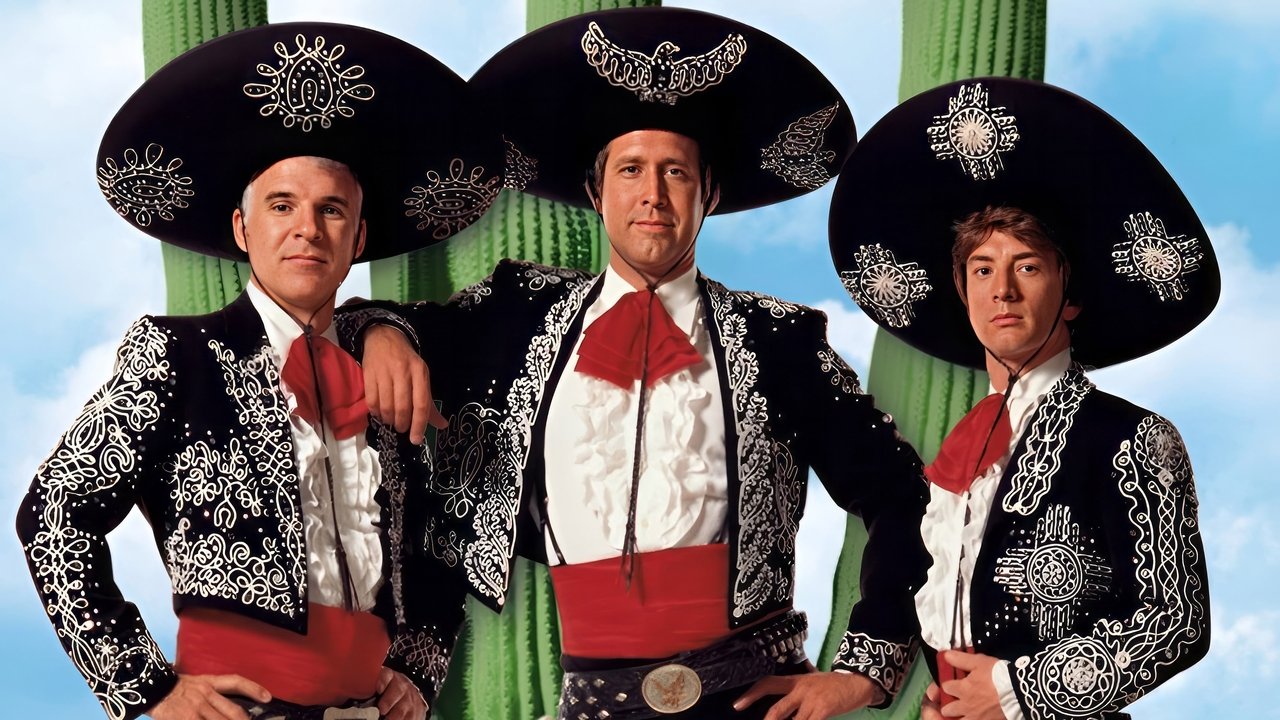
One of the reasons ¡Three Amigos! has survived the cull of "forgotten 80s comedies" is its sheer craft. This was the Golden Age of practical filmmaking, and John Landis leaned into the artifice. The film doesn't try to look like a gritty Peckinpah Western; it looks like a lush, Technicolor dream of a Western.
The cinematography by Ronald W. Browne captures the desert with a vibrant, postcard-like quality, but it’s the "Singing Bush" sequence that remains a hallmark of the era’s creativity. Between the animatronic bush and the "Invisible Swordsman," the film embraces a sense of theatrical play that CGI simply cannot replicate. There’s a texture to the costumes—those heavy, intricate charro suits—that makes the physical comedy work. When they fall, they fall heavy.
Then there’s the score by the legendary Elmer Bernstein. Bernstein, who literally wrote the book on Western music with The Magnificent Seven, treats the film with total sincerity. He doesn't write a "funny" score; he writes a sweeping, heroic one. This creates a brilliant friction: the music tells us we’re watching legends, while the screen tells us we’re watching three morons in sequins accidentally killing a turtle. It’s a comedy that respects its genre enough to actually look like a movie.
The Video Store Holy Grail
For a lot of us, ¡Three Amigos! wasn't a theatrical experience; it was a VHS discovery. I remember the box art at "Video Village"—the three of them standing back-to-back, looking far more heroic than they ever appear in the actual film. It was the kind of tape that was always slightly grainy during the "My Little Buttercup" scene because it had been rewound and replayed so many times by kids trying to memorize the dance.

The film's villain, El Guapo, played with magnificent charisma by Alfonso Arau (who would go on to direct Like Water for Chocolate), is a perfect example of how the movie balances its tones. He’s genuinely threatening, but his relationship with his right-hand man, Jefe (Tony Plana), provides some of the smartest dialogue in the script. Their discussion about what a "plethora" actually is remains one of the most quoted bits of 80s cinema for a reason. El Guapo is the only person in the movie who actually understands how the world works, and he's the bad guy.
Ultimately, ¡Three Amigos! works because it’s about the power of pretending. It’s a drama about three men who have to stop acting like heroes and actually become them—even if they’re still wearing the sequins when they do it. It’s a celebration of the "fake it ‘til you make it" philosophy, wrapped in a blanket of Elmer Bernstein brass and dusty Mexican landscapes.
If you haven't visited Santo Poco in a while, it's time to go back. ¡Three Amigos! is a rare bird: a high-budget studio comedy that feels incredibly personal and weirdly sweet. It’s a reminder of a time when movie stars were willing to look absolutely ridiculous in the name of a good sight gag, and when "practical effects" meant building a literal singing bush in the middle of a desert. Put on your best sombrero, grab a margarita (or a Yoo-hoo), and remember: wherever there is injustice, there is an Amigo. Even if he’s just looking for his lighting cue.
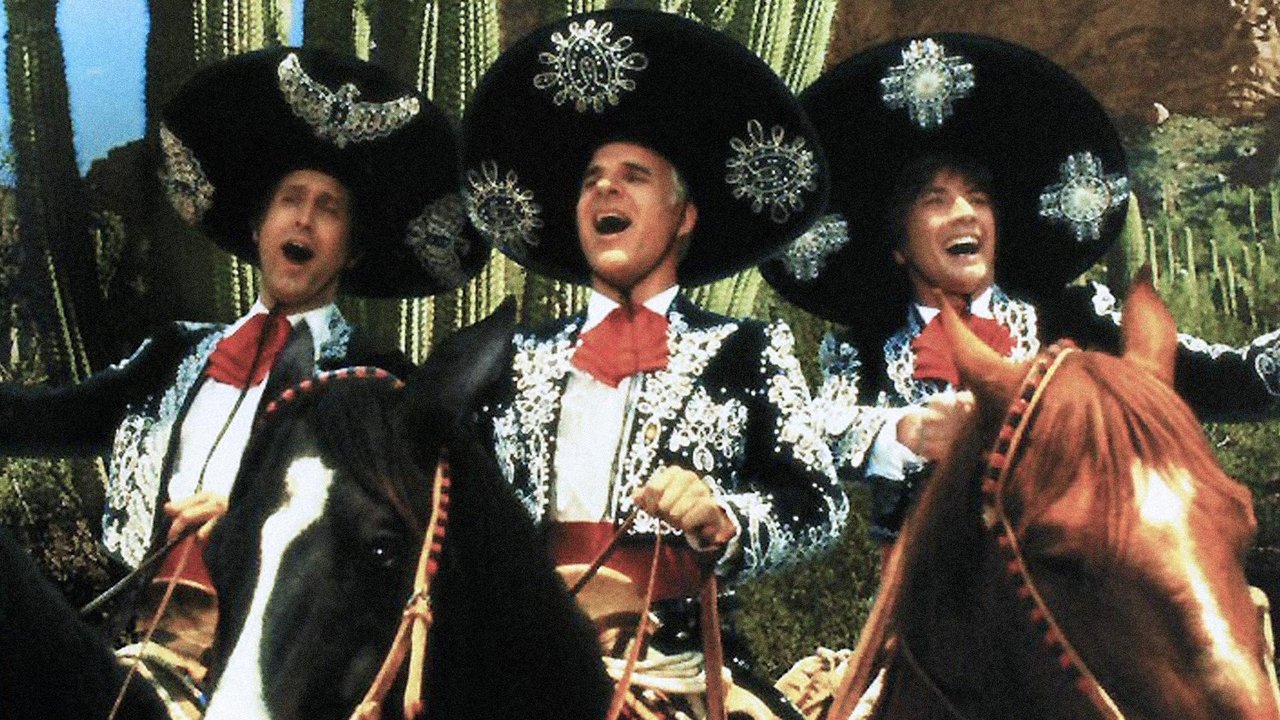
Keep Exploring...
-

Risky Business
1983
-
Trading Places
1983
-
Cocoon
1985
-
Pale Rider
1985
-

An American Tail
1986
-
Coming to America
1988
-

Scrooged
1988
-

All Dogs Go to Heaven
1989
-
Say Anything...
1989
-
Uncle Buck
1989
-
National Lampoon's Vacation
1983
-
National Lampoon's European Vacation
1985
-
Caddyshack
1980
-
M*A*S*H
1970
-
Animal House
1978
-
Romancing the Stone
1984
-
Little Shop of Horrors
1986
-
Innerspace
1987
-

Moonstruck
1987
-

The Lost Boys
1987