Top Gun
"Fuel the fire, feel the need for speed."
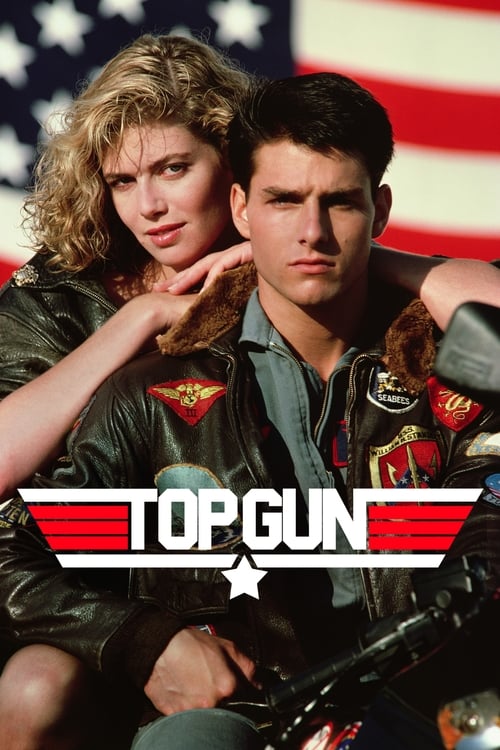
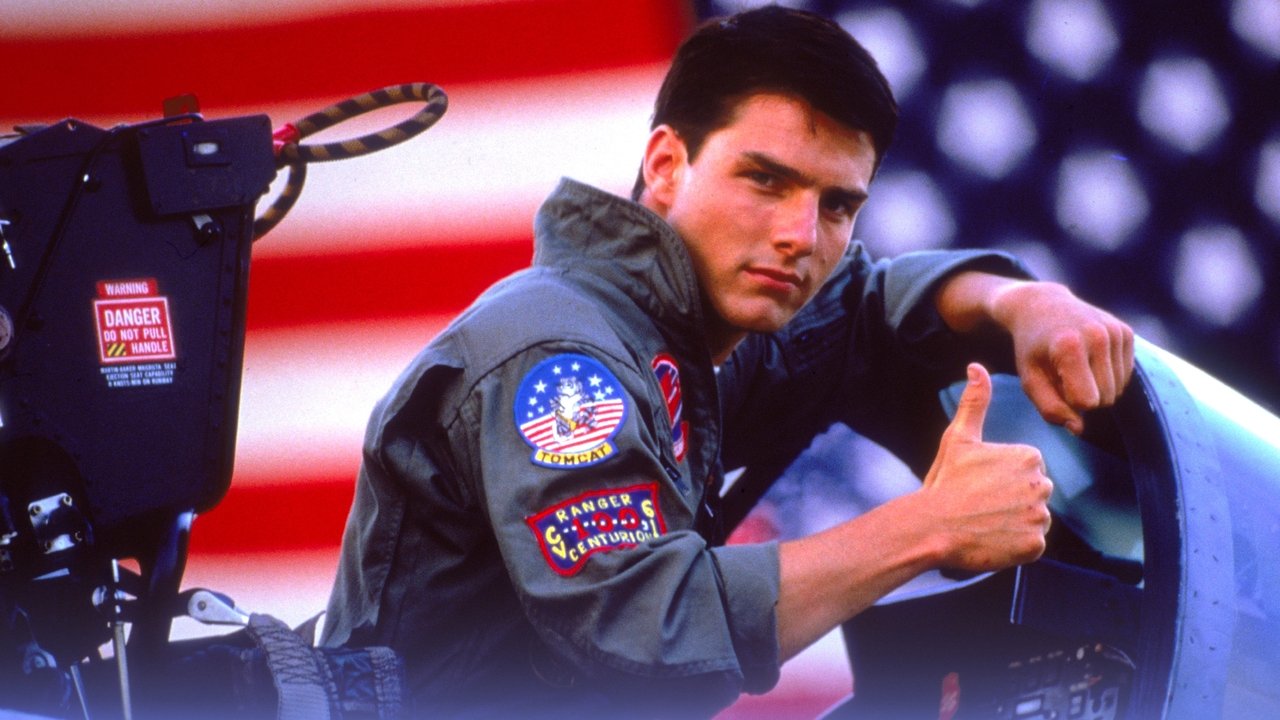
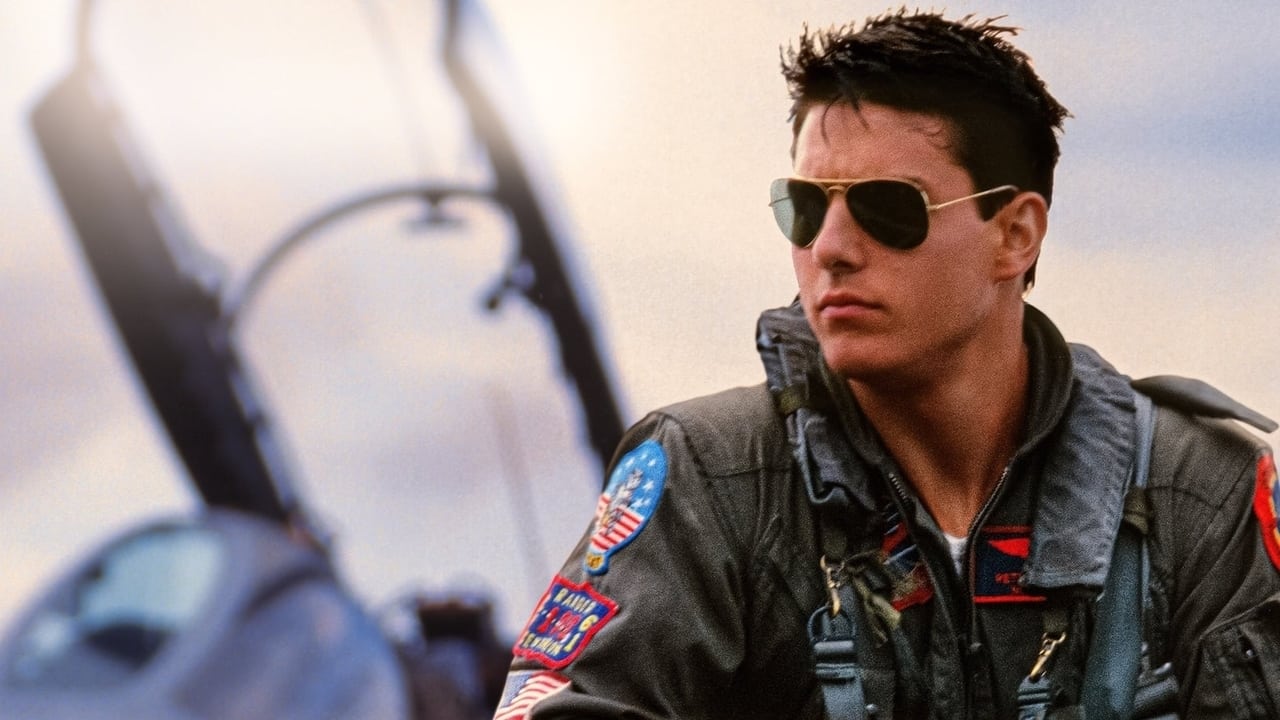
The 1980s didn’t truly begin until the first time an audience heard the screech of a guitar over the steam of a carrier deck. While Jaws and Star Wars invented the blockbuster, Tony Scott’s Top Gun (1986) perfected the "vibe" blockbuster. It is a film of orange-soaked sunsets, glistening sweat, and the deafening roar of Pratt & Whitney engines. It’s also the movie that proved Tom Cruise wasn’t just a rising star; he was a celestial event.
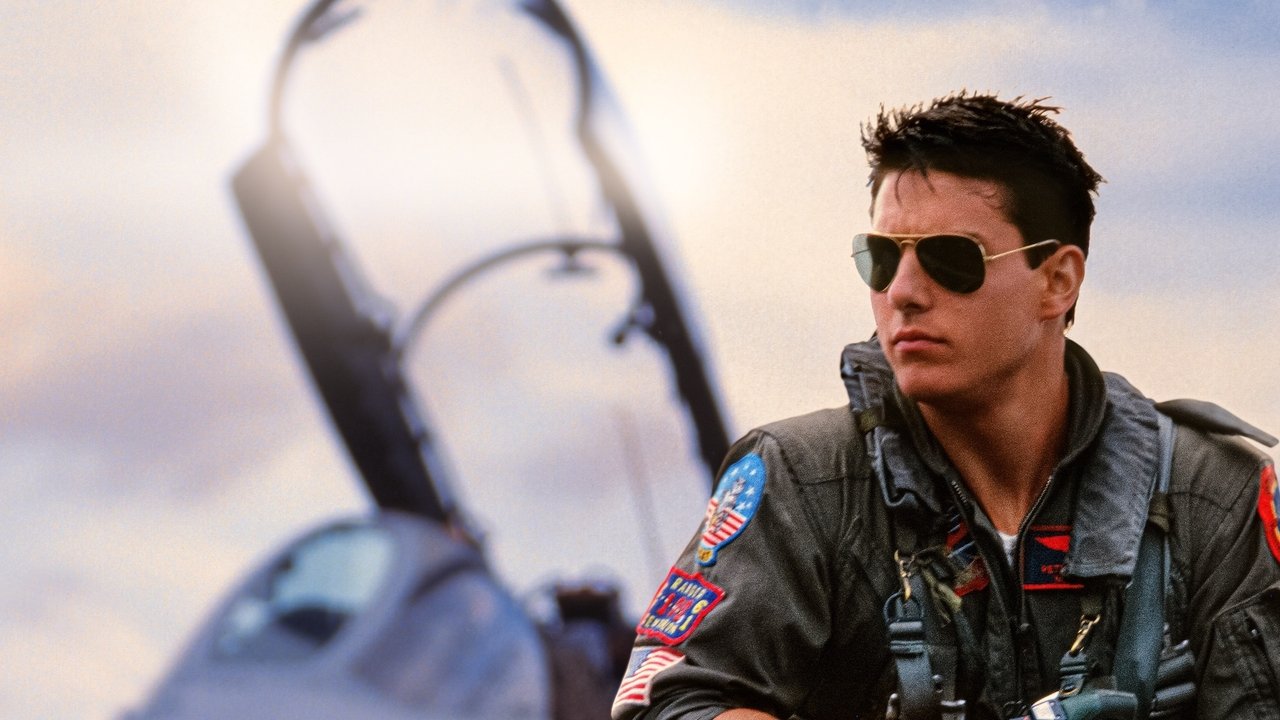
I recently rewatched this on a humid Tuesday evening while nursing a glass of iced tea that had way too much sugar in it, and honestly, the sugar rush matched the movie’s energy perfectly. There is something fundamentally "maximum" about Top Gun. It’s a high-concept pitch—"fighter pilots in a elite school"—transformed into a sensory experience that feels like it was filmed entirely during the most beautiful twenty minutes of a California evening.
The Golden Hour and the G-Force
Tony Scott (who would later give us the gritty True Romance) brought a music-video sensibility to the cockpit that changed action cinema forever. Before this, aerial footage often felt clinical or detached. Scott, working with cinematographer Jeffrey L. Kimball, made it intimate and terrifying. They used real F-14 Tomcats, real carriers, and real G-forces.
One of my favorite bits of production lore is that the Navy actually charged the production roughly $7,600 per flight hour for the planes. During one shoot, Scott wanted the aircraft carrier to turn so he could get the sun behind the jets, but the captain told him it cost $25,000 to change course. Scott famously whipped out his checkbook, wrote the captain a personal check, and got his shot. That’s the kind of obsessive pursuit of "the look" that defines this era. Top Gun is essentially the most expensive and effective perfume commercial ever filmed, and I mean that as a massive compliment.
The action choreography is tight, even if you sometimes lose track of which MiG is which. What matters is the rhythm: the snap of the flight suit, the thumb on the red button, and the rattling of the cockpit. It’s a physical movie. Most of the actors, including Kelly McGillis and Anthony Edwards, actually vomited during their flights in the backseats of the planes. Only Edwards (Goose) apparently managed to keep his lunch down across multiple takes, proving he truly was the best wingman.
The VHS Revolution and the "Need for Speed"
If you grew up in the late 80s or early 90s, the Top Gun VHS wasn't just a tape; it was a household staple. This was a landmark release for the home video industry. Before 1987, most movies were priced at around $80 for rental stores to buy. Paramount decided to release Top Gun at a "sell-through" price of $26.95, bolstered by a Pepsi commercial at the start of the tape. It became the first movie to reach millions of homes directly, turning living rooms into makeshift cinemas. I can still hear the specific tracking hum of the VCR as it struggled to keep up with the high-contrast dogfights.
The cultural footprint was massive. The Navy actually set up recruitment booths outside theaters because the movie was such an effective tool for selling the "pilot lifestyle." Interest in naval aviation reportedly jumped by 500% after the film’s release. It didn't just reflect the Reagan-era optimism and military machismo; it fueled it.
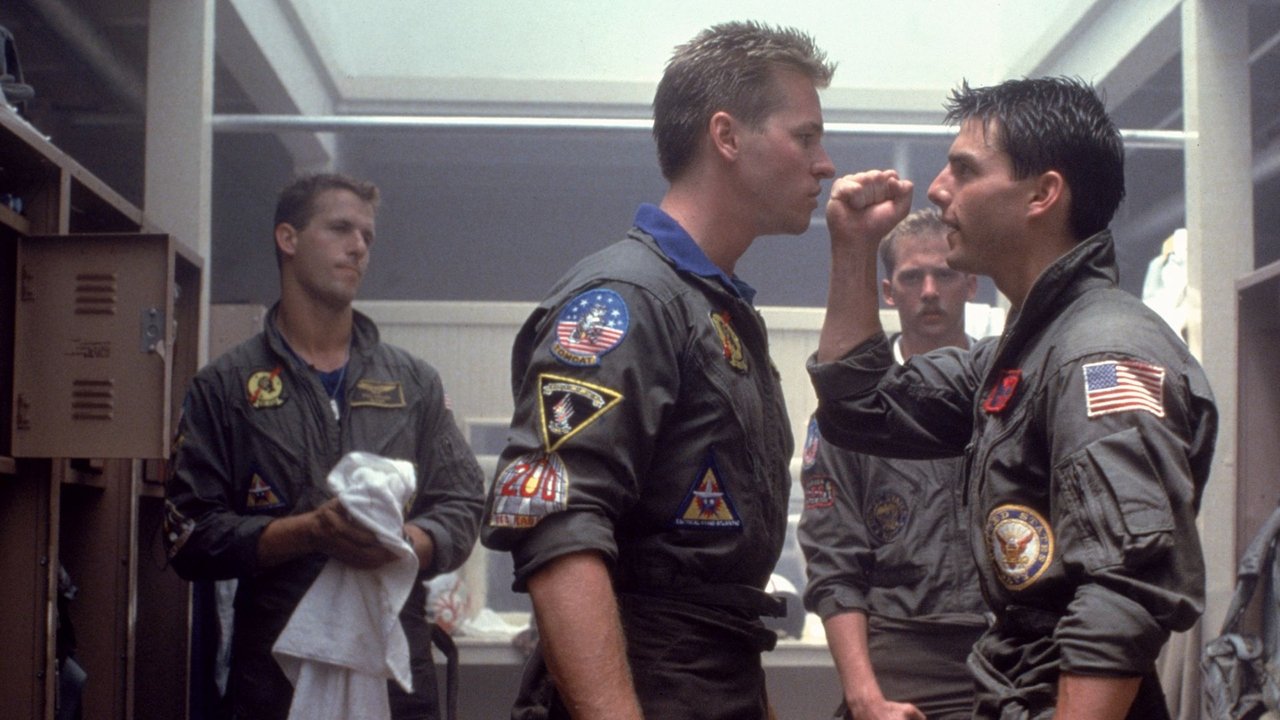
But for all the hardware, the movie lives or dies on the chemistry between Tom Cruise (Maverick) and Val Kilmer (Iceman). Their rivalry is the spine of the film. Kilmer famously didn't want to do the movie at first, but his "Iceman" is a masterclass in controlled arrogance. When he snaps his teeth at Maverick, it’s iconic. It’s a sports movie in the sky, where the "big game" is a dogfight and the trophy is a plaque in a hallway.
The Sound of 1986
We have to talk about the music. Harold Faltermeyer’s score—specifically the "Top Gun Anthem"—is the literal sound of victory. Then you have Giorgio Moroder’s "Take My Breath Away," which slows the movie down just enough to let the audience breathe between sorties. The soundtrack went 9x Platinum, and it’s easy to see why. The music isn't just background noise; it's a character. It tells you exactly how to feel in every frame.
There’s a vulnerability in the "Goose and Maverick" relationship that gives the movie its heart. Anthony Edwards brings a warmth that balances Cruise’s reckless intensity. When the tragedy hits in the second act, it feels earned because we’ve spent so much time watching them sing "You've Lost That Lovin' Feelin'" in a crowded bar.
While some of the dialogue is pure 80s cheese—"I'll fly with you"—it’s delivered with such earnest conviction that you can't help but buy in. Top Gun isn't interested in being subtle. It’s interested in being loud, fast, and undeniably cool. It’s the definitive "slick" blockbuster, a testament to a time when practical stunts and a charismatic lead could conquer the world.
Even decades later, Top Gun remains the gold standard for high-octane spectacle. It’s a film that understands exactly what it is and refuses to apologize for it. Whether you're watching for the planes, the volleyball, or just to see Tom Cruise grin at a sunset, it’s a ride that never truly lands. Put it on, turn it up, and remember why we fell in love with the movies in the first place.
Keep Exploring...
-
Top Gun: Maverick
2022
-
Beverly Hills Cop II
1987
-
Days of Thunder
1990
-
The Karate Kid
1984
-

Platoon
1986
-
The Karate Kid Part II
1986
-
Black Rain
1989
-
Born on the Fourth of July
1989
-

The Towering Inferno
1974
-
The Last Boy Scout
1991
-
Red Dawn
1984
-
Witness
1985
-

Risky Business
1983
-
Cocktail
1988
-
Ran
1985
-

The Mission
1986
-
Bloodsport
1988
-

Kickboxer
1989
-
Tango & Cash
1989
-
Crimson Tide
1995