A Nightmare on Elm Street 3: Dream Warriors
"Don't wake up—the kids are fighting back."
I recently revisited A Nightmare on Elm Street 3: Dream Warriors on a humid Tuesday evening while nursing a lukewarm ginger ale that had lost its carbonation about twenty minutes before the opening credits rolled. There is something remarkably comforting about the third entry in the Freddy Krueger saga. While the 1984 original is the "pure" horror classic and the second film is a fascinatingly weird detour into subtextual possession, Dream Warriors is the moment the franchise decided to have a absolute blast. It’s the point where the series stopped being just a nightmare and started being an adventure.
By 1987, New Line Cinema was still very much "The House That Freddy Built." They were a scrappy independent outfit that had survived on the back of the dream demon’s sweater, and they knew they needed to go big or go home. To do that, they brought back the father of the franchise, Wes Craven, to co-write the script alongside a young, then-unknown writer named Frank Darabont. Yes, the man who would eventually give us The Shawshank Redemption cut his teeth figuring out inventive ways for a burnt guy in a fedora to kill teenagers.
The Return of the Final Girl
The stroke of genius here is bringing back Heather Langenkamp as Nancy Thompson. Usually, in slasher sequels, the previous survivor is either unceremoniously killed off in the first five minutes or ignored entirely. Here, Nancy returns as a grad student specializing in dream therapy, acting as a mentor to a new batch of "institutionalized" kids. It gives the film an emotional weight that most horror sequels lack. I’ve always found Langenkamp’s performance here to be her best; she’s weary, wise, and carries the scars of the first film both literally and figuratively.
Joining her is a young Patricia Arquette in her film debut as Kristen. You can see the movie-star charisma immediately, even when she’s screaming her head off while being swallowed by a giant floor-snake. The premise—that these kids are the last of the Elm Street children and are being picked off in a psychiatric ward—is a perfect pressure cooker. When they realize they can "pull" each other into their dreams and manifest "Dream Powers," the movie pivots into a sort of dark, R-rated superhero flick. It’s The Breakfast Club meets The X-Men, just with more finger-knives and soul-stealing.
The Practical Effects Golden Age

If you want to understand why some of us are so obsessed with the pre-CGI era, Dream Warriors is your Exhibit A. This film is a showcase for practical ingenuity. The production didn't have a massive studio budget, so they had to get creative. We get a stop-motion Freddy skeleton, a living television set with mechanical arms, and the aforementioned giant Freddy-snake (which was actually a massive puppet rig that took several people to operate).
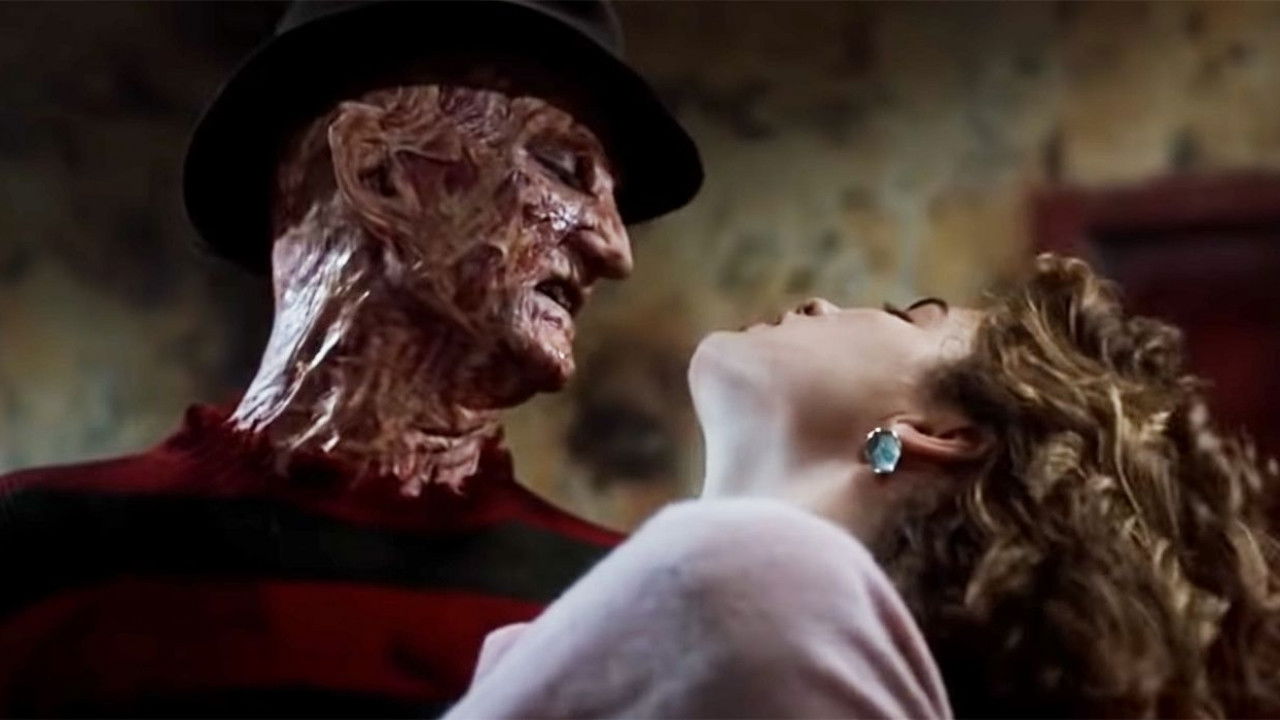
The "TV Head" death scene featuring the legendary line "Welcome to Prime Time, bitch!" is a masterclass in low-budget practical timing. They actually built a breakaway television set and had Robert Englund’s torso rigged through the top. It’s tactile, it’s gross, and it has a physical presence that a digital effect simply can’t replicate. Kevin Yagher’s makeup work on Englund here is also arguably the peak of the character's look—not too clean, not too rubbery, just the right amount of "pizza-faced" grit.
Freddy’s Evolution and the Indie Spirit
This is the film where Freddy Krueger officially became a pop-culture icon rather than just a shadow in the boiler room. Robert Englund begins to lean into the dark comedy, delivering the puns that would eventually define (and arguably ruin) the later sequels. But here, the balance is perfect. He’s still terrifying because he’s targeting kids who have already been discarded by society, but he’s also clearly enjoying his job. I genuinely think the wheelchair kid's 'Wizard' powers are actually kind of embarrassing even by 80s standards, but the movie sells it with such earnestness that I can't help but cheer when he starts throwing sparks.
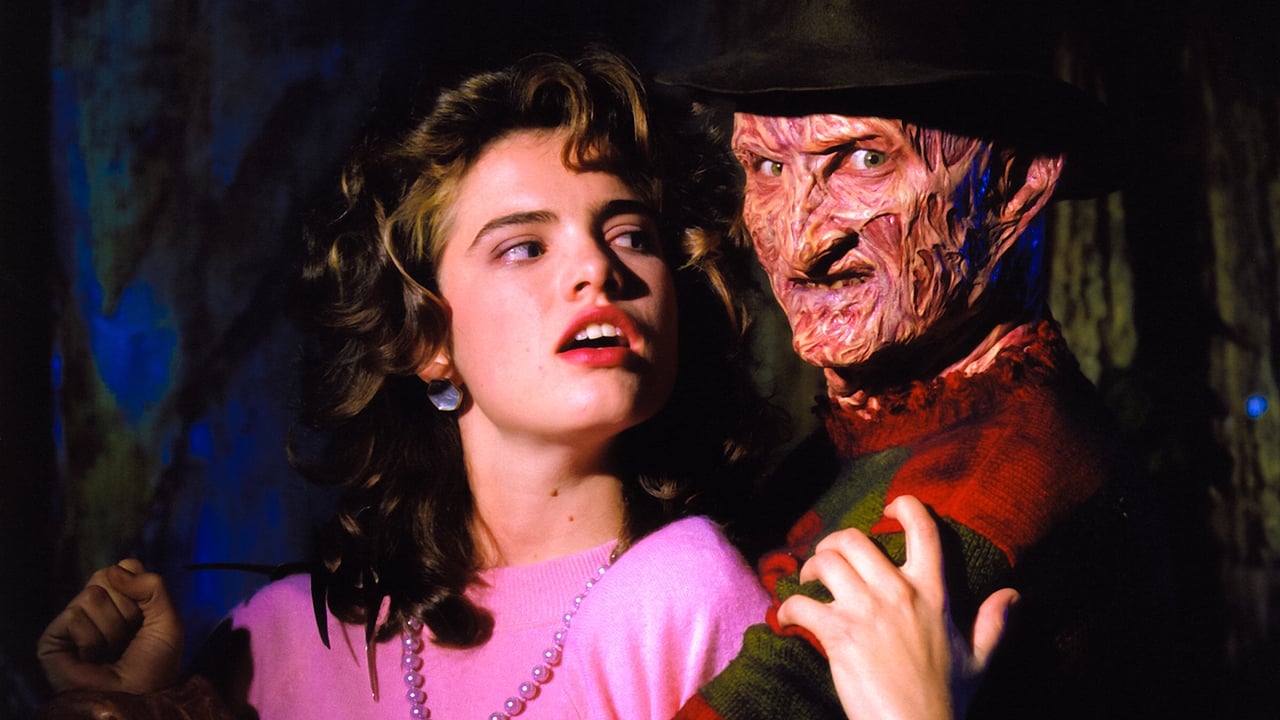
What makes this an "indie gem" despite being part of a massive franchise is the sheer resourcefulness on screen. New Line was taking a massive gamble; if this had flopped, the company likely would have folded. Instead, director Chuck Russell used every cent of the $4.5 million budget to make it look like $20 million. They even managed to snag Angelo Badalamenti for the score, bringing a haunting, synth-heavy atmosphere that feels a few steps removed from his work on Twin Peaks.
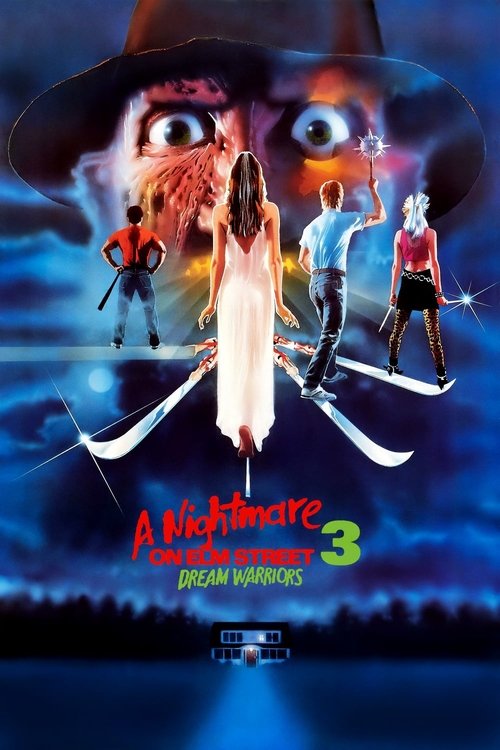
The VHS era was kind to this movie. I remember the iconic box art sitting on the shelves of my local rental store—the image of the kids standing defiantly against the house on the hill. It was a staple of sleepovers because it’s a "social" horror movie. You don't just watch it to be scared; you watch it to see how the "Warriors" are going to use their abilities. It’s a film that understands that the only thing scarier than a monster is facing that monster alone.
A Nightmare on Elm Street 3: Dream Warriors is the rare sequel that expands the mythology without breaking it. It captures a specific 1987 alchemy of practical effects wizardry, MTV-era style, and genuine heart. Whether you're here for Laurence Fishburne's early-career supporting turn or the heavy metal Dokken theme song that plays over the credits, it remains the high-water mark for 80s slasher creativity. It’s a vivid reminder that sometimes, the best way to handle a nightmare is to bring your friends along for the ride.
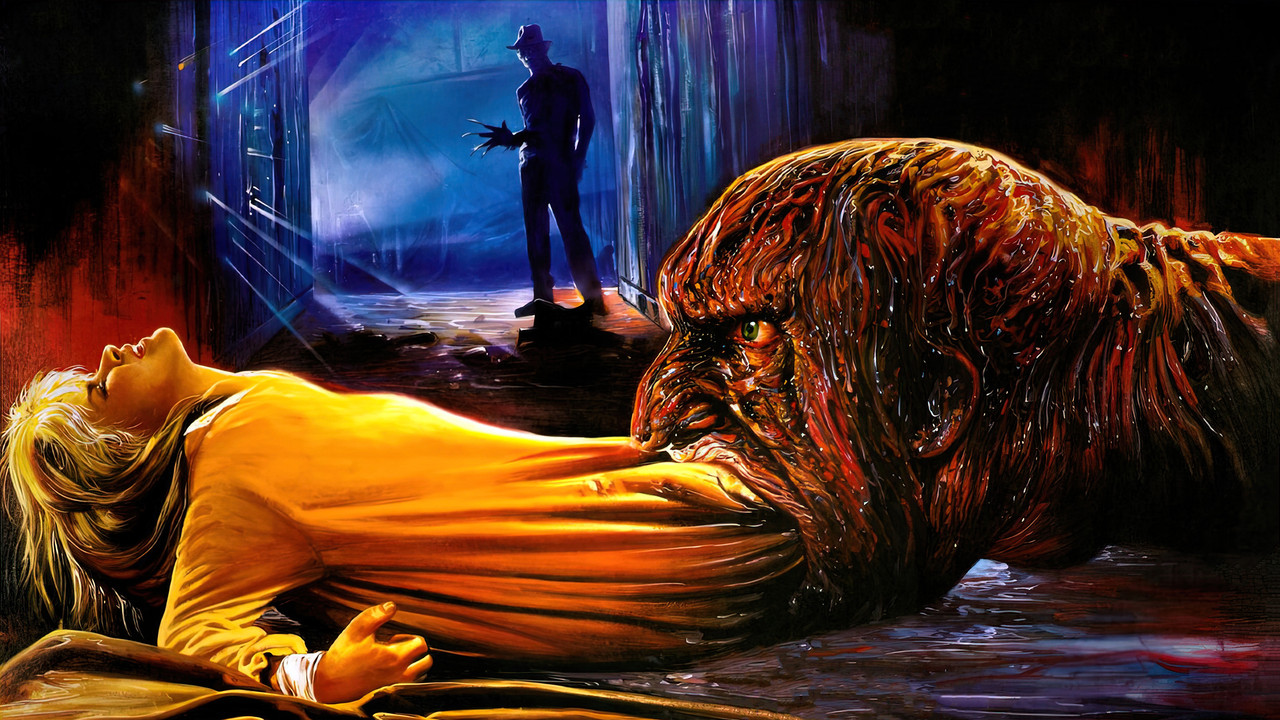
Keep Exploring...
-

A Nightmare on Elm Street
1984
-
A Nightmare on Elm Street 4: The Dream Master
1988
-
New Nightmare
1994
-

A Nightmare on Elm Street Part 2: Freddy's Revenge
1985
-
The Blob
1988
-

The Hills Have Eyes
1977
-
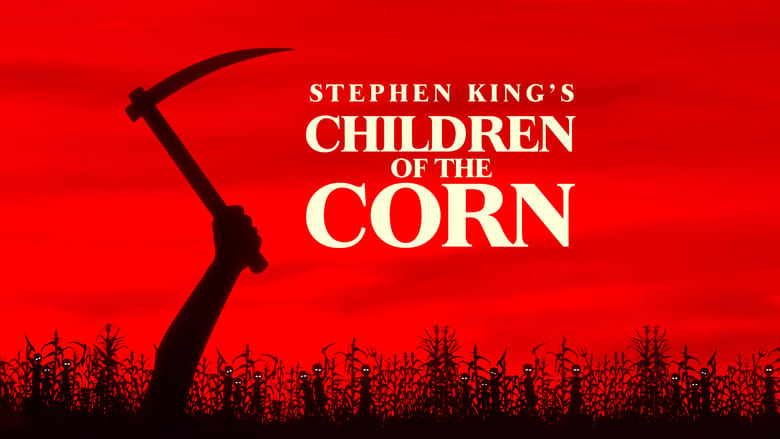
Children of the Corn
1984
-
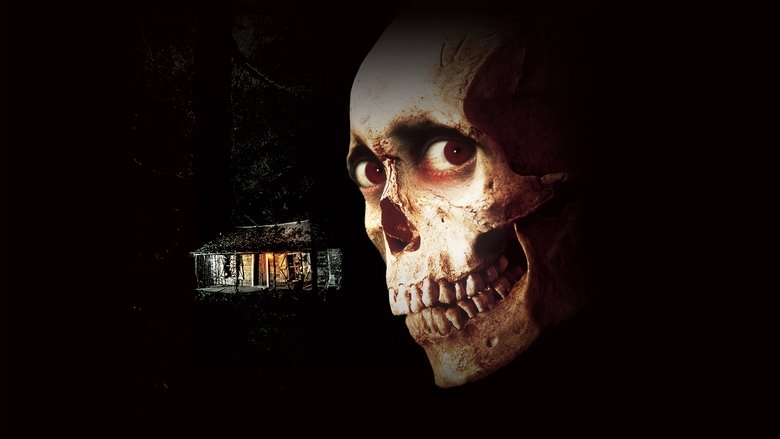
Evil Dead II
1987
-
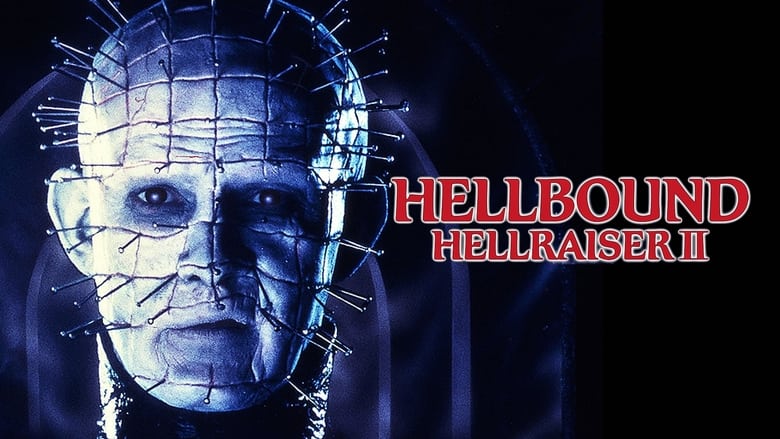
Hellbound: Hellraiser II
1988
-
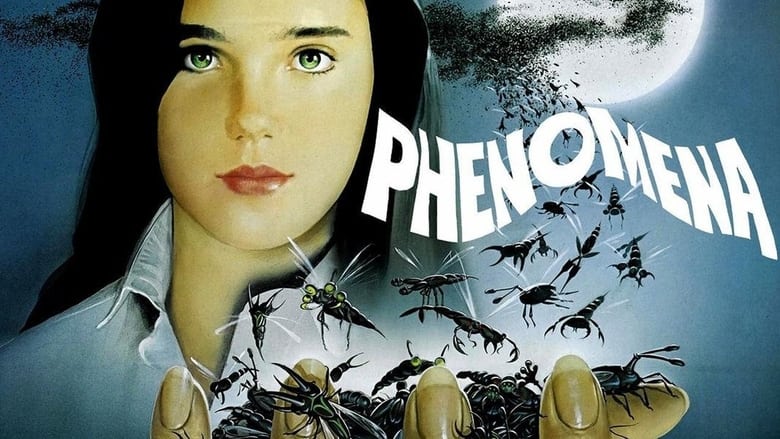
Phenomena
1985
-
Hellraiser
1987
-
The Time Machine
1960
-
The Birds
1963
-
Night of the Living Dead
1968
-
Carrie
1976
-

Halloween
1978
-

Halloween II
1981
-
Peeping Tom
1960
-

Repulsion
1965
-
Don't Look Now
1973