Dirty Dancing
"Summer heat, class warfare, and the perfect lift."
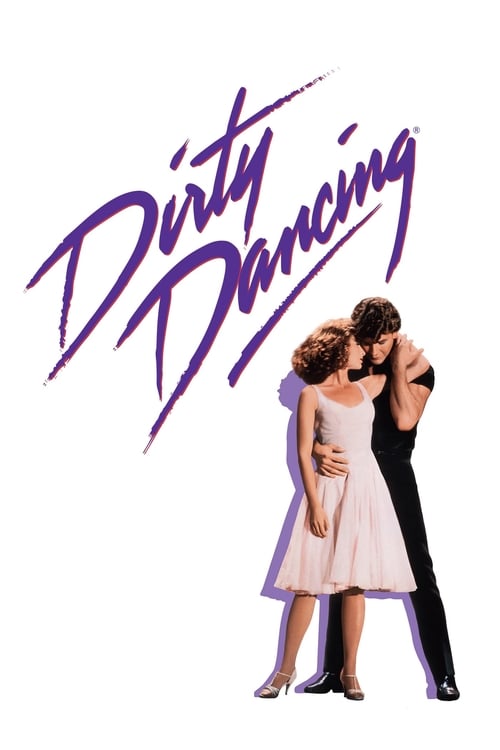
I remember watching Dirty Dancing for the first time on a humid Tuesday afternoon while drinking a glass of generic-brand ginger ale that had gone completely flat. Somehow, the lukewarm soda actually suited the atmosphere. There’s a specific, sticky kind of nostalgia that radiates from this movie—a combination of 1963’s stifling social expectations and 1987’s neon-tinted production values. It shouldn’t work, yet it’s arguably the most rewatchable drama of the VHS era.
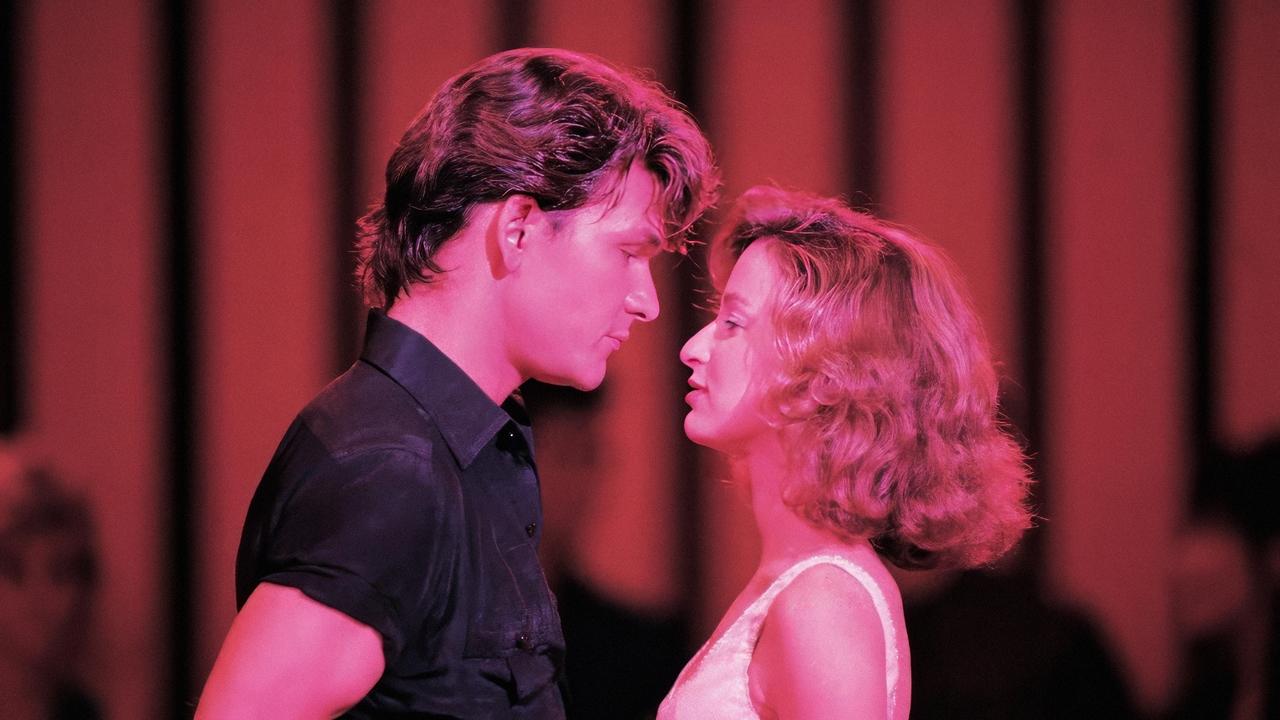
Most people remember the "lift" or the soundtrack, but re-watching it today, I’m struck by how much it’s actually a gritty movie about class, disappointment, and the messy transition from childhood to the "real world." It’s a film that was dismissed by critics as a "pink" movie for teenage girls, but it carries a weight that most modern romantic dramas are too scared to touch.
The Gamble of Vestron Pictures
To understand why this movie feels the way it does, you have to look at the home video revolution. Dirty Dancing was produced by Vestron Pictures, a company that made its bones distributing VHS tapes. They wanted to get into the movie-making business, and this was their first major swing. They had a $6 million budget—peanuts even for 1987—and they shot the whole thing in 43 days in Virginia and North Carolina.
When the film wrapped, the producers thought they had a disaster on their hands. There were stories of test screenings where the audience hated it, and one producer famously suggested they "burn the negative and take the insurance." Instead, it became a cultural supernova. It grossed over $214 million worldwide and, crucially, became the first film to sell over a million copies on home video.
The VHS era turned this film into a ritual. I know people who owned this tape and watched it so many times the magnetic particles started to flake off during the "Hungry Eyes" montage. It’s a "Video Store" movie in the purest sense: a film discovered by word-of-mouth and kept alive by teenagers who wanted to see Patrick Swayze in tight pants away from the prying eyes of their parents.
Beyond the Mambo: The Drama of Disillusionment
While the music is the hook, the heart of the film is the evolution of Frances "Baby" Houseman. Jennifer Grey is a revelation here because she plays Baby with a specific kind of awkward, intellectual earnestness. She isn't just "the girl who learns to dance"; she’s the girl who realizes her hero—her father—is a flawed, judgmental human being.
Jerry Orbach is perfect as Dr. Jake Houseman. He’s the moral center of the movie, and his eventual disappointment in Baby isn't because she’s "dancing dirty," but because he thinks she lied to him. The scene where he tells her, "I thought you were more like me," is a gut-punch of parental manipulation. It’s a heavy dramatic beat for a movie that features a song called "Do You Love Me."
Then there's the class struggle. Patrick Swayze’s Johnny Castle isn't just a hunk; he’s a guy who knows he’s being rented. He is the entertainment for the wealthy vacationers, a man who is essentially a high-end lawn ornament with a libido. The tension between the "talent" and the guests is palpable. When Baby steps in to help Penny (Cynthia Rhodes) get an abortion—a subplot the studio begged writer Eleanor Bergstein to cut—the movie moves into much darker, more authentic territory. It handles the consequences of back-alley procedures and the cruelty of the upper class with a bluntness that caught 1987 audiences off guard.
Practical Magic and Freezing Lakes
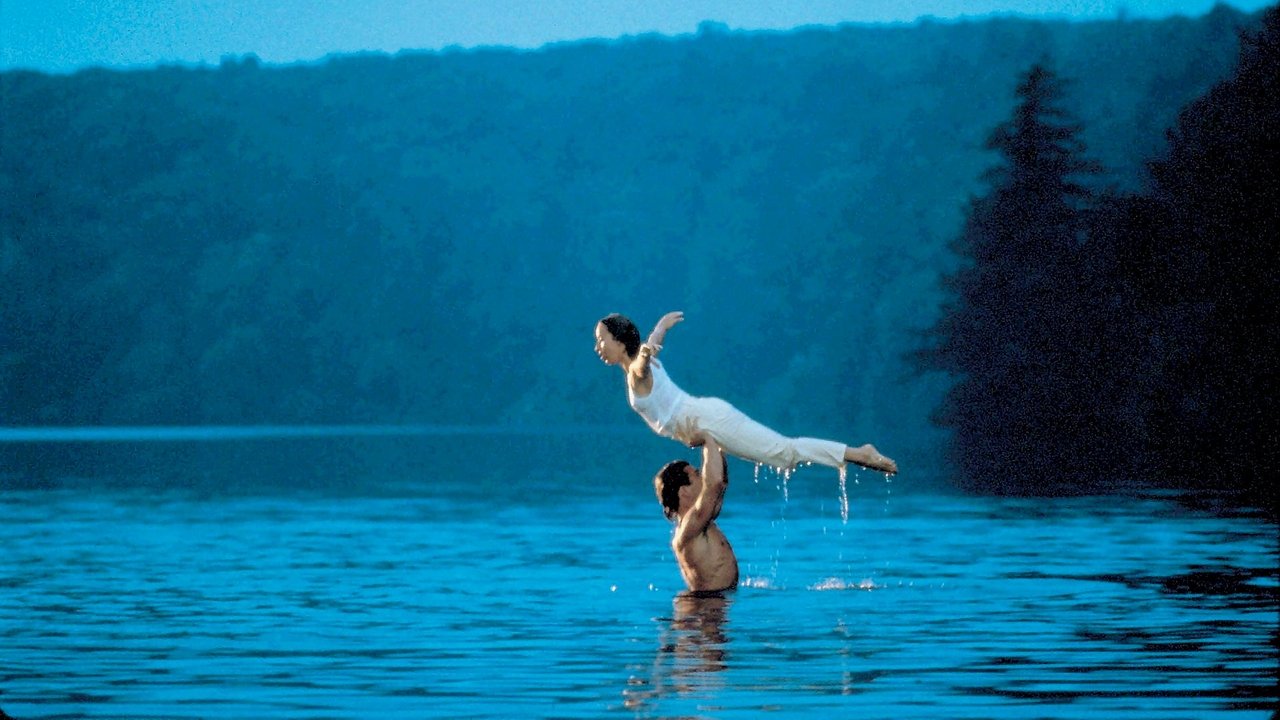
The production stories are legendary, mostly because they had to fake summer while filming in the chilly autumn of the Blue Ridge Mountains. That famous scene where they practice the lift in the lake? It was shot in October. The water was about 40 degrees. If you look closely at that sequence, there are no close-ups—that’s because Jennifer Grey and Patrick Swayze’s lips were turning blue.
Speaking of the chemistry, it’s a miracle they look so in love. The two actors had famously clashed while filming Red Dawn a few years earlier, and the tension remained. During the scene where they are rehearsing and Swayze runs his hand down Grey’s arm, she couldn't stop laughing because she was ticklish. Swayze’s look of genuine annoyance in the film? That wasn't acting. He was actually frustrated, yet that friction is exactly what makes their on-screen spark feel earned rather than manufactured.
The "Hungry Eyes" montage is a masterclass in visual storytelling. It’s the moment where the film shifts from a dance lesson into a mutual transformation. We see the bruises on Baby’s legs, the sweat, and the sheer physical exhaustion of the craft. It demystifies the romance of dance by showing the work behind it, which only makes the final performance more satisfying.
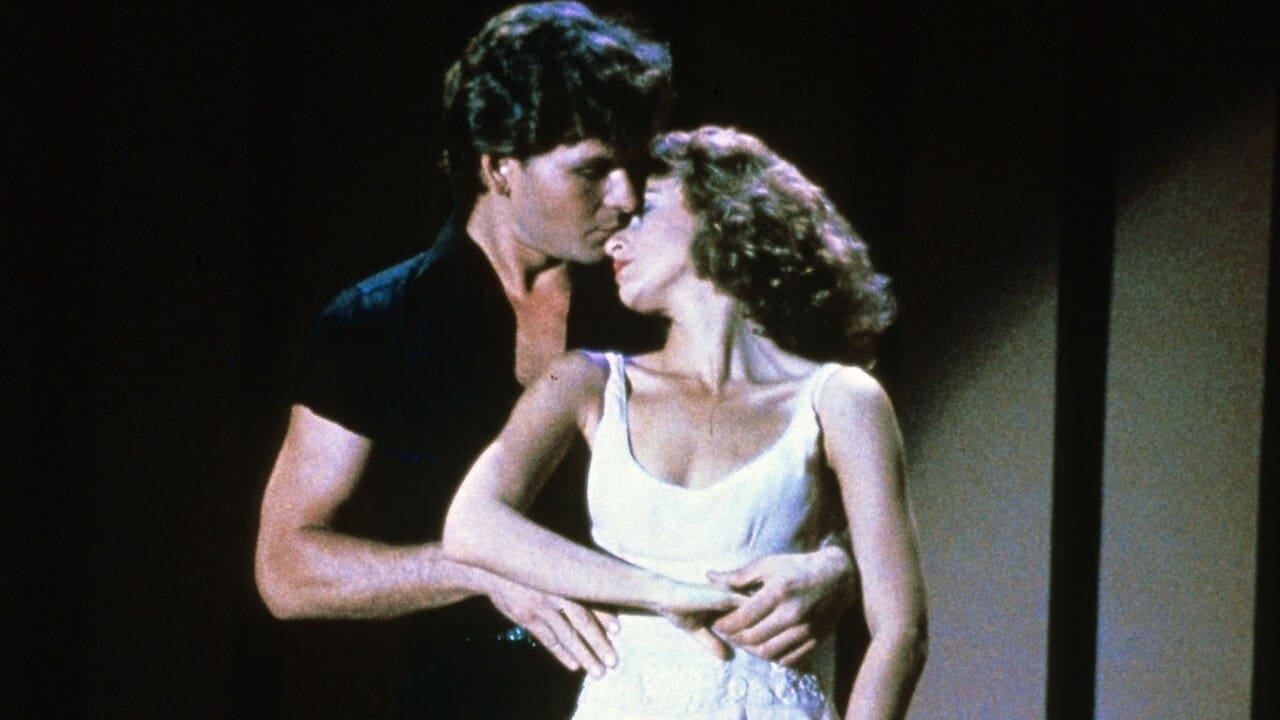
Dirty Dancing is one of those rare films where the nostalgia doesn't lie to you. It’s better than you remember it being, specifically because it treats its young protagonist with respect. It understands that 17-year-olds are capable of complex moral choices and that summer flings can be the catalyst for lifelong changes in perspective. Whether you’re here for the iconic soundtrack or the class-conscious drama, it remains a pillar of the 80s for a reason.
It turns out that nobody really can put Baby in a corner—mostly because she’s too busy being the most interesting person in the room. If you haven't seen it in a decade, give it another look. Just skip the lukewarm ginger ale.
--- Behind-the-Scenes Trivia:
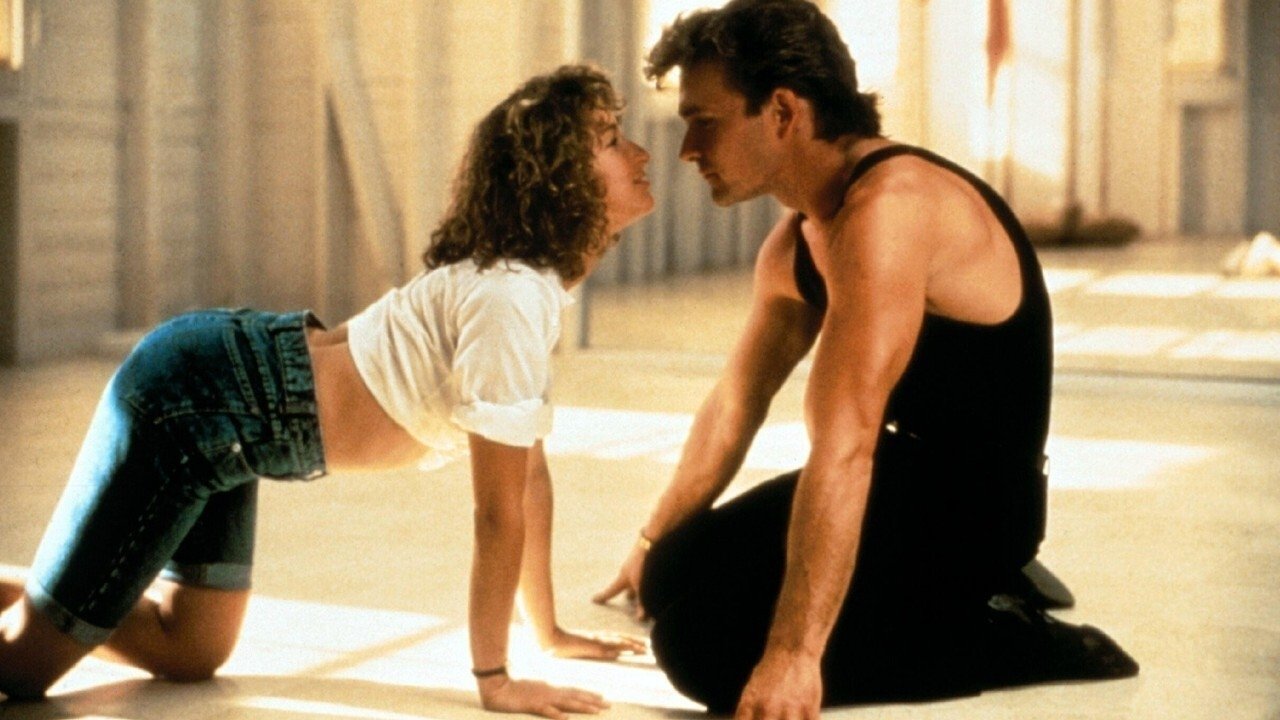
The budget was so tight that the "woods" in the background of some scenes were actually spray-painted green because the leaves had already started to turn brown for autumn. The famous "crawling toward each other on the floor" scene wasn't in the script; the actors were just messing around during a warmup, and director Emile Ardolino liked it so much he kept the camera rolling. The film’s title actually came before the script. It was a suggested title for a different project that didn't go through, and Bergstein took it and built her Catskills-based story around it. Patrick Swayze was offered $6 million (the entire original budget of the first film!) to do a sequel in the late 80s, but he turned it down because he didn't like sequels.
Keep Exploring...
-

The Sound of Music
1965
-

Flashdance
1983
-
An Officer and a Gentleman
1982
-
Out of Africa
1985
-
Witness
1985
-
The Karate Kid Part II
1986
-

Fatal Attraction
1987
-
Moonstruck
1987
-
Working Girl
1988
-
Cabaret
1972
-
Sister Act
1992
-
Doctor Zhivago
1965
-
The Graduate
1967
-
Saturday Night Fever
1977
-
Sophie's Choice
1982
-

Risky Business
1983
-
Amadeus
1984
-
Footloose
1984
-
Starman
1984
-
Pretty in Pink
1986