Empire of the Sun
"A boy’s spirit takes flight in the ruins of war."
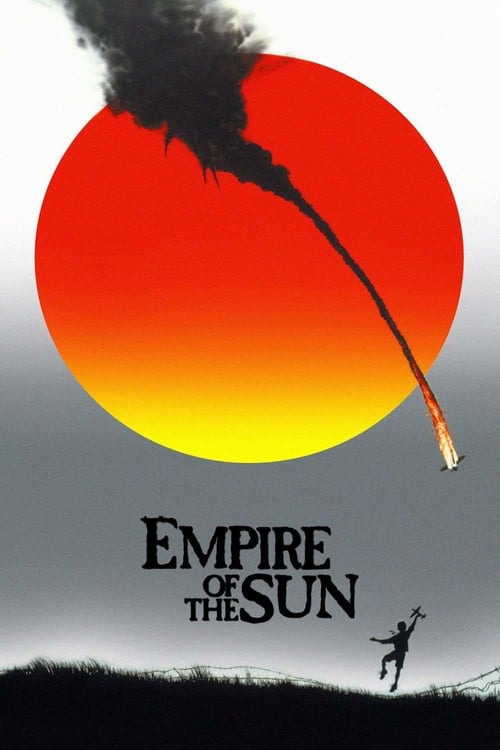
The first time I saw Empire of the Sun, I was sitting on a shag carpet in front of a wood-paneled Zenith television, struggling with a double-VHS set that felt as heavy as a brick. I had a bowl of slightly burnt Orville Redenbacher popcorn, and I was expecting something like Raiders of the Lost Ark because Steven Spielberg’s name was on the box. What I got instead was a spiritual reckoning.
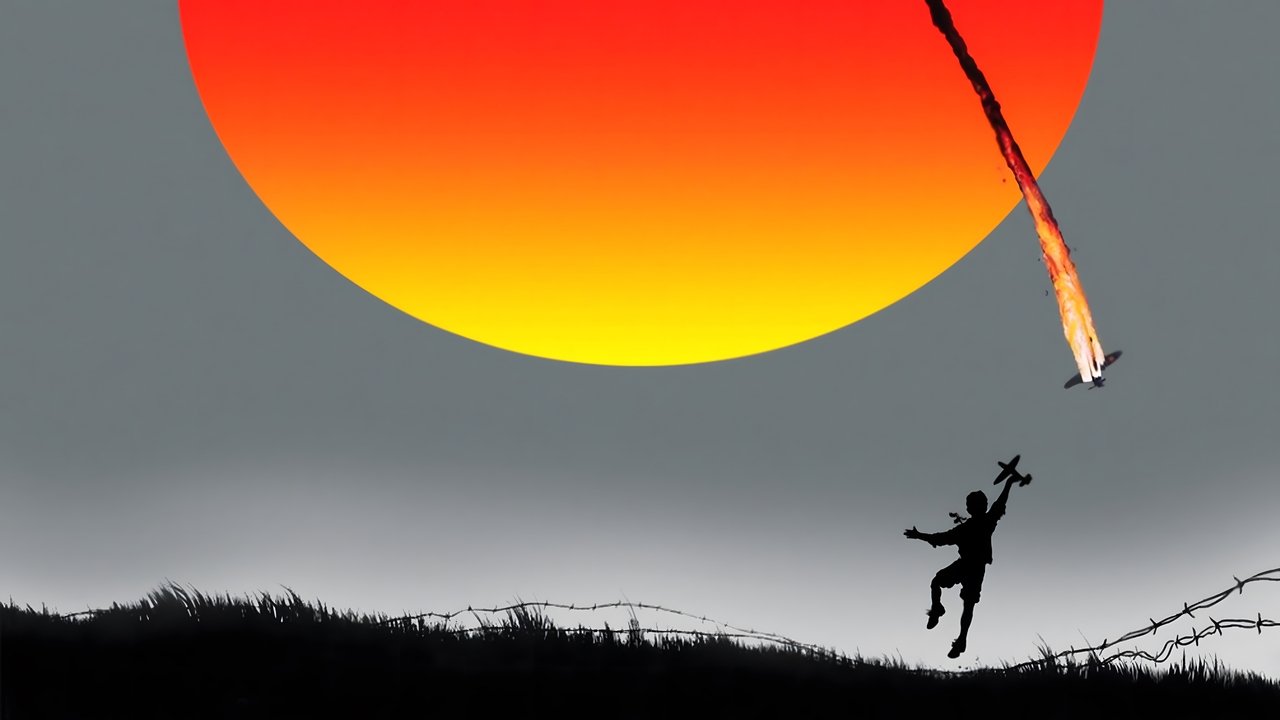
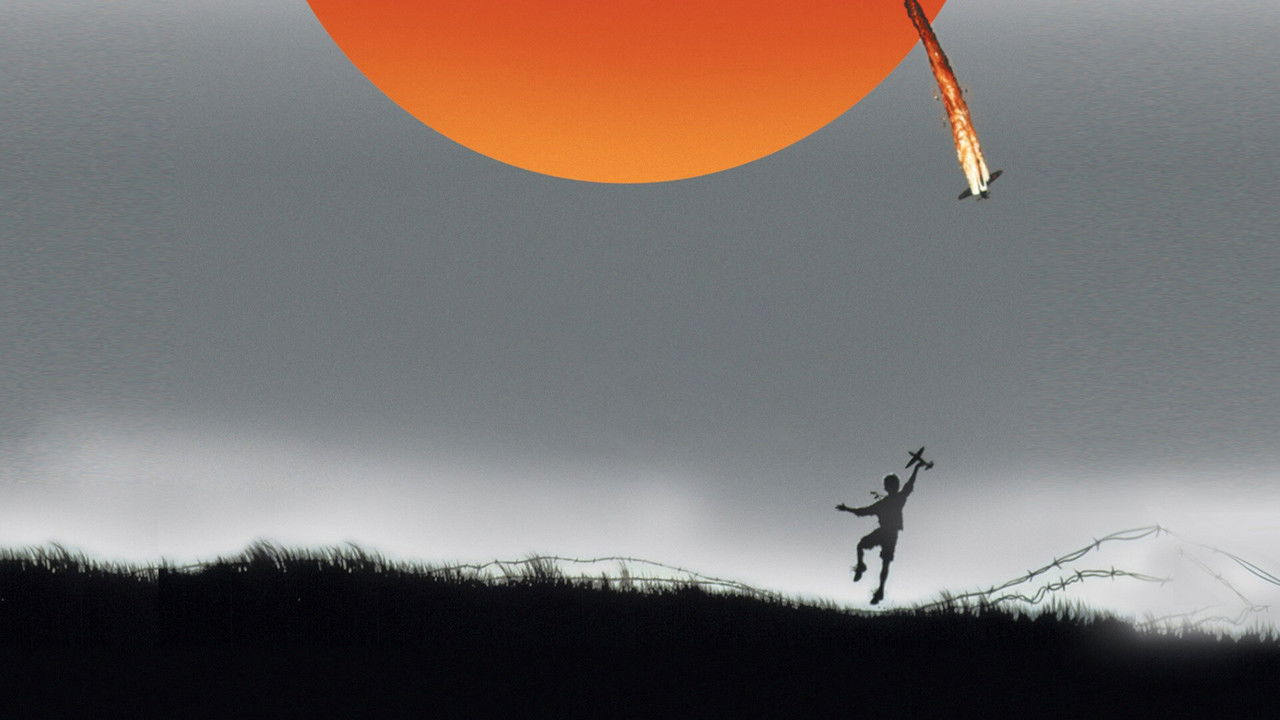
There is a specific, haunting image that has never left me: a young British boy in a tuxedo, standing on a balcony in Shanghai, waving at a Japanese fighter pilot in the distance as if they were neighbors sharing a morning greeting. It’s the precise moment a child’s imagination meets the cold, hard machinery of global conflict. This isn't just a war movie; it’s a fever dream about the death of childhood, painted with the most expensive brushes 1987 had to offer.
The Boy Who Would Be King (of the Skies)
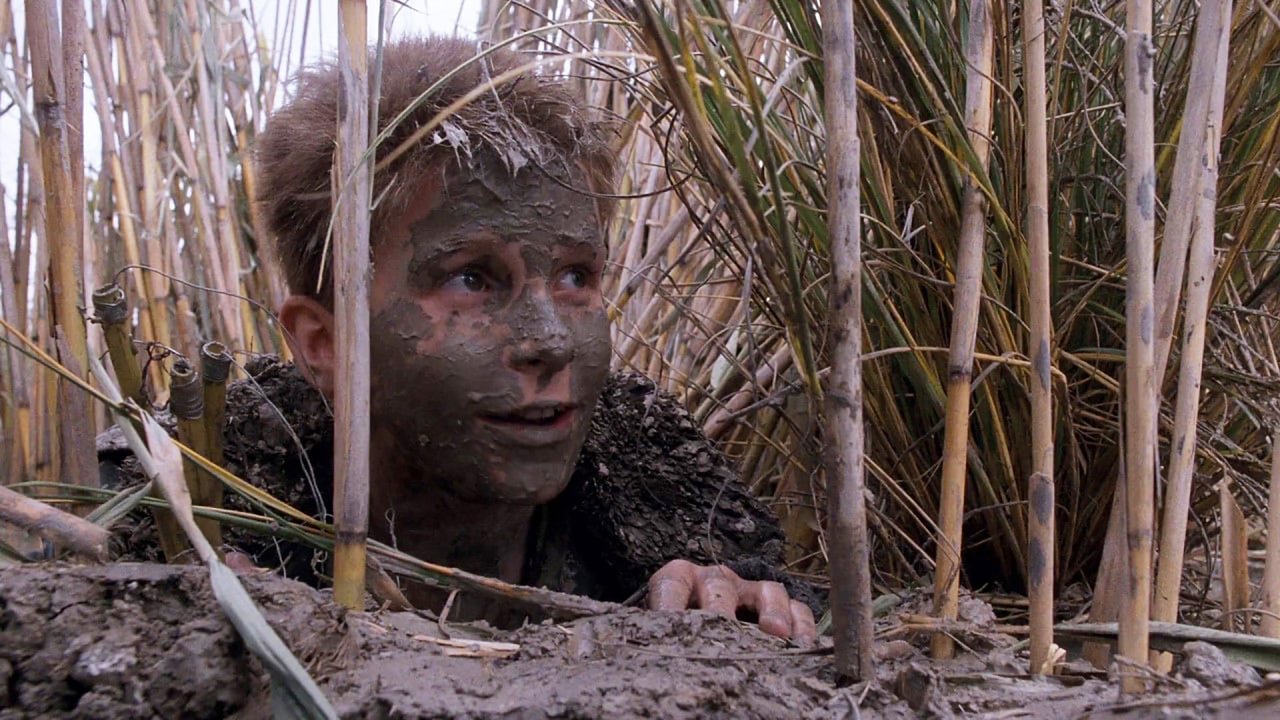
We have to talk about Christian Bale. Before he was the Dark Knight or a chainsaw-wielding yuppie, he was Jim Graham, a privileged brat who loses his parents in a panicked crowd as the Japanese Imperial Army marches into Shanghai. Casting a child lead is always a gamble, but Spielberg (who beat out 4,000 other kids to find him) hit the jackpot here. Bale doesn't just act; he transforms. He goes from a pampered kid dreaming of model planes to a hollowed-out scavenger with "dead eyes" who knows the market value of a pair of boots better than any grown man.
Jim’s journey is narrated by the roar of P-51 Mustangs—the "Cadillac of the Skies"—and the silence of starvation. His performance is so raw that it actually makes the supporting cast of seasoned pros look like they’re just warming up. Apparently, the pressure of the sudden fame from this role was so intense that Bale almost quit acting entirely. We came dangerously close to a world without The Prestige because a thirteen-year-old was just too good at his job.
Basie and the Art of the Grift
While Jim is the heart, John Malkovich is the oily, charismatic spine of the film. Playing Basie, an American merchant seaman and professional survivor, Malkovich does that thing where he makes you like him even though you know he’d sell Jim’s kidneys for a pack of Luckies. He’s the anti-Indiana Jones. He’s not here to save the day; he’s here to make sure he’s the last one standing.
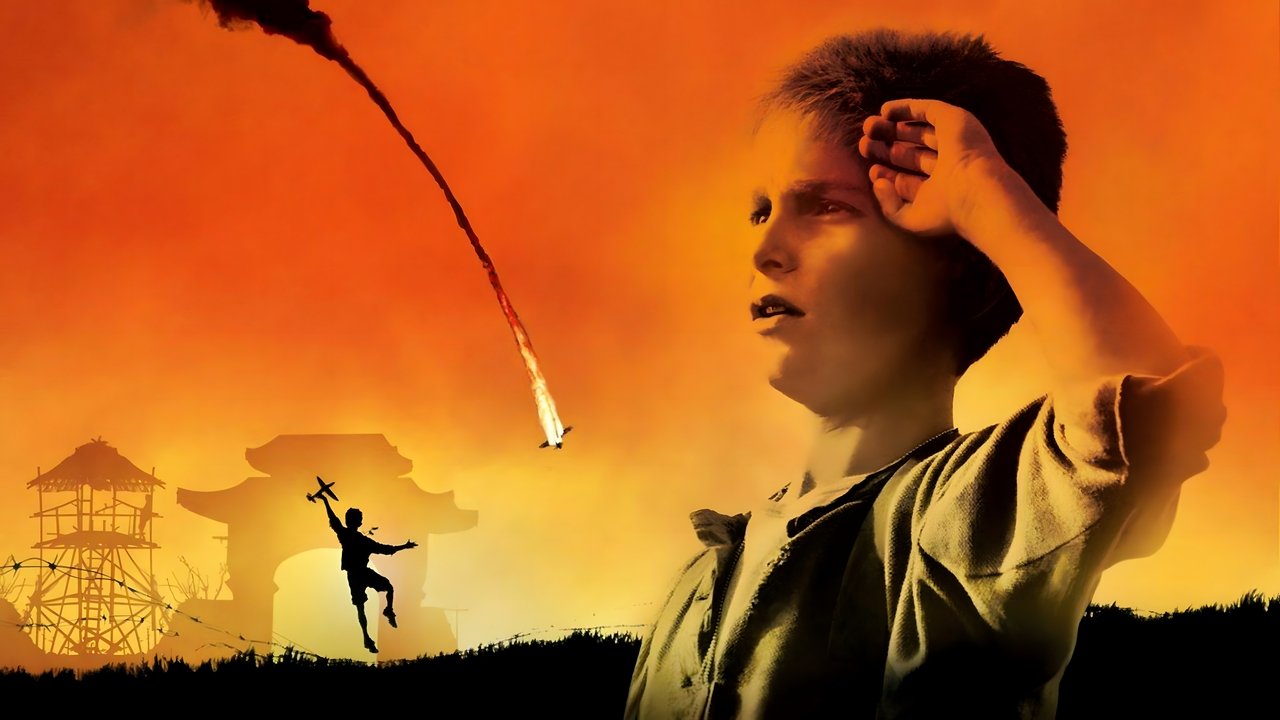
The chemistry between the wide-eyed Jim and the cynical Basie is where the movie finds its grit. Look out for a very young, very thin Ben Stiller in a small role as one of Basie’s cohorts. It’s a trip seeing the future king of comedy in such a grim, dusty setting. The camp sequences, specifically in the Lunghua Civilian Assembly Center, feel incredibly lived-in. That’s because Spielberg was still in his "Practical Effects or Death" phase. They actually went to Shanghai—the first American production to do so since the 1940s—and used 5,000 local extras to recreate the invasion. You can feel the weight of those crowds; it’s something modern CGI just can’t replicate without looking like a PlayStation cinematic.
A Masterclass in Atmospheric Dread
The cinematography by Allen Daviau (who also shot E.T. and The Color Purple) is frankly miraculous. He captures the light of a world that is literally on fire. There’s a scene involving a flash of light from the atomic bombing of Nagasaki—seen from hundreds of miles away—that is one of the most beautiful and terrifying things ever put on celluloid. Jim thinks it’s a soul going to heaven; we know it’s the end of an era.
It’s also worth noting that John Williams turned in a score that trades his usual brassy heroics for something more choral and ethereal. I watched this again recently while nursing a mild head cold, and the "Exultate Justi" theme made me feel like I was ascending to another plane of existence, or maybe that was just the Sudafed. Either way, the music is the glue that holds Jim’s fracturing psyche together.
One of the coolest "stuff you didn't notice" details? The author of the original semi-autobiographical novel, J.G. Ballard, actually has a cameo. He’s the man in the white tuxedo at the masquerade party early in the film. It’s a meta-moment: the man who lived the nightmare watching the movie version of his younger self walk into the abyss. Spielberg originally wanted the legendary David Lean (Lawrence of Arabia) to direct this, and you can see Lean's DNA everywhere—the sweeping vistas, the intimate human drama set against an epic backdrop. When Lean dropped out, Spielberg stepped up to prove he wasn't just the "shark and aliens" guy.
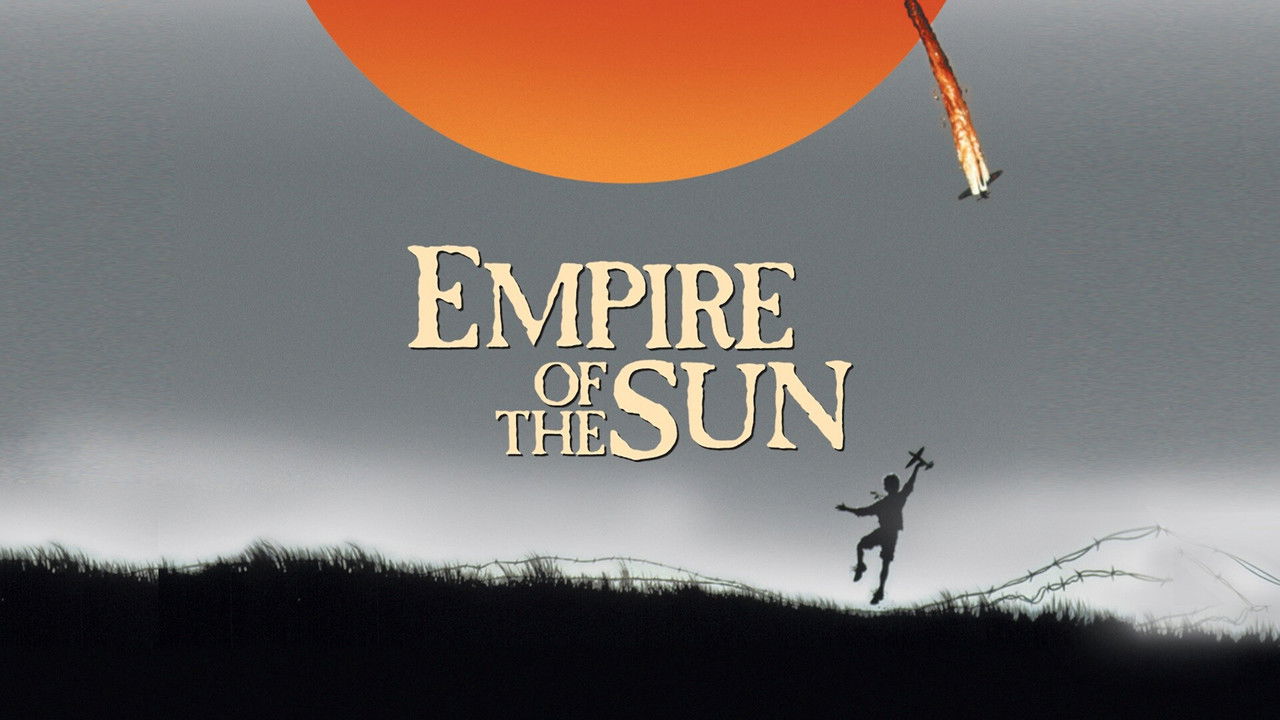
Empire of the Sun didn't set the box office on fire in 1987. It was perhaps too grim for the "Morning in America" crowd who wanted their war movies to be more like Top Gun. But on home video, it became a legend. It’s a film that demands you sit still and feel the weight of history. It’s a tragedy, a triumph, and a terrifying reminder that even in the middle of a world-ending conflict, a kid will still find a way to look at a plane and see a god. If you’ve only ever seen the "blockbuster" side of Steven Spielberg, you owe it to yourself to see the masterpiece he made when he decided to grow up.
***
Trivia for the VHS Obsessed: The film’s production was so massive that the Chinese government had to temporarily ban the use of bicycles in parts of Shanghai to allow the crew to film the evacuation scenes. Also, that iconic "Cadillac of the Skies" line? That was pulled directly from Ballard's prose, but Christian Bale delivers it with such manic, desperate joy that it feels like he’s inventing the phrase on the spot. If you're hunting for a copy, try to find the old Warner Home Video "clamshell" release; the cover art is a minimalist 80s dream.
Keep Exploring...
-

The Color Purple
1985
-
Spartacus
1960
-
Das Boot
1981
-
Casualties of War
1989
-
Glory
1989
-
Saving Private Ryan
1998
-
Patton
1970
-
Barry Lyndon
1975
-
A Bridge Too Far
1977
-
Munich
2005
-
Schindler's List
1993
-

War Horse
2011
-
Lawrence of Arabia
1962
-
Sophie's Choice
1982
-

Platoon
1986
-

Full Metal Jacket
1987
-
Good Morning, Vietnam
1987
-
Born on the Fourth of July
1989
-
The Zone of Interest
2023
-
The Longest Day
1962