Fatal Attraction
"One weekend is all it takes to lose everything."
There’s a specific kind of 1980s anxiety that can only be triggered by the sound of a ringing landline in a silent house. Long before we had caller ID to shield us from our mistakes, a ringing phone was a demand for attention that couldn’t be ignored. In Adrian Lyne’s Fatal Attraction, that ringing phone becomes a weapon of psychological warfare. I recently rewatched this while drinking lukewarm Diet Coke out of a "World's Best Dad" mug—which felt deeply ironic given the mess Dan Gallagher makes of his own fatherhood—and it struck me just how much this film relies on the sheer, tactile dread of the pre-digital era.
The Yuppie Nightmare Realized
The setup is the ultimate "be careful what you wish for" scenario for the upwardly mobile 80s professional. Michael Douglas (who was essentially the patron saint of stressed-out white-collar guys in films like Wall Street and later Falling Down) plays Dan, a lawyer with a beautiful wife, Anne Archer, and a precocious daughter. When his family heads out of town for the weekend, Dan finds himself in a rain-slicked Manhattan flirtation with Alex Forrest, played with terrifying precision by Glenn Close.
What starts as a stylish, consensual "no strings attached" romp in a freight elevator quickly curdles. Adrian Lyne, fresh off the neon-soaked aesthetics of 9 1/2 Weeks, brings his signature style here: lots of steam, backlit windows, and expensive-looking apartments that feel cold despite the decor. He makes the infidelity look enticingly cinematic at first, which only makes the subsequent descent into madness feel more punishing. Dan Gallagher is a spineless coward who deserved a much worse fate than a ruined kitchen, and the film doesn't shy away from showing us exactly how his entitlement triggers the avalanche.
The Performance That Launched a Thousand Parodies
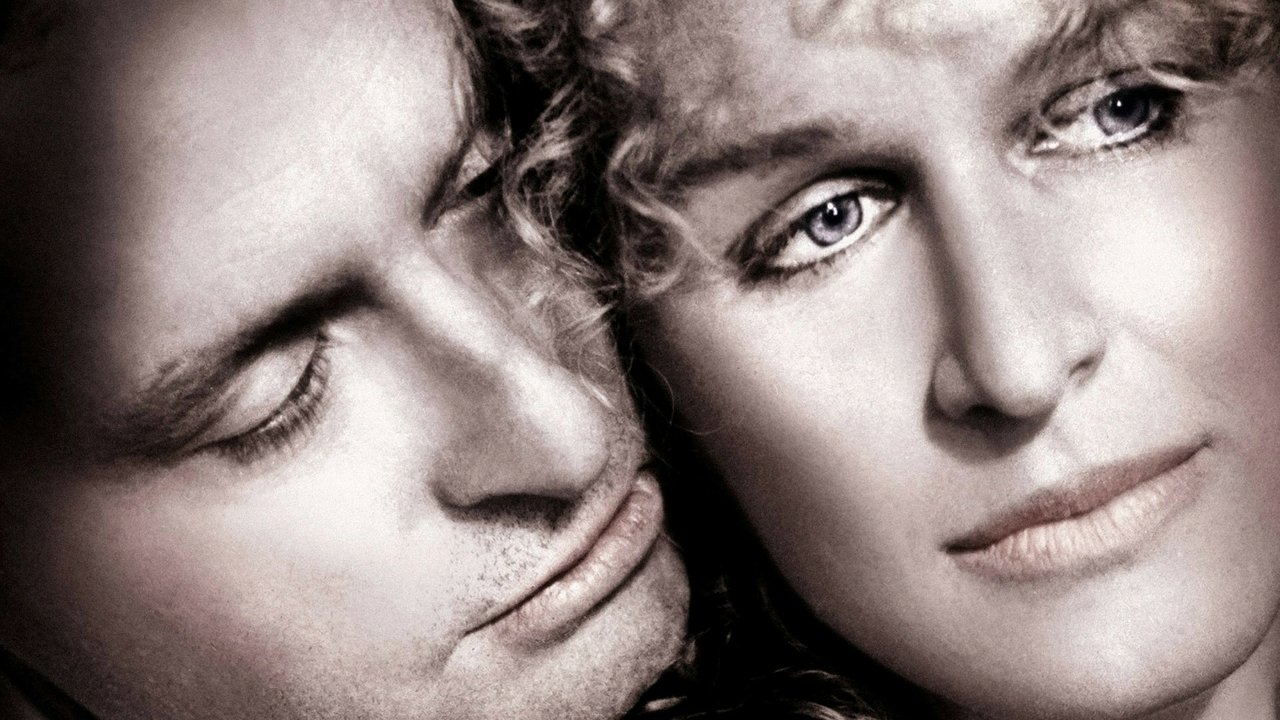
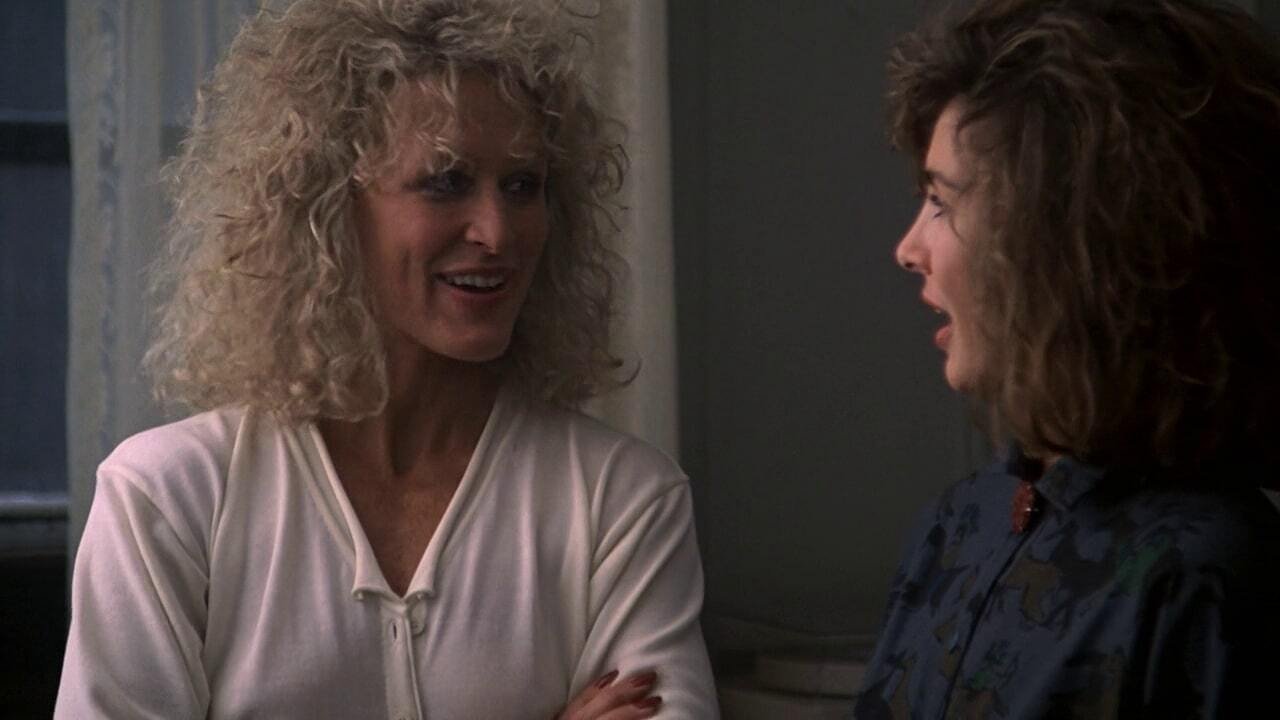
We have to talk about Glenn Close. Before this movie, "bunny boiler" wasn't a part of the English lexicon. Close took a character that could have been a two-dimensional slasher villain and gave her a jagged, heartbreaking edge. You can see the flashes of genuine soul-crushing loneliness in her eyes before the switch flips to obsession. It’s a transformative performance that reportedly saw Close fighting the producers to keep Alex human rather than just a monster.
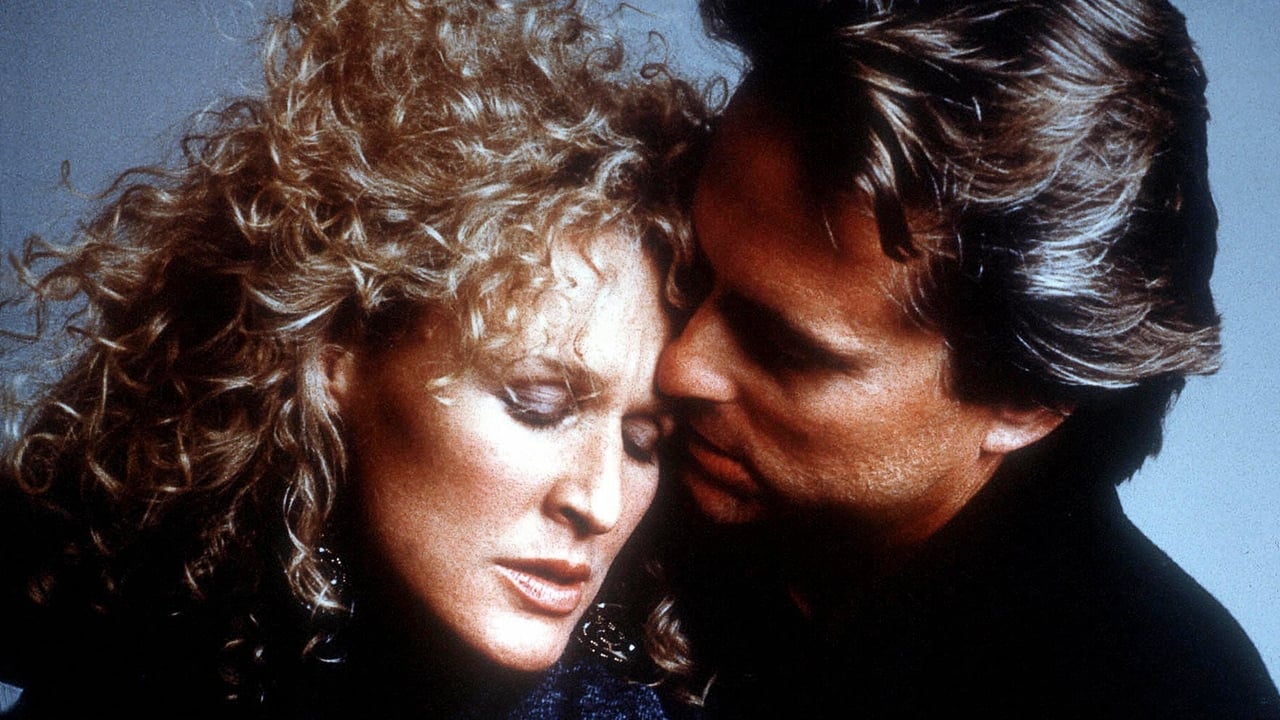
The chemistry—or rather, the combustible friction—between her and Michael Douglas is what keeps the tension taut for two hours. Even the supporting cast, like Stuart Pankin as the jovial friend, helps ground the movie in a reality that feels reachable. When the domestic sanctuary is eventually invaded, it feels like a violation of the audience’s space too.
A Cultural Juggernaut and the VHS Effect
Fatal Attraction wasn't just a hit; it was a societal earthquake. It raked in over $320 million on a modest $14 million budget, becoming the second highest-grossing film of 1987. It tapped into a very specific Reagan-era fear about the breakdown of the traditional family unit and the perceived "threat" of the independent, career-driven woman.
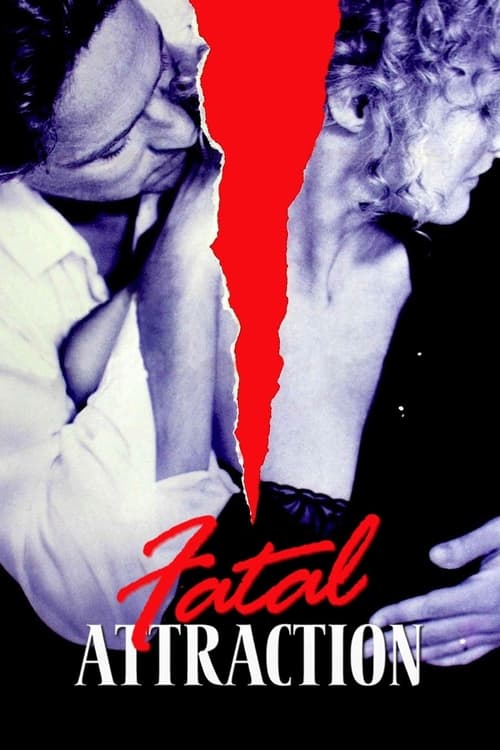
But for many of us, the real legacy of this film lived on the shelves of local video stores. I remember the VHS box vividly—the stark white background, the red lettering, and that close-up of Glenn Close looking like she was staring right through the plastic casing. It was the kind of tape that lived in the "Drama/Thriller" section but felt like it belonged in "Horror." It was the quintessential "parents only" rental. If you grew up in that era, you likely remember the muffled sounds of this movie playing in the living room while you were supposed to be asleep, the score by Maurice Jarre (who did the sweeping music for Lawrence of Arabia) shifting from romantic synth to jarring, staccato stabs.
Behind the Scenes: The Ending That Almost Was
The production history is legendary for its "test screening" drama. Originally, the film ended much more like a noir tragedy—Alex commits suicide while listening to Madama Butterfly, framing Dan for her murder. It was bleak, artistic, and ultimately hated by test audiences who wanted blood. The studio spent an additional $1.3 million to fly the cast to Westchester and film the house-invasion finale we know today. While the original ending is arguably more sophisticated, there’s no denying the primal, crowd-pleasing power of the bathroom showdown.
Interestingly, the infamous "bunny" scene wasn't just movie magic; the crew actually used a real rabbit carcass from a butcher (the things they got away with before CGI). Glenn Close actually still has the knife she used in the finale—though she had it framed—which is exactly the kind of eccentric energy I want from my cinematic icons.
Fatal Attraction remains the gold standard for the "erotic thriller" because it understands that the scares don't come from ghosts or masked killers, but from the choices we make when we think no one is looking. It’s a beautifully shot, expertly acted reminder that some "mistakes" don't stay in the city; they follow you home, they wait for the lights to go out, and they definitely don't like to be ignored. It’s the best argument for marital fidelity ever put to celluloid, wrapped in the glossy, paranoid packaging of 1987.
Keep Exploring...
-

Flashdance
1983
-
Witness
1985
-
Nine 1/2 Weeks
1986
-
Black Rain
1989
-
The Lost Boys
1987
-
Cocktail
1988
-

Unfaithful
2002
-
An Officer and a Gentleman
1982
-
WarGames
1983
-
Out of Africa
1985
-

The Karate Kid Part II
1986
-
Dirty Dancing
1987
-
Moonstruck
1987
-
Working Girl
1988
-

Indecent Proposal
1993
-
The War of the Roses
1989
-
Ghost
1990
-

The Sound of Music
1965
-

The Towering Inferno
1974
-
Doctor Zhivago
1965