Good Morning, Vietnam
"The laughter echoes loudest in a war zone."
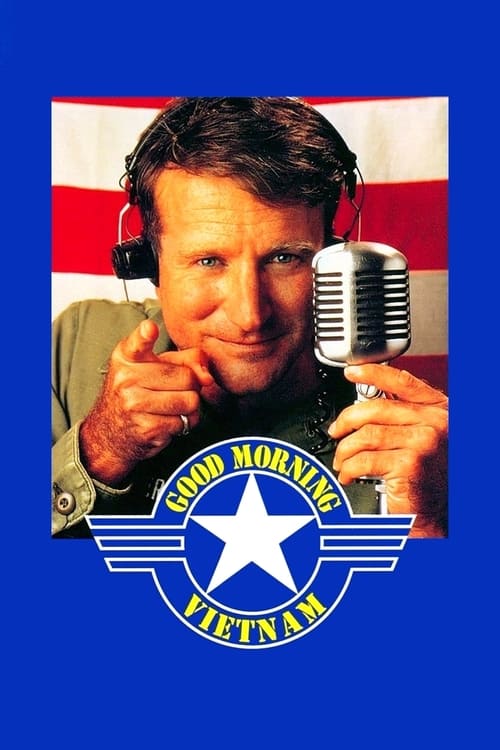
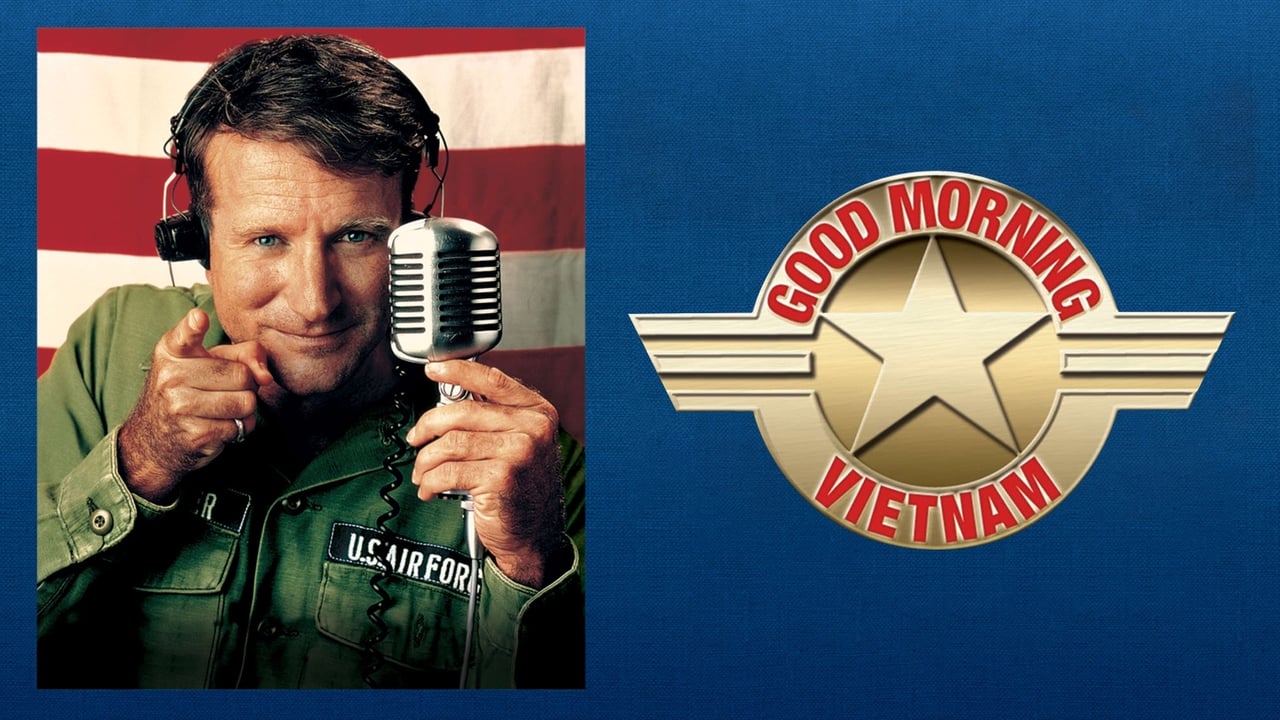
I remember pulling the white-and-yellow Touchstone Home Video clamshell off the shelf at my local rental shop, thinking I was in for a two-hour stand-up special with a jungle backdrop. The cover art, featuring Robin Williams mid-shout with that iconic Hawaiian shirt peeking through his fatigues, promised the same manic energy of his HBO specials. But as the tape whirred to life in my VCR—which was currently sitting atop a precarious stack of National Geographics because the left foot had fallen off—I realized this wasn't just a comedy. I watched the whole thing while nursing a lukewarm root beer that had lost its fizz twenty minutes in, and honestly, the flat soda matched the sobering realization that this film was much darker than the marketing suggested.
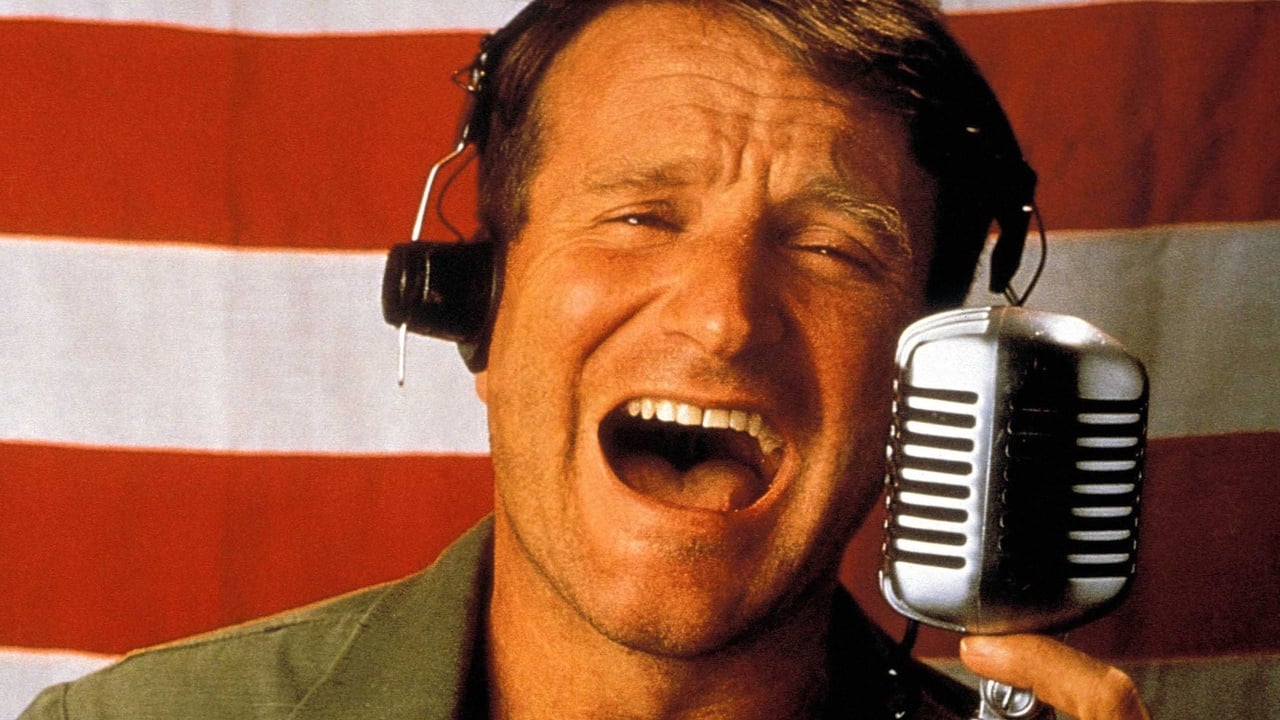
A Guerilla Performance in the Booth
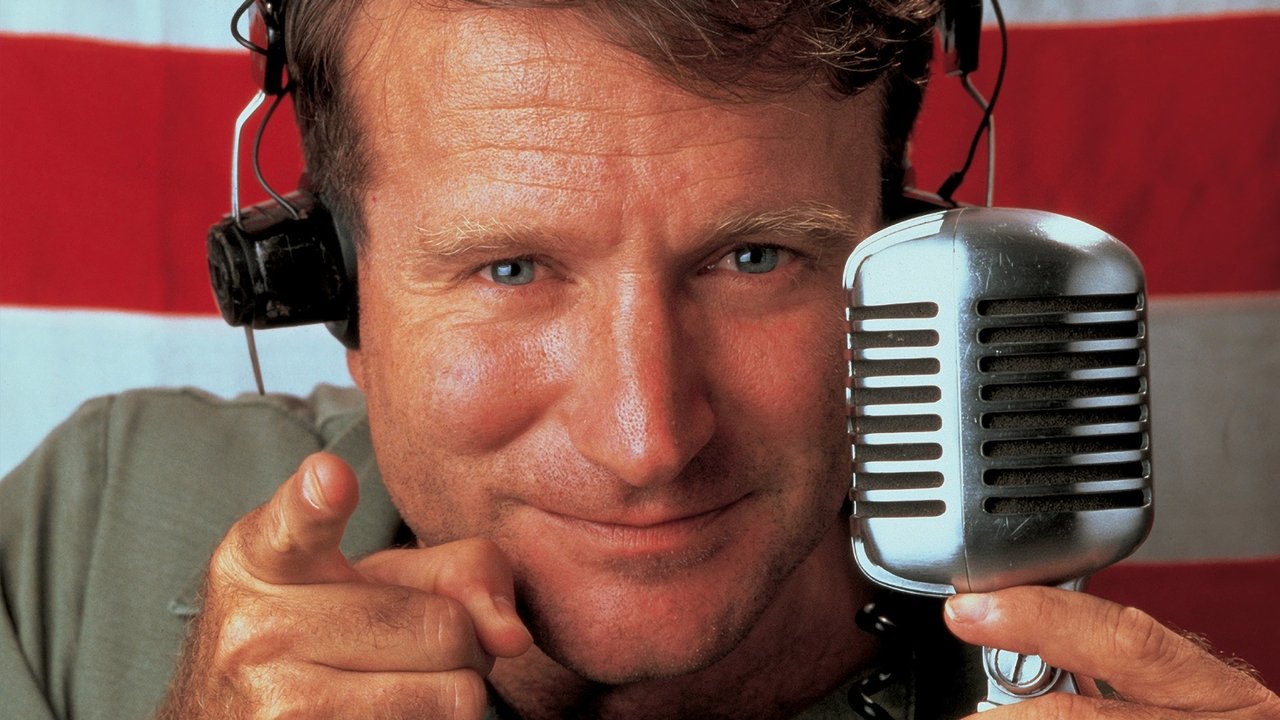
At its heart, Good Morning, Vietnam is the moment the world realized Robin Williams was more than a frantic blur of impressions; he was a powerhouse of pathos. Playing a highly fictionalized version of DJ Adrian Cronauer, Williams is a whirlwind of "New Hollywood" energy dropped into a rigid, 1965 military structure. Director Barry Levinson (Diner, The Natural) made the brilliant call to just let the man cook.
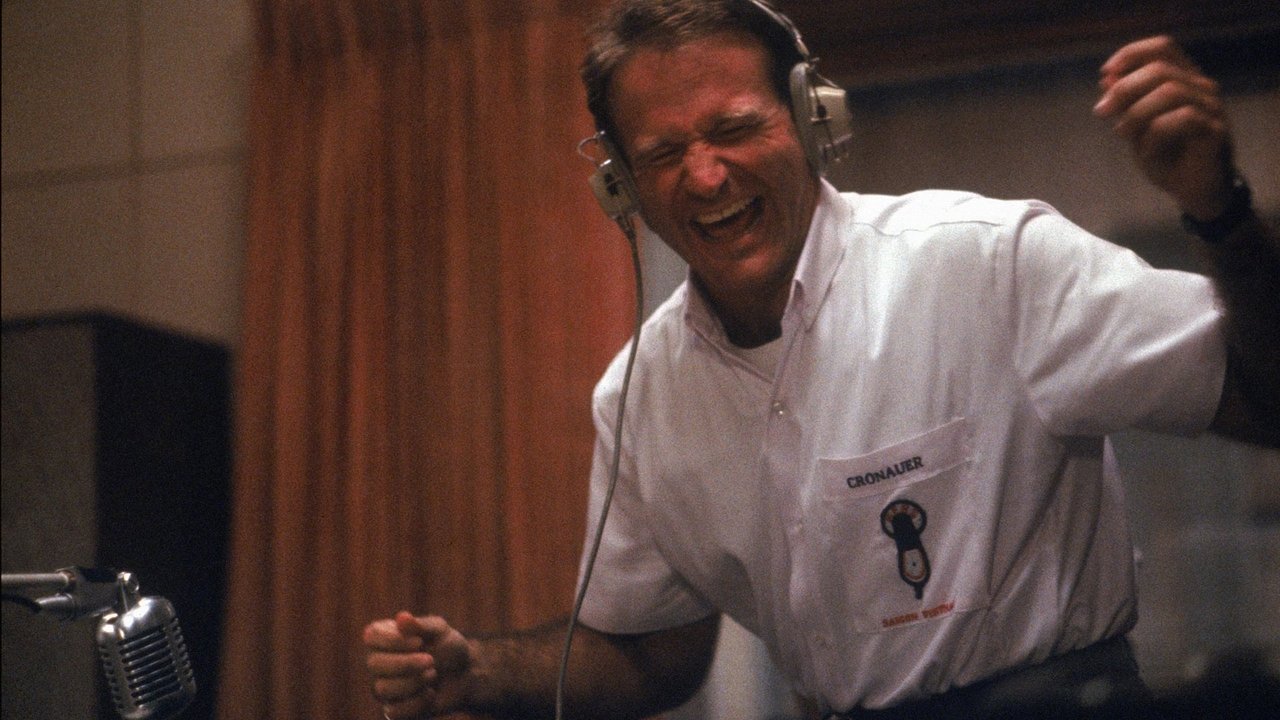
The scenes in the radio booth weren't meticulously scripted; Levinson essentially told the crew to "lock the doors and let Robin be Robin." The result is a series of improvisational sprints that feel electric even decades later. It’s a high-wire act where the humor is a defense mechanism against the humid, oppressive reality of Saigon. Williams’ Cronauer isn't just trying to entertain the troops; he’s trying to keep his own sanity from fraying at the edges. When he’s behind that microphone, he’s a god; when he steps out into the streets, he’s just another target in a city that doesn't want him there.
The Tragedy Beneath the Punchline
While the comedy gets the highlight reel, the drama is what gives the film its bones. The relationship between Cronauer and Tuan (Tom T. Tran) is where the "Dark/Intense" modifier truly earns its keep. It’s a slow-burn realization that friendship in a time of insurgency is a minefield. As Cronauer tries to woo Trinh (Chintara Sukapatana) and "teach" English to the locals (mostly through American slang and insults), the film subtly peels back the layers of American arrogance.
One of the most haunting sequences is the Louis Armstrong "What a Wonderful World" montage. It’s a masterclass in tonal dissonance—the sweet, gravelly voice of Satchmo playing over images of escalating violence, rice paddies exploding, and the quiet terror in the eyes of the Vietnamese people. It’s a sequence that makes your chest tighten, effectively killing the "zany comedy" vibe and replacing it with the cold dread of a conflict that was just beginning to swallow everyone whole. Forest Whitaker, playing the lovable Edward Garlick, serves as the perfect emotional anchor here. His performance is understated, providing a necessary softness to balance Williams' jagged edges.
On the flip side, we have Bruno Kirby as Lt. Steven Hauk. If there’s a more punchable character in 80s cinema, I haven't found him. Kirby plays Hauk with a nasal, bureaucratic incompetence that is terrifying because we’ve all worked for a guy like that. Hauk’s comedy logic is the cinematic equivalent of a wet wool blanket, and his utter lack of self-awareness makes him the perfect foil for Cronauer’s anti-authoritarian streak.
Behind the Mic and the Scenes
This was a massive swing for Touchstone Pictures. With a $13 million budget, it was a mid-sized gamble that paid off to the tune of over $123 million, becoming one of the highest-grossing films of 1987. It proved that audiences were hungry for Vietnam stories that moved beyond the "jungle hell" tropes of Platoon (1986) or Full Metal Jacket (1987) and looked at the cultural collision occurring behind the front lines.
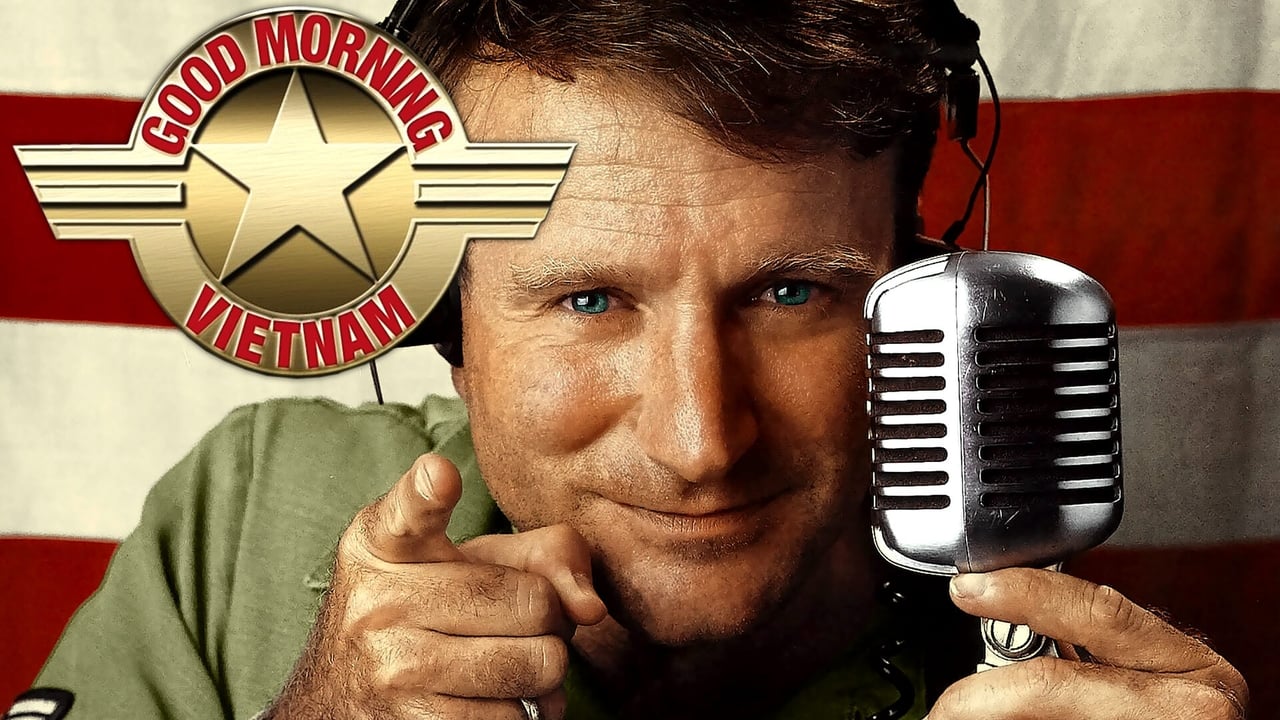
The production itself was no vacation. They shot in Bangkok, Thailand, enduring 100-degree heat and humidity that reportedly made the film's "sweaty" look entirely authentic. Apparently, the real Adrian Cronauer—who was much more of a straight-laced military man than the film depicts—tried to get the movie made for years, but studios only bit when the script was "Williams-ified." It’s a bit of a Hollywood irony: the film is about a man fighting for the truth, yet it takes massive liberties with the truth to tell its story.
I’ve always found it fascinating that Forest Whitaker reportedly stayed in character even off-camera, maintaining Garlick’s nervous, eager-to-please energy to keep the dynamic with Williams sharp. It shows in their chemistry; Garlick isn't just a sidekick, he’s the guy who has to clean up the mess when the laughter stops.
Good Morning, Vietnam remains a vital piece of 80s cinema because it refuses to offer the easy comfort of a standard biopic. It captures that specific New Hollywood transition—where the cynical shadows of the 70s met the high-concept polish of the 80s. It’s a film that makes you laugh until you realize you’re watching a tragedy in slow motion. If you’ve only ever seen the clips of the radio rants, do yourself a favor and watch the whole thing. It’s a reminder that Robin Williams wasn't just a funny man; he was a brilliant actor who could find the heart of a war zone with nothing but a microphone and a sharp wit.
Keep Exploring...
-

Platoon
1986
-
Born on the Fourth of July
1989
-
Rain Man
1988
-
The Sting
1973
-
Doctor Zhivago
1965
-
Sophie's Choice
1982
-
Empire of the Sun
1987
-
Full Metal Jacket
1987
-
Casualties of War
1989
-
Crimes and Misdemeanors
1989
-
Glory
1989
-
Moonstruck
1987
-

Big
1988
-
Working Girl
1988
-
The War of the Roses
1989
-
After Hours
1985
-
First Blood
1982
-

WarGames
1983
-
Beverly Hills Cop
1984
-
Witness
1985