Innerspace
"Martin Short has Dennis Quaid under his skin."
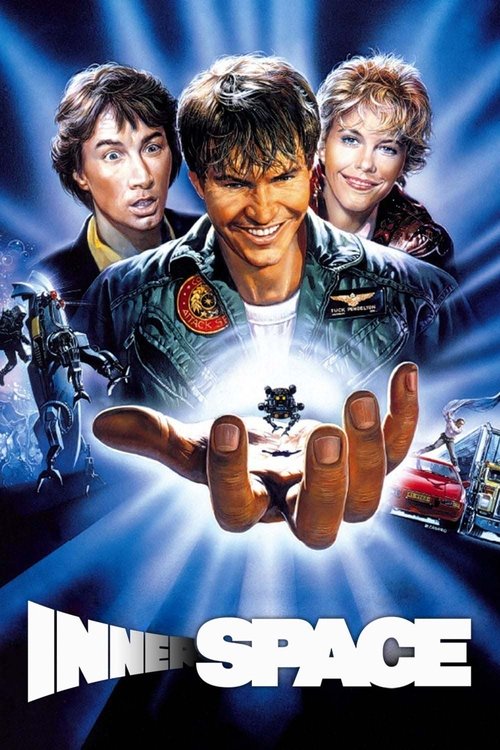
1987 was a miraculous year for the "High Concept" pitch. It was an era where a studio executive could hear the sentence, "We shrink a cocky pilot and accidentally inject him into a nervous grocery clerk," and immediately hand over $27 million. While most of Hollywood was busy trying to find the next Top Gun or Lethal Weapon, Joe Dante was busy making a live-action Looney Tunes cartoon disguised as a sci-fi adventure. I recently rewatched this on a rainy Tuesday while ignoring a pile of laundry that had reached sentient height, and I was struck by how much better this works than the CGI-slathered blockbusters we get today.
The Buddy Comedy Inside the Body
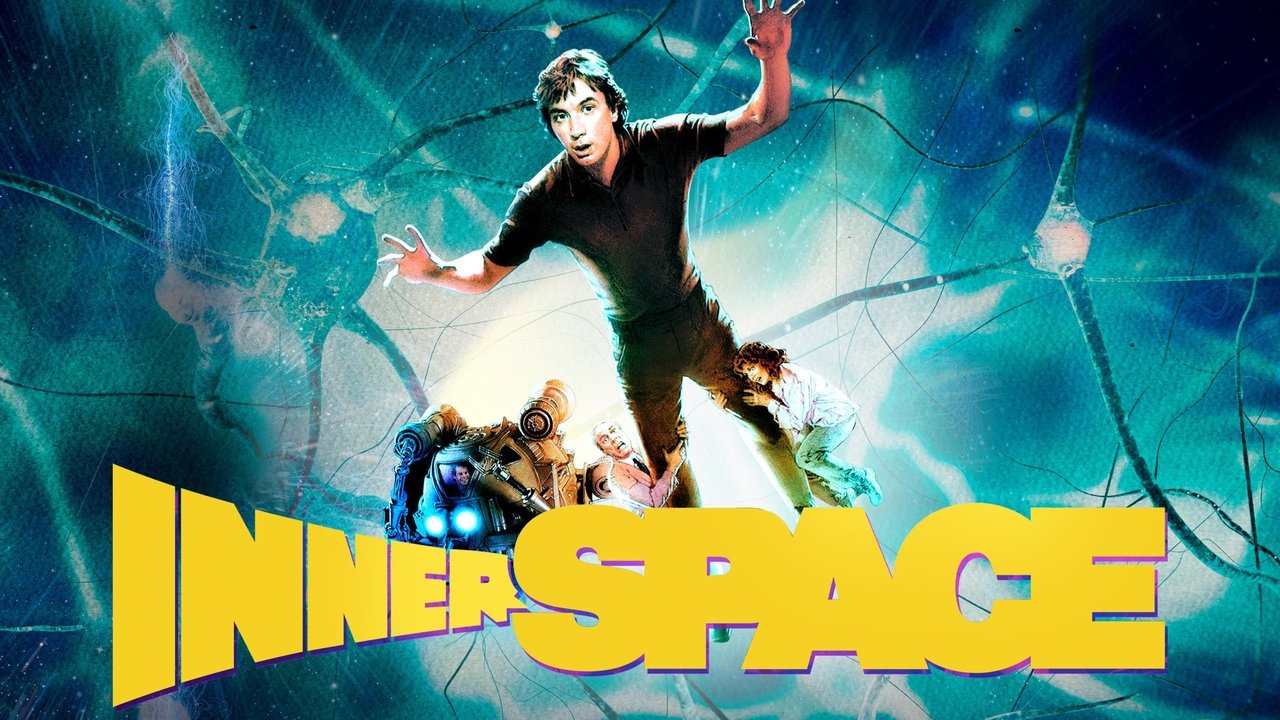
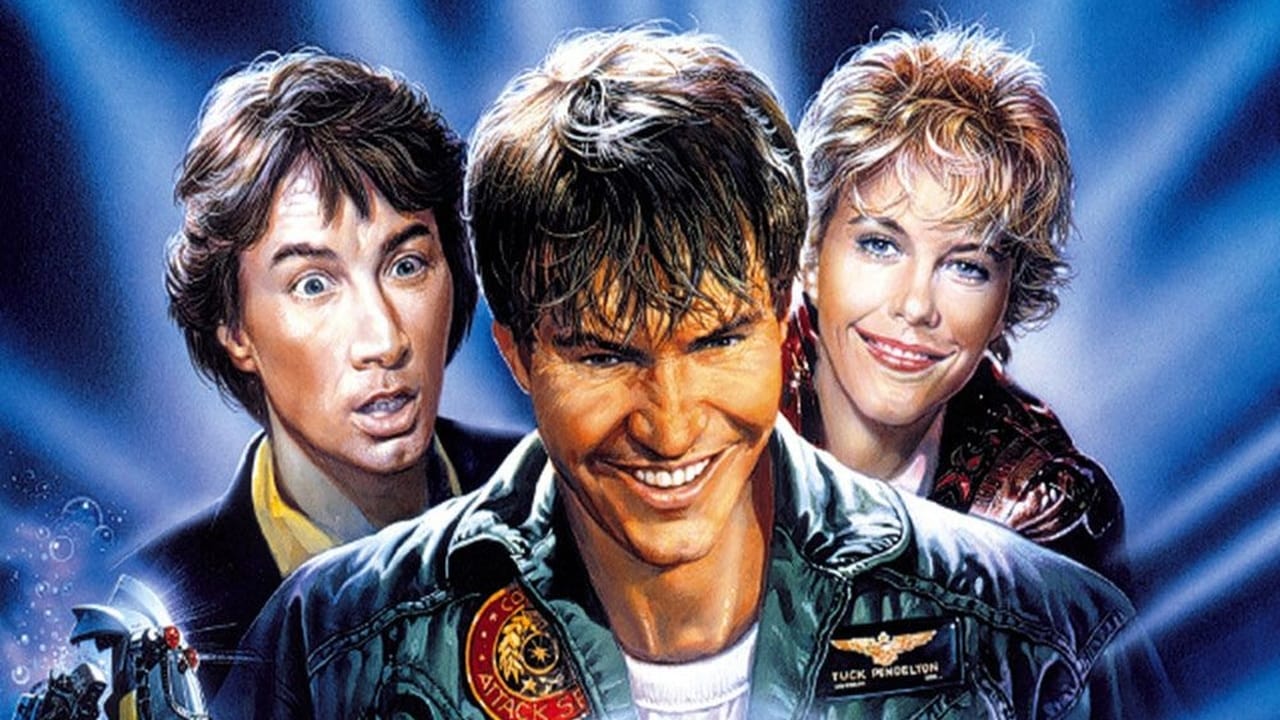
The film kicks off with Lt. Tuck Pendleton (Dennis Quaid), a hard-drinking, disgraced pilot who volunteers for a miniaturization experiment. He’s supposed to be injected into a lab rabbit, but industrial spies intervene, and through a series of frantic events, Tuck ends up inside Jack Putter (Martin Short). Jack is a pathologically neurotic hypochondriac who thinks the voices in his head are a sign of his final breakdown.
The chemistry here is fascinating because the leads are rarely on screen together. Dennis Quaid spends most of the movie in a cockpit, projecting charisma through a microphone, while Martin Short carries the physical heavy lifting. Martin Short’s physical comedy here is more impressive than most modern CGI stunts. Watching him "possession-dance" when Tuck takes manual control of his nervous system is a masterclass in rubber-limbed slapstick. It’s the kind of performance that reminds you why he was such a force in the 80s—he’s able to be completely manic without ever losing the audience's sympathy.
Practical Magic and Gross-Out Gags
Because this is a Joe Dante film, it’s packed with his signature anarchic energy. Dante, the man who gave us Gremlins, has a deep-seated love for the "B-movie" aesthetics of the 1950s, but he had an Amblin-level budget to play with here. The internal sequences, designed by legendary effects wizard Rob Bottin (the same guy who turned a head into a spider in The Thing), are spectacular.
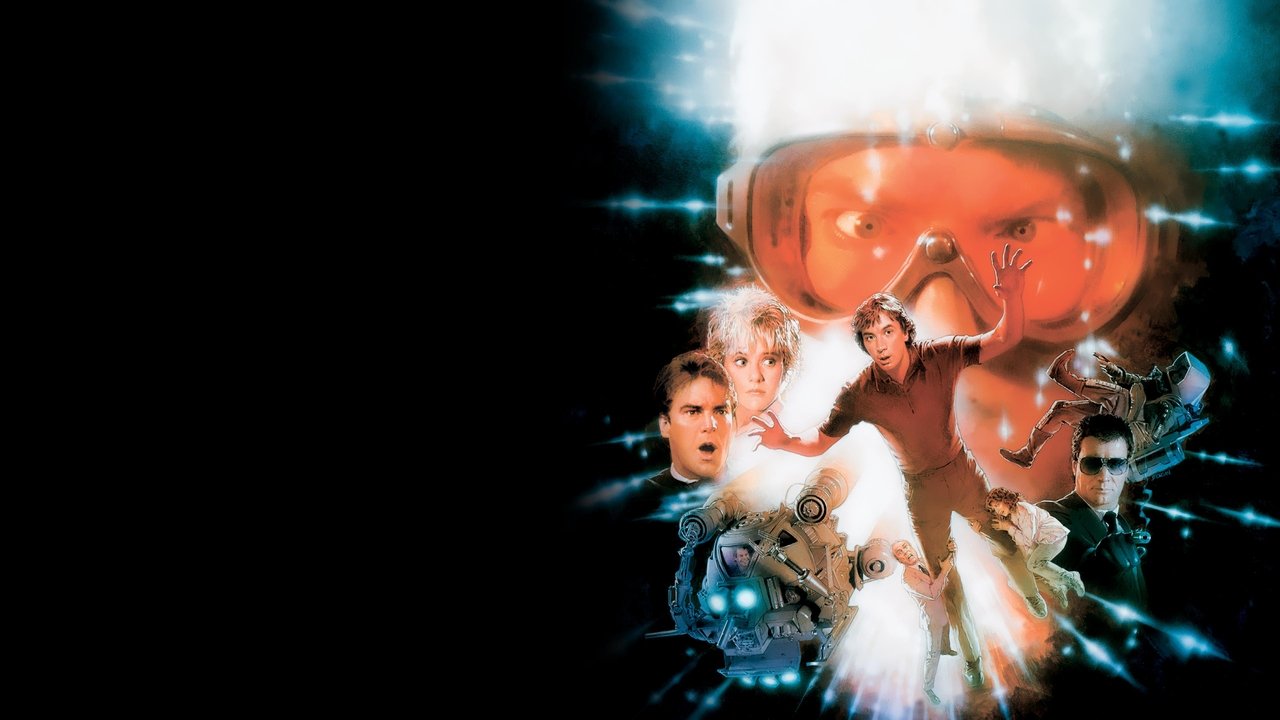
Instead of the sterile, glowing digital landscapes of modern sci-fi, Innerspace gives us a human body that feels wet, organic, and slightly claustrophobic. When Tuck’s ship navigates the esophagus or stares down a giant, pulsing optic nerve, it feels like a real place. The villains are just as fun—Kevin McCarthy and Fiona Lewis play the industrial saboteurs with a delicious, over-the-top villainy. And then there’s Vernon Wells as Mr. Igoe, a silent henchman with a prosthetic hand that swaps out for various gadgets. The villains are essentially high-fashion Bond parodies who wandered into the wrong movie. It’s camp, but it’s played with such straight-faced commitment that it totally works.
The VHS Afterlife and the Amblin Glow
While the film didn't set the box office on fire in 1987—ironically losing out to more conventional hits—it became an absolute titan of the video rental era. I remember the VHS box art vividly; that giant syringe poised over a tiny ship promised a level of danger that the movie’s comedic tone constantly subverts. It was one of those tapes that stayed at the top of the "Staff Picks" shelf at every Mom-and-Pop video store because it appealed to everyone. It had the romance (thanks to a radiant Meg Ryan as Lydia Maxwell), the sci-fi tech, and the slapstick.
The film also benefits from a classic Jerry Goldsmith score that bounces between heroic fanfares and synth-heavy suspense. It captures that specific "Amblin Glow"—a feeling of suburban wonder mixed with genuine peril. Whether it’s the sequence where Jack has to "transform" his face to look like a middleman (a wonderful bit of practical makeup work) or the final showdown in a shrinking pod, the pacing never lets up. Jeffrey Boam and Chip Proser’s screenplay is remarkably tight for a movie that has to explain quantum miniaturization and a three-way romance simultaneously.
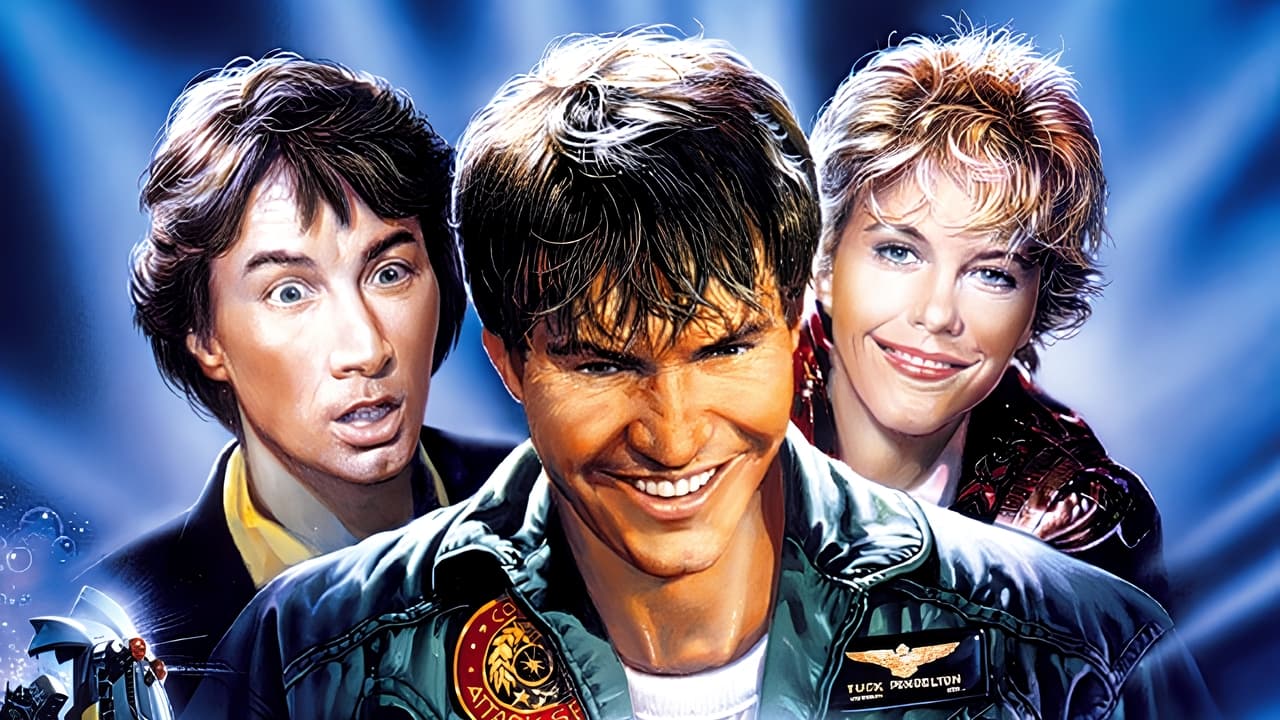
Innerspace is a reminder of a time when special effects were used to enhance a performance rather than replace it. It’s a loud, messy, hilarious, and technically brilliant piece of entertainment that feels more "human" than almost anything in the current superhero landscape. If you haven't seen it since the days of tracking buttons and rewinding tapes, it’s time to head back inside.
Watching Jack Putter find his confidence while a tiny Dennis Quaid shouts instructions from his inner ear is a joy that hasn't aged a day. It’s the ultimate 80s "what if" story, executed with a level of craft that makes you miss the days before everything was solved with a green screen. Plus, any movie that features a tiny ship navigating a giant sneeze deserves a spot in the cinematic pantheon.

Keep Exploring...
-

The 'Burbs
1989
-
Gremlins
1984
-
Bad Taste
1987
-
48 Hrs.
1982
-

Romancing the Stone
1984
-
The Jewel of the Nile
1985
-

Short Circuit
1986
-

The Golden Child
1986
-

Midnight Run
1988
-
K-9
1989
-
Lethal Weapon 2
1989
-
Turner & Hooch
1989
-

Small Soldiers
1998
-
Teenage Mutant Ninja Turtles II: The Secret of the Ooze
1991
-
Stripes
1981
-
Weird Science
1985
-
Batman
1966
-
Time Bandits
1981
-
Big Trouble in Little China
1986
-

Beverly Hills Cop II
1987