Lethal Weapon
"One's a ticking bomb. The other is just counting the days."

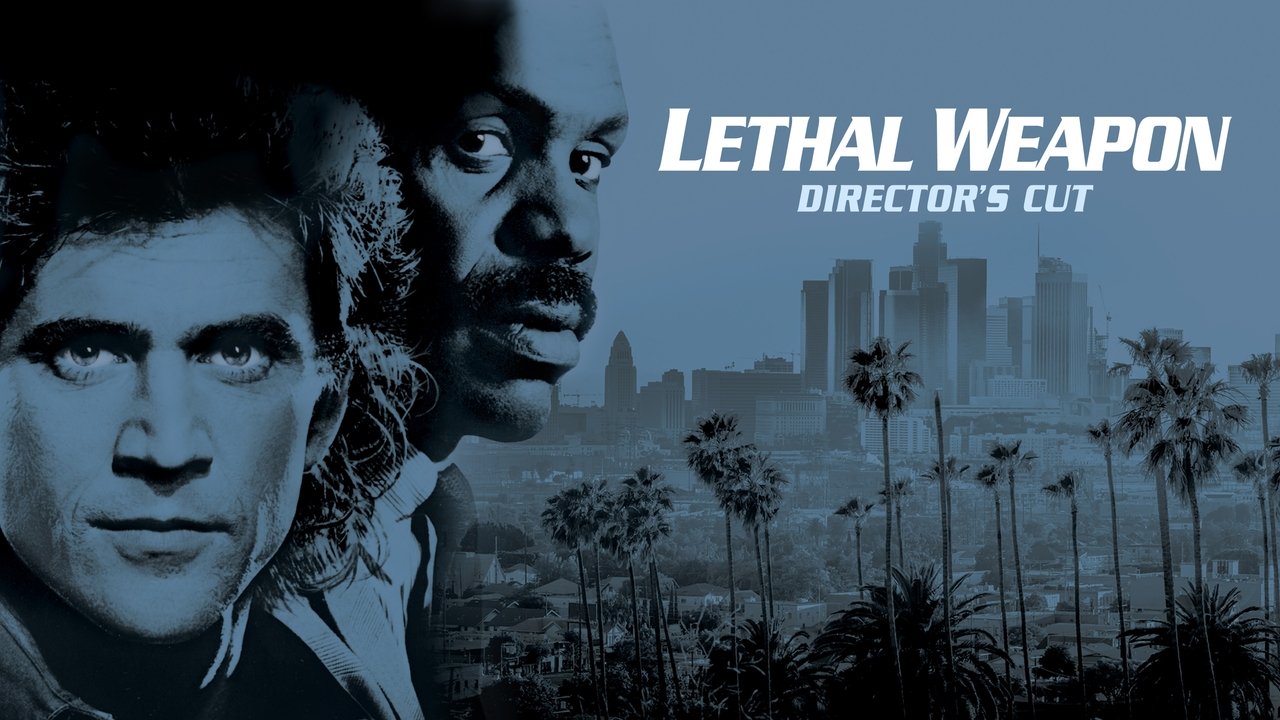
The 1980s was a decade of high-concept gloss, but it also birthed a specific kind of gritty, neon-soaked Los Angeles noir that felt like it was perpetually filmed during the "golden hour" or at three in the morning. At the center of that aesthetic sits Lethal Weapon, a film that didn't just launch a franchise; it effectively built the blueprint for the modern buddy-cop movie and then dared anyone else to try and do it better. I watched this again recently while my neighbor was outside power-washing his driveway for three hours straight, and the aggressive hum of the machine actually felt like a perfect extension of the film’s relentless, jangling energy.
The Blueprint for the Buddy Cop
What usually gets lost in the sea of sequels and imitators is just how dark the original Lethal Weapon actually is. Before it became a franchise about family barbecues and catching bad guys with "the guys," Richard Donner (the man who made us believe a man could fly in Superman) delivered a film that starts with a drug-fueled suicide and features a protagonist who spends his mornings contemplating a hollow-point breakfast.
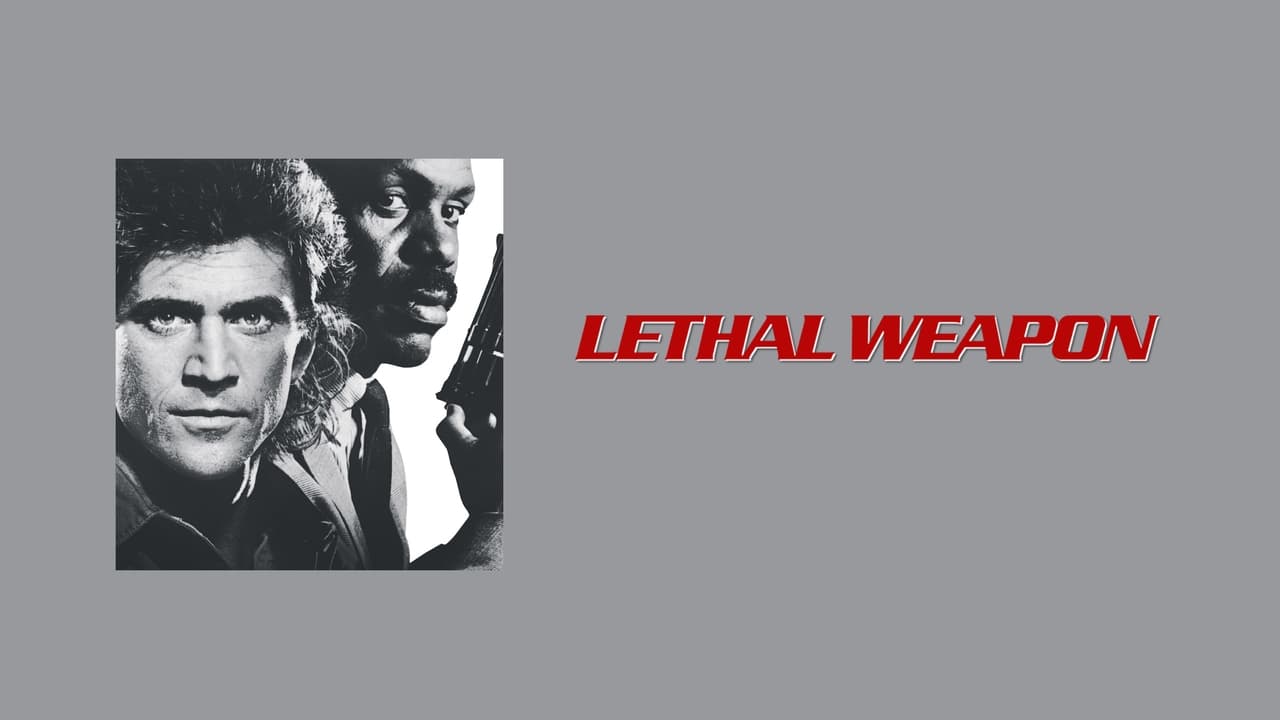
The script, penned by a then-22-year-old Shane Black, is a masterclass in tonal tightrope walking. Black has a legendary ability to mix whip-smart, cynical dialogue with genuine pathos, a style he’d later refine in gems like The Last Boy Scout and Kiss Kiss Bang Bang. Here, he gives us Martin Riggs (Mel Gibson), a Special Forces veteran turned cop who is legitimately unhinged following the death of his wife. Opposite him is Roger Murtaugh (Danny Glover), a man whose primary goal in life is to reach his 50th birthday and retire to his boat.
The chemistry between Gibson and Glover is the film's secret sauce. It’s not just that they’re different; it’s that they feel like they exist in two different genres that slowly merge. Murtaugh is in a domestic sitcom; Riggs is in a nihilistic revenge thriller. Watching them find a middle ground—usually through shared trauma and increasingly creative profanity—is where the movie finds its soul. Most modern action movies are terrified of the darkness that makes this film work, opting for quippy invincibility instead of the raw, sweating desperation Riggs displays in that trailer on the beach.
Practical Mayhem and the VHS Goldmine
In 1987, if you wanted to see a car flip, you actually had to flip a car. Lethal Weapon is a celebration of the Practical Effects Golden Age. When that house explodes in the opening act, or when Riggs jumps off a building while handcuffed to a jumper, there is a tangible weight to the chaos. Stephen Goldblatt’s cinematography captures the hazy, smog-filtered light of Southern California, making the world feel lived-in and slightly dangerous.
The film was a massive commercial juggernaut, pulling in over $120 million on a modest $15 million budget. It’s the kind of success that changed how studios looked at "R-rated" action. But for many of us, the real legacy of Lethal Weapon happened in the aisles of local video stores. This was the ultimate rental—the kind of tape with the iconic black-and-blue Warner Home Video box that was always slightly sticky from a previous viewer's popcorn. It was a movie you watched until the tracking went fuzzy during the climactic desert showdown between Riggs and Mr. Joshua (Gary Busey).
Speaking of Busey, he is absolutely chilling here. Before he became a caricature of himself in later years, he played the silent, blonde-haired embodiment of Reagan-era anxiety. His final fight with Gibson—a rain-slicked, mud-caked brawl on a suburban lawn—remains one of the most brutal and oddly intimate finales in action history. It wasn't about a giant laser in the sky; it was about two trained killers seeing who would break first.
The Cultural Aftershocks
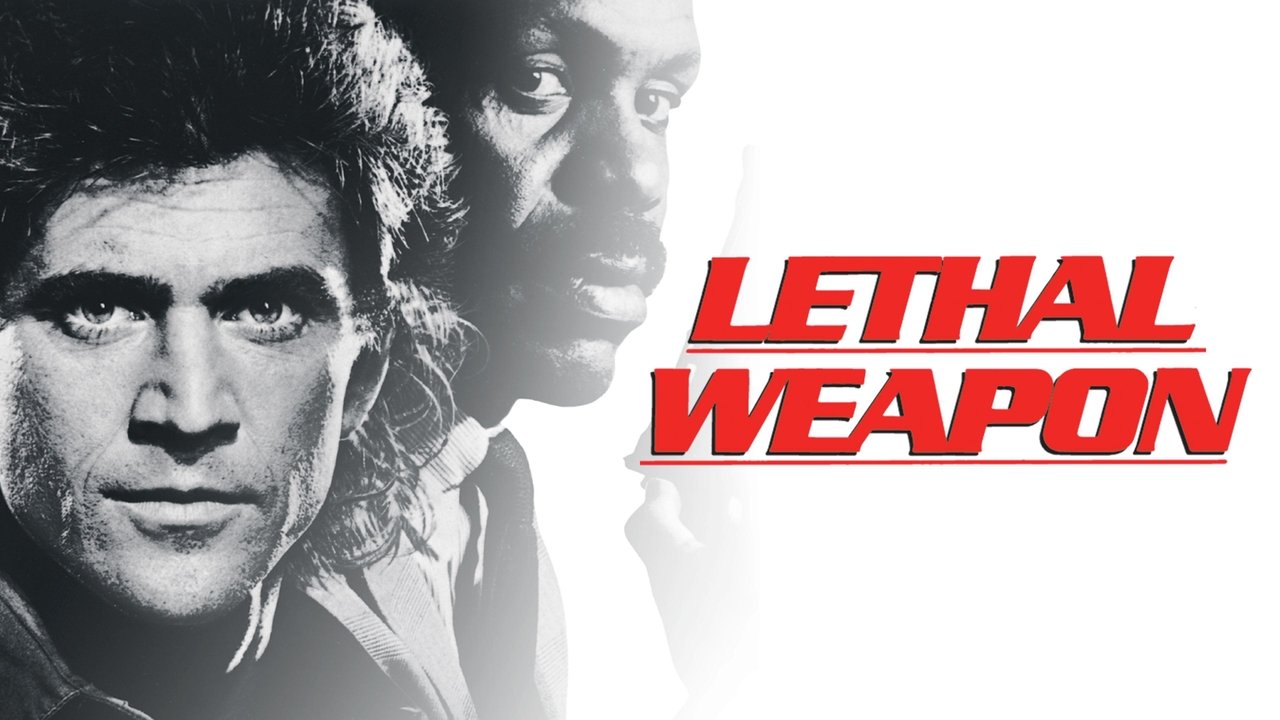
The success of Lethal Weapon can't be overstated. It didn't just make Mel Gibson a superstar; it turned the "mismatched partners" trope into an industry standard. Beyond the box office, it influenced everything from Die Hard to the Bad Boys series. It also cemented the "Christmas in July" vibe that Shane Black would return to throughout his career, using the holiday backdrop to contrast the loneliness of his heroes with the warmth of the world they’re trying to protect.
The production was famously intense. Gibson and Glover actually underwent training with the L.A. County Sheriff's Department and practiced martial arts for weeks to ensure their fight choreography looked like combat rather than a dance. That dedication shows. When Riggs dislocates his shoulder (or pretends to) to escape a straightjacket, you feel it in your own joints. Riggs is actually more terrifying than the villains for the first hour, and that’s a bold choice for a "blockbuster" protagonist.
Ultimately, Lethal Weapon is the gold standard for a reason. It balances high-stakes thrills with a genuine heart, anchored by a pair of performances that have never been successfully duplicated, despite decades of trying. It’s a reminder of a time when action movies felt like they were made by people with something to lose, using real film, real fire, and real grit.
If you haven't revisited the Murtaugh household in a while, do yourself a favor and pop this one on. It’s a perfect slice of 80s cinema that proves some things—like a well-timed quip and a perfectly executed stunt—never truly go out of style. Even if you, like Roger, feel like you're getting "too old for this shit," this movie will make you feel young again.
Keep Exploring...
-
Lethal Weapon 2
1989
-
Lethal Weapon 3
1992
-
Lethal Weapon 4
1998
-

Midnight Run
1988
-
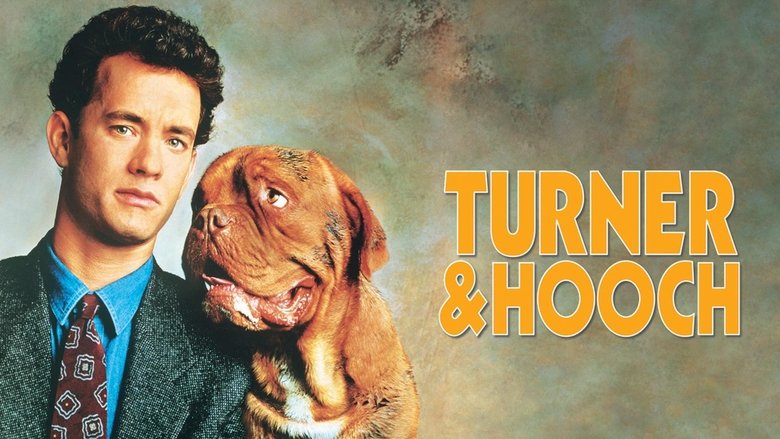
Turner & Hooch
1989
-
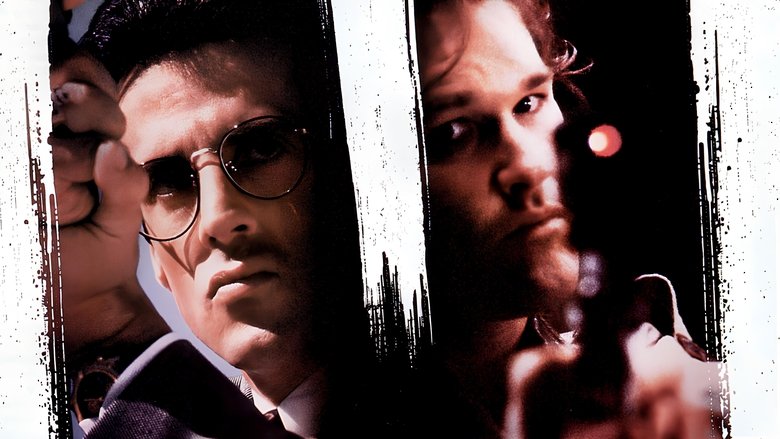
Tango & Cash
1989
-
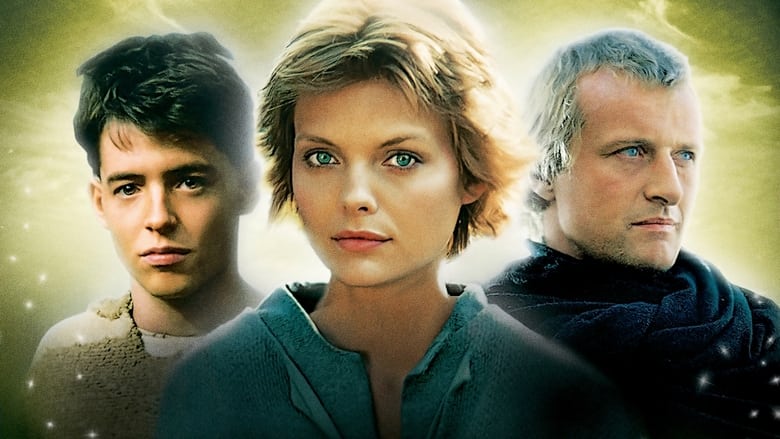
Ladyhawke
1985
-
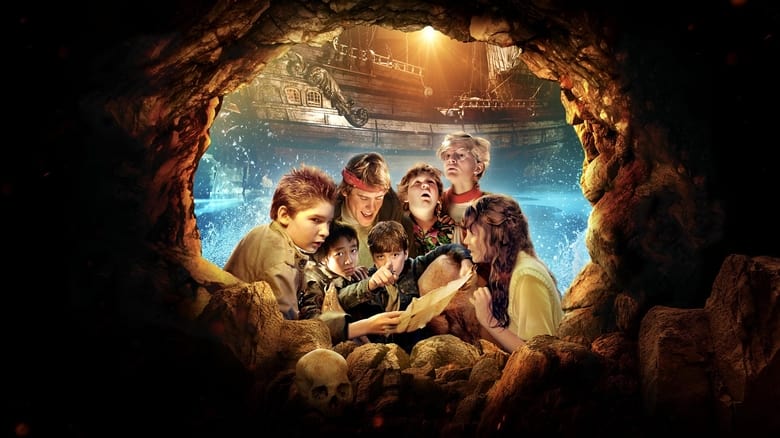
The Goonies
1985
-
Beverly Hills Cop II
1987
-
Scrooged
1988
-
Maverick
1994
-
The Blues Brothers
1980
-

The Gods Must Be Crazy
1980
-
48 Hrs.
1982
-
Romancing the Stone
1984
-
Big Trouble in Little China
1986
-
Innerspace
1987
-
The Lost Boys
1987
-
Bad Boys
1995
-
The Hitman's Bodyguard
2017