Planes, Trains and Automobiles
"The most stressful holiday you'll ever love."
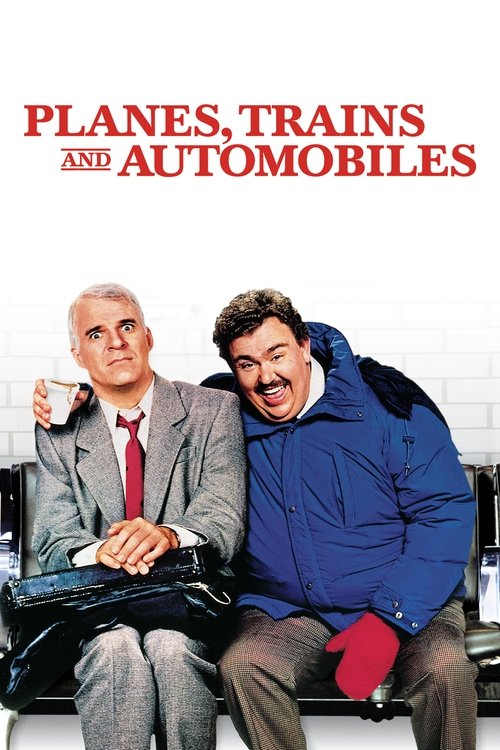
The holiday travel season is a special kind of purgatory, a collective madness where normally sane adults will fight a grandmother for the last available seat on a Greyhound bus. Every time I find myself trapped in a middle seat between a crying infant and a man eating a hard-boiled egg, I think of Neal Page. I watched this film again last Tuesday while eating a slightly-too-old slice of cold pizza, and I realized that Planes, Trains and Automobiles isn't just a comedy; it's a survival horror movie for the middle class.
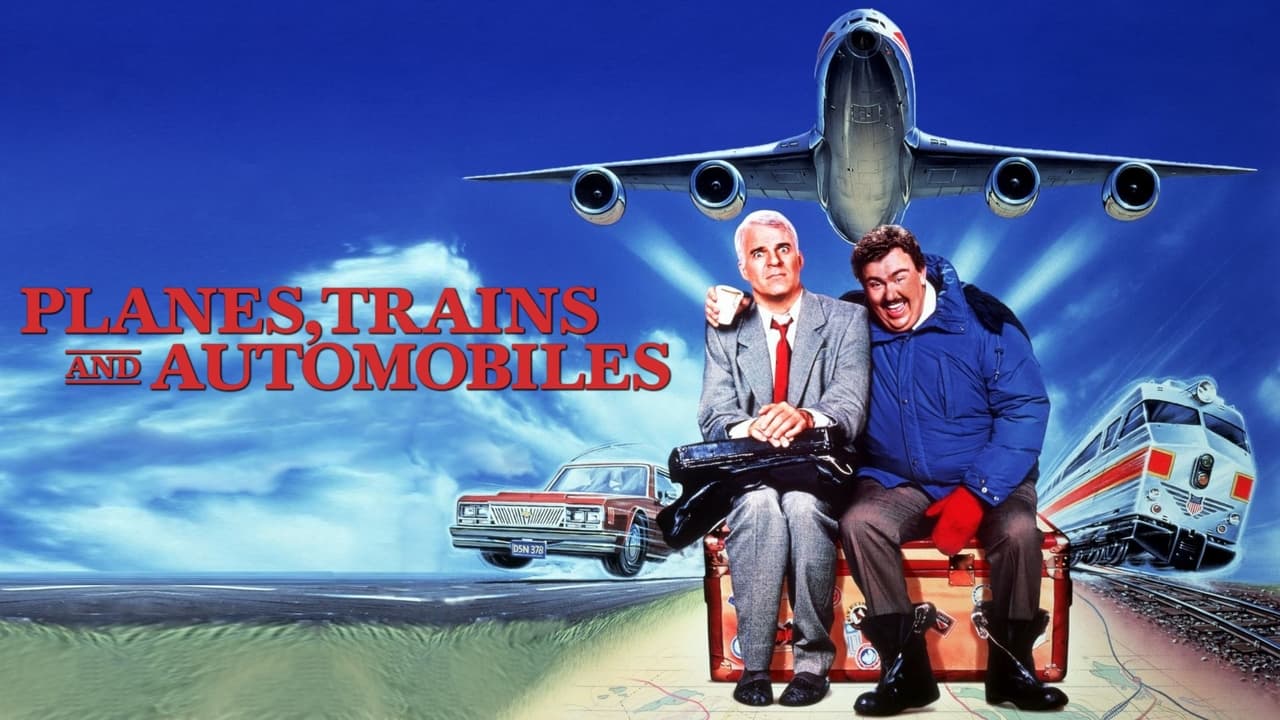
Released in 1987, this was a massive pivot for John Hughes. Before this, he was the king of the suburban teen angst machine (The Breakfast Club, Ferris Bueller's Day Off). Moving into adult territory, he brought that same sharp ear for dialogue but applied it to the existential dread of being an irritable marketing executive trying to get from New York to Chicago.
The Perfect Friction of Two Titans
The engine of this film is the chemical reaction between Steve Martin and John Candy. It’s the ultimate "Straight Man vs. Chaos Agent" dynamic. Steve Martin plays Neal Page with a tightly wound, condescending perfection—he is the guy who thinks he is better than everyone else because he has a first-class ticket and a sleek briefcase. When that world collapses, his descent into madness is glorious.
Then there’s Del Griffith. John Candy gives what I consider to be the performance of his career. Del is an overbearing, trunk-hauling, shower-curtain-ring salesman who doesn't know when to shut up. In the hands of a lesser actor, Del would be an insufferable villain. But Candy brings a crushing vulnerability to the role. When Neal finally snaps and delivers that brutal monologue about how much he hates Del’s stories, the look on Candy’s face isn't one of anger—it’s the look of a kicked puppy. Neal Page is low-key a villain for half the movie, and watching him slowly realize that his "superior" life is actually quite lonely is the film's secret weapon.
The 80s Texture and the Four-Hour Myth
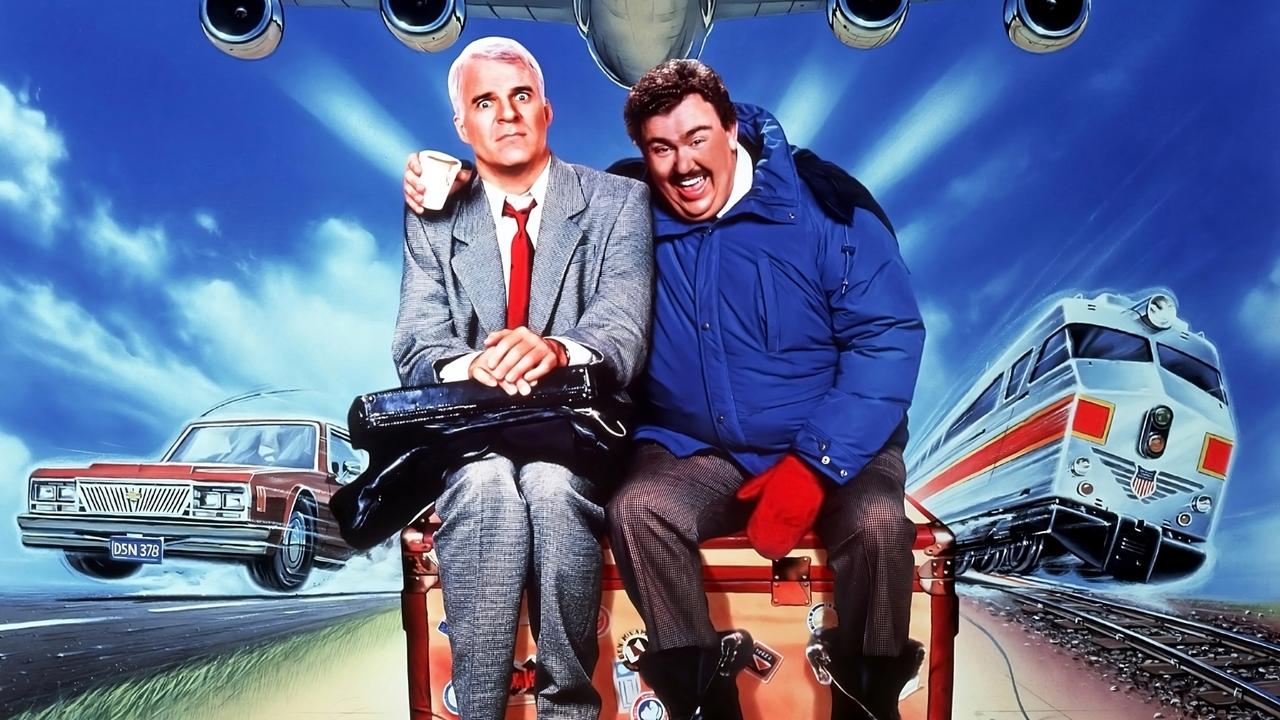
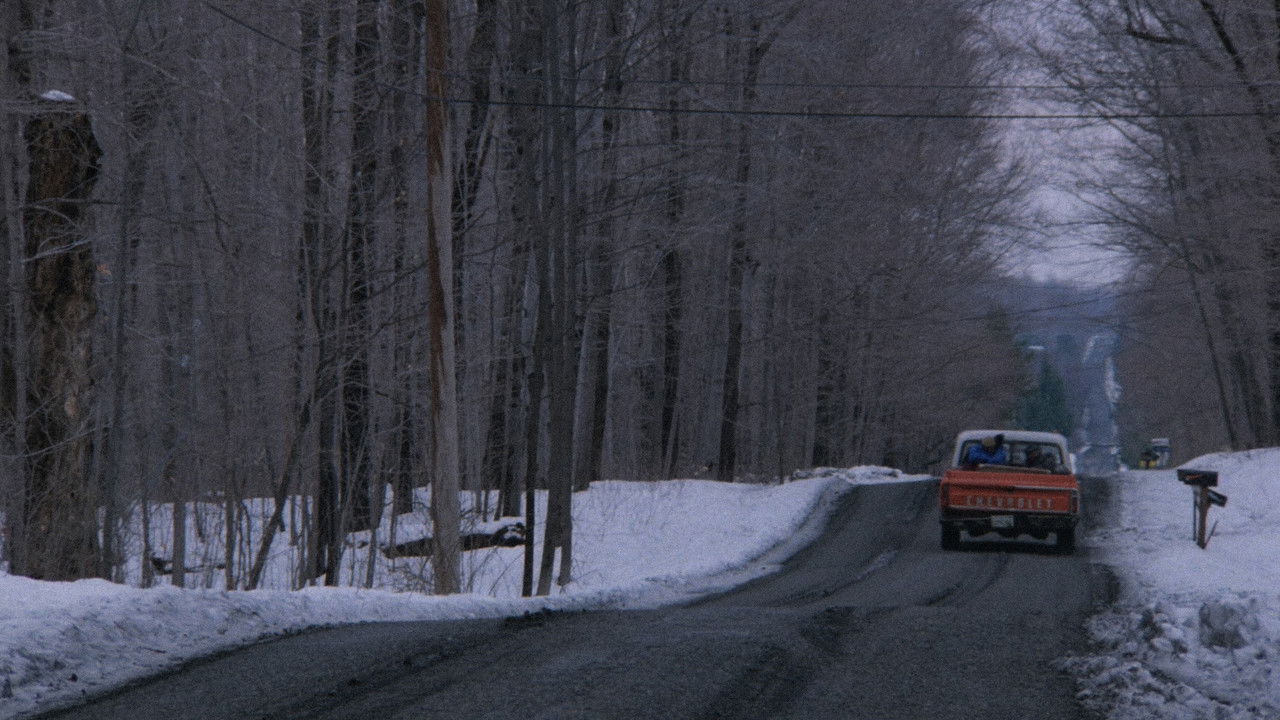
There is a specific, chunky aesthetic to 1987 that this movie captures perfectly. It’s an era of massive, boxy rental cars, payphones with tangled cords, and those beige-on-beige airport terminals that felt like hospital waiting rooms. The cinematography by Donald Peterman manages to make the freezing Midwestern landscape look both beautiful and hostile. You can practically feel the slush soaking through Neal’s expensive leather shoes.
One of the most legendary bits of trivia regarding this production is that the first assembly cut of the film was reportedly nearly four hours long. John Hughes was notorious for letting his actors riff, and John Candy was a master of the improvised tangent. Most of that footage is locked away in a vault somewhere, but you can feel the density of the character work in what remains. The famous "F-bomb" rant at the rental car counter—where Neal finally loses his mind—only lasts about a minute, but it was enough to slap an R-rating on what is otherwise a relatively wholesome movie. It’s the most cathartic sixty seconds in cinema history for anyone who has ever been told "there are no cars available."
Beyond the Slapstick
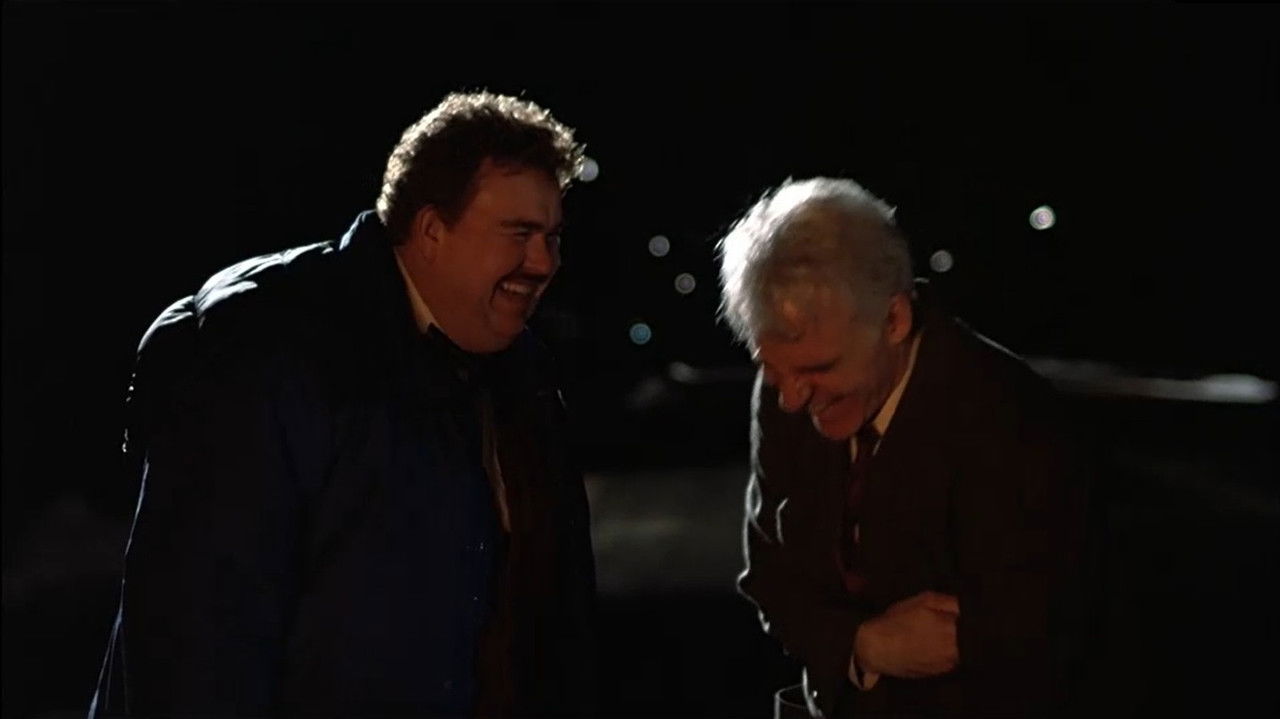
While the physical comedy is top-tier (the scene where they wake up in the same bed is a masterwork of awkward timing), the film's legacy lives in its heart. By the time they reach the third act, the jokes have paved the way for something genuinely moving. When Neal finally sees the truth about Del on that train platform, it hits like a freight train.

The supporting cast is a "Who's Who" of 80s character actors. Michael McKean (of This Is Spinal Tap fame) pops up as a state trooper, and Dylan Baker is terrifyingly weird as Owen, the man with the "sinus" problem. Even Kevin Bacon makes a wordless cameo at the very beginning in a frantic race for a taxi—a subtle nod to his role in Hughes' She's Having a Baby.
This is the rare comedy that actually improves with age because the central theme—the desperate need for human connection amidst chaos—is timeless. It’s a film that understands that sometimes the person driving you crazy is the only person who actually cares if you make it home. If you haven't seen it since the days of renting the big Paramount clamshell VHS, it’s time for a rewatch. Just make sure you’ve got a pair of mittens and a high tolerance for shower curtain rings.
Keep Exploring...
-

Sixteen Candles
1984
-

Ferris Bueller's Day Off
1986
-

The Breakfast Club
1985
-
Weird Science
1985
-
Uncle Buck
1989
-
National Lampoon's Christmas Vacation
1989
-

Spaceballs
1987
-
Dirty Rotten Scoundrels
1988
-
The King of Comedy
1982
-
National Lampoon's Vacation
1983
-
Trading Places
1983
-
The Goonies
1985
-
Big Trouble in Little China
1986
-
Raising Arizona
1987
-

The Lost Boys
1987
-

The Princess Bride
1987
-

Beetlejuice
1988
-

Bill & Ted's Excellent Adventure
1989
-

When Harry Met Sally...
1989
-
Monty Python's The Meaning of Life
1983