Police Academy 4: Citizens on Patrol
"The Badge is Back. The Brains are Optional."
I watched this latest revisit of Police Academy 4: Citizens on Patrol while sitting on a beanbag chair that smelled vaguely of an old basement, which is exactly how this film was meant to be consumed. There is a specific sensory memory attached to these films—the clunk of the plastic VHS gate, the tracking lines flickering across a CRT screen, and the realization that you’ve reached the absolute peak of 1980s studio comedy efficiency. By 1987, the Police Academy franchise was a finely tuned machine designed to convert slapstick into box office gold, and while the critics were already sharpening their knives, we kids were just waiting for Michael Winslow to make a helicopter noise.
This installment marks the end of an era: it’s the final appearance of Steve Guttenberg as Mahoney. You can almost see him eyeing the exit signs in every scene, possessing the relaxed, slightly bored charisma of a guy who knows he’s about to star in Three Men and a Baby. But his departure doesn’t stop the momentum of Commandant Lassard’s latest "brilliant" idea: the Citizens on Patrol (C.O.P.) program. The concept is pure 80s—a community outreach initiative that brings in a ragtag group of misfits, including a skateboarding rebel and some senior citizens, to train alongside the regular force.
The VHS Rental Hero
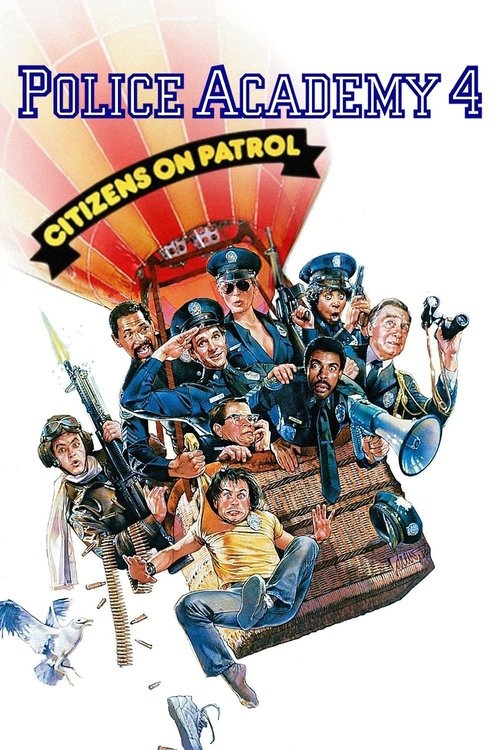
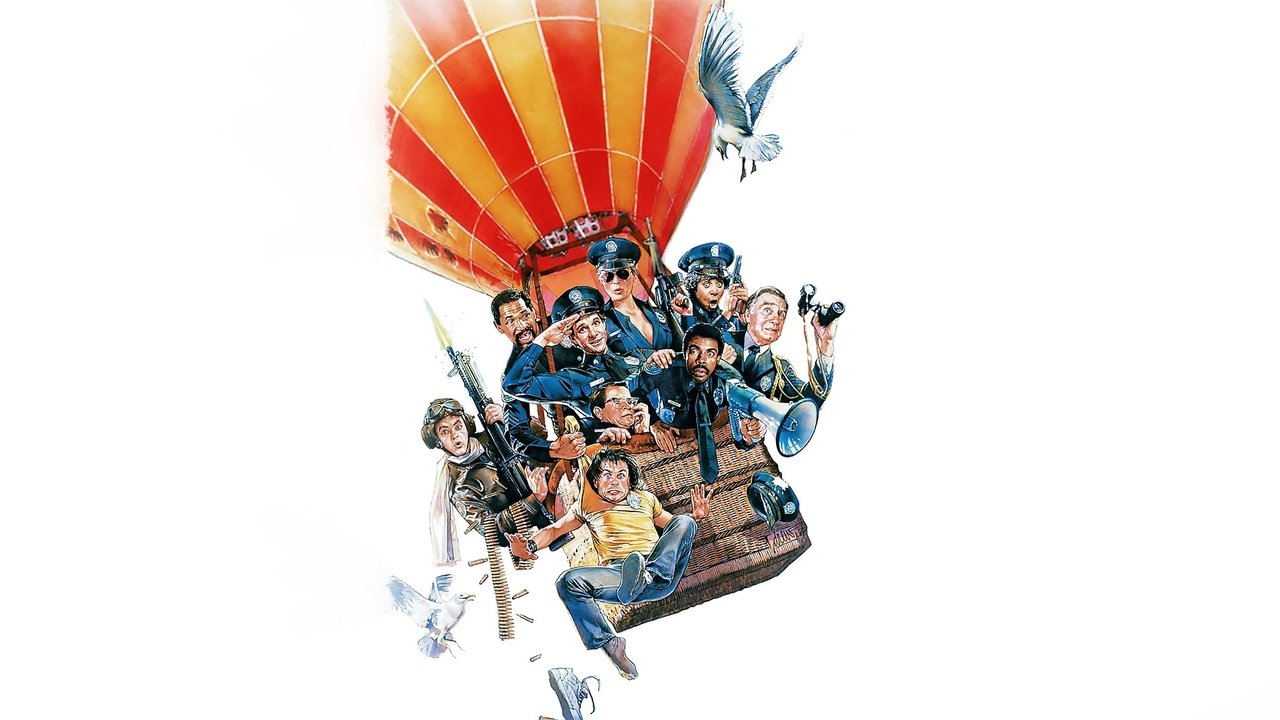
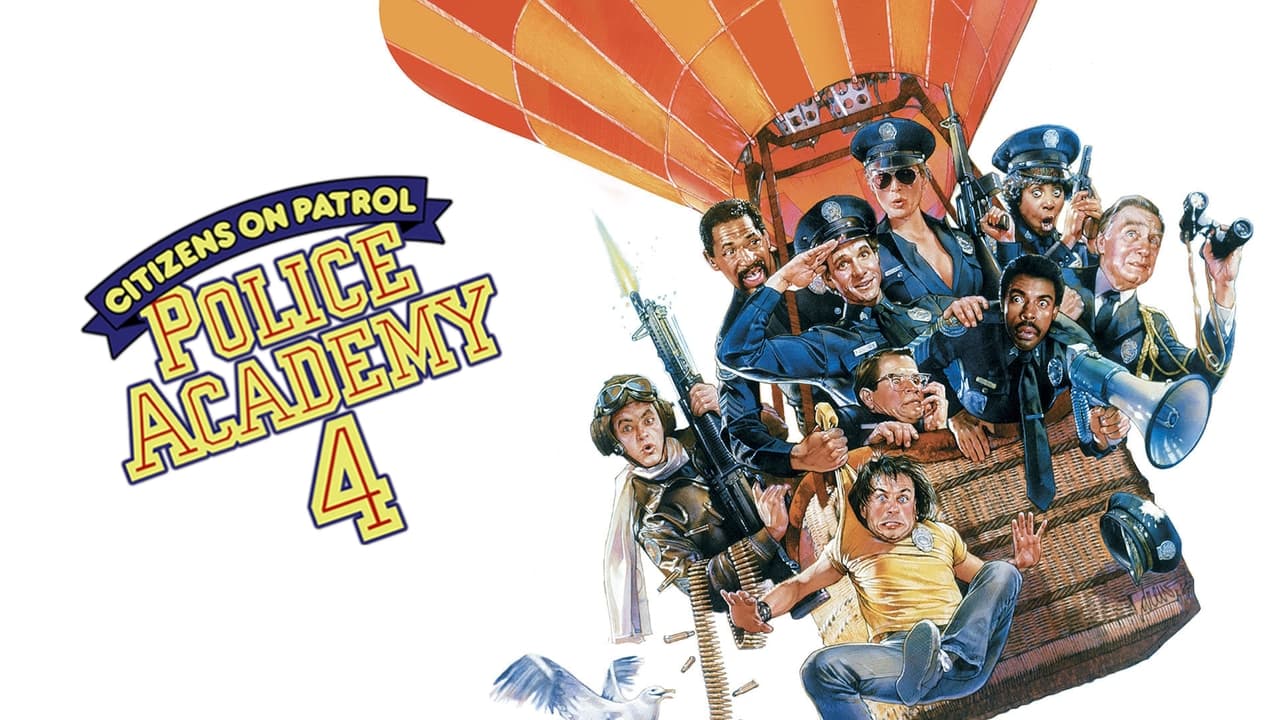
For those of us who grew up in the shadow of a Blockbuster or a local "Mom and Pop" video shop, Police Academy 4 was a staple of the "3 for $5" rental deal. The box art always promised a riot of color and chaos, and the film delivers exactly what is on the tin. It doesn’t ask for your intellectual engagement; it asks for your permission to dump a bucket of water on a guy in a suit.
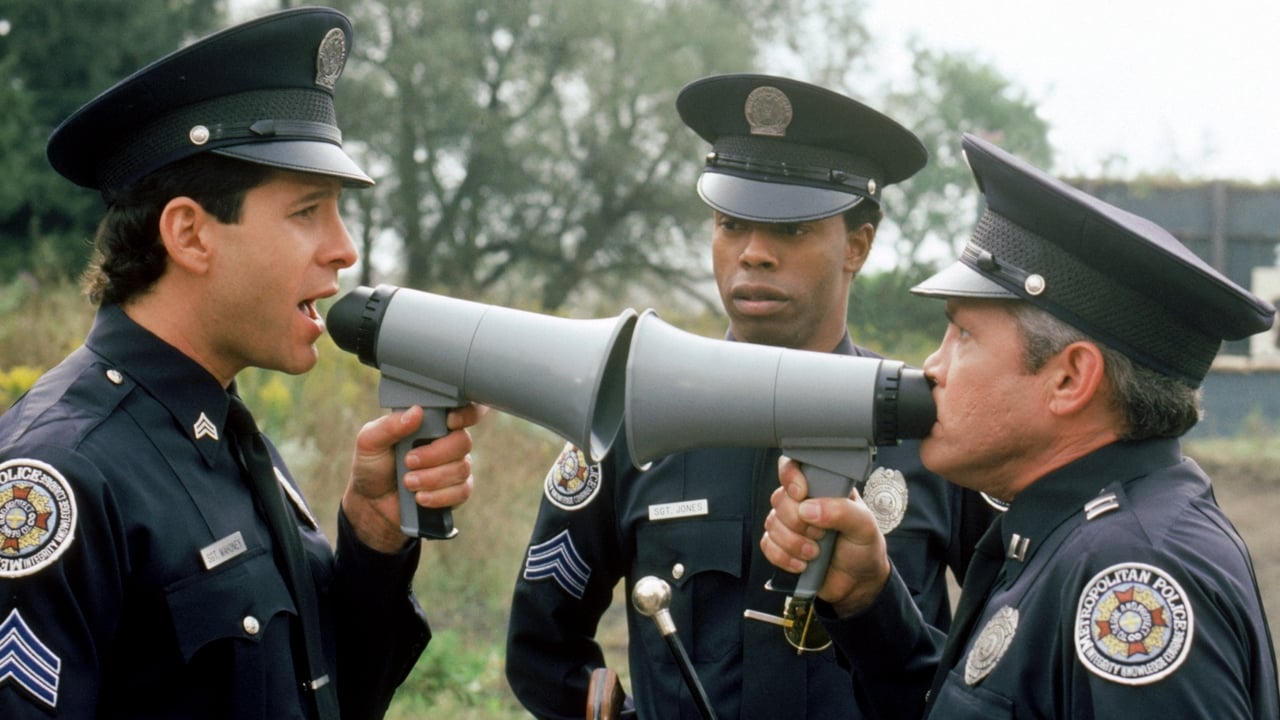
The humor here is the cinematic equivalent of a whoopee cushion, but I’ll be honest: the Zed and Sweetchuck dynamic is the only thing keeping this franchise from drifting into total irrelevance. Bobcat Goldthwait (as the reformed gang leader Zed) and Tim Kazurinsky (as the neurotic Sweetchuck) are a classic comedy duo trapped in a movie that doesn't always know what to do with them. Their chemistry is frantic and genuinely weird, providing a necessary jolt of energy whenever the plot—which involves Captain Harris (G.W. Bailey) trying to sabotage the program—starts to sag. Harris remains the ultimate 80s "mean boss" archetype, and his constant humiliation (this time involving shoe polish and a megaphone) is a comfort-food staple of the era.
A Time Capsule of Radical Proportions
What makes Police Academy 4 stand out from its predecessors isn't the script—which Gene Quintano seemingly wrote on a weekend—but its sheer commitment to 1987 youth culture. The inclusion of the "skateboarding sequence" is legendary among Gen-Xers and older Millennials. This isn't just a throwaway gag; it’s a full-blown showcase featuring a young David Spade in his film debut and some "stunt doubles" you might recognize: Tony Hawk, Steve Caballero, and Lance Mountain.
Watching these legends weave through a fruit market and perform tricks over police cruisers is a glorious piece of pre-CGI practical filmmaking. There’s no digital trickery here, just real skaters and real stunts, which gives the sequence a tactile energy that holds up surprisingly well. The skateboarding chase is arguably more culturally significant than the entire plot of the fifth and sixth movies combined. It captures a moment when the "extreme sports" craze was just beginning to seep into the mainstream consciousness, even if it was framed by Steve Guttenberg doing a "thumbs up" at the camera.
Practical Pranks and Big Balloons
As we moved toward the late 80s, the "Practical Effects Golden Age" meant that even cheap comedies had to have a "big" finale. For PA4, it’s the hot air balloon chase. It’s silly, it makes no logical sense, and it’s clearly a way to use up the remaining budget, but there’s something charming about the scale of it. Director Jim Drake keeps the camera wide enough to show us that these are real balloons in the air, a stark contrast to the green-screen-heavy comedies of today.

Even the supporting cast is a bizarre "Who’s Who" of the era. You’ve got Bubba Smith being the lovable powerhouse, David Graf as the gun-obsessed Tackleberry (a character that has aged with a very specific, nervous kind of irony), and a young Sharon Stone as a journalist love interest for Mahoney. She’s far too good for this movie, and yet she leans into the absurdity with a smile that says, "My agent promised me this would lead to better things." Turns out, her agent was right.
Ultimately, Police Academy 4: Citizens on Patrol isn't a "good" movie by any traditional metric, but it is a perfect artifact. It represents the moment when the 80s comedy formula was perfected and began to slightly curdle at the same time. It’s loud, it’s broad, and it’s entirely harmless. If you’re looking for high-brow satire, you’ve taken a very wrong turn, but if you want to remember what it felt like to be ten years old on a Friday night with a bag of popcorn and a rented tape, this is your time machine.
The film serves as a neon-soaked goodbye to the original gang's peak chemistry. While the sequels would continue to churn out (all the way to Moscow!), the heart of the franchise—that weird, inclusive, slapstick spirit—started to dim after the credits rolled on Mahoney's final prank. It’s a movie that doesn't demand your respect, only your nostalgia, and on a quiet Tuesday night, that’s usually more than enough.
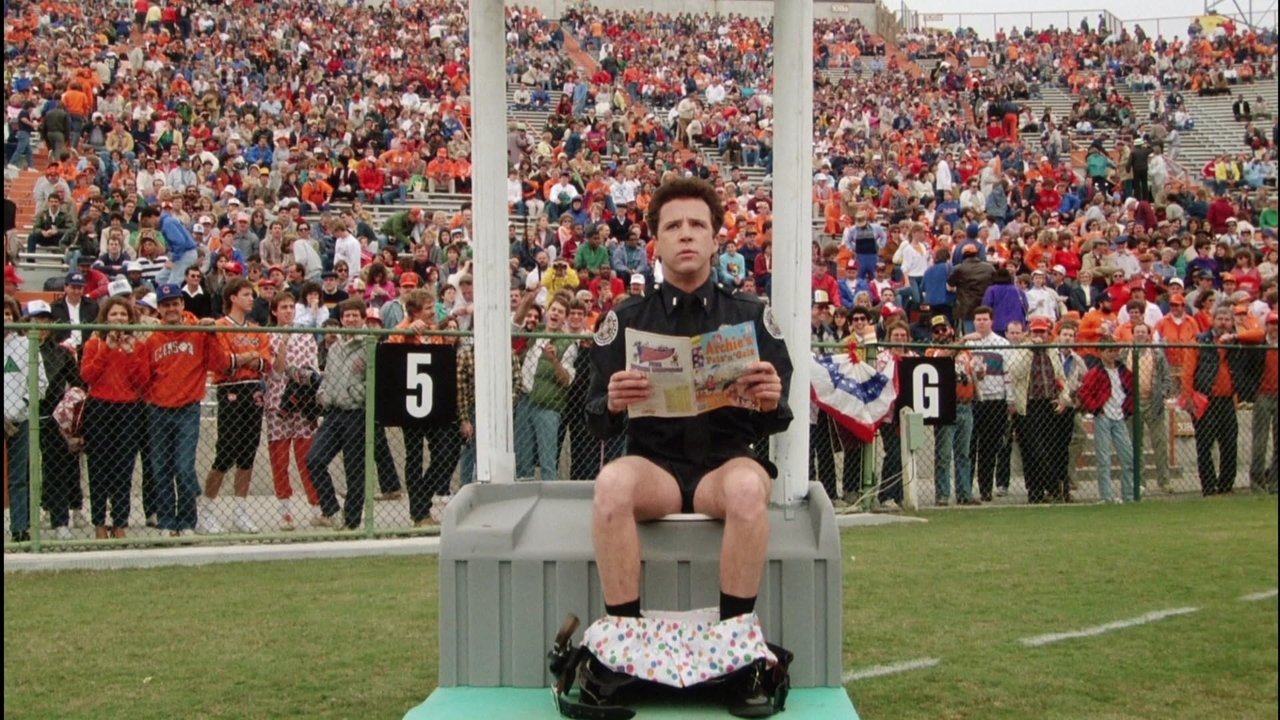
Keep Exploring...
-

Police Academy 3: Back in Training
1986
-
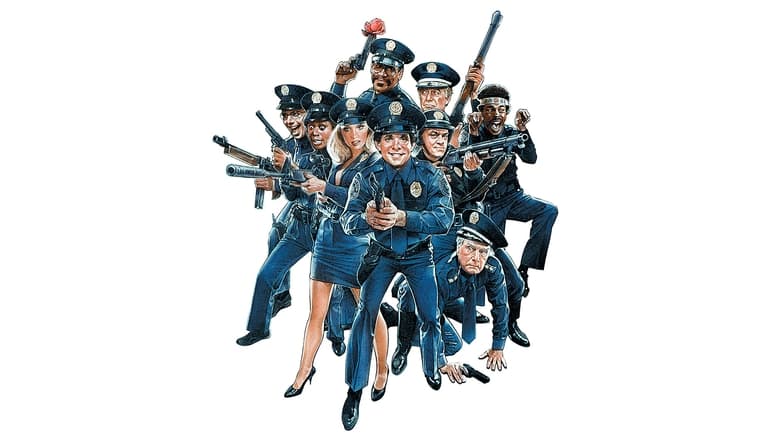
Police Academy 2: Their First Assignment
1985
-
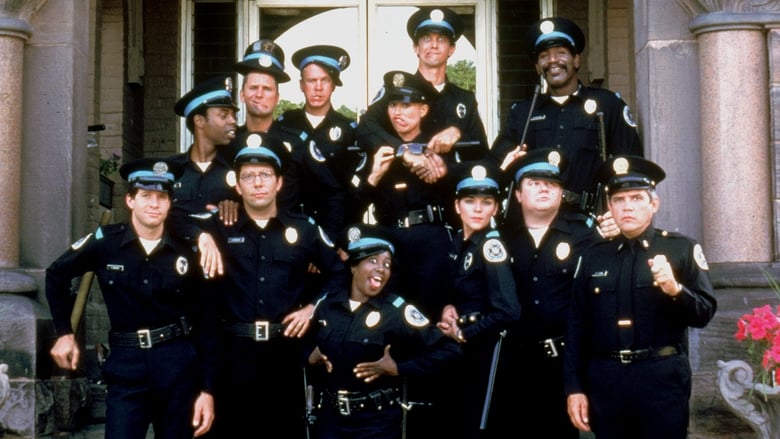
Police Academy
1984
-
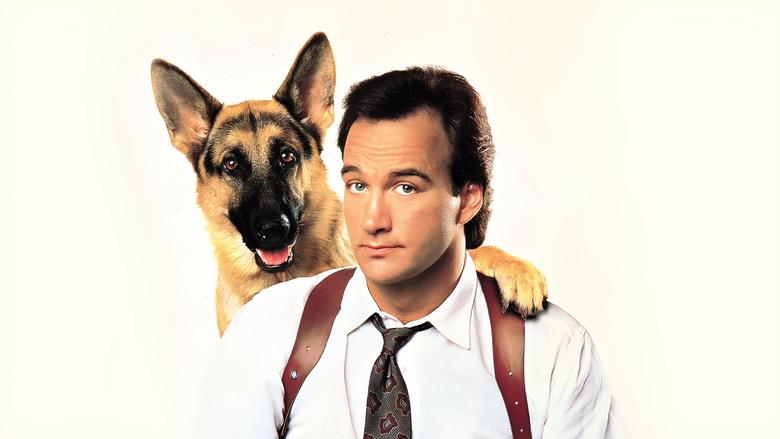
K-9
1989
-
Turner & Hooch
1989
-
Weekend at Bernie's
1989
-
See No Evil, Hear No Evil
1989
-
Tango & Cash
1989
-
Airplane II: The Sequel
1982
-
Superman III
1983
-
Cocoon
1985
-
National Lampoon's European Vacation
1985
-
The Jewel of the Nile
1985
-
Cobra
1986
-
Raw Deal
1986
-

The Golden Child
1986
-
The Money Pit
1986
-
¡Three Amigos!
1986
-

The Witches of Eastwick
1987
-

Cocoon: The Return
1988