Prince of Darkness
"Hell is a liquid, and it’s waking up."
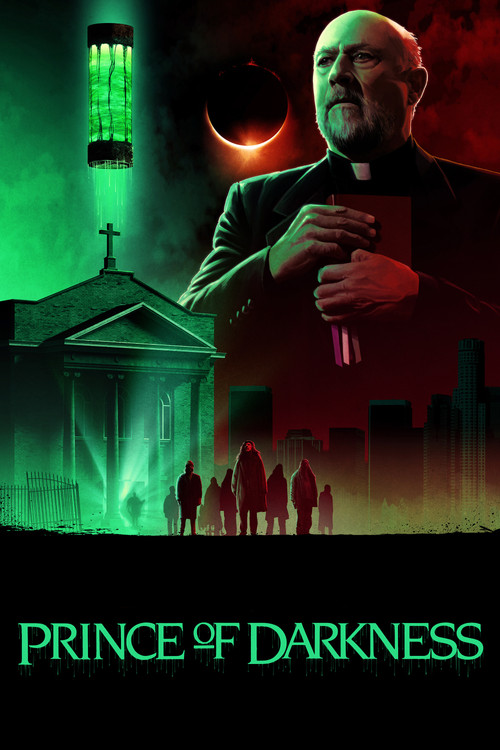
I once watched Prince of Darkness on a humid Tuesday night while trying to fix a leaky kitchen faucet. Every time a drop of lukewarm water hit my forearm, I jumped nearly hitting my head on the sink. That’s the specific, skin-crawling power of John Carpenter’s 1987 middle child: it makes you suspicious of physics, religion, and any liquid that isn’t clearly labeled "Lemon Lime Gatorade."

By the late 80s, Carpenter—the man who gave us Halloween and The Thing—was in a bit of a "one for them, one for me" cycle. After the big-budget studio experience of Big Trouble in Little China (which I maintain is a masterpiece, even if 1986 audiences weren't ready), he retreated to his roots. He signed a multi-picture deal with Alive Films that gave him $3 million and total creative control. The result is a film that feels like a fever dream caught on a surveillance camera. It’s a claustrophobic, grim, and deeply weird collision of quantum physics and ancient theology.
Science Meets the Sacred
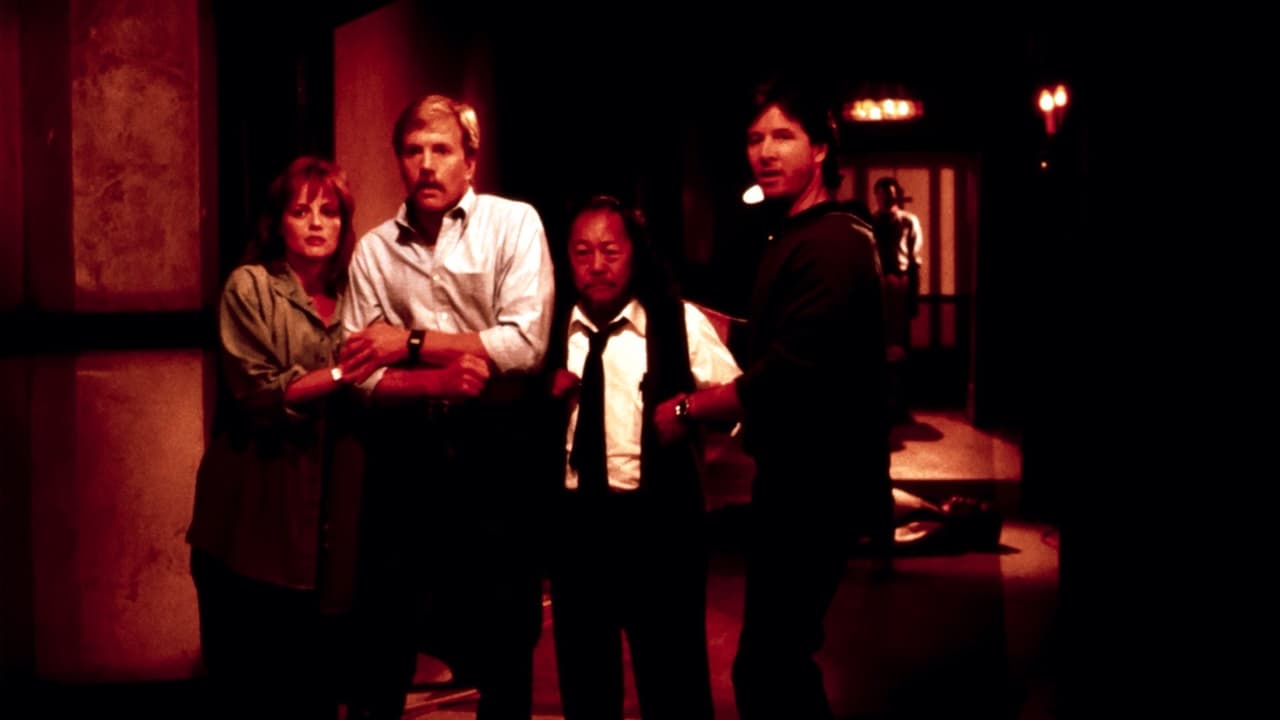
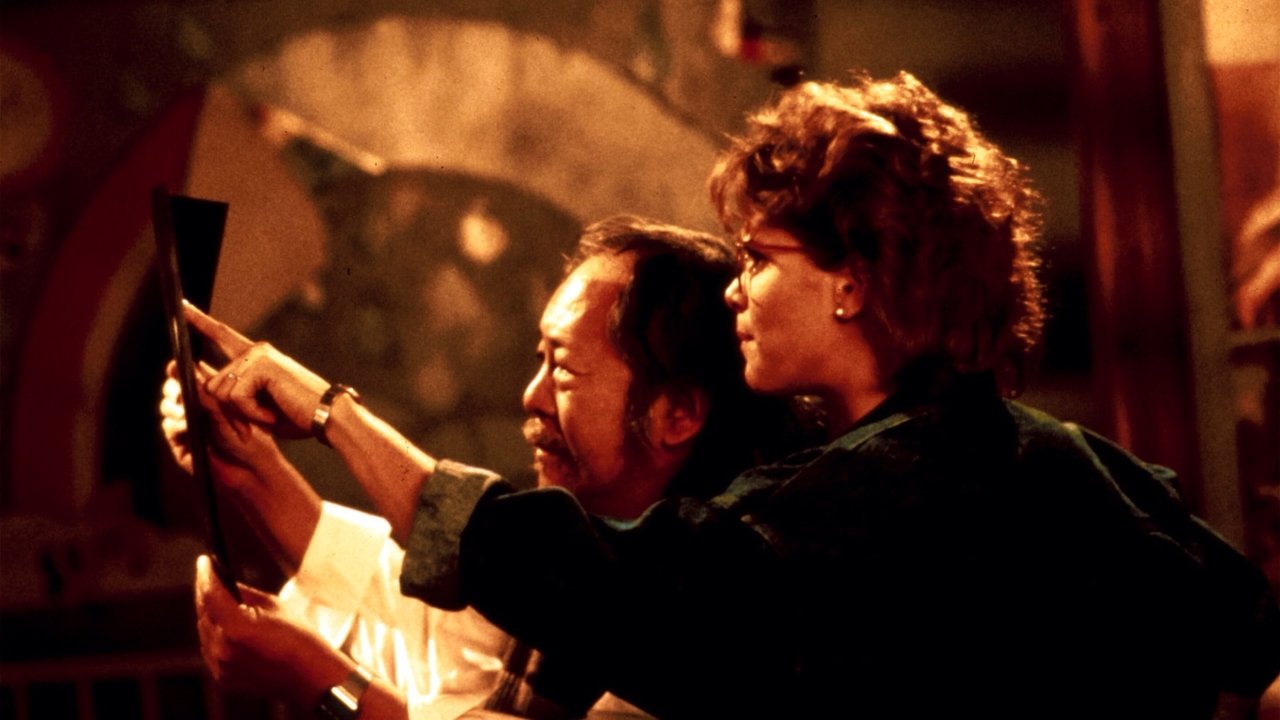
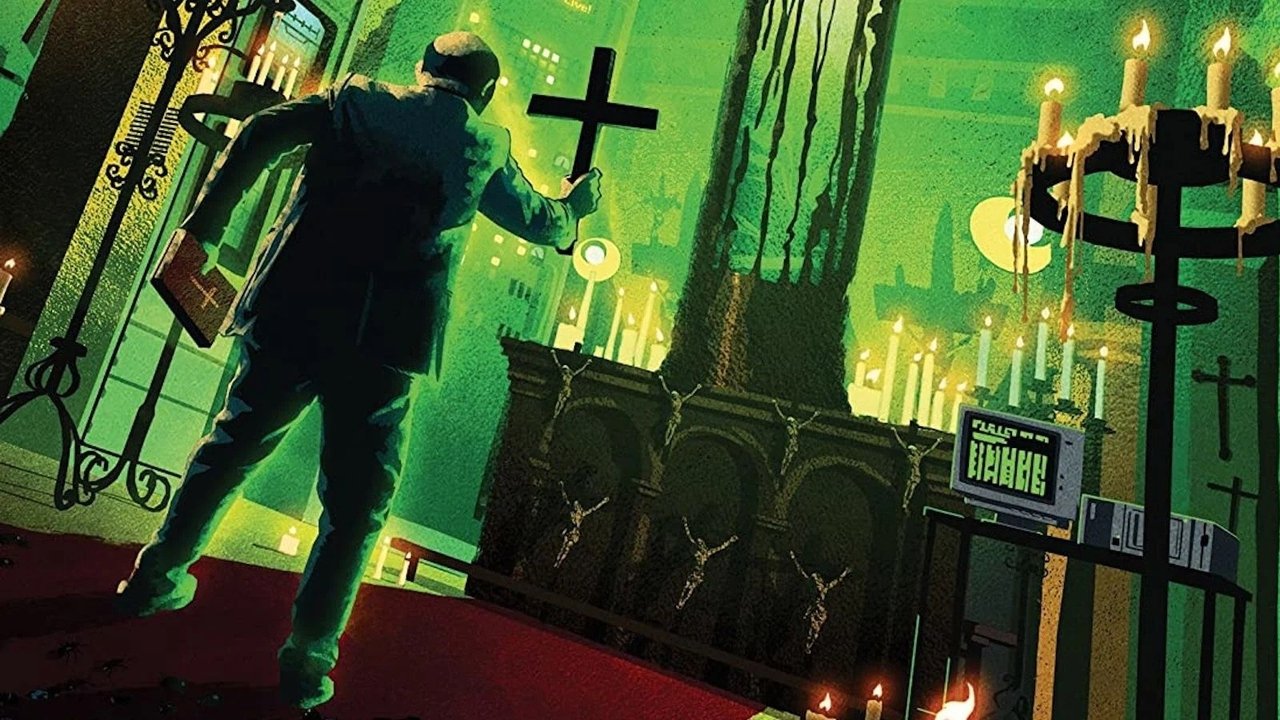
The plot is gloriously "80s high-concept." A priest, played by the eternally worried Donald Pleasence (who we all know as Dr. Loomis from Halloween), discovers a swirling cylinder of glowing green goo in the basement of a derelict Los Angeles church. Naturally, he doesn't call the EPA; he calls Victor Wong Chi-Keung, a physics professor who brings a team of graduate students to analyze the stuff.
Victor Wong and Jameson Parker (sporting a mustache that deserves its own SAG card) lead a cast that spends the first forty minutes looking at computer readouts and translating ancient scrolls. They discover that the liquid isn't just old—it’s sentient. It’s the literal "Anti-God," a biological evil waiting to be reborn. Carpenter’s script, which he wrote under the pseudonym Martin Quatermass, posits that what we call "Evil" is actually a subatomic reality. It’s a bold swing, and while the dialogue is sometimes thick enough to require a snorkel, the conviction of the actors sells the absurdity.
The VHS Nightmare Aesthetic
If you first saw this on a rental tape, you know that Prince of Darkness has a very specific texture. It’s a dark movie—literally. Gary B. Kibbe, taking over cinematography duties after Carpenter's long collaboration with Dean Cundey ended, leans into heavy shadows and sickly greens. On a grainy VHS, those shadows felt bottomless.
The film's most iconic element, however, is the "Dream." Throughout the movie, characters share a recurring vision: a grainy, low-resolution video of a dark figure emerging from the church, accompanied by a distorted voice-over from the future. Carpenter actually filmed this on a video camera and then re-photographed it off a television screen to get that specific, jittery distortion. It’s a brilliant piece of low-budget ingenuity that feels like a proto-version of the "found footage" trope that would dominate horror decades later. Every time that transmission interrupted the film, it felt like the movie was trying to infect your own VCR.
Practical Effects & Homeless Legions
As the liquid begins to "spray" its way into the students, the movie shifts from a science thriller into a full-blown siege film. This is the "Golden Age" of practical effects, and Carpenter makes every cent of his $3 million budget count. When Susan Blanchard’s character, Kelly, becomes the vessel for the entity, the makeup work is genuinely repulsive. Her skin cracks and swells, and she begins to resemble a bruised, waterlogged peach. There’s a scene involving a bicycle and a very unfortunate student that likely caused a few parents to return their rentals early.
Outside the church, things are just as grim. Carpenter recruited rock legend Alice Cooper to lead a pack of "possessed" homeless people who surround the building. Cooper doesn’t have many lines, but he uses a broken bicycle frame as a spear in a way that is profoundly unsettling. There are no jump scares here; just a slow, grinding sense of inevitable doom backed by John Carpenter’s own synth score. The music is a pulsating, minimalist drone that sounds like a heart rate monitor in a basement morgue.
Why It Stays With You
Prince of Darkness isn't as "perfect" as The Thing or as iconic as Halloween. It’s messy, and the romance between Jameson Parker and Lisa Blount feels like it was included purely because 1987 law required a leading couple. But it has an atmosphere of pure, unadulterated dread that few films can match. It treats the end of the world not as a spectacle, but as a cold, mathematical certainty.
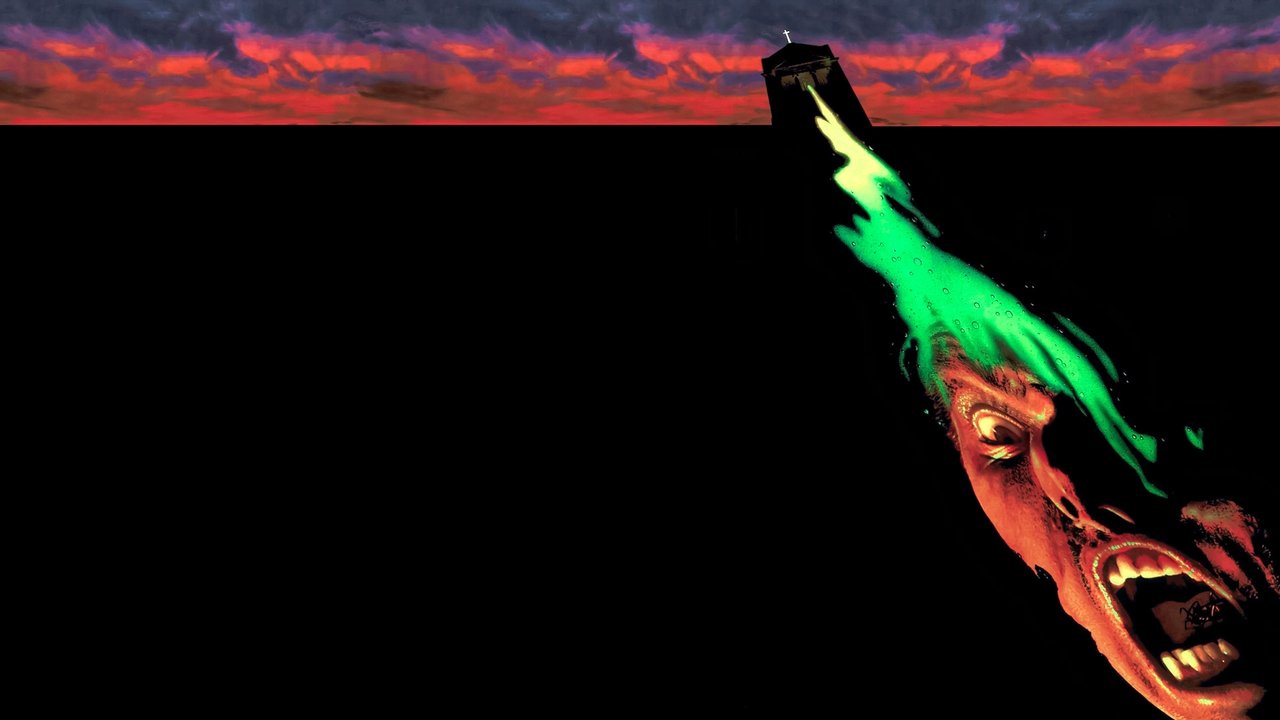
It’s the kind of film that rewarded the "midnight movie" crowd and the ritual of the video store. You’d see that cover art—the glowing green cylinder—and wonder what kind of trip you were in for. Even today, the ending—a desperate reach toward a mirror—remains one of the most haunting final frames in the genre. It doesn't offer a happy ending; it offers a question mark that lingers long after you’ve hit "Eject."
Prince of Darkness is John Carpenter at his most uncompromising and cerebral. It’s a film that demands you accept its bizarre internal logic, but once you’re inside that church with the graduate students, the exits are barred. It captures a specific era of practical horror where the monsters weren't just guys in masks, but concepts that threatened to unmake reality itself. If you can handle a little 80s cheese with your existential dread, it’s an absolute essential.
Keep Exploring...
-

Halloween
1978
-
The Fog
1980
-
Christine
1983
-
Starman
1984
-
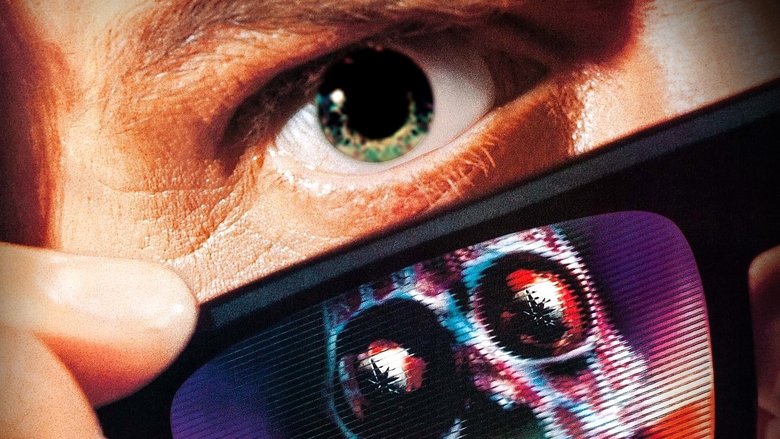
They Live
1988
-
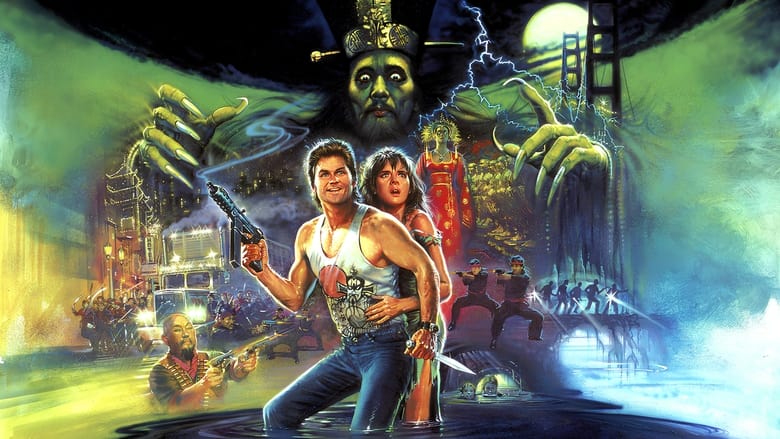
Big Trouble in Little China
1986
-

Assault on Precinct 13
1976
-

Escape from New York
1981
-
Friday the 13th Part III
1982
-

Friday the 13th: The Final Chapter
1984
-
Friday the 13th Part VI: Jason Lives
1986
-

The Thing
1982
-

Halloween 4: The Return of Michael Myers
1988
-
Creepshow
1982
-

Cujo
1983
-
The Dead Zone
1983
-

Fright Night
1985
-
Little Shop of Horrors
1986
-
Manhunter
1986
-
The Hitcher
1986